Most home cooks dont give much thought to their gas stovetop burner. Yet your choice of burner size and how you use it can make a big differenceboth for your food and your wallet. A gas stovetop burner thats too large or too small for your pan wastes energy and can ruin your dishs texture or flavor. Getting this right helps you cook healthier meals efficiently and safely, all while keeping your gas bills in check.
Why Burner Size Matters
What happens if you use the wrong burner size?
The burner size directly controls how heat is distributed under your cookware. If your flame is wider than your pot, excess heat blows around the sides, wasting energy and increasing cooking time. That often leads to uneven cookingsometimes scorching edges or undercooked centersespecially with delicate dishes.
On the other hand, using a burner thats too small means your pot doesnt get enough heat quickly. Expect longer cooking times, which also means more gas consumption overall. Either mistake can impact the quality of your meal and increase your kitchens environmental footprint.
How does burner size influence gas stove efficiency?
Gas burners are rated by BTU (British Thermal Units) to indicate their heat output. A typical range might be 5,000 to 15,000 BTU per burner. When the burners BTU rating matches your cookware size, fuel burns efficiently and evenly.
If you use a high-BTU burner with a tiny pan, much of that heat escapes. Conversely, a low-BTU burner under a large pot forces you to cook longer, consuming more fuel. Experts estimate mismatched burner use can waste up to 30% of fuel per meal, increasing costs and excess emissions.
Choosing the correct burner size helps you cook faster while using less gasboth important for sustainable kitchens.
Stove Burner Tips for Cooking
How to choose the right burner size for different cookware?
Select burners based on the diameter of your saucepan or frying pan. Heres a quick rule of thumb:
- Pans under 6 inches (15 cm): use a small burner (approx. 5,0007,000 BTUs)
- Pans 69 inches (1523 cm): medium burner (7,00010,000 BTUs)
- Pans larger than 9 inches (23 cm): large burner (10,00015,000 BTUs)
Cookware material matters too. Heavy cast iron or stainless steel takes longer to heat but holds heat well, so medium burners work best for gradual cooking. Lightweight ceramic or non-stick pans heat quickly and evenly, so smaller burners are often sufficient.
For simmering sauces or melting chocolate, always opt for simmer or low-heat burners to avoid burning. Want to boil water fast? Crank up that large burner.
Can you use a small burner over a large one in a pinch?
Sometimes you dont have the perfect burner available. Using a smaller burner under a big pan will slow cookingits better for gentle simmering but not high-heat searing or boiling. The pans edges might stay cooler, causing uneven results.
Using a large burner on a small pot risks flare-ups and overheats the pan edges, damaging your cookwares finish. Be careful with strong flames beneath delicate pots and stay close to monitor cooking.
When improvising, adjust flame intensity and pan position to limit heat loss or damage.
Quick checklist for matching burner size to cooking tasks
| Cooking Task | Recommended Burner Size | Tips |
|---|---|---|
| Simmering sauces, melting chocolate | Small burner (low BTU) | Use lowest flame to avoid scorching |
| Boiling pasta, blanching vegetables | Large burner (high BTU) | Use high flame for quick heat-up |
| Frying, sauting | Medium burner | Adjust flame to medium-high heat |
| Slow cooking, stewing | Small to medium burner | Maintain gentle simmer |
Balancing Benefits and Risks
What are the benefits of using gas stovetop burners correctly?
Correctly matching your burner size with your cookware enhances cooking precision. Youll get evenly cooked, flavorful meals with fewer burnt edges or underdone centers. That precision is especially important for recipes demanding exact heat control.
Efficient burner use lowers your gas bills and reduces carbon emissions. Youll also keep your cookware in better shape by avoiding overheating. Ensuring flames dont extend beyond pan edges keeps both your kitchen and loved ones safer.
What risks come from improper burner use?
Using mismatched burners increases risks like dangerous flare-ups, especially with large flames under small pans. Uneven heat can also warp pans or cause coatings to peel, shortening their lifespan.
Plus, inefficient burner use means burning more gas, worsening your environmental impact and raising costs. Persistently overheating can even cause gas leaks if stove components wear out faster than designed.
Real-life examples and expert advice
Chef Amir Rahman from Kuala Lumpur recalls a home cook who used the largest burner for every task: Their rice always stuck to the pot because the flame was too strong for their small pan. Once they matched burner size, texture improved, and cooking time halved.
Energy expert Farah Hussein explains, Matching BTUs to pan size saves up to 25% in fuel annually. This small habit helps kitchens reduce bills and carbon footprints simultaneously.

When should you adjust burner use for Halal cooking?
Halal-certified dishes often include slow-cooked stews, tender meats, and delicate spices. Using a small to medium burner allows gradual cooking, preserving flavor and texture. Rapid high heat risks burning spices or toughening meats, reducing the delicate balance central to many Halal recipes.
When cooking Halal-certified meals, such as slow-simmered lamb curry, keeping heat steady and matched to pot size is vital. For richly spiced dishes, gentle flames help release aromas without damage.
Check out our guide on Black vs white pepper to understand which spice complements your cooking style best.
How does cookware material affect burner choice?
Cookware like cast iron holds heat but reacts slowly, so pairing it with medium burners avoids sudden temperature spikes. Non-stick aluminum pans heat fast and lose temperature quickly, so small burners help maintain control.
Glass or ceramic cookware benefits from consistent medium heat to prevent cracking. Avoid using highest BTU burners under these, which risk breaking the material.
What maintenance keeps your gas stovetop burner safe?
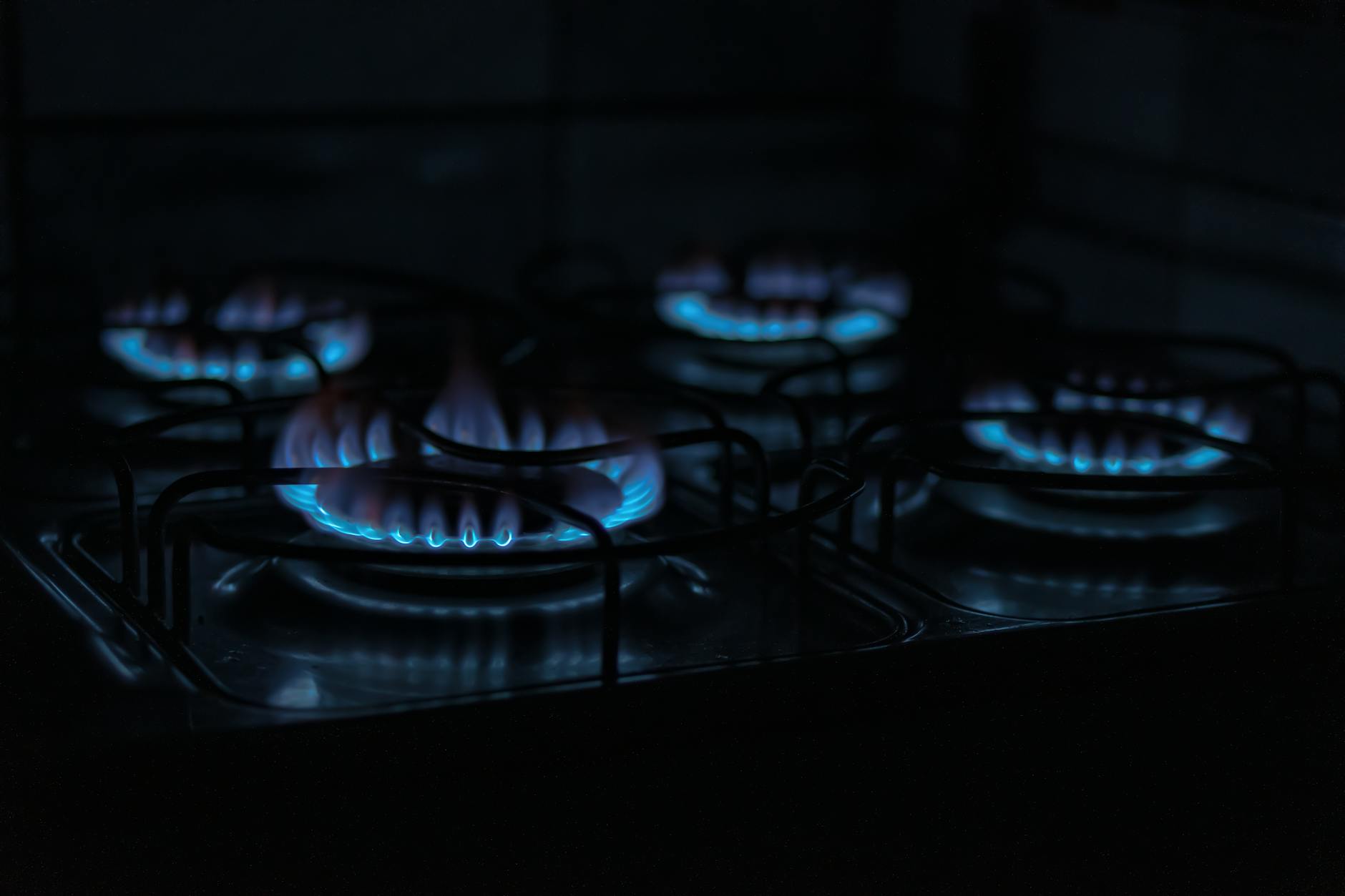
Clean burners regularly to prevent clogging. Use a pin or safety needle to clear tiny holes. Always check for yellow flames, which suggest incomplete combustion and potential gas leaks. A healthy blue flame means efficient burningthis also preserves your cookware.
Are there safety tips for using multiple burners simultaneously?
When using several burners, stagger pots based on size and heat needs. Avoid placing large pots side by side if flames overlap. Ensure ventilation is sufficient to disperse gas fumes. Never leave burners unattended, especially with aggressive flames or oils.
Can gas stovetop burners worsen air quality indoors?
Gas stoves emit nitrogen dioxide (NO2) and carbon monoxide, which can harm indoor air. Using burners efficiently reduces time and fuel burned, minimizing emissions. Always use range hoods or ventilation fans when cooking. Proper burner size helps prevent unnecessary combustion and pollution.
How to adjust flame size correctly?
The visible flame should just cover the pot bottom without licking the sides. Flames higher than 12 inches risk heat waste and hazards. Adjust knobs to maintain a stable blue flame with minimal yellow tips.
When is the best time to eat or drink food cooked on a gas stovetop burner?
Food cooked with well-matched burner size is best enjoyed immediately or within 2 hours. This preserves texture and safety. For slow-cooked Halal dishes, resting for 10 minutes post heat enhances flavors. Reheated meals should be heated thoroughly to at least 74C (165F) to ensure safety.
Is gas stovetop burner actually Halal what should I check?
The burner itself doesnt affect Halal status directly. Focus on using Halal-certified ingredients and cross-contamination hygiene. For meat or dairy cooked on a gas stovetop burner, ensure products bear certification from bodies like JAKIM, HMC, or IFANCA. Also, clean cookware thoroughly between uses to avoid non-Halal residue.
What common mistakes do home cooks make with gas stovetop burners?
The most overlooked error is using the largest burner for every cooking task. It seems faster but wastes gas and scorches food. Another is ignoring pan size, causing heat loss. Remember, cheap stoves with oversized burners often sacrifice control. Investing in quality cookware and learning flame adjustment techniques pays off significantly.
What expert tip can improve burner use?
Chef Leila Nasser advises, Use a flame tamer or diffuser for simmering on high-BTU burners. It spreads heat evenly and prevents scorchingperfect for Halal soups or delicate baking prep. Simple tools can save both food quality and energy.
More You Might Like
Learn the subtle but important differences in seasoning by checking out our article on Black vs white pepper. Knowing when to use each can elevate your cooking effortlessly.
If youre curious about prep techniques, our comprehensive guide on Pearl onions cooking offers handy tips for perfect texture and flavor every time.
Conclusion
Choosing the right gas stovetop burner size is more than convenienceit shapes how your food tastes and how much energy you use. Properly matched burners bring better cooking results, save money, and promote kitchen safety. Next time you cook, observe your flame and cookware carefullyit could transform your experience and the health of your meals.
FAQs
Is gas stovetop burner actually Halal — what should I check on the label?
The burner itself is neutral and does not affect Halal status. Focus on using Halal-certified ingredients and ensure cookware is clean to avoid cross-contamination. Check for Halal certification from valid bodies like JAKIM, HMC, or IFANCA on your ingredients and meats.
When is the best time to eat or drink food cooked on a gas stovetop burner?
Food cooked on a gas stovetop burner is best enjoyed immediately or within two hours to preserve texture and flavor. Slow-cooked dishes benefit from a short rest of around 10 minutes before serving. Reheat leftovers thoroughly to at least 74°C (165°F) for safety.
How long do gas stovetop burners typically last and how should they be maintained?
With proper care, gas stovetop burners can last many years. Regular cleaning prevents clogging of gas holes, and flames should stay blue to indicate efficient burning. Yellow flames indicate issues and possible leaks, so periodic inspection is important for safety and longevity.
What’s the difference between a gas stovetop burner and an electric cooktop?
Gas stovetop burners provide instant, adjustable heat using flame, offering precise control. Electric cooktops use heating elements that take longer to heat and cool. Gas burners can save energy and cook food faster but require good ventilation due to emissions.
Where can I buy quality gas stovetop burners suitable for Halal cooking?
Quality gas stovetop burners are available at major appliance stores, online retailers, and specialty kitchen shops. Look for models with adjustable BTUs and good flame control. Ensure accessories like flame tamers or diffuser plates are compatible for Halal cooking needs.