Walking into a kitchen full of cluttered drawers and mismatched gadgets can make cooking feel harder than it should be. You want to prepare wholesome meals for your family, but the wrong tools slow you down and create unnecessary mess. The truth is, having the right kitchen tools transforms the entire cooking experience from chopping vegetables to simmering a hearty stew. This guide walks you through the essential pieces every home cook needs, with a focus on quality, Halal-friendly practices, and smart investment choices. Whether you are new to cooking or looking to upgrade your setup, these recommendations will help you cook smarter, not harder.
Good tools do more than save time. They keep your food safe, make cleanup faster, and help you respect Halal requirements like avoiding cross-contamination between meat and dairy. A sharp chef‘s knife, a sturdy cutting board, and reliable measuring cups form the backbone of any efficient kitchen. Once you invest in pieces that last, you will notice how much more enjoyable meal prep becomes.
Why Quality Tools Matter
Cheap tools break quickly, rust, or lose their edge. That forces you to replace them often, which costs more over time. More importantly, low-quality materials can leach unwanted substances into your food. For Halal-conscious cooks, choosing tools made from safe, non-reactive materials like stainless steel or food-grade silicone gives you peace of mind.
Using the right equipment also reduces physical strain. A well-balanced knife prevents wrist fatigue. A heavy-bottomed pot distributes heat evenly, so your food cooks consistently. These small upgrades make daily cooking feel effortless rather than exhausting. According to professional chefs, investing in core tools first rather than trendy gadgets builds a foundation for confident cooking. If you are exploring a serious career in the culinary world, solid chef career advice always emphasizes mastering fundamentals before collecting equipment.
Essential Kitchen Gadgets
What Are the Best Kitchen Tools for Beginners?
If you are building your kitchen from scratch, start with these five items. An 8-inch chef‘s knife handles most chopping, slicing, and dicing tasks. A large cutting board preferably wood or bamboo protects your counter and your knife edge. A stainless steel skillet works for searing, sauting, and even baking. A set of measuring cups and spoons ensures accuracy for baking and Halal cooking where proportions matter. Finally, a silicone spatula withstands high heat without melting and scrapes bowls clean.
These core pieces cover roughly 80 percent of everyday cooking tasks. Once you have them, you can add specialty items like a vegetable peeler, a microplane grater, or a kitchen scale as your cooking expands.
How to Maintain and Care for Your Tools
Proper care extends the life of your tools significantly. Hand-wash wooden cutting boards with mild soap and dry them immediately to prevent cracking. Season them monthly with food-grade mineral oil to keep the wood hydrated. Stainless steel knives should never go in the dishwasher the high heat and detergent dull the blade and can cause pitting. Store knives in a magnetic strip or a blade guard, never loose in a drawer.
Silicone tools are dishwasher-safe but check for any metal cores inside. Cast iron pans require drying on low heat after washing, followed by a thin layer of oil to prevent rust. Following these habits keeps your tools performing like new for years.
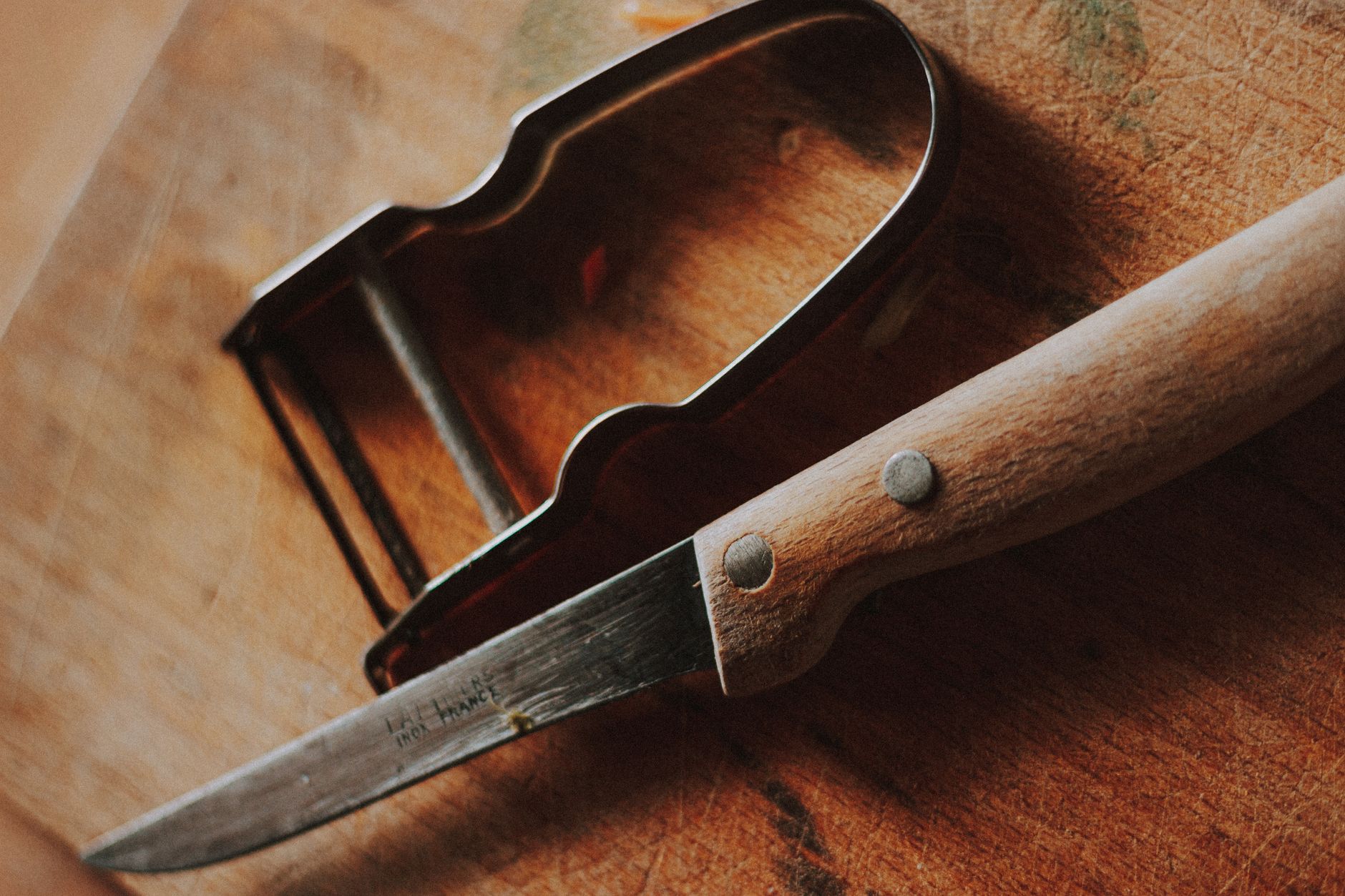
Comparison Table: Stainless Steel vs. Silicone vs. Wood Utensils
| Certification | Price Range | Common Formats | Shelf Life | Key Allergens |
|---|---|---|---|---|
| FDA food-grade, NSF | $15$60 per piece | Spatulas, tongs, ladles, whisks | 1020 years with care | Nickel (trace in some alloys) |
| FDA food-grade silicone | $8$25 per piece | Spatulas, baking mats, muffin cups | 58 years | None (hypoallergenic) |
| FSC-certified wood, food-safe finish | $10$40 per piece | Cutting boards, spoons, salad bowls | 35 years with regular oiling | Latex (rare, from natural rubber wood) |
Advanced Kitchen Tools
Is It Worth Investing in High-End Tools?
High-end tools often use better materials and construction. A premium chef‘s knife forged from high-carbon steel holds its edge longer and feels balanced in your hand. A copper-core saucepan conducts heat precisely, giving you more control over delicate sauces. For Halal cooking, where you might prepare separate batches for meat and dairy, having two high-quality sets of cookware prevents any cross-contact.
That said, not every expensive tool is worth the price. Focus your budget on items you use daily knives, cutting boards, and pans. For occasional tools like a pasta maker or a citrus juicer, mid-range options perform perfectly well. Read reviews from verified buyers and check for material certifications before spending more.
How to Avoid Common Buyer Mistakes
The biggest mistake is buying a large set of tools you will never use. Many pre-packaged sets include gadgets that look nice but lack durability. Instead, buy individual pieces that match your cooking style. Another error is choosing tools with plastic parts that touch hot surfaces they can warp or release chemicals over time. Stick to metal, silicone, or wood for heat-contact items.
Also, avoid non-stick pans with coatings that scratch easily. Once the coating degrades, it can flake into your food. For Halal kitchens, where separate cookware for meat and dairy is common, getting durable stainless steel or cast iron pans makes more sense than replacing non-stick pans every year.

Efficiency and Organization
Quick Hacks for Organizing Your Tools
Keep your most-used tools within arm‘s reach of your prep area. A countertop knife block, a magnetic strip on the wall, or a drawer organizer keeps everything accessible. Store heavy pots and pans near the stove. Group baking tools together in one drawer. This system cuts down the time you spend searching for the right item.
For Halal households, clearly separate utensils for meat and dairy. Use different colored cutting boards or label drawers to avoid confusion. This simple habit keeps your kitchen compliant with Halal dietary practices without adding stress to your cooking routine.
How Often Should You Replace Your Tools?
Chef‘s knives need sharpening every 34 months and replacement every 810 years. Cutting boards should be replaced when deep grooves form about every 3 years for wood, 2 years for plastic. Non-stick pans last 35 years before the coating starts to fail. Silicone spatulas can last up to 8 years if they do not develop tears or melting spots. Check your tools every season and retire anything with cracks, rust, or warping.
A well-maintained tool not only cooks better but also keeps your food safe from bacteria that hide in scratches and worn surfaces.
Pro Tips for Choosing and Using Tools
One overlooked buying mistake is choosing tools based on looks rather than function. A colorful silicone spatula might look nice, but if it has a metal core that rusts at the handle, it will fail quickly. Always check the construction one-piece silicone or fully sealed metal handles last longer.
Cheap versions of essential tools disappoint because they use thinner materials that bend, dent, or lose their non-stick properties. Spending a little more on a 3-ply stainless steel pan instead of a single-ply one saves you money in the long run because it heats evenly and lasts decades.
An expert tip from Halal kitchen professionals: keep a dedicated knife and cutting board only for cutting cooked Halal meats. This prevents any cross-contact with raw ingredients and maintains the integrity of your prepared dishes. Label these items clearly so everyone in your household knows their purpose.
Are kitchen tools actually Halal what should I check?
Kitchen tools themselves are not Halal or Haram they are materials. However, you should check that any tool touching food is made from non-toxic, food-grade materials. Avoid tools with lead or cadmium in glazes or coatings. For Halal kitchens, the key concern is avoiding cross-contamination, so having separate tools for meat and dairy is the standard practice recommended by Halal certifying bodies like JAKIM and IFANCA.
How many knives do I really need in my kitchen?
Three knives cover almost every task: an 8-inch chef‘s knife, a 3.5-inch paring knife, and a serrated bread knife. Adding a utility knife or a boning knife is optional depending on your cooking style. Avoid buying full knife blocks with many unused shapes they take up counter space and rarely get used.
What material is best for a Halal kitchen cutting board?
Wood and bamboo are excellent because they are naturally antimicrobial and gentle on knife edges. For Halal kitchens, having two separate boards one for meat and one for vegetables is essential. Choose boards made from hard maple or bamboo with a food-safe finish. Avoid soft woods like pine that scar easily.
Can I use the same pan for meat and dairy in a Halal kitchen?
According to most Halal guidelines, you should use separate cookware for meat and dairy to avoid any cross-contact. If you have a small kitchen, at minimum use separate cutting boards and utensils. Some families choose to have two complete sets of pots and pans. Stainless steel and cast iron work well for this purpose because they are easy to clean and do not absorb flavors.
How do I know if a kitchen tool is food-safe?
Look for labels that say "FDA-approved" or "food-grade." Check that metal tools are made from 304 stainless steel or higher. Avoid tools with painted surfaces or unknown coatings. For silicone items, do the pinch test if white color shows when you pinch and twist, it contains filler material and is not pure food-grade silicone.
What is the biggest mistake people make when buying kitchen tools?
Buying cheap non-stick pans that scratch and flake within months is the most common mistake. Another is purchasing knife blocks with low-quality blades that cannot be sharpened. Always prioritize a few high-quality pieces over many low-quality ones. Research each tool before buying and read reviews from people who have used it for at least six months.
How should I store kitchen tools to keep them Halal-friendly?
Store meat and dairy tools in clearly separated areas use different drawers, containers, or shelves. Label everything so family members can easily identify which tools are for which purpose. Keep raw meat tools lower than cooked food tools to prevent drips. This organization respects Halal principles and makes daily cooking smoother.
More You Might Like
If you enjoyed this guide, check out our best foods for fiber article to learn how to incorporate more whole grains, legumes, and vegetables into your Halal meals. A fiber-rich diet supports digestion and pairs perfectly with the home-cooked meals you will make using your new tools.
For those serious about building a career around food, our chef career advice page shares practical steps for entering the culinary industry, from knife skills to kitchen management.
Choosing the right kitchen tools is one of the most rewarding investments you can make for your home. Good equipment saves time, keeps food safe, and makes cooking a genuine pleasure. Next time you shop for a new knife or a cutting board, take a moment to check the material, the build quality, and how it fits your Halal kitchen routine. Your meals and your family will thank you.
FAQs
Is kitchen tools actually Halal — what should I check on the label?
Kitchen tools are not inherently Halal or Haram, but you should check that materials are food-grade and non-toxic. Look for FDA or NSF certification. Avoid tools with lead or cadmium in coatings. For Halal kitchens, separate tools for meat and dairy are essential to prevent cross-contamination. Choose stainless steel, silicone, or wood.
How long do kitchen tools typically last before needing replacement?
Chef's knives last 8-10 years with regular sharpening every 3-4 months. Wood cutting boards need replacement every 3 years when deep grooves appear. Non-stick pans last 3-5 years before coating fails. Silicone spatulas can last up to 8 years if no tears. Check tools seasonally and replace any with cracks, rust, or warping.
What is the difference between wood and plastic cutting boards for a Halal kitchen?
Wood and bamboo cutting boards are naturally antimicrobial and gentle on knife edges, making them ideal for Halal kitchens. Plastic boards are cheaper but develop grooves quickly that harbor bacteria. For Halal compliance, have separate boards for meat and vegetables. Wood requires regular oiling; plastic is dishwasher-safe but wears faster.
How can I ensure daily safety and avoid cross-contamination in my Halal kitchen?
Use separate cutting boards, utensils, and cookware for meat and dairy. Label them clearly. Store raw meat tools lower than cooked food tools. Hand-wash wooden boards with mild soap and dry immediately. Keep knives sharp to prevent accidents. Regularly sanitize surfaces. Following these habits maintains Halal integrity and food safety.
Where can I buy reliable kitchen tools for Halal cooking?
Reliable kitchen tools can be purchased from reputable kitchenware stores, online retailers like Amazon, or specialty Halal cooking shops. Look for brands with good reviews and certifications such as FDA food-grade. Avoid cheap sets; invest in individual pieces like stainless steel pans, chef's knives, and silicone spatulas from trusted manufacturers.