Okay, lets be real: how many times have you struggled with a ketchup bottle that refuses to cooperate? Whether its nothing coming out or suddenly a giant blob splatters across your plate, knowing how to squeeze ketchup the right way can save you from that frustration. This simple skill can make your meals cleaner, easier, and way more enjoyable. Lets unravel the secrets behind that stubborn bottle.
Why Is Squeezing Ketchup So Hard?
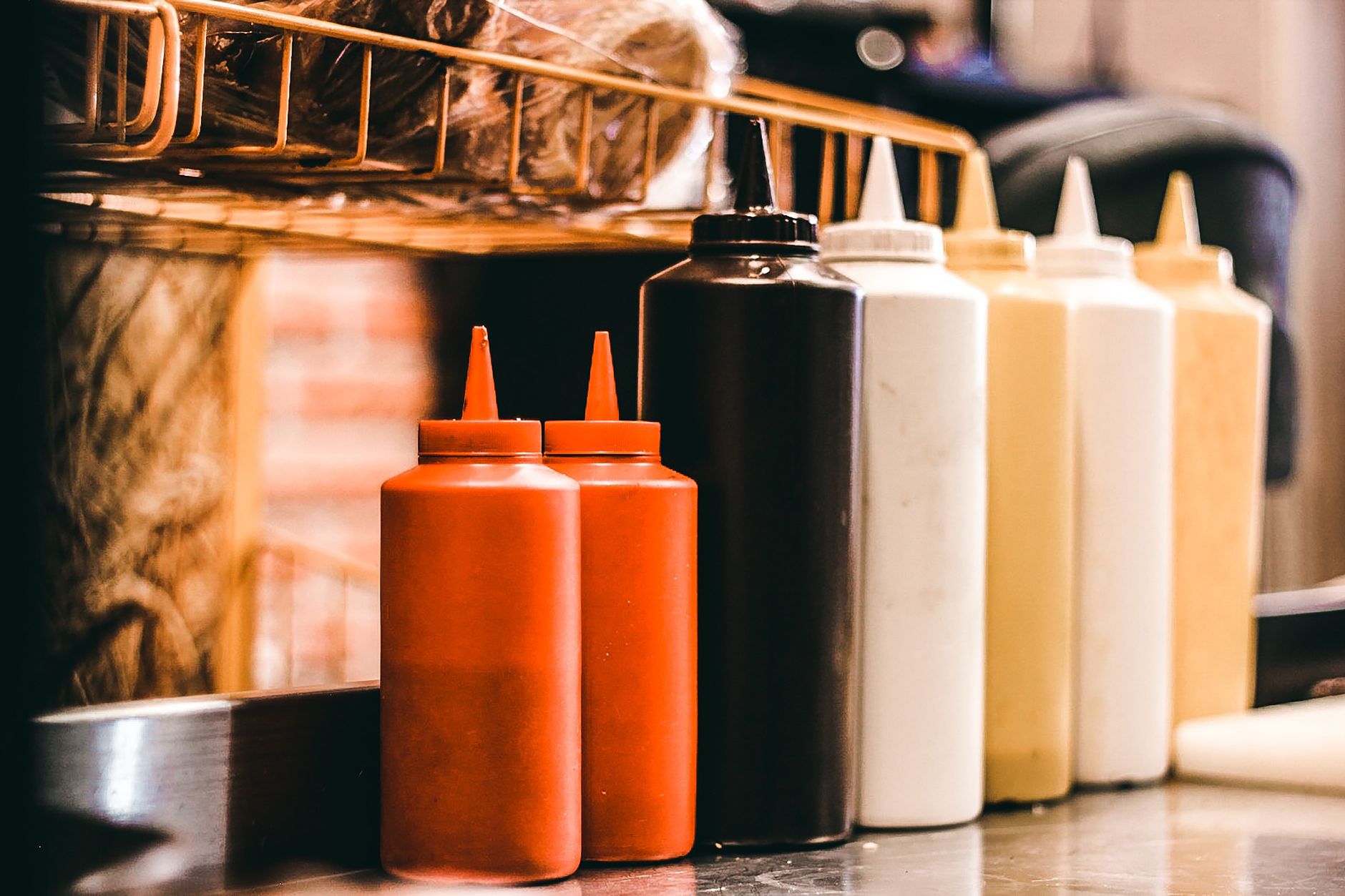
Squeezing ketchup can feel tougher than it should, and part of that is how ketchup bottles are designed and how ketchup itself behaves. Most ketchup is a thick, viscous liquid, meaning it flows slowly and resists movement inside its container. Depending on whether youre using a glass bottle or a plastic squeeze bottle, your experience will change significantly.
Glass bottles, for example, rely on gravity and air pressure to let ketchup out. The narrow neck and thick ketchup combine to create suction that resists flow. Plastic bottles, especially the flexible ones, are designed to be squeezed, but even then the ketchups thickness can trip you up if you dont use the bottle right.
What Causes Ketchup to Get Stuck in the Bottle?
Ketchup gets stuck mainly because of its thickness and the way air moves inside the bottle. When you squeeze from the bottom or squeeze too hard, air pockets form at the neck. These pockets create resistance, meaning ketchup wont flow smoothly or at all. Also, the shape of the bottle neck and how much ketchup is left inside affects flow. Gravity plays a role tooits far easier to squeeze ketchup out of an upside-down bottle because gravity helps pull it down.
Types of Ketchup Bottles and How They Affect Dispensing
| Bottle Type | Material | Ease of Use | Common Issues |
|---|---|---|---|
| Traditional Bottle | Glass | Requires tapping, patience | Slow flow; mess from sudden splatters |
| Squeeze Bottle | Plastic (soft or rigid) | Designed for easier squeezing | Can squirt too much if squeezed too hard |
| Upside-Down Bottle | Plastic with inverted cap | Gravity-assisted dispensing | Needs proper storage to avoid leaks |

Tips to Squeeze Ketchup Easier
Now that we understand why ketchup can act up, lets get into practical tips. These tricks help you squeeze ketchup easier, cleaner, and with less waste.
How to Use an Upside-Down Ketchup Bottle Effectively
Squeezing ketchup is much easier when the bottle is stored upside down on its cap. This position means the ketchup is already resting near the opening, ready to flow out. Heres how to make it work:
- Store your ketchup bottle upside down in the fridge or pantry so the ketchup always stays near the lid.
- When you want to squeeze, just apply gentle pressure near the bottom (now the top) of the bottle. Gravity assists the flow.
- If the ketchup clogs at the opening, quickly tap the neck or open and wipe the tip clean before squeezing again.
This simple storage habit alone can prevent the frustrating airlock and keep ketchup flowing smoothly.
Ketchup Bottle Tips: Tricks the Pros Use
Ever noticed restaurant chefs tapping the ketchup bottle or gently twisting the neck? Those little moves are more than style they help.
- Tap the neck: Lightly tapping the bottle neck (right above the opening) breaks suction and loosens thick ketchup clumps.
- Warm gently: Cold ketchup tends to be thicker. Warm the bottle for 2 minutes in warm water (never hot) to improve flow.
- Use the spoon lift: For stubborn ketchup stuck at the neck, dip a spoon tip into the opening and stir to release blockage.
- Shake carefully: Shake the bottle gently before use to redistribute ketchup inside without creating air pockets.

Ketchup Dispensing Tricks from Real Users and TikTok
Social media users have popularized fun hacks for ketchup, some surprisingly effective. Many swear by:
- Storing ketchup upside down in the fridge it really works if your bottle allows it.
- Using a rubber band to squeeze just above the opening and push ketchup down the neck before dispensing.
- Cutting a small slit in the cap for controlled flow (just be sure to keep the bottle sealed).
Many viewers find that these unconventional hacks save ketchup, prevent mess, and speed up serving time. Have a favorite tip? Share it in the comments below!
When Squeezing Ketchup Goes Wrong
Even with tips, some squeezing mistakes cause more trouble than they fix. Avoid these common errors:
What Not to Do with Your Ketchup Bottle
- Dont squeeze too hard: Excessive force launches ketchup all over your plate or worse, your clothes.
- Dont shake violently: Shaking hard creates air bubbles and messes with smooth flow.
- Dont tilt the bottle at extreme angles: This can cause ketchup to squirt unpredictably or get stuck in the neck.
- Dont neglect the cap: Dried ketchup buildup can block flow wipe the tip clean regularly.
Missing these details often means ketchup waste and lots of cleanup after dinner, so a little caution goes a long way.
Bonus: Tips for Other Sauces and Condiments
The squeezability tips for ketchup translate well to other thick sauces and condiments too. Whether its mustard, mayonnaise, barbecue sauce, or salad dressings, these techniques ease dispensing and save product waste. Particularly with Halal-certified condiments often found in online groceries, knowing how to handle them properly means you enjoy clean, controlled pours without stress.
Warming bottles gently, storing upside down when possible, and lightly tapping the container neck work beautifully for a variety of creamy or thick sauces.

Is ketchup actually Halal what should I check?
Most commercial ketchup brands are Halal-certified, but its important to check for trusted certifications like JAKIM, HMC, or IFANCA logos on packaging. These ensure ingredients and production meet Halal standards. Also, verify there are no non-Halal additives or alcohol-based preservatives. Halal-certified ketchup provides peace of mind, especially for families prioritizing dietary compliance.
When is the best time to use ketchup?
Ketchup is a versatile condiment that complements a variety of meals from grilled meats and snacks to sandwiches and fries. Using it fresh, within days after opening (typically 57 days refrigerated), ensures the best flavor and texture. For health-conscious consumers, pairing ketchup with Halal-certified meals is an easy way to enjoy rich, tangy flavor any time.
How to store ketchup for longer freshness?
Store ketchup in the refrigerator after opening to keep it fresh for up to one month. Use the upside-down bottle position if possible it reduces air exposure near the opening and preserves texture. Avoid direct sunlight and temperature changes that can affect flavor and consistency.
Are plastic ketchup bottles safer than glass?
Both have pros and cons. Plastic bottles are lighter, less fragile, and usually designed for easy squeezing. Glass offers a classic feel and is more sustainable but requires careful handling and tapping to get ketchup out. For families with kids, plastic squeeze bottles tend to be safer and more convenient.
Why does cold ketchup flow slower?
Ketchup thickens in cold temperatures. It becomes more viscous, which slows flow from the bottle. Warming it gently to room temperature or placing the bottle in warm water for a couple of minutes improves flow without affecting taste.
Can you reuse ketchup bottles?
Yes, but ensure thorough cleaning and sanitization before refilling. For homemade or bulk ketchup, reuse plastic squeeze bottles labeled food-safe. Avoid glass bottles with metal caps for prolonged reuse to prevent rust or contamination. Proper cleaning prevents bacterial growth.
Are there low-sugar or healthier ketchup options?
Many brands offer reduced sugar or all-natural ketchup variants featuring simple ingredients and no artificial additives. Reading labels carefully helps find Halal-certified, healthier choices that fit low-sugar or clean-label diets. These options maintain flavor with less sugar and sodium.
Expert Tips for Squeezing Ketchup Perfectly
One commonly overlooked mistake is applying quick, uneven pressure on the bottle. Instead, apply steady, gentle squeezes from the base. This limits splatter and allows controlled flow.
Cheap ketchup brands may not flow as well due to thicker texture or additives, so choosing high-quality Halal-certified brands improves both taste and dispensing. According to packaging experts, selecting bottles with wider necks and flexible plastic also makes a difference.
Expert tip: after every use, wipe the bottle neck clean and replace the cap tightly. This prevents dried ketchup buildup, ensuring smooth flow next time.
If you often order condiments online, understanding how to order groceries online safely with certified products helps guarantee you receive quality ketchup that flows well and fits dietary needs.
More You Might Like
Explore tips on buying groceries online with Halal certification, so you always have your favorite condiments at hand without any hassle.
Want to expand your condiment collection? Learn about other popular and certified Halal sauces that add flavor and freshness to your meals.
Discover delicious ways to pair ketchup with homemade recipes for snacks and halal-friendly meals to make every plate taste amazing.
Conclusion
Mastering how to squeeze ketchup isnt hard it just takes a few simple techniques and understanding your bottles design. Whether its storing ketchup upside down or warming the bottle slightly, these habits mean no mess and better control. Next time you reach for that ketchup bottle, remember these tips and enjoy every drop. Feel free to share your own ketchup hacks or questions below!
FAQs
Is how to squeeze ketchup actually Halal — what should I check on the label?
Most commercial ketchup brands are Halal-certified. Check the packaging for certification logos like JAKIM, HMC, or IFANCA to ensure compliance. Also, verify there are no non-Halal additives or alcohol-based preservatives for full assurance.
How long does ketchup last after opening?
Opened ketchup should be refrigerated and is best used within 30 to 57 days for optimal flavor and safety. Proper storage, like keeping the bottle upside down, helps maintain freshness longer.
What is the difference between glass and plastic ketchup bottles?
Glass bottles offer a classic look but require tapping and patience to dispense ketchup. Plastic bottles are lighter, easier to squeeze, and often designed to reduce mess, though they can sometimes release too much ketchup if squeezed hard.
Is it safe to warm ketchup before squeezing?
Yes, gently warming ketchup by placing the bottle in warm (not hot) water for a couple of minutes improves flow without affecting taste or safety, especially if the ketchup is chilled.
Where can I buy quality Halal-certified ketchup online?
You can find Halal-certified ketchup on specialized online grocery stores that provide product certification details. Look for trusted retailers offering verified Halal products to ensure quality and compliance.