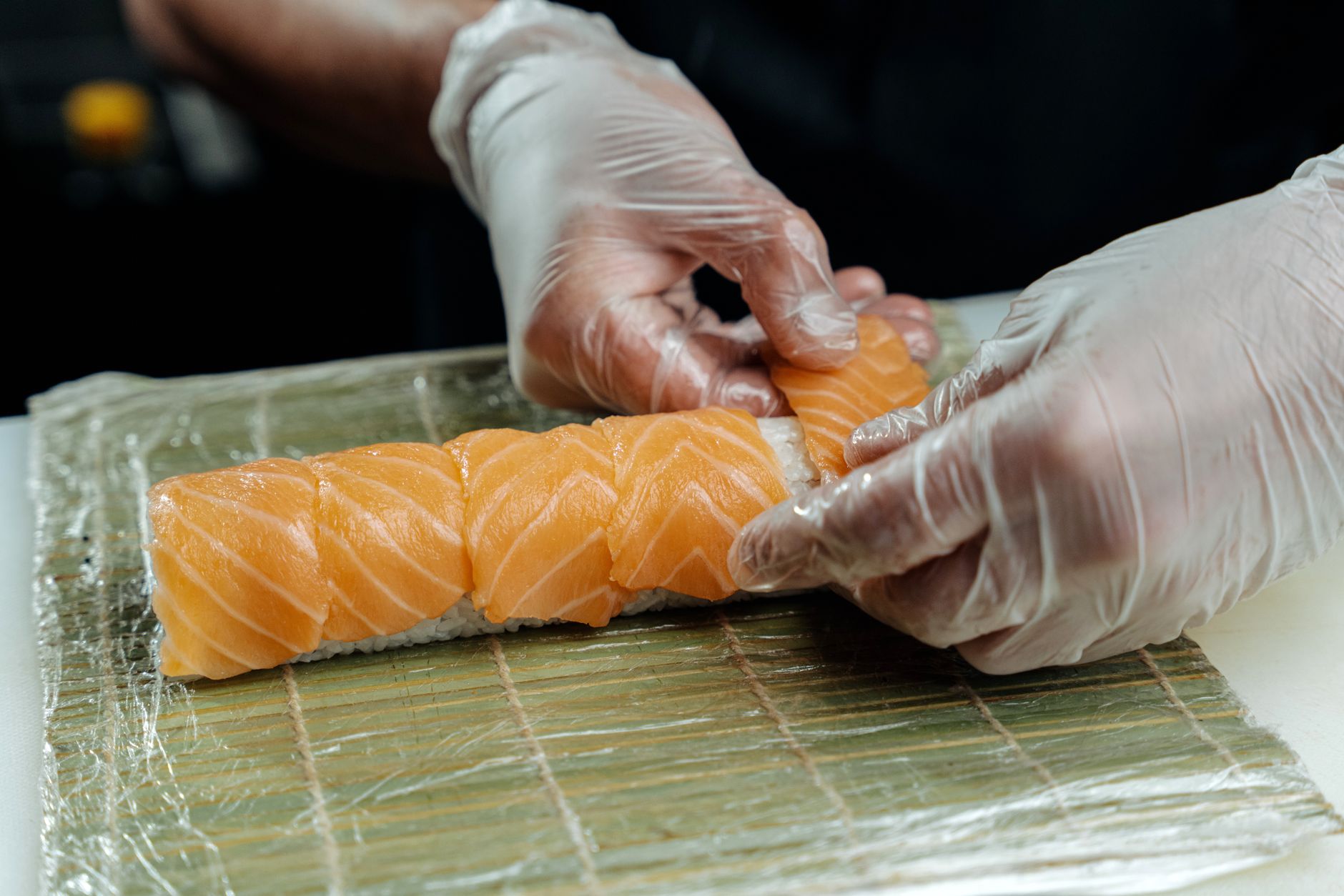
If you enjoy Japanese cuisine, youve probably encountered sushi hand rolls. But what sets a sushi hand roll apart from the classic cut roll sushi? A sushi hand roll, also known as temaki, is a cone-shaped creation you hold in your hand, often packed with fresh ingredients wrapped in crisp seaweed. Unlike its sliced counterpart, the cut roll sushi, or maki, temaki offers a distinctly different eating experience thats both casual and interactive.
Sushi Hand Roll Basics
What Is a Sushi Hand Roll?
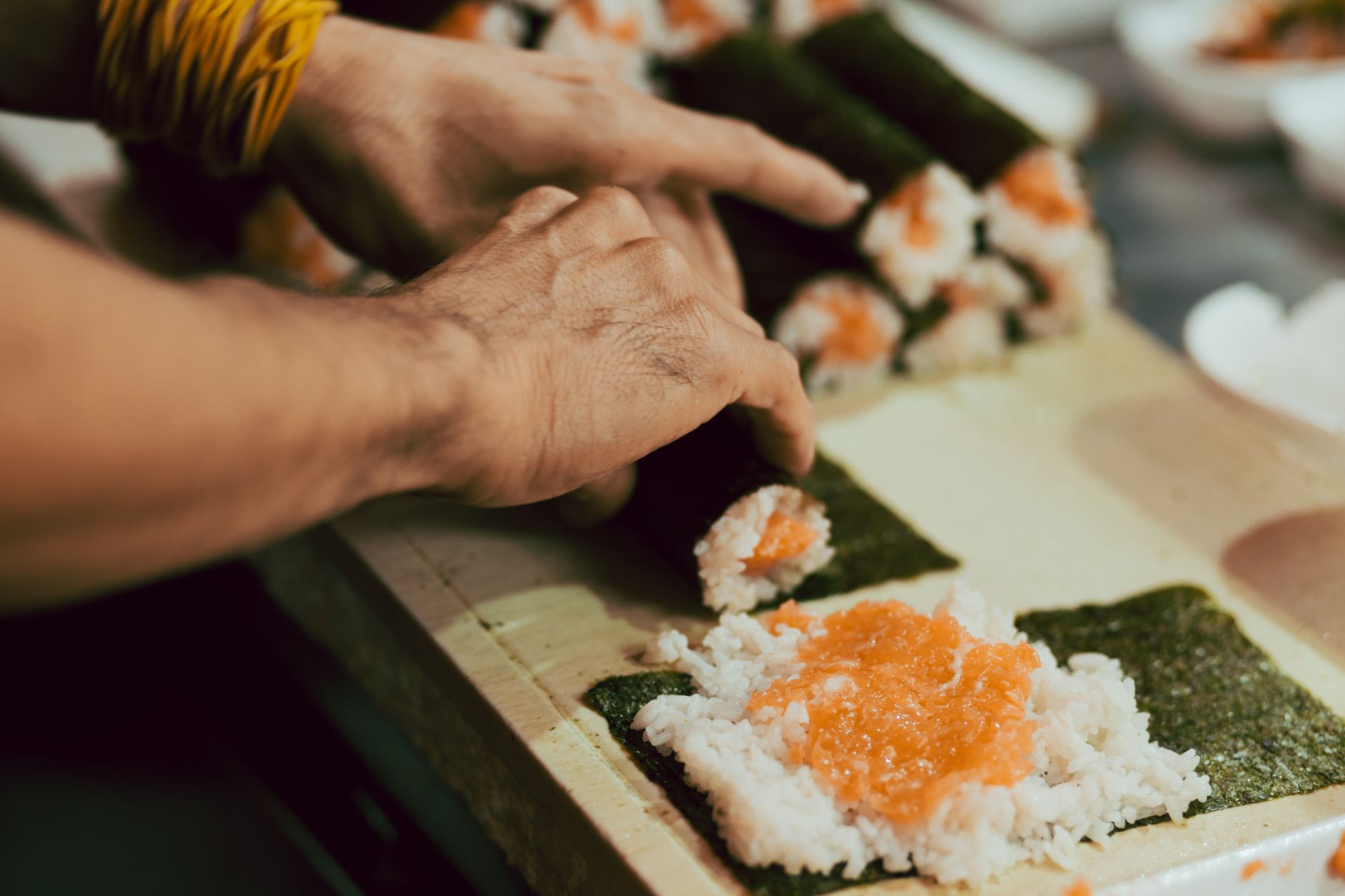
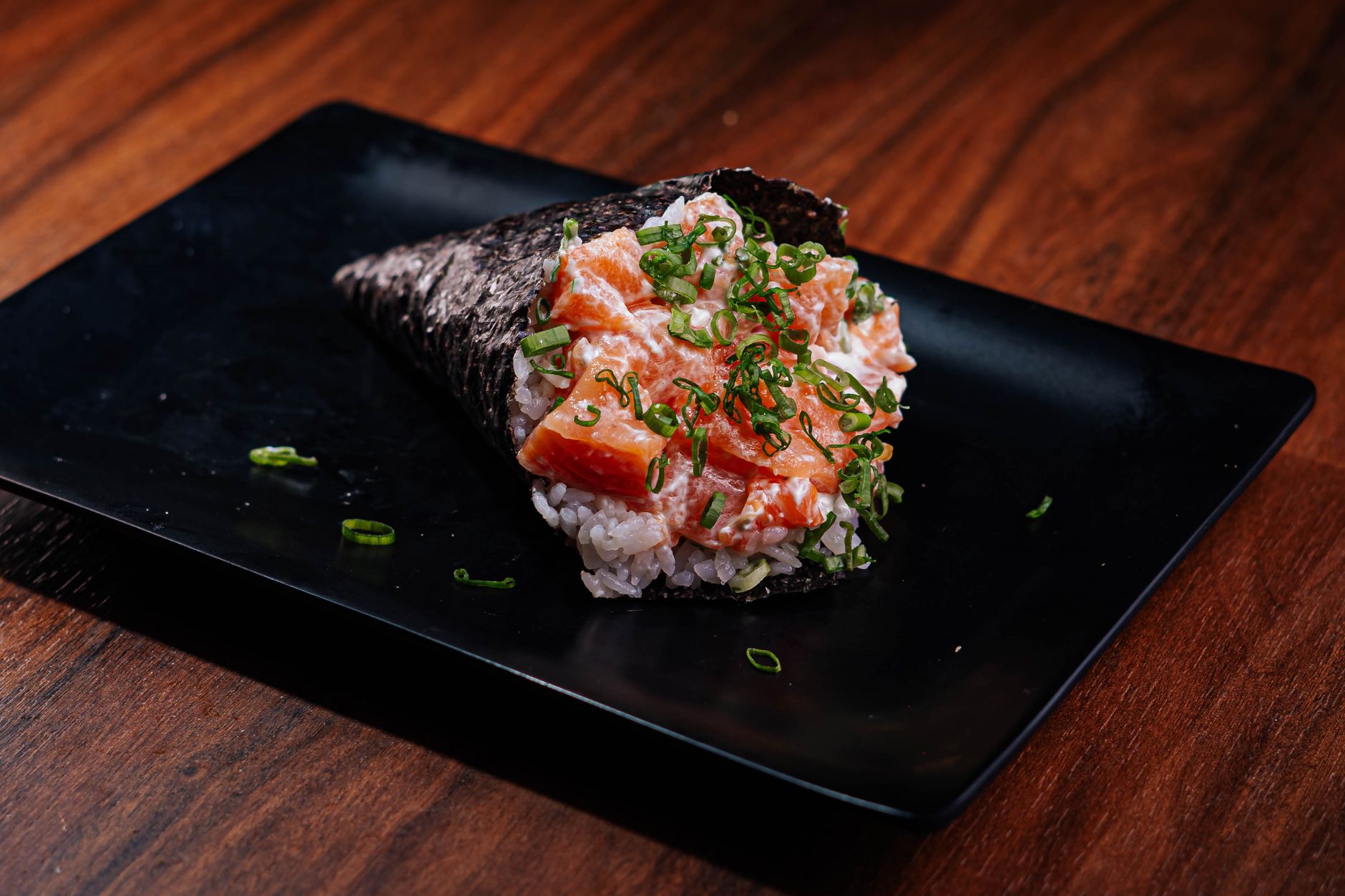
A sushi hand roll, or temaki, is shaped like a cone, rolled by hand using seaweed (nori). It typically measures about 4 to 6 inches long and is filled with sushi rice, fresh fish or other proteins, and veggies such as cucumber, avocado, or sprouts. The cone shape makes it easy to grip, and its usually eaten on the go or at casual sushi bars.
Temaki sushi is often prepared quickly, making it a favorite in Japanese fast-casual dining. Its portability and ability to showcase fresh, quality ingredients are key reasons for its popularity. Because you roll and hold it yourself, the hand roll feels informal and fun.

What Is Cut Roll Sushi?
Cut roll sushi, or maki, is a cylindrical roll of rice and fillings wrapped tightly in seaweed and sliced into bite-sized pieces. These pieces are typically about one inch thick. There are different kinds of maki rolls, such as hosomaki (thin rolls), futomaki (thick rolls), and uramaki (inside-out rolls with rice on the outside).
Cut roll sushi is often served formally on plates and eaten with chopsticks. Its common in traditional sushi restaurants and regarded as a staple form of sushi worldwide.
Temaki vs Maki: Key Differences
| Feature | Sushi Hand Roll (Temaki) | Cut Roll Sushi (Maki) |
|---|---|---|
| Shape | Cone-shaped | Cylindrical and sliced |
| Size | 4-6 inches, held whole | Bite-sized pieces |
| Eating Style | Handheld, casual | Chopsticks or hand, formal |
| Preparation Time | Quick, rolled individually | Requires rolling and slicing |
| Flavor Distribution | More layered, fresh texture contrast | Evenly mixed, consistent bites |

Eating Styles Compared
How to Eat a Sushi Hand Roll
Eating temaki is intuitive but requires a steady hand. Hold the roll by the wide, open end using your fingers. Take small bites from the pointed tip towards the open end. Avoid squeezing too tightly; this keeps the roll intact and prevents ingredients from falling out. Because of its size, eating a temaki usually takes a few bites.
Common mistakes include biting off too much at once or handling it roughly, causing the rice to spill or the seaweed to tear. For best enjoyment, eat temaki promptly after serving. Over time, nori can lose its crispness, and fillings might start to soften.
Cut Roll Sushi: Chopsticks or Hands?
Maki pieces are designed as easy bite-sized sushi, so you can eat them with chopsticks or your fingers. Traditional sushi etiquette accepts eating cut rolls by hand, especially in casual settings. However, placing sushi rice dipped in soy sauce is better when using chopsticks to avoid the rice falling apart.
When it comes to dipping sauces, with a hand roll you usually dip the open end slightly to avoid soggy seaweed. Cut rolls, meanwhile, are often dipped lightly on the fish or filling side. Wasabi can be applied within the roll or combined with soy sauce to your preference.
Why Choose Sushi Hand Rolls?
Advantages of Temaki
- Freshness: Prepared quickly, temaki emphasizes fresh, vibrant ingredients.
- Portability: Easy to hold and eat on the go, ideal for casual or outdoor meals.
- Customization: Each hand roll can be tailored with your preferred combinations.
- Casual Vibe: Perfect for relaxed dining or street food, often less formal than cut rolls.
For anyone watching their diet or seeking Halal-certified options, hand rolls can be made with health-conscious ingredients like Halal-certified fish, organic vegetables, or brown rice. You can confirm certifications by checking for trusted logos such as JAKIM, HMC, or IFANCA on packaged ingredients.
Drawbacks of Sushi Hand Rolls
- Fragility: Temaki can fall apart if handled roughly or left too long.
- Messiness: Sometimes ingredients spill out, especially with juicy fillings.
- Portion Size: Typically smaller than cut roll sushi, so it might not satisfy larger appetites.
- Food Safety: Raw fish filling requires careful sourcingalways seek Halal-certified or reputable suppliers.
Popular Cut Roll Varieties
Types and When to Choose Them
- Hosomaki: Thin rolls with a single filling like cucumber or tuna; light and simple.
- Futomaki: Thick rolls with multiple fillings; often vegetarian-friendly and more filling.
- Uramaki: Inside-out rolls with rice surrounding the seaweed; popular in Western sushi styles.
Choose cut rolls when dining formally, sharing among friends, or trying complex flavor combinations. Theyre well-suited for pairing with green tea or sake. Meanwhile, opt for hand rolls for a quick snack, casual meals, or outdoor eating where portability matters.
Differences in Taste and Texture
Hand rolls deliver a dynamic texture contrast: the crisp seaweed, soft rice, and crunchy fresh vegetables burst with every bite. Cut rolls offer consistent texture in each bite, combining ingredients evenly with each piece.
Sushi Hand Roll FAQs
Can You Eat Sushi Hand Rolls with Chopsticks?
While technically possible, eating sushi hand rolls with chopsticks is uncommon. The cone shape and loose fillings make it tricky to grip. Holding the roll with your hands is easier and ensures the roll stays intact.
Is Cut Roll Sushi Also Called Maki?
Yes, cut roll sushi is known as maki. It refers to sushi rolled with seaweed and rice, then sliced into bite-sized pieces. The distinction is important since "maki" means "roll" in Japanese, covering various types of sliced sushi rolls.
Which Is Healthier: Sushi Hand Roll or Cut Roll?
Both can be equally healthy depending on ingredients. Hand rolls often feature fresh fillings and less rice, making them lighter. Cut rolls may use more rice and sauces. To align with health-conscious or Halal guidelines, verify ingredient sourcing and certification.
How Do Restaurants Serve Hand Rolls and Cut Rolls?
Traditional sushi bars serve cut rolls sliced on platters with garnish. Hand rolls are often made to order and served individually wrapped or with parchment to maintain freshness. Street vendors tend to offer hand rolls for quick eating.
How Can I Ensure Sushi Ingredients Are Halal?
Look for Halal certification logos from authorities like JAKIM, HMC, or IFANCA on packaged seafood and rice. For fresh fish or specialty ingredients, ask the provider about sourcing and preparation practices to avoid cross-contamination.
Is Nori Seaweed Gluten-Free and Halal?
Nori is naturally gluten-free and Halal as its simply dried seaweed. However, some packaged seaweed snacks might contain seasoning with gluten or non-Halal ingredients. Check labels carefully to confirm.
What Makes Sushi Rice Different?
Sushi rice is a short-grain rice seasoned with a blend of vinegar, sugar, and salt. It has a sticky texture crucial for holding sushi together. Halal-certified rice and vinegar products ensure the sushi rice meets dietary requirements.
Tips for Better Sushi Hand Rolls
- Choose Quality Ingredients: Opt for fresh, Halal-certified fish and vegetables. Avoid cheap substitutes that spoil flavor.
- Don‘t Overfill: Too much filling can cause the roll to fall apart. Balance rice and ingredients properly.
- Eat Promptly: Seaweed loses crunch after 510 minutes exposed to moisture.
- Try Different Fillings: Mix textures like crunchy cucumber with creamy avocado for a rich experience.
- Pair Thoughtfully: Complement your sushi with green tea or light beverages from our trusted Halal-certified beverage guides.
For more easy and nutritious meal ideas, check out our tips for make ahead breakfast sandwiches or spice things up with a Habanero chili recipe to enjoy alongside your sushi.
More Sushi Hand Roll Tips
| Certification | Price Range | Common Formats | Shelf Life | Key Allergens |
|---|---|---|---|---|
| JAKIM, HMC, IFANCA | Moderate depending on fish and location | Fresh temaki at sushi bars, ready-made packs | Best within 1 day freshly made; 3 days if refrigerated properly | Fish, shellfish, soy, sometimes sesame |
Verifying certification ensures compliance with Halal dietary laws and traceability. Temaki sushi is best enjoyed fresh but can keep for up to 24 hours if wrapped tightly and refrigerated.
Conclusion
Discovering sushi hand rolls opens up a new way to enjoy Japanese food with simplicity and freshness. Whether you prefer the convenient, casual feel of hand rolls or the precise bites of cut roll sushi, both offer unique tastes and textures to appreciate. Next time you buy sushi, check the label for Halal certifications or try crafting your own hand roll with wholesome ingredients. Your taste buds will thank you!
FAQs
Is Sushi hand roll actually Halal — what should I check on the label?
To ensure a sushi hand roll is Halal, look for certification logos from trusted bodies like JAKIM, HMC, or IFANCA on packaged seafood and ingredients. Also verify that fish and other components are sourced from Halal-approved suppliers and prepared to avoid cross-contamination with non-Halal items.
What is the typical shelf life of sushi hand rolls after opening?
Sushi hand rolls are best eaten fresh within a few hours for optimal taste and texture. If refrigerated properly, they can last up to 24 hours, but the seaweed may lose its crispness and fillings could soften, affecting quality and safety.
How does a sushi hand roll differ from traditional cut roll sushi?
A sushi hand roll (temaki) is cone-shaped, eaten by hand, and usually made quickly with fresh ingredients, while cut roll sushi (maki) is cylindrical, sliced into bite-sized pieces, and eaten with chopsticks in a more formal setting. They offer different textures and eating experiences.
Are sushi hand rolls safe to eat daily, especially with raw fish?
Yes, as long as the raw fish is sourced from reputable, Halal-certified suppliers and handled with proper food safety practices. Freshness is crucial; avoid consuming hand rolls that have been left out too long to reduce risks of foodborne illness.
Where is the best place to buy quality sushi hand rolls?
Quality sushi hand rolls are commonly found at reputable sushi bars, fast-casual Japanese restaurants, and specialty grocery stores with Halal certifications. Look for freshly made orders and trusted suppliers to ensure safety and authenticity.