You reach for a bulb of garlic almost every time you cook. But have you ever stopped to wonder if you are using the right type? Most people treat all garlic the same, yet the two main varieties hardneck and softneck behave very differently in the kitchen. Understanding these differences transforms your results and saves you frustration.
Whether you are roasting a whole head for a velvety spread or mincing a clove for a sharp kick, choosing the right garlic matters. This guide breaks down everything you need to know about cooking with garlic, from selection and storage to peeling and flavor balance. You will never grab a random bulb again.
Hardneck vs Softneck Garlic Defined
Cooking with garlic starts with choosing the right variety
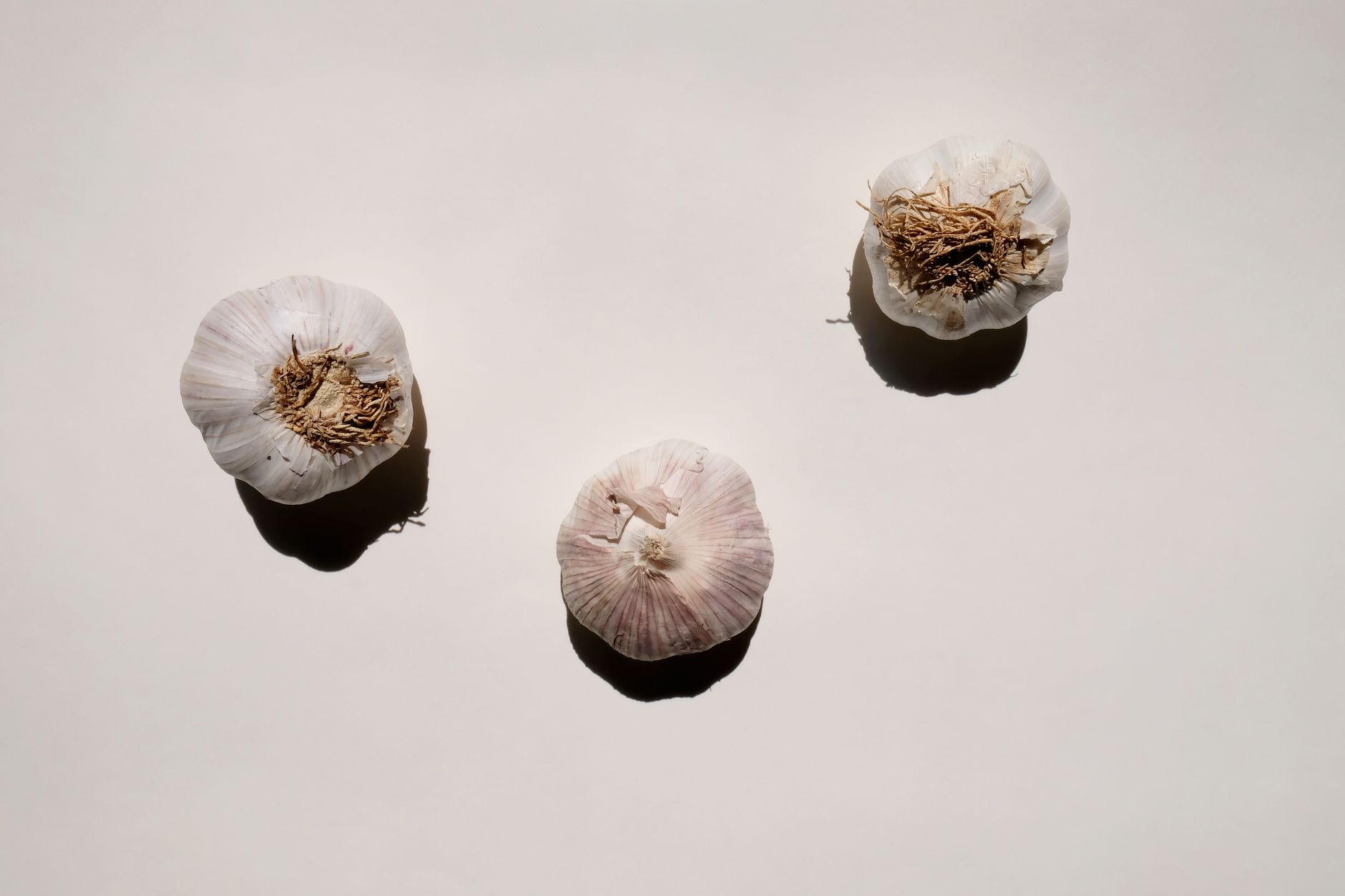
Hardneck garlic (Allium sativum var. ophioscorodon) produces a stiff central stalk called a scape. It grows best in colder climates and delivers bold, complex flavors. The cloves are larger but fewer per bulb, and the skin is thinner and harder to peel.
Softneck garlic (Allium sativum var. sativum) is the common supermarket staple. It has no central stalk, stores much longer, and yields many small cloves wrapped in tight, papery skins. The flavor is milder and more consistent.
Your choice between these two directly affects your final dish. A delicate cream sauce benefits from softneck‘s gentle sweetness. A fiery stir-fry or robust marinade demands hardneck‘s pungent punch.
Benefits and drawbacks of hardneck garlic
Hardneck garlic benefits include a richer, more nuanced taste that professional chefs often prefer. The scapes themselves are edible and add a mild garlicky crunch to salads or pesto.
However, peeling hardneck garlic requires technique. The cloves are irregularly shaped and cling tightly to their skin. Storage is also a challenge hardneck bulbs last only three to five months compared to softneck‘s eight to twelve months.
Uses and advantages of softneck garlic
Softneck garlic uses cover the widest range of everyday cooking. It works perfectly in soups, stews, roasts, and salad dressings. You can braid softneck bulbs for decorative kitchen storage, which also improves air circulation.
The easier peeling process saves time when you are prepping multiple cloves. Softneck garlic also handles long, slow cooking without turning bitter, making it ideal for braised dishes and confit preparations.
Mastering Garlic Preparation Techniques
How to peel garlic quickly and without hassle
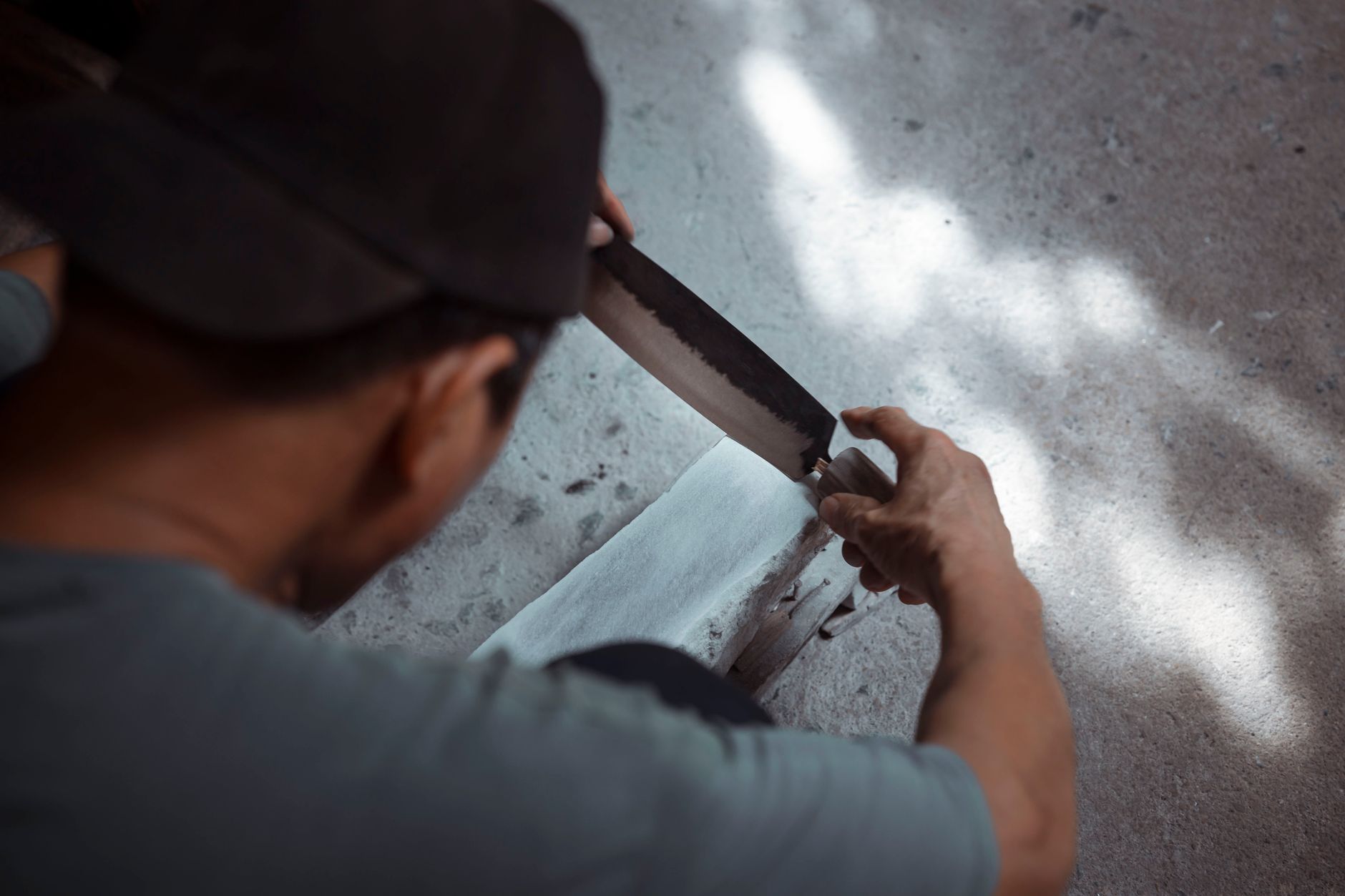
Peeling garlic does not have to test your patience. For softneck cloves, press down firmly with the flat side of a chef‘s knife until you hear a crack. The skin slides right off.
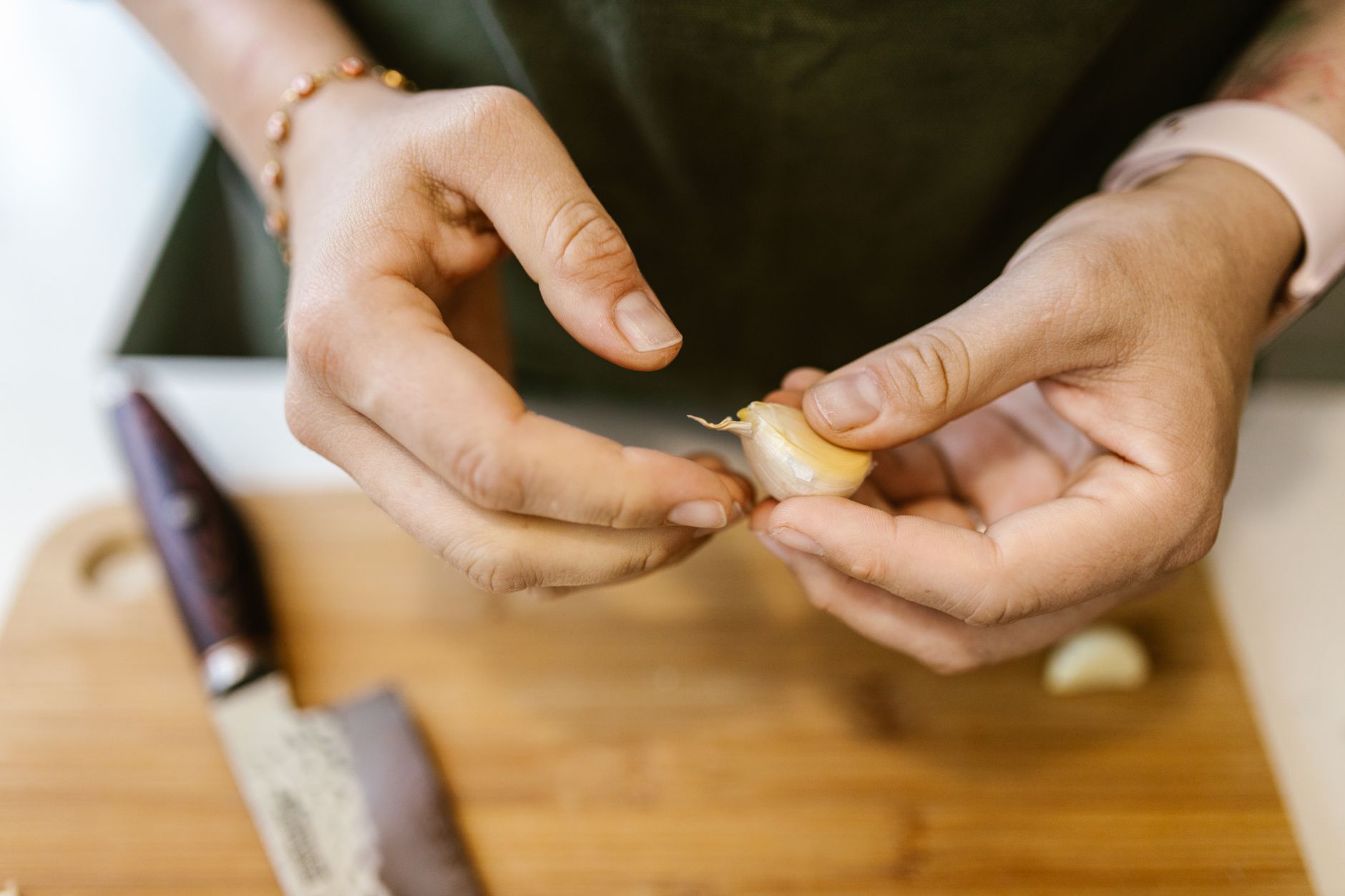
For hardneck cloves, try this trick: soak them in warm water for five minutes. The moisture loosens the skin enough to peel without crushing the clove. Alternatively, use a silicone garlic peeler tube roll it back and forth on the counter for ten seconds.
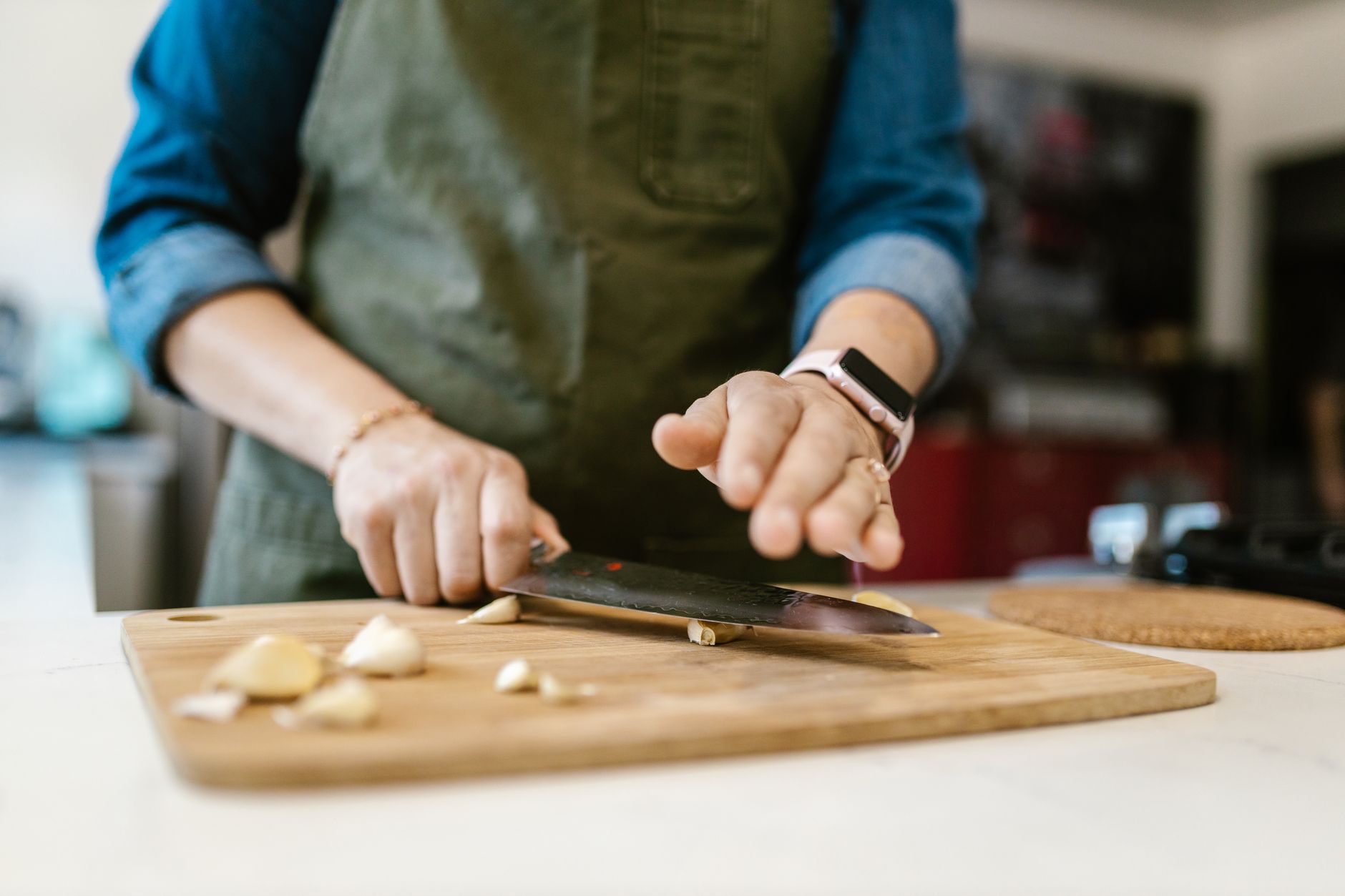
Avoid the mistake of cutting off the root end before peeling. That small hard base holds the clove together and makes skin removal harder. Trim it after peeling for cleaner results.
Storing garlic properly for freshness and flavor
How you store garlic directly impacts its shelf life and taste. Keep bulbs in a cool, dark, dry place with good air circulation a mesh bag or open basket works well. The ideal temperature is 12-15C (55-60F).
Never store garlic in the refrigerator. The cold, damp environment triggers sprouting and turns the texture rubbery. Also keep garlic away from direct sunlight, which accelerates spoilage and causes bitter flavor compounds to develop.
If you have peeled extra cloves, cover them with olive oil in a sealed jar and refrigerate for up to seven days. Make sure the cloves are fully submerged to prevent bacterial growth. For longer storage, freeze whole peeled cloves in a single layer on a baking sheet, then transfer to a freezer bag. Frozen garlic keeps for three to four months.
Cooking with Garlic: Flavor Management and Usage Tips
How garlic flavor differs between varieties in cooking
The flavor difference between hardneck and softneck garlic becomes obvious once heat is applied. Hardneck garlic releases allicin more aggressively, producing a hotter, more pungent taste raw. When roasted, it mellows into a creamy, almost buttery sweetness with subtle earthy notes.
Softneck garlic offers a gentler heat level raw, making it safer for uncooked applications like pesto or aioli. When sauted, it browns evenly and develops a nutty character without overwhelming the other ingredients.
Choose your garlic variety based on cooking method and desired intensity. A quick high-heat stir-fry benefits from hardneck‘s short but powerful flavor window. A slow braise or long simmer pairs better with softneck‘s steady, predictable profile.
Balancing garlic flavor: benefits and potential drawbacks
Garlic offers well-documented health benefits according to the USDA FoodData Central, one clove contains manganese, vitamin B6, and vitamin C. Regular consumption may support immune function and heart health.
But using too much garlic, especially raw hardneck varieties, can cause digestive discomfort or overpower a dish. Start with less than you think you need, taste as you go, and remember that garlic flavor intensifies after cooking rests for a few minutes.
A simple trick for balanced garlic flavor: add half your garlic at the beginning of cooking for a mellow background note, and the other half in the last two minutes for a fresh, pungent finish. This two-stage method works for both hardneck and softneck varieties.
Expert Insights and Real-World Experience
Chef and home cook tips for cooking with garlic
Professional chefs often reach for hardneck garlic when they want a bold, aromatic backbone in dishes like lamb marinades or garlic-heavy Middle Eastern preparations. Many recommend crushing hardneck cloves with the side of a knife and letting them sit for ten minutes before cooking this activates the enzyme alliinase and maximizes flavor.
Home cooks who prefer convenience stick with softneck garlic for weekly meal prep. One practical tip: buy softneck garlic in bulk during harvest season (July to September), braid the bulbs, and hang them in a cool pantry. You get a steady supply of fresh garlic for up to a year without worrying about spoilage.
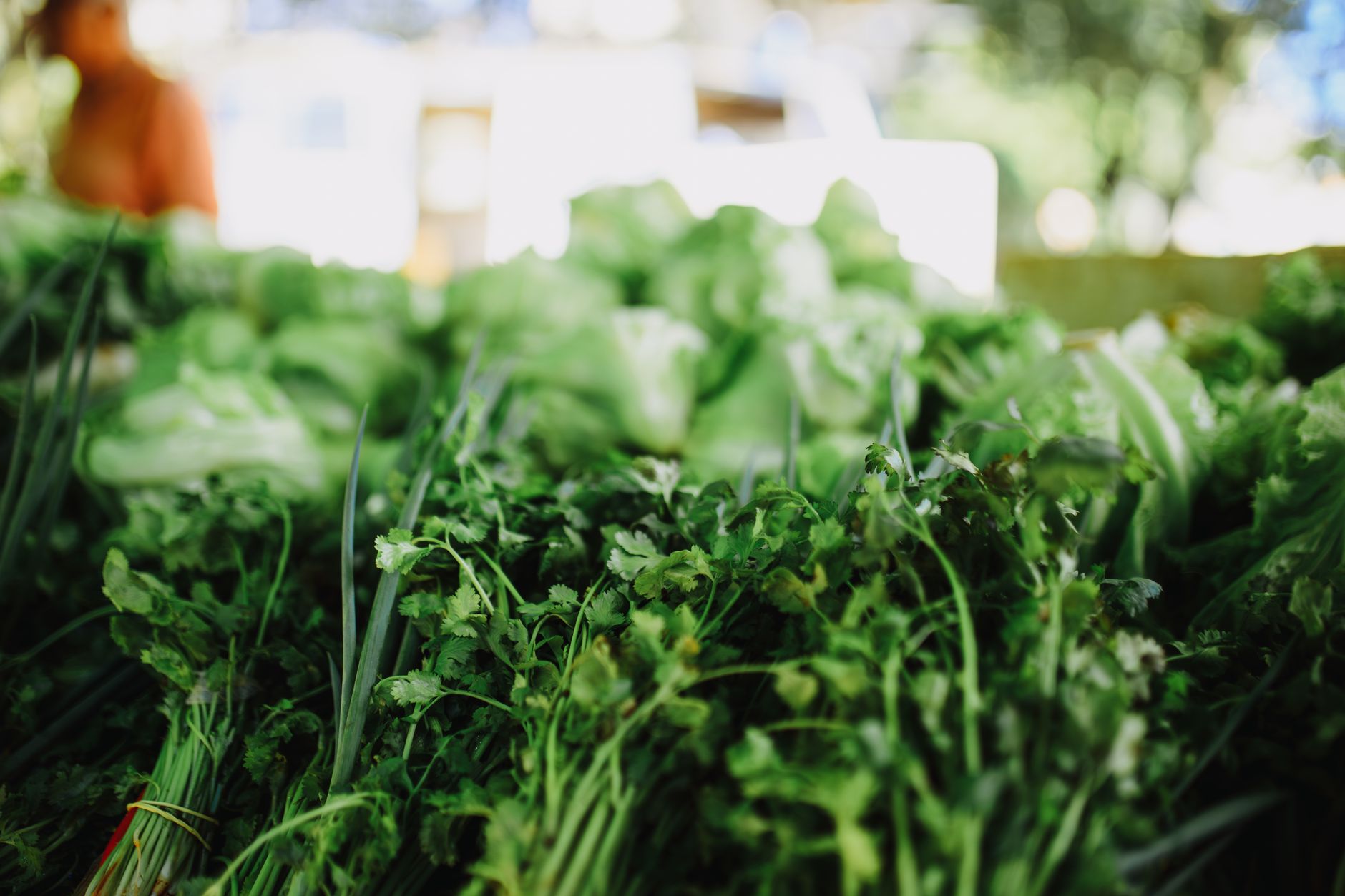
If you find yourself short on time and need a quick flavor fix, a dried cilantro substitute might help in a pinch, but nothing replaces real garlic for depth and complexity.
Common garlic mistakes and how to avoid them
Burning garlic is the most frequent error. Garlic turns bitter and acrid when it browns too quickly. Always cook garlic on medium-low heat and remove it from the pan just as it becomes fragrant usually within 30 to 60 seconds.
Using garlic from a jar is another shortcut that compromises flavor. Pre-minced garlic contains preservatives and lacks the fresh pungency of whole cloves. If you must save time, mince fresh garlic in bulk and freeze it in teaspoon-sized portions.
Storing garlic incorrectly ruins more bulbs than anything else. Keep your bulbs whole until you are ready to use them. Once a clove is separated from the bulb, its shelf life drops to about three days at room temperature.
Comparison Table: Hardneck vs Softneck Garlic
| Feature | Hardneck Garlic | Softneck Garlic |
|---|---|---|
| Flavor intensity | Bold, complex, pungent | Mild, consistent, sweet |
| Storage lifespan | 3-5 months | 8-12 months |
| Peeling difficulty | Harder, requires technique | Easier, skin peels quickly |
| Best cooking uses | Roasting, stir-fries, marinades | Soups, sauces, raw applications |
| Climate preference | Cold climates | Mild to warm climates |
| Availability | Seasonal, farmers markets | Year-round, supermarkets |
When is the best time to cook with garlic for maximum flavor?
The best time to cook with garlic depends on the dish and the effect you want. For raw applications like dressings or dips, add garlic right before serving to preserve its sharp bite. For cooked dishes that need deep, mellow flavor, add garlic early in the cooking process. A general rule: allow at least 10 minutes of gentle cooking to soften raw garlic‘s aggressive edge.
Does garlic lose its health benefits when cooked?
Yes, cooking reduces some of garlic‘s health-promoting compounds, particularly allicin, which is heat-sensitive. According to studies cited by the National Institutes of Health, crushing or chopping garlic and letting it rest for 10 minutes before cooking helps preserve more of its beneficial properties. Light cooking, such as brief sauting, retains more nutrients than prolonged boiling or roasting.
Can I substitute one garlic variety for another in recipes?
You can substitute hardneck and softneck garlic for each other in most recipes, but adjust the quantity. Hardneck garlic is stronger, so use roughly two-thirds the amount called for if your recipe specifies softneck. Conversely, if a recipe asks for hardneck and you only have softneck, increase the amount by about one-third to achieve similar pungency.
Is garlic safe to eat raw?
Yes, raw garlic is safe to eat and offers the most potent health benefits. Many cuisines use raw garlic in dips, salsas, and dressings. However, raw garlic can irritate the digestive tract in sensitive individuals or those eating it on an empty stomach. If you are new to raw garlic, start with half a clove and increase gradually.
What causes garlic to turn green or blue when cooking?
Garlic sometimes turns green or blue during cooking, especially when combined with acidic ingredients like vinegar or lemon juice. This color change is harmless. It occurs when sulfur compounds in the garlic react with copper or iron in the cooking water or pan. The phenomenon is more common with hardneck garlic varieties and does not affect taste.
How do I know if garlic has gone bad?
Fresh garlic feels firm to the touch and has dry, papery skin. Signs of spoilage include soft or mushy cloves, visible mold, green sprouts emerging from the top, and an off or fermented odor. Sprouted garlic is still safe to eat but tastes bitter and less pungent. Discard any clove that shows dark spots or feels slimy.
What is the most overlooked garlic storage rule?
The most overlooked rule is never storing garlic near onions. Onions release moisture and ethylene gas that accelerate garlic sprouting and spoilage. Keep garlic in a separate basket or mesh bag, ideally in a pantry away from potatoes and onions. If you frequently shop for pantry staples, check Trader joe‘s delivery options for convenient sourcing of fresh garlic and other essentials.
Pro Tips for Cooking with Garlic
One technique that separates good cooks from great ones: bloom your garlic in oil before adding other ingredients. Heat two tablespoons of olive oil in a pan over medium-low heat, add minced garlic, and cook for exactly 45 seconds until fragrant but not colored. This step mellows the harsh raw edge and infuses the oil with deep garlic flavor.
Another common error is smashing garlic too aggressively. A gentle crush with the flat of your knife releases just enough oil to flavor a dish. Over-crushing produces a paste that burns quickly in the pan. Reserve the paste for raw applications only.
For an expert upgrade, reserve garlic-infused oil after cooking. Strain it through a fine mesh sieve and store it in the refrigerator for up to one week. Use it to finish pasta, drizzle over roasted vegetables, or brush onto bread for instant garlic toast without starting from scratch.
More You Might Like
Interested in other pantry staples that make a difference in your cooking? Check out our guide on selecting and storing fresh herbs to complement your garlic dishes. You might also enjoy learning about the best oil choices for sauting garlic to achieve perfect results every time.
Conclusion
Cooking with garlic should never feel like a gamble. Now that you understand the differences between hardneck and softneck varieties, you can choose the right bulb for every dish and prepare it with confidence. Pay attention to storage temperature, peeling methods, and heat levels, and your garlic will reward you with consistent, delicious flavor every time. Next time you shop, pick a bulb with intention your taste buds will thank you.
FAQs
Is cooking with garlic actually Halal — what should I check on the label?
Garlic itself is a natural plant and is halal. However, if you buy pre-minced garlic or garlic products, check the label for non-halal additives such as alcohol-based preservatives or non-halal gelatin. Fresh whole garlic bulbs are always halal.
How long does garlic last after being peeled or opened?
Peeled or chopped garlic stored in oil in the refrigerator lasts up to 7 days. Frozen whole peeled garlic keeps for 3-4 months. For maximum shelf life, keep whole bulbs in a cool, dry place for 8-12 months (softneck) or 3-5 months (hardneck).
What is the difference between hardneck and softneck garlic in cooking?
Hardneck garlic has larger cloves, a stronger pungent flavor, and shorter storage life (3-5 months). Softneck garlic has smaller cloves, milder flavor, and stores for 8-12 months. Hardneck is best for roasting and stir-fries; softneck for soups and raw uses.
Is it safe to eat garlic every day?
Yes, eating garlic daily in moderate amounts is safe for most people. It provides health benefits like supporting immune function and heart health. However, raw garlic may cause digestive discomfort in sensitive individuals. Start with one clove per day.
Where can I buy quality garlic?
You can buy quality garlic at farmers markets during harvest season (hardneck) or year-round at supermarkets (softneck). For online purchases, check specialty spice stores or halal grocery websites. Look for firm bulbs with dry papery skin and no sprouts.