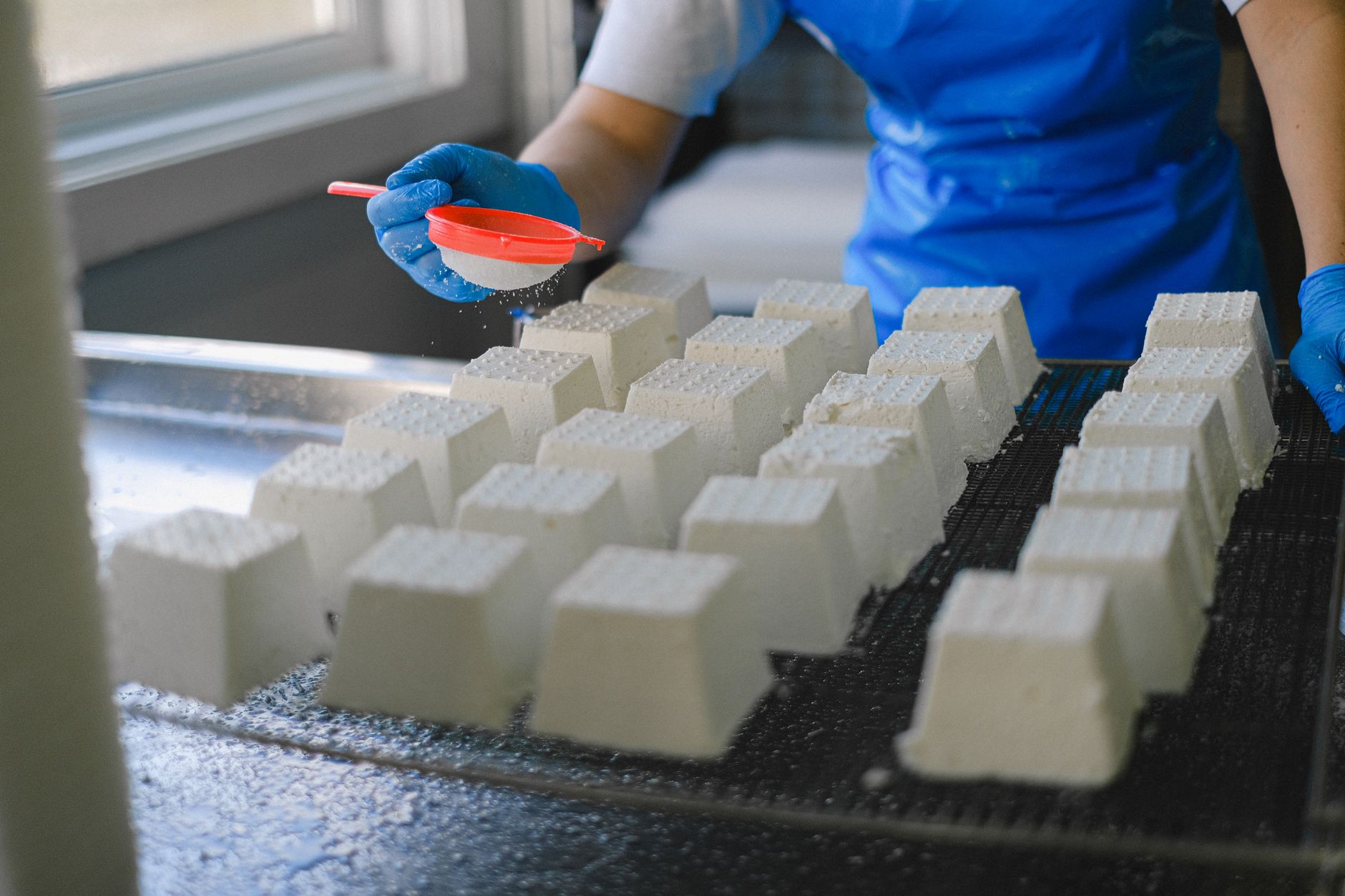
Softening cream cheese is a kitchen essential that unlocks creamy textures and smooth blends in your cooking. Cold, stiff cream cheese can be frustrating when you need it to mix well into frostings, dips, or sauces. But dont worry with a few simple tricks, you can soften cream cheese quickly and safely, making your baking and cooking much easier.
Why Soften Cream Cheese?
Cream cheese straight from the fridge is firm and cold, which usually means it wont combine well with other ingredients. Softened cream cheese spreads easily and blends smoothly, creating velvety textures in recipes.
When cream cheese isnt softened, it tends to clump or cause uneven texture in dishes like cheesecake, frosting, or creamy dips. This can affect both the appearance and taste of your final product.
What Happens if You Dont Soften Cream Cheese?
Using cold cream cheese can lead to lumpy batters, streaks in frostings, and a difficult mixing process. This often results in uneven baking or undesired texture. Many home cooks get frustrated trying to whisk cold block cheese, leading to wasted ingredients or subpar results.
Is It Safe to Soften Cream Cheese Quickly?
Softening cream cheese quickly is possible, but food safety matters. Cream cheese is perishable and can harbor bacteria if left at room temperature too long. The USDA FoodData Central recommends not leaving dairy products out more than two hours. Microwaving can speed softening but risks overheating and texture mishaps. Controlled methods are safest for maintaining cream cheese quality and safety.
Method 1 Room Temperature Softening
The easiest and most reliable way to soften cream cheese is by letting it warm naturally on your counter. This method keeps the texture creamy and fresh without risk of overheating.
How Long Does It Take to Soften at Room Temperature?
A typical 8-ounce block takes about 30 to 60 minutes to soften at room temperature, depending on the size and how cool your kitchen is. In warmer rooms, times shorten; in cooler spaces, it may take closer to an hour.
Cream Cheese Tips to Speed Up the Process Safely
- Cut the block into smaller cubes or slices to increase surface area for faster softening.
- Cover the cream cheese with a clean cloth or cling wrap to keep it hygienic while it warms.
- Avoid leaving cream cheese out longer than 2 hours to prevent bacterial growth.
Cutting into cubes speeds softening, making this technique a gentle shortcut to balanced texture.
Method 2 Cubing Cream Cheese
Cutting cream cheese into small cubes is perfect when youre short on time. Cubes soften faster because heat reaches more of the cream cheese surface.
How to Cube Cream Cheese Without Making a Mess
Start by removing the cream cheese block from its packaging but keep it on a clean board. Using a sharp knife, slice the block into 1-inch cubes. Try to keep cubes the same size so they soften evenly. Handle cubes gently to avoid squishing.
Best Practices for Cubing and Storing Cream Cheese Before Use
- Place cubes in a single layer on a plate or shallow dish to thaw evenly.
- Let cubes sit at room temperature for 15 to 20 minutes, checking softness every 5 minutes.
- If not using immediately, cover cubes and keep them refrigerated use within 5 days for best taste.
This method is especially useful when you need softened cream cheese ready for fast mixing in frostings or dips.
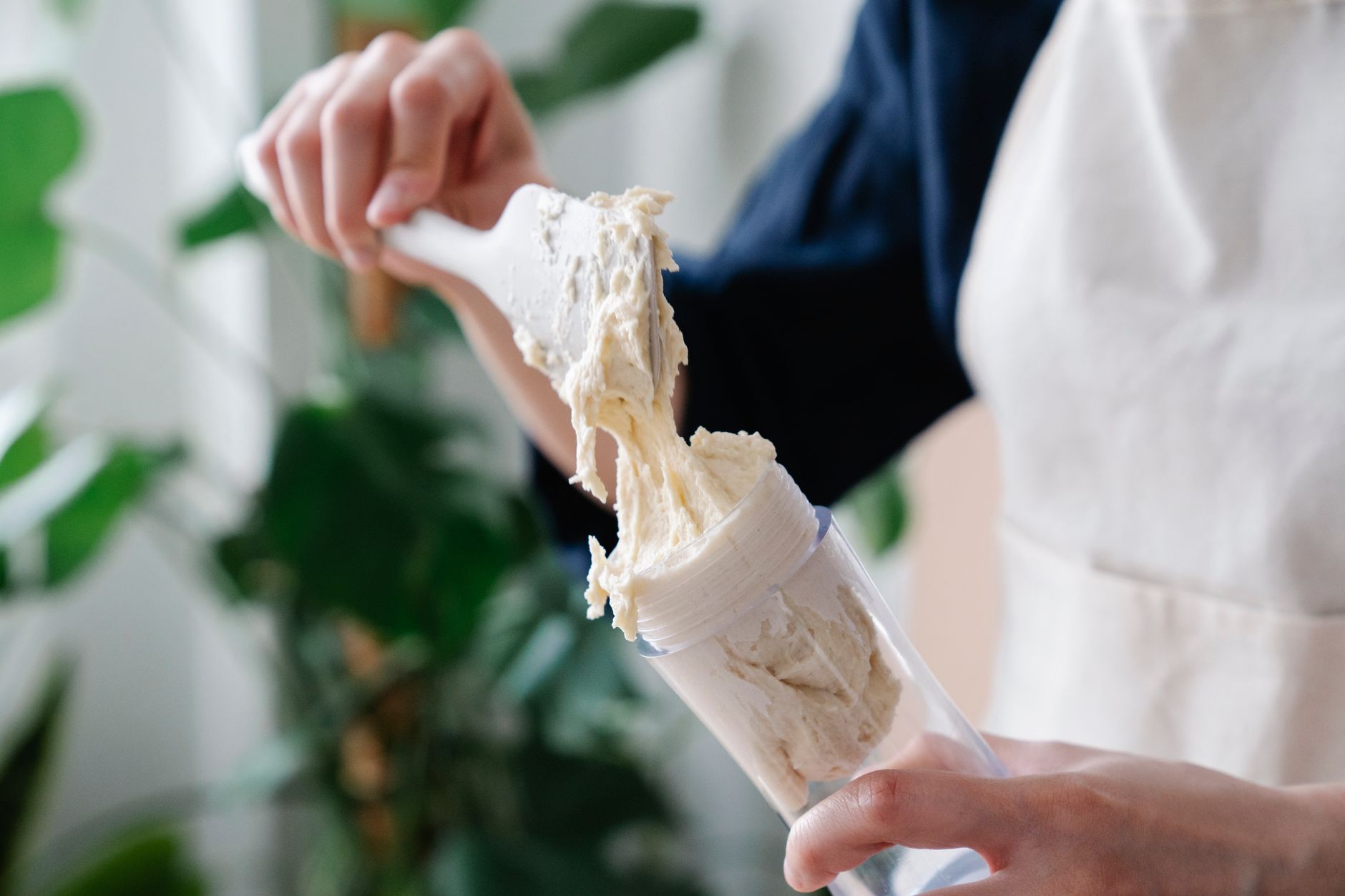
Method 3 Using Warm Water Bath
The warm water bath method softens cream cheese quickly without overheating or risking food safety. Its controlled and effective, ideal when you need softness fast while preserving texture.
How to Soften Cream Cheese Using a Warm Water Bath
- Keep the cream cheese block sealed in its original foil or plastic wrapper.
- Fill a bowl or sink with warmnot hotwater (around 90F to 110F / 32C to 43C).
- Place the sealed package in the warm water for 10 to 15 minutes, turning once halfway through.
- Check softness by gently pressing the package; avoid opening until softened.
- Remove and dry before unwrapping to prevent water contamination.
Caution: Avoiding Water Contamination and Over-softening
Make sure the packaging is intact to stop water from seeping in. Never open the cream cheese in water. Over-softening may cause wateriness or separation, which can affect recipe outcomes. If the texture feels too runny, chill briefly to stabilize before use.
Bonus Tips for Cream Cheese Preparation and Storage
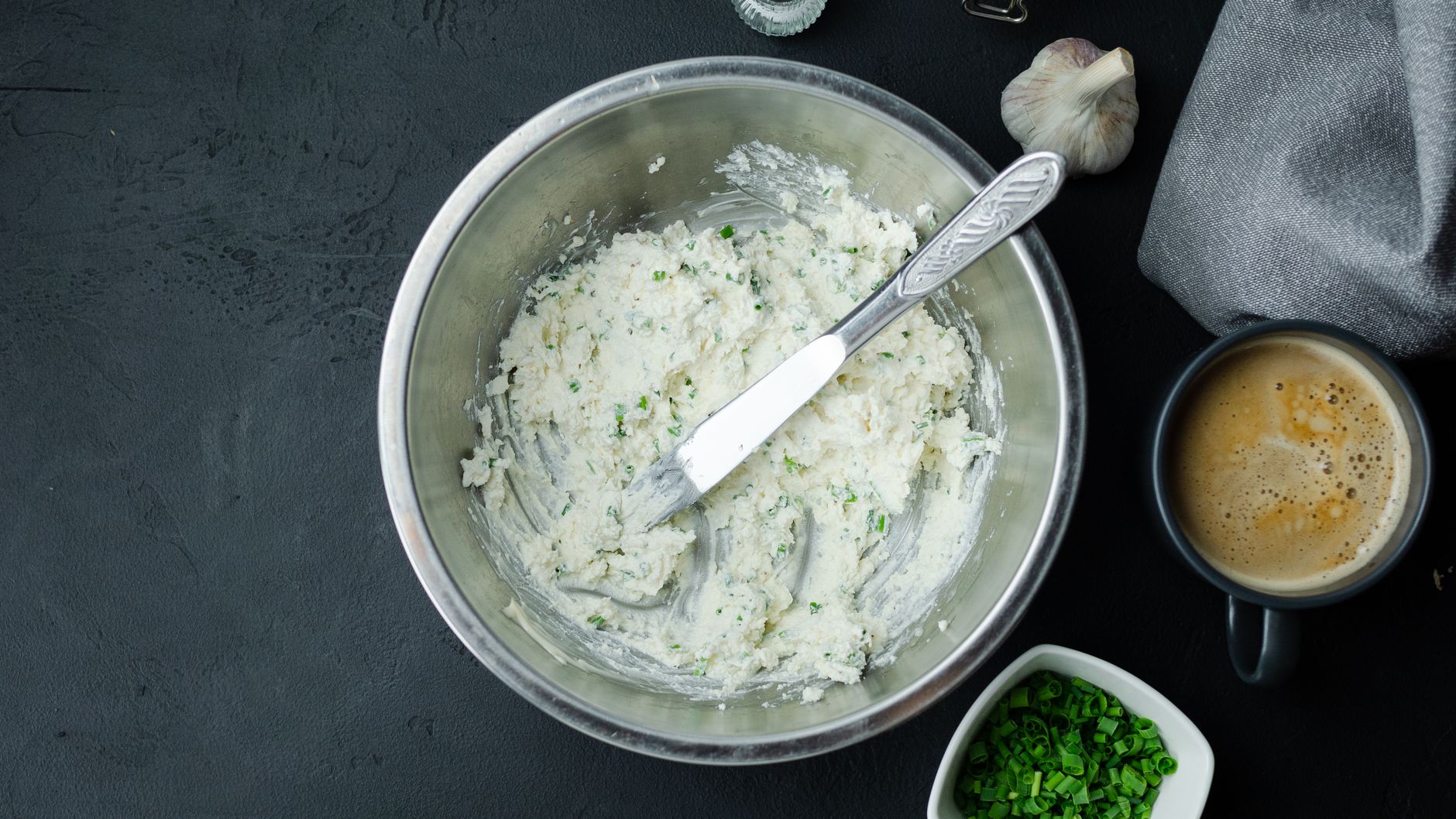
Softened cream cheese is a versatile ingredient, but preparation varies by recipe. For baking, ensure even softness to avoid lumps in batters. For frosting, whip softened cream cheese with butter for a rich, airy texture. When making dips, combine softened cream cheese gradually with liquids to maintain creaminess.
Storage is key: unopened cream cheese keeps for about 3 weeks refrigerated. Once opened and softened, store in an airtight container and use within 5 to 7 days for freshness and safety.
How to Soften Block Cheese Variations
Flavored or low-fat cream cheese block varieties may soften slightly differently due to additives or moisture content. Reduce softening time slightly for flavored varieties, as they tend to be more delicate. Low-fat versions may require gentle warming techniques to prevent graininess. Adjust room temperature or water bath times accordingly for best results.
Common Mistakes to Avoid When Softening Cream Cheese
- Overheating in the Microwave: Rapid heating can cause uneven softening and a watery texture. Microwave on low power in short bursts if necessary.
- Leaving Out Too Long: Beyond 2 hours at room temperature risks bacterial growth and spoilage.
- Using Dull Knives: Blunt knives squish the cream cheese, making it messier and harder to soften evenly.
- Ignoring Packaging: Removing cream cheese too early during warm water baths may cause sogginess or contamination.
Adhering to these tips can preserve the taste, texture, and safety of your cream cheese creations.

Is soften cream cheese actually Halal what should I check?
For halal consumers, its critical to verify cream cheese carries Halal certification from trusted bodies like JAKIM, HMC, or IFANCA. Look for official logos on the packaging. Ingredients should exclude animal rennet or alcohol-based additives. Some cream cheese brands specify halal on labels for clear identification.
When is the best time to eat/drink cream cheese?
Cream cheese is best consumed soon after softening and mixing with other ingredients to enjoy its creamy, fresh taste. It pairs perfectly in meals as a spread, dessert base, or incorporated into dishes that require gentle cooking or no heating.
Can I freeze cream cheese after softening?
Freezing softened cream cheese is possible, but expect some textural changes. Softened cheese may become crumbly or watery when thawed. For best quality, freeze unopened blocks and thaw using these softening methods. Learn more about how to Freeze cream cheese properly.
How do I avoid lumps when mixing cream cheese?
Always soften cream cheese fully before mixing with liquids or powders. Use a hand mixer or whisk to break down lumps gradually. Adding softened butter can also improve smoothness when making frostings.
Is low-fat cream cheese better for health?
Low-fat cream cheese contains fewer calories and less saturated fat but may have additives that change texture and flavor. Halal low-fat options vary by brand. Check certificates and ingredient lists for a clean label.
What should I do if cream cheese smells sour?
A sour smell indicates spoilage. Do not use cream cheese if it smells off, has mold, or an unusual texture. Proper refrigeration and adherence to expiry dates will prevent spoilage.
Can I use soften cream cheese in hot recipes?
Yes, soft cream cheese works well in hot dishes like creamy pasta or baked casseroles. Add it slowly to hot mixtures to prevent curdling. Maintain moderate temperatures to keep smooth textures.
Pro Tips for Perfect Cream Cheese Softening
- One common mistake is rushing the softening with high heat; slow, controlled methods keep cream cheese creamy and safe.
- Experts recommend slicing the cheese block into smaller pieces before warming to prevent uneven texture.
- Always check for Halal certification logos during shopping certified brands ensure no prohibited ingredients or processes.
- If using cream cheese for frosting, whip your soft cheese with room temperature butter and powdered sugar for an airy, rich consistency.
More You Might Like
If you enjoy creamy dessert tips, discover the delightful texture combination in Moose tracks ice cream, another luxurious dairy treat. Or learn how to master the best ways to Freeze cream cheese for longer storage and versatility.
Conclusion
Softening cream cheese need not be a hassle. Choose from room temperature softening, cubing, or a warm water bath to prepare your cream cheese just right. Each method balances convenience with texture finesse and food safety. Next time you shop, check for reliable Halal certification on the label and try these easy techniques to elevate your recipes. Dont hesitate to share your softening tips and questions with us!
FAQs
Is soften cream cheese actually Halal — what should I check on the label?
To ensure cream cheese is Halal, look for certification logos from trusted bodies like JAKIM, HMC, or IFANCA on the packaging. Also, check that the ingredients exclude animal rennet and alcohol-based additives. Some brands explicitly label their cream cheese as Halal for easy identification.
When is the best time to eat or drink soften cream cheese?
Softened cream cheese is best enjoyed soon after softening and mixing, to maintain its creamy, fresh taste. It works well as a spread, dessert base, or in dishes that require gentle cooking or no heat.
How long does softened cream cheese last after opening?
Once opened and softened, store cream cheese in an airtight container in the refrigerator. Use it within 5 to 7 days to ensure freshness and prevent spoilage.
What is the difference between cream cheese and other soft cheeses when softening?
Cream cheese has a dense, smooth texture that needs gentle softening methods to avoid graininess, unlike softer cheeses like ricotta or mascarpone which soften more quickly. Cream cheese often requires room temperature or controlled warming for best blending.
Where can I buy good quality cream cheese for softening?
Good quality cream cheese can be found at most supermarkets, specialty grocery stores, and halal markets. Look for fresh products with clear labeling, including halal certification if needed, and check the expiration dates for the best softness and taste.