Theres something truly satisfying about a glass of fresh homemade apple juice. Its rich, naturally sweet, and free from preservatives or added sugars. Making homemade apple juice lets you enjoy the authentic flavor of carefully chosen apples while controlling every detail of the process. Whether you have a juicer or not, this guide will show you how to turn crisp apples into refreshing juice right in your kitchen.
Benefits of Homemade Apple Juice
Why Choose Homemade Apple Juice?
Homemade apple juice offers clear advantages compared to store-bought brands. With fresh juice, you get more nutrients intactvitamins like vitamin C and antioxidants, for examplebecause its less processed. Unlike commercial juices, homemade versions dont contain added sugars, artificial colors, or preservatives, which supports a cleaner, more natural diet.
Are There Risks to Homemade Juice?
Fresh apple juice spoils faster than pasteurized varieties, usually lasting 5 to 7 days refrigerated in airtight containers. Theres also a small risk of fermentation if juice is left out too long or stored improperly. Observing food safety practicescleaning fruit thoroughly and keeping juice refrigeratedhelps ensure your drink stays fresh and safe.
Ingredients for Fresh Apple Juice
Which Apples Work Best for Juice?
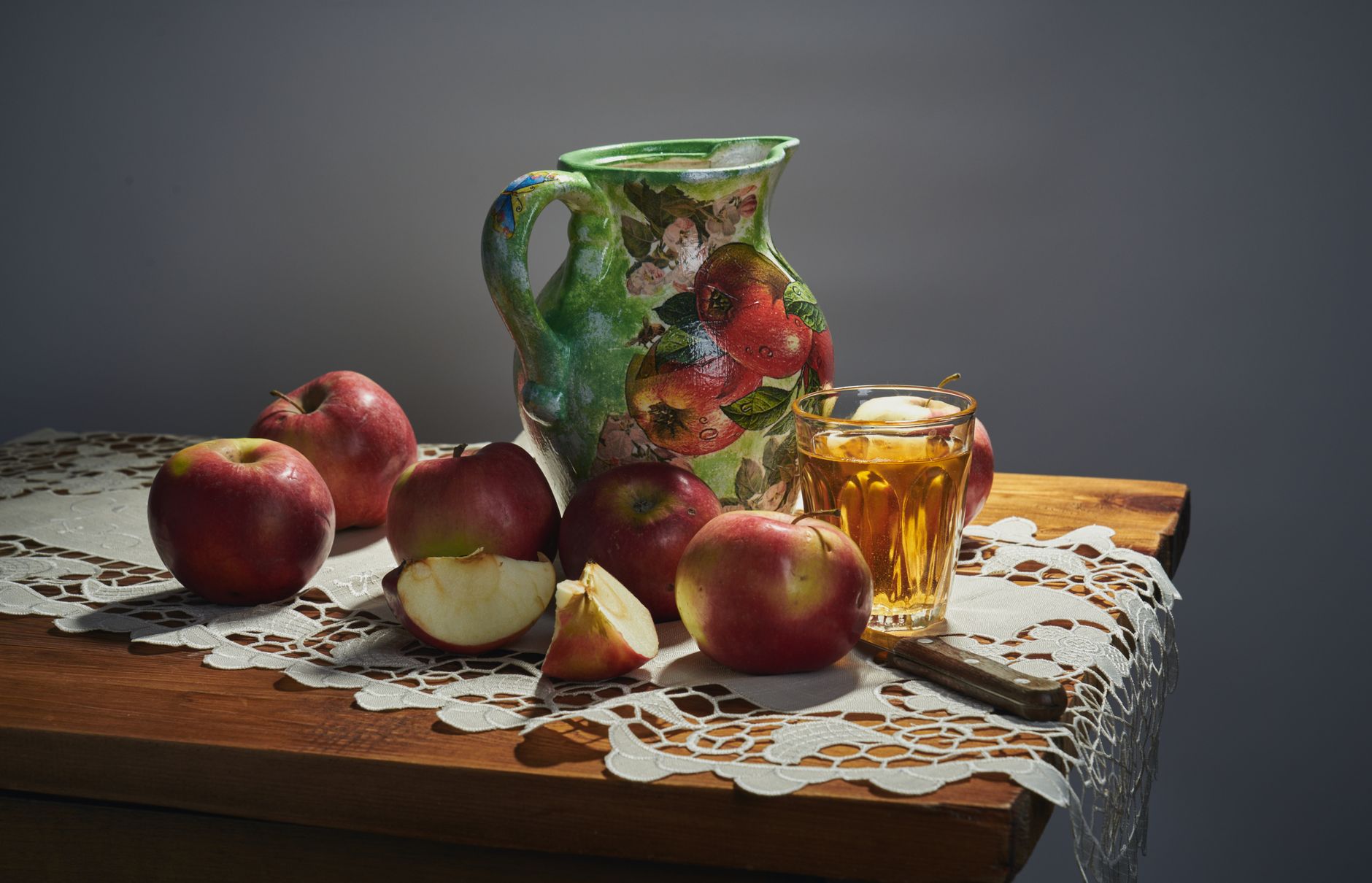
Choosing the right apples affects both the flavor and color of your juice. Sweet apples like Fuji or Gala produce smoother, mellower juice, while tart varieties such as Granny Smith add brightness and tang. For a well-balanced blend, mixing sweet and tart apples gives a complex, vibrant taste.
For health-conscious consumers, organic apples are preferable to avoid pesticide residues, but conventional apples work fine with thorough washing.
Other Ingredients Youll Need
- Water: To adjust consistency depending on juicing method.
- Lemon juice: Adds acidity to brighten flavor and extend shelf life.
- Natural sweeteners (optional): Such as honey or date syrup, to taste.
Flavor Enhancers to Try
To liven up your juice, experiment with cinnamon sticks, fresh ginger, or a sprig of mint during extraction. These add warmth and depth without artificial additives.
Try blending apple juice with carrot or beet for a nutrient boost and richer color. For natural sweetening, honey or maple syrup works well, especially for those watching added sugar intake.
Step-by-Step Apple Juice Recipe
| Prep time | Cook time | Total time | Servings | Calories | Diet tags |
|---|---|---|---|---|---|
| 15 minutes | 15 minutes | 30 minutes | 4 cups | 110 per cup | Halal, Gluten-Free, Dairy-Free |
Preparing Apples
Wash 6 medium apples thoroughly under running water to remove dirt and possible residues. Remove any bruises or spots. Chop into quarters including cores and peelsthey add fiber and nutrients. Cutting smaller pieces helps blend or boil faster.
Extracting Juice Without a Juicer
Use one of these two simple methods:
- Boiling and Mashing: Place chopped apples in a large pot with 2 cups of water. Cover and simmer on medium heat for 15 minutes until apples are soft. Mash gently with a potato masher to release more juice.
- Blending and Straining: Put softened apples and cooking water into a blender. Blend for 1 minute on high speed until smooth.
Straining Your Juice
Pour the blended mixture through a double layer of cheesecloth or a nut milk bag into a bowl. Gather the cloth edges and twist to squeeze out maximum juice. Alternatively, use a fine mesh strainer and press with a spoon.
You should get about 4 cups of fresh apple juice from this batch.

Storing and Serving
Transfer juice to a clean glass bottle or jar with a tight lid. Chill in the refrigerator immediately. Homemade apple juice stays fresh for 5 to 7 days, but always smell and inspect before drinking.
Before serving, stir gently and add freshly squeezed lemon juice (about 1 tablespoon per 4 cups) to brighten flavor and delay oxidation.
Flavor Infusion Ideas
Adding Spices and Herbs
While heating apples, toss in a cinnamon stick or a few thin slices of fresh ginger. Let them steep for 5 minutes before straining for subtle seasonal warming tones that pair well with the natural apple sweetness.
Mixing Other Fruits and Veggies
Add 1 medium peeled carrot or a small beet during boiling for an extra nutrition and vibrant color. Orange or lemon zest can enhance freshness without extra sugar.
Sweetening Naturally
If your juice tastes too tart, add 12 teaspoons of honey or pure maple syrup per 4 cups. These natural sweeteners complement the apple flavor and respect halal dietary guidelines.
Troubleshooting Apple Juice
Why Is My Juice Bitter or Tart?
Bitterness can come from apple seeds or too many tart apple varieties. Avoid including seeds when chopping. If juice is too sour, add a natural sweetener or mix in sweeter apple varieties next time.
How to Avoid Cloudy Juice?
Cloudiness results from pulp and fine solids. Strain carefully through multiple layers of cheesecloth or a nut milk bag. Allowing juice to settle in the fridge for a few hours lets sediment separate naturally.
What If Juice Ferments Unintentionally?
If your juice smells alcoholic or fizzy, its likely fermenting from natural sugars. This is normal if left unrefrigerated but unsafe to drink raw. Always refrigerate immediately after preparation and consume within a week.

When is the best time to drink homemade apple juice?
Morning or early afternoon is ideal for homemade apple juice. It provides a natural energy boost and pairs well with breakfast or light snacks. Avoid drinking it late at night to prevent excess sugar intake before sleep.
Is homemade apple juice suitable for a halal diet?
Yes, homemade apple juice is naturally halal if all ingredients comply with halal standards. Use halal-certified honey or sweeteners when adding extras. Look for certification logos like JAKIM or HMC when buying bottled supplements or additives.
Can I use a blender instead of a juicer for apples?
Absolutely. A blender combined with proper straining works well for fresh homemade apple juice. It extracts nutrients and fiber without the need for specialized juicing equipment.
How long can homemade apple juice be stored?
Stored in airtight glass containers in the refrigerator, homemade apple juice lasts up to 7 days. For best flavor and nutrition, consume within 3 to 5 days.
What is the nutritional content of fresh apple juice?
According to the USDA FoodData Central, 1 cup (240 ml) of fresh apple juice provides about 110 calories, 28 grams of natural sugars, vitamin C, potassium, and small amounts of vitamin A and antioxidants.
Can I make homemade apple juice in bulk?
Yes, you can prepare larger batches following the same steps. Just ensure proper refrigeration and use sterilized containers to maintain freshness. Consider freezing portions for longer storage.
Pro Tips for the Best Juice
- Balance Sweet and Tart: Mix apple types to match your taste. Start with 3 sweet and 3 tart apples for a crowd-pleaser.
- Include Peels and Cores Carefully: Peels add flavor and nutrients but avoid seeds as they contain bitterness and trace toxins.
- Fresh Lemon Juice Post-Straining: Add lemon after juicing to enhance flavor and slow oxidation gently.
- Use High-Quality Organic Ingredients: This reduces pesticide exposure and ensures cleaner flavor, especially if youre consuming juice regularly.
If you want cocktail ideas, pairing your apple juice in Classic martinis recipes can create fresh, halal-friendly beverages. Also, if youre curious about serving sizes, see our guide on Starbucks drink sizes to understand portion control better.
More You Might Like
Discover some classic halal-friendly recipes featuring fresh fruit juices to enhance your healthy lifestyle.
Enjoy exploring more natural homemade beverages to diversify your daily routine and satisfy your taste buds.
Conclusion
Making homemade apple juice is simple, nutritious, and rewarding. You control the ingredients and flavors, ensuring a fresh, clean drink without preservatives. Whether you own a juicer or not, this recipe lets you enjoy sweet, wholesome apple juice anytime. Try it today and feel free to share your favorite flavor twists or tips in the comments below.
FAQs
When is the best time to eat or drink homemade apple juice?
Morning or early afternoon is ideal for homemade apple juice. It provides a natural energy boost and pairs well with breakfast or light snacks. Avoid drinking it late at night to prevent excess sugar intake before sleep.
How long can homemade apple juice be stored?
Homemade apple juice lasts 5 to 7 days refrigerated in airtight containers. For best flavor and safety, consume it within 3 to 5 days and always keep it chilled.
What is the difference between homemade apple juice and store-bought juice?
Homemade apple juice contains no preservatives, added sugars, or artificial colors, preserving more vitamins and antioxidants, while store-bought juices are often pasteurized and may include additives.
Is homemade apple juice safe to drink daily?
Yes, homemade apple juice is safe for daily consumption if made with clean, fresh apples and stored properly in the refrigerator to prevent spoilage or fermentation.
Where can I buy the best apples for making homemade apple juice?
Buy fresh, preferably organic apples from local farmers markets, grocery stores, or fruit stands. Choose a mix of sweet and tart varieties for balanced flavor in your juice.