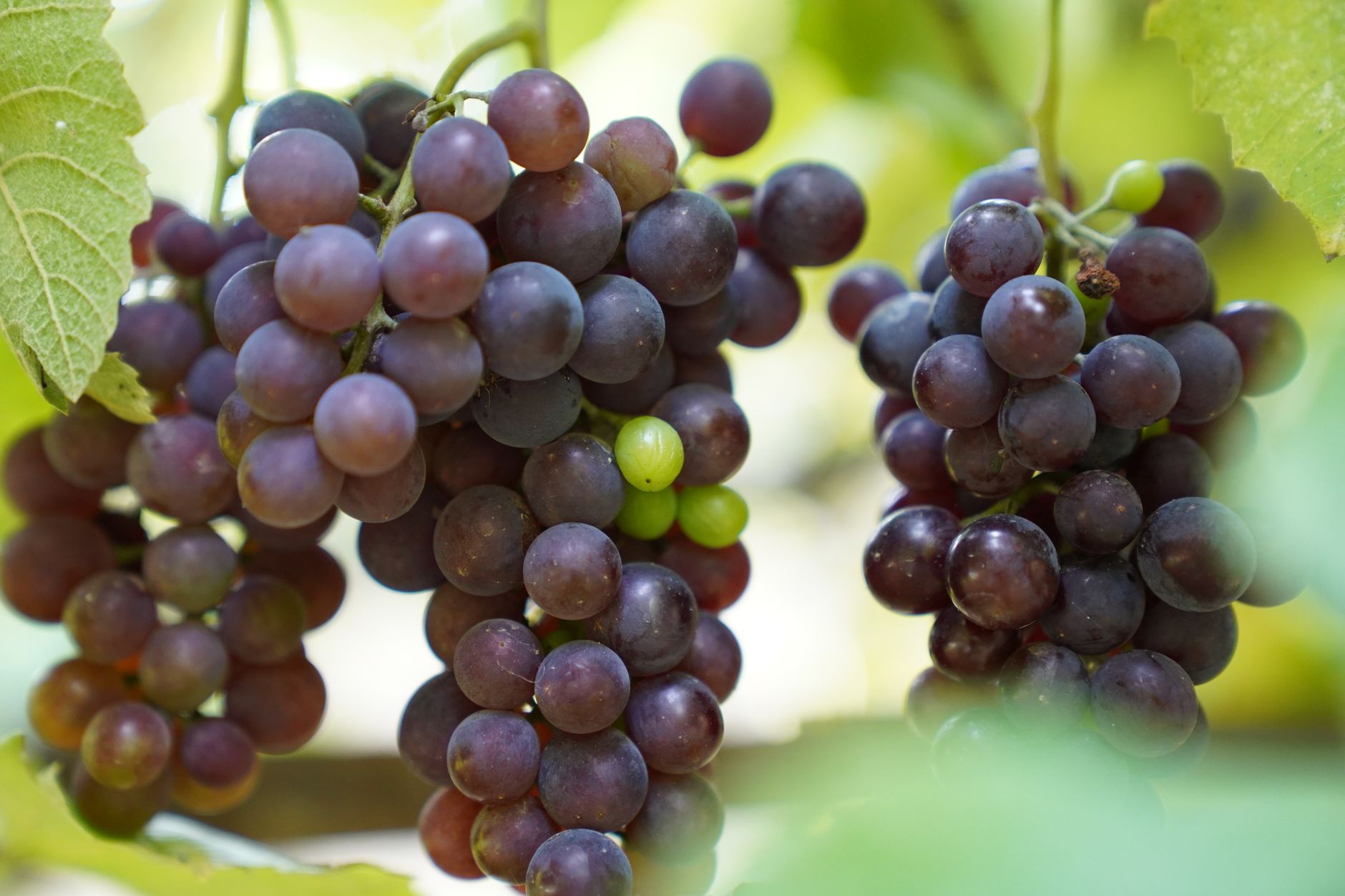
Grapes are a delicious and refreshing snack, but knowing how to store grapes properly can make all the difference in keeping them fresh and crisp for weeks. Improper storage leaves them mushy, moldy, or flavorless faster than you want. Thankfully, with a few simple steps mainly centered around the fridge, its easy to keep grapes tasting their best for longer.
Why Storage Matters
Grapes are delicate fruits that continue to respire and lose moisture after harvest. Their thin skins make them vulnerable to drying out, mold growth, and spoilage. Temperature, humidity, and handling all affect their longevity. Understanding why proper storage works helps you avoid common mistakes and extend their shelf life.
What Happens if You Store Grapes at Room Temperature?
Leaving grapes at room temperature causes them to ripen faster. Their respiration rate speeds up, leading to quicker moisture loss and softening. Warm, humid air encourages mold and bacterial growth, especially on damaged skins. This explains why grapes left out on kitchen counters tend to spoil within 12 days.
Avoid storing grapes in direct sunlight or hot spots. For example, near ovens or windows with afternoon sun. This environment accelerates decay and reduces the fruits shelf life drastically.
How Does Refrigeration Extend Grape Freshness?
Refrigeration slows down grape metabolism and microbial activity. The USDA recommends storing grapes between 04C (3239F) for optimal freshness. Cold temperatures delay ripening and soften the skin, reducing spoilage. The controlled environment also slows mold growth that typically ruins grapes quickly.
Refrigerators maintain humidity levels that prevent grapes from drying out if stored correctly. Proper ventilation is important to ensure air circulation and avoid condensation, which can encourage mold.
Real-World Experience
Many people notice grapes last about a week or more refrigerated versus just a day or two at room temperature. Keeping grapes in a breathable container inside the fridges crisper drawer usually extends their freshness 23 times longer. A simple fridge storage routine saves you from wasting spoiled fruit daily.

Step-by-Step Fridge Storage Guide
Should You Wash Grapes Before Storing?
Washing grapes before storing creates excess moisture that encourages mold growth. Best practice is to store grapes unwashed and rinse them right before eating. Moisture on grape skins acts like a breeding ground for bacteria and mold spores in the fridge.
If you prefer washing first, dry grapes thoroughly with paper towels. Otherwise, store them dry and wash under running water only when ready to enjoy. This simple habit prolongs grape shelf life by 35 days.
Using the Right Container for Grape Storage
Choosing proper storage containers impacts how long grapes stay fresh. Avoid airtight containers or sealed plastic bagsthey trap moisture and accelerate spoilage. Instead, use breathable containers or perforated plastic bags that allow air circulation.
Store grapes loosely spread out or on their stems rather than piling them up. This reduces bruising and prevents the fruit at the bottom from rotting. Some people prefer open baskets or reusable produce bags with ventilation holes, which work well too.
Best Spots in the Fridge to Store Grapes
The crisper drawer of your fridge is designed to keep produce fresh by balancing humidity and airflow. Keeping grapes in the crisper drawer set to high humidity settings, if available, helps maintain moisture without water buildup.
Avoid storing grapes in the coldest parts of the fridge like the back or near the freezer compartment where freezing risk increases. Aim for 3239F zones with stable temperature and humidity.
Grape Storage Tips: Quick Checklist
- Keep grapes unwashed until eating
- Store in ventilated containers or perforated bags
- Use fridge crisper drawer for consistent temperature
- Avoid overcrowding to prevent bruising
- Remove any damaged or moldy grapes promptly
Extending Freshness Beyond Refrigeration
Can You Freeze Grapes for Long-Term Storage?
Freezing grapes is a great way to prolong their life beyond fresh shelf limits, lasting up to 6 months in a freezer. Frozen grapes make a refreshing snack and blend perfectly into smoothies or desserts.
To freeze grapes properly:
- Rinse grapes and dry thoroughly to prevent clumping
- Remove grapes from stems and spread them in a single layer on a baking sheet
- Freeze for 23 hours until firm
- Transfer frozen grapes to airtight freezer bags, remove excess air, and reseal
Frozen grapes maintain most nutrients but lose their crisp texture, becoming softer after thawing. Enjoy them frozen or blended for best results.
Other Storage Hacks That Work
Controlling moisture is key to freshness. Placing a dry paper towel inside the container or bag absorbs excess humidity. Change the towel every 23 days to keep conditions dry.
Some home cooks use a mild vinegar wash (1 part apple cider vinegar to 3 parts water) to clean grapes before storing. This reduces surface bacteria and mold but requires careful rinsing and drying. Use this only if you notice frequent mold issues.
| Storage Method | Shelf Life | Texture | Flavor | Best Uses |
|---|---|---|---|---|
| Fresh, room temp | 12 days | Softens quickly | Sweet but short-lived | Immediate snacking |
| Refrigerated | 12 weeks | Crisp and firm | Fresh, sweet | Snacking, salads |
| Frozen | Up to 6 months | Soft after thawing | Sweet, slightly muted | Frozen snacks, smoothies |

Health and Safety Tips
Signs Grapes Have Gone Bad
Watch for these indicators before eating grapes:
- Soft, mushy spots or leaking juice
- White or green fuzzy mold
- Sour or off odor
- Wrinkled or excessively shriveled skin
Discard grapes showing these signs to avoid foodborne illness. Mold on grapes can release toxins even if trimmed away.
Nutritional Impact of Storage
Refrigeration preserves most nutritional benefits of grapes, including antioxidants, vitamins C and K, and dietary fiber, according to USDA FoodData Central. Freezing causes minimal nutrient loss but does change texture.
Properly stored grapes retain their health benefits longer and avoid waste.
When to Toss Grapes
Dont hold onto grapes past visible spoilage to prevent digestive discomfort. Inspect grapes every few days and remove damaged fruit promptly. This balance helps reduce food waste while keeping your fruit bowl safe.

Is store grapes actually Halal what should I check?
Grapes are naturally Halal, as fresh fruit is permissible by Islamic dietary laws. When buying pre-packaged or processed grape products, check for halal certification logos such as JAKIM, HMC, or IFANCA to ensure no non-Halal additives or cross-contamination. Certified Halal grapes provide peace of mind for health-conscious Muslim consumers.
How long can grapes be stored in the fridge?
Fresh grapes typically keep 12 weeks refrigerated if stored properly in a breathable container in the crisper drawer. Always check regularly for spoilage signs.
Can you store grapes with other fruits or vegetables?
Its best to keep grapes separate from strong-smelling produce like onions or garlic to avoid flavor transfer. Grapes store well with other fruits like apples and pears but make sure ventilation allows airflow.
Is it better to store red or green grapes differently?
Both red and green grapes benefit from similar storage methodsrefrigeration in breathable containers. Slight variations in storage life depend on grape variety and freshness.
Can I store grapes after cutting or removing from stems?
For best freshness, keep grapes on stems until consumption to slow moisture loss. If removed, store loosely in ventilated containers and consume within 35 days.
Does refrigerating grapes remove pesticide residues?
Refrigeration does not remove pesticides. Washing grapes thoroughly under running water (without soaking) before eating is a better practice for residue removal.
Can I use frozen grapes in cooking or baking?
Yes, frozen grapes can be used in recipes like sorbets, sauces, or baked goods. Keep in mind freezing changes texture but preserves sweetness and flavor.
Pro Tips for Grape Storage
- Don‘t store grapes loose: Keep stems intact to maintain freshness longer.
- Avoid plastic wrap: It traps moisture and causes mold faster.
- Try vacuum storage: Vacuum-sealing grapes slows spoilage but requires careful moisture control.
- Temperature consistency matters: Storing grapes in a fridge with frequent temperature changes reduces shelf life.
- Expert buy tip: Look for firm, plump grapes with no wrinkles or dull skin when shopping freshness starts at purchase.
For more fresh fruit tips, check out this informative guide on Donut peaches.
Also, consider including grapes in your healthy diet along with other nutrient-rich options like in this post on the Best foods to lower blood pressure.
More You Might Like
- Explore recipes that use fresh or frozen grapes for delicious Halal desserts and snacks.
- Learn how to identify Halal certification logos on packaged foods to shop confidently.
- Discover simple storage hacks for other perishable fruits like berries and stone fruits.
Final Thoughts
Knowing how to store grapes properly means fewer spoiled fruits and more time to enjoy their natural sweetness. Keep your grapes refrigerated in breathable containers, avoid washing them before storage, and remove any spoiled fruit promptly. If you want to extend their life even further, freezing is a handy option for snacks and recipes. Next time you buy grapes, try these practical tipsyour taste buds and kitchen will thank you!
FAQs
Is store grapes actually Halal — what should I check on the label?
Fresh grapes are naturally Halal as they are a fruit. For pre-packaged or processed grape products, check for Halal certification logos like JAKIM, HMC, or IFANCA on the label to ensure no non-Halal additives or cross-contamination.
How long can grapes be stored after opening or removing from stems?
Once removed from stems or opened, grapes stored in ventilated containers last about 3 to 5 days in the fridge. Keeping stems intact extends freshness and moisture retention for up to 12 weeks.
What is the difference between storing grapes at room temperature versus refrigeration?
At room temperature, grapes spoil within about 12 days as warmth speeds ripening and mold growth. Refrigeration slows metabolism, keeping grapes crisp and fresh for up to 12 weeks.
Are there any daily safety tips for storing and consuming grapes?
Keep grapes unwashed until eating to avoid mold growth. Inspect regularly and remove damaged or moldy grapes promptly to prevent spoilage and foodborne illness.
Where is the best place to buy fresh, Halal-certified grapes?
Look for fresh grapes at reputable grocery stores or markets with clear Halal certifications if needed. Organic fruit sections and trusted halal specialty stores often provide quality, certified grapes.