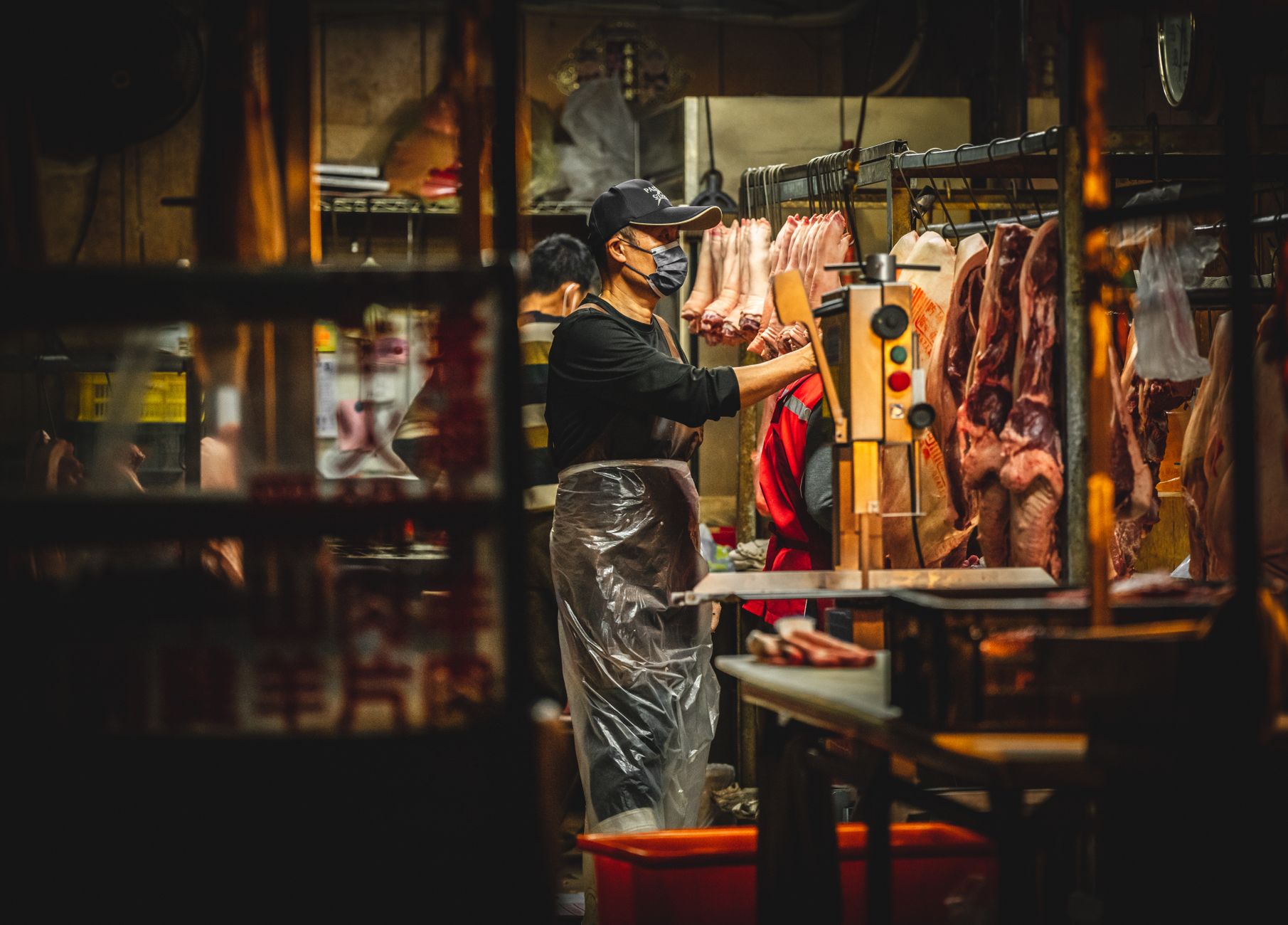
Seeing pink pork on your plate can be confusing, especially when you worry about safety. The good news? Pink pork safety doesnt depend only on color. Pork can remain pink inside and still be safe to eat if it reaches the right internal temperature. Understanding how to measure doneness properly and knowing what affects porks color will give you full confidence when cooking and enjoying pork dishes at home.
Pink Pork Safety Basics
Why Is Pork Sometimes Pink Even When Fully Cooked?
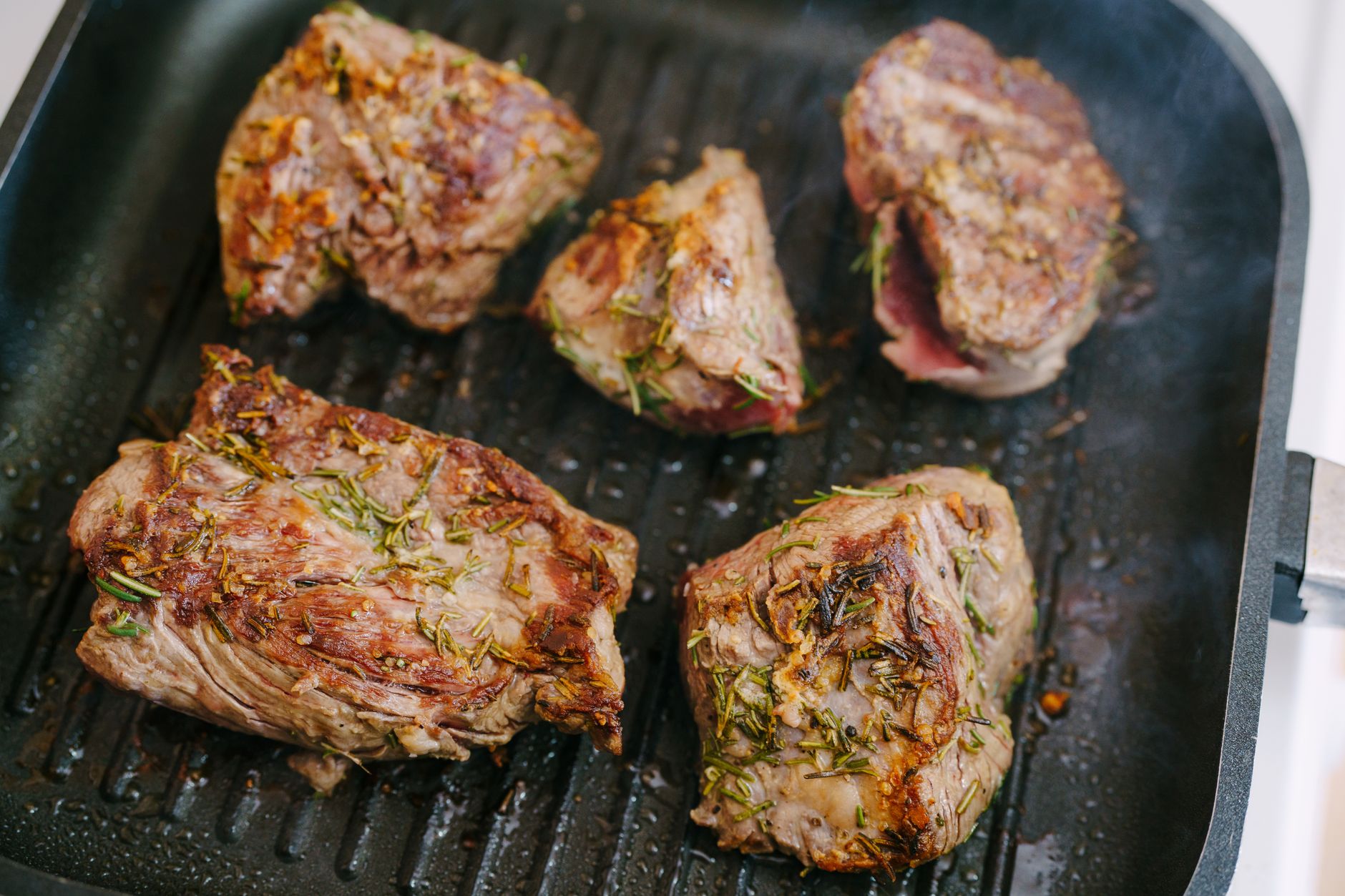
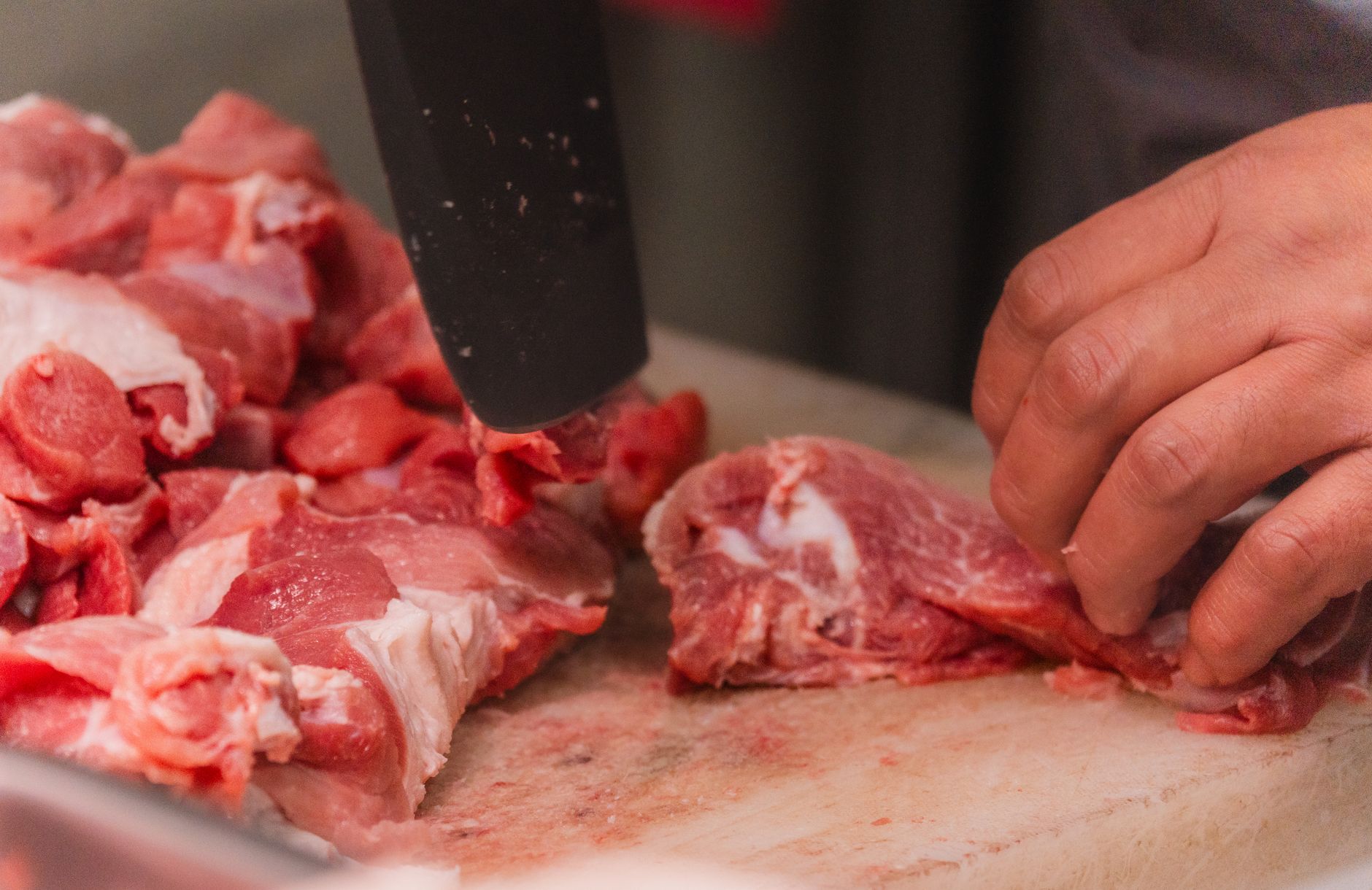
Porks pink color comes mainly from myoglobin, a protein in muscle fibers that stores oxygen. When you cook pork, heat changes myoglobins structure, usually turning the meat from pink to white or gray. However, pork cooked to the USDA-recommended safe temperature of 145F (63C) can still display a slight pink hue. This happens because the myoglobin doesnt always fully break down at that temperature.
Cooking methods and resting time also play big roles. For example, grilling or roasting with dry heat can produce a pink ring near the bone or in center slices, while letting pork rest for 3 minutes after cooking lets heat distribute evenly. This means the meat can appear pink but remain safe and juicy.
The USDA clarifies that color alone is not a reliable indicator of pork safety. They recommend always checking the internal temperature with a meat thermometer.
What Is the Safe Pork Internal Temperature?
According to USDA guidelines, pork should be cooked to a minimum internal temperature of 145F (63C) with a resting period of at least 3 minutes before carving or eating. This temperature is key for killing harmful bacteria and parasites like Trichinella spiralis.
A reliable instant-read or probe meat thermometer is the safest way to check doneness. Insert it into the thickest part of the meat, avoiding bone or fat, to get an accurate reading. If the pork hasnt hit 145F yet, it needs more cookingeven if it looks done.
Common Myths About Pink Pork Eating Debunked
Its a common belief that pink pork always means undercooked or unsafe pork. Thats not true. Safe pink pork is perfectly acceptable as long as it reaches 145F internally and rests properly. The USDA itself removed well done as a pork doneness standard years ago to prevent overcooking and dryness.
On the other hand, if pork is pink but below the safe temperature or from cuts like ground pork, it can carry risks. Unlike whole cuts, ground pork needs to be cooked to 160F (71C) because grinding spreads bacteria throughout. Avoid pink ground pork unless its from a trusted Halal-certified source that confirms safe processing.
Cooking Pork Properly
Pork Doneness Guide: Visual and Temperature Indicators
| Doneness Level | Internal Temperature | Typical Color | Texture |
|---|---|---|---|
| Safe & Juicy | 145F (63C) + 3 min rest | Light pink to white center | Tender and moist |
| Well Done | 160F (71C) and up | White/gray, no pink | Firmer, drier |
| Undercooked (Risky) | Below 145F | Bright pink or red | Soft, sometimes rubbery |
Using a thermometer is the most accurate method. Visual clues like clear juices or white meat help, but they arent foolproof. For example, pork chops cooked on a grill may have a pink internal ring without being undercooked.
Best Cooking Methods to Ensure Pink Pork Safety
Roasting, grilling, and pan-searing are excellent for achieving safe, pink pork that stays tender. Slow cooking or braising helps evenly cook thicker cuts like pork shoulder without drying them out.
When grilling pork, make sure your grill is preheated to medium-high heat (about 375F/190C). Use a meat thermometer around the thickest part of chops or roasts for accurate readings. Insert the probe about 1 inch deep, avoiding bone to get a reliable temperature.
Rest pork for at least 3 minutes after cooking. This allows the juices to redistribute and the temperature to stabilize. Skipping the rest can make pork look underdone or make juices run out when sliced.
Understanding different cuts like chuck roast vs chuck steak helps you decide the best cooking method for your pork dishes.
What to Do If Your Pork Is Still Pink But Hasn‘t Reached Safe Temperature
If your pork is pink but hasnt reached 145F yet, keep cooking it gently until it hits that temperature. Avoid guessing by color since it can be misleading. You can return it to the oven, stove, or grill and check every 3-5 minutes until safe.
If you find your pork is richly pink inside but thermometers indicate it‘s fully cooked, you can trust the thermometer. Overcooking pork to remove all pink can dry out the meat, sacrificing flavor and tenderness.

Benefits and Risks
Benefits of Properly Cooked Pink Pork
Cooking pork to 145F and allowing it to rest preserves its natural juices. This results in a tender, flavorful, and moist eating experience compared to overcooked, pale pork. Nutrients such as B vitamins and protein remain intact with balanced cooking, contributing to better nutrition.
Eating right-temperature pink pork is popular in many cuisines around the world. If you buy Halal-certified pork alternatives, such as those processed under strict hygiene and safety supervision like JAKIM or HMC certifications, you enjoy both quality and compliance with Islamic dietary laws.
Health Risks of Improperly Cooked Pork
Eating undercooked pork that doesn‘t reach safe temperatures can lead to infections. Parasites like Trichinella spiralis or bacteria such as Salmonella and Yersinia enterocolitica cause symptoms ranging from mild stomach upset to serious illness.
Ground pork is especially risky if pink and undercooked because grinding distributes bacteria throughout the meat. For this reason, the USDA advises cooking ground pork to 160F (71C).
Pork from uncertified sources or without proper hygiene practices may expose consumers to additional food safety risks. Its always better to purchase from trusted sources with clear certification logos like IFANCA or JAKIM on packaging.

Is Pink Pork Safe for Halal Diets?
Traditional pork is not Halal, so Muslims do not consume pork itself. However, many consumers look for similar quality and safety assurance in Halal alternatives such as beef, lamb, or chicken. When choosing poultry or beef meat cooked to safe internal temperatures, the same principles about pink color vs temperature apply.
For Halal meat, look for certification logos from trusted bodies like JAKIM, HMC, or IFANCA to confirm strict processing and hygiene standards are met. Such certifications ensure you consume food that‘s safe, wholesome, and meets religious dietary requirements.
Pink Pork Safety FAQs
Can I Eat Pork Thats Pink in the Middle but Has Been Rested?
Yes, pork can be safely eaten while pink in the center if it has reached an internal temperature of 145F (63C) and rested for at least 3 minutes. Resting lets carryover heat complete the cooking process and juices redistribute, ensuring safety and tenderness.
How Long Should Pork Rest After Cooking?
The USDA recommends resting pork for a minimum of 3 minutes after removing it from heat. This pause allows the temperature to even out and makes juices settle inside, improving flavor and safety.
Do Safety Guidelines Differ for Different Pork Cuts?
Whole cuts like chops, loins, or roasts should reach 145F internally. Ground pork must be cooked to 160F because grinding mixes surface bacteria throughout the meat. Always use a thermometer to be sure, as cooking times vary by thickness.
What Kind of Thermometer Is Best for Checking Pork?
An instant-read digital meat thermometer is ideal for home cooks. It gives quick, accurate readings and can be inserted easily into the meat. Calibrate it periodically according to the manufacturers instructions for accuracy.
Why Does Some Pork Stay Pink Even at 145F?
Pink color can persist because of myoglobins chemical behavior and the meats pH. Also, smoking or curing processes and exposure to certain gases during packaging can affect color. This doesnt mean pork is unsafe if it passes temperature checks.
Can I Use Visual Color Alone to Judge Pork Doneness?
Visual color is not reliable because factors like resting time, cooking method, and meat cut can change appearance. Always use a thermometer to confirm porks safe internal temperature regardless of color.
Is It Possible to Overcook Pork When Avoiding Pinkness?
Yes, cooking pork to eliminate all pinkness often leads to overcooking, which dries the meat and reduces juiciness. Cooking to 145F with resting ensures safety while maintaining tenderness and flavor.

More You Might Like
Discover the difference between Bologna meat and other deli options, focusing on Halal-certified sources. Learn about Chuck roast vs chuck steak to pick the perfect cut for your next meal.
Conclusion
Pink pork safety centers on cooking pork to the right temperature, not just its color. Pork that is pink inside can be safe when it reaches 145F and rests properly to ensure harmful bacteria are destroyed. Using a meat thermometer gives you peace of mind and the chance to enjoy juicy, tender pork every time. Next time you cook pork or choose meat, remember to trust the thermometer over appearances and check product certifications when buying.
FAQs
Is pink pork safety actually Halal — what should I check on the label?
Traditional pork is not Halal and is avoided in the Muslim diet. For Halal alternatives like beef or lamb, check for certification logos from trusted bodies such as JAKIM, HMC, or IFANCA on the label to ensure strict processing and hygiene standards are met.
Can pink pork that has been rested be safely eaten?
Yes, pork that has reached an internal temperature of 145°F (63°C) and rested for at least 3 minutes is safe to eat, even if it still appears pink. Resting allows the heat to evenly distribute and juices to settle, ensuring safety and tenderness.
How long should pork rest after cooking to ensure safety?
The USDA recommends resting pork for a minimum of 3 minutes after cooking. This allows the temperature to stabilize and juices to redistribute, which improves both safety and flavor.
Why can pork remain pink even at the safe cooking temperature?
Pork can stay pink at 145°F due to the myoglobin protein in the meat and factors like pH, cooking method, and resting. Color alone isn't a reliable safety indicator, so temperature measurement is necessary.
What is the best way to check if pork is cooked safely?
The most accurate method is using an instant-read or probe meat thermometer inserted into the thickest part of the meat, avoiding bone or fat. This ensures pork reaches the safe internal temperature of 145°F for whole cuts and 160°F for ground pork.