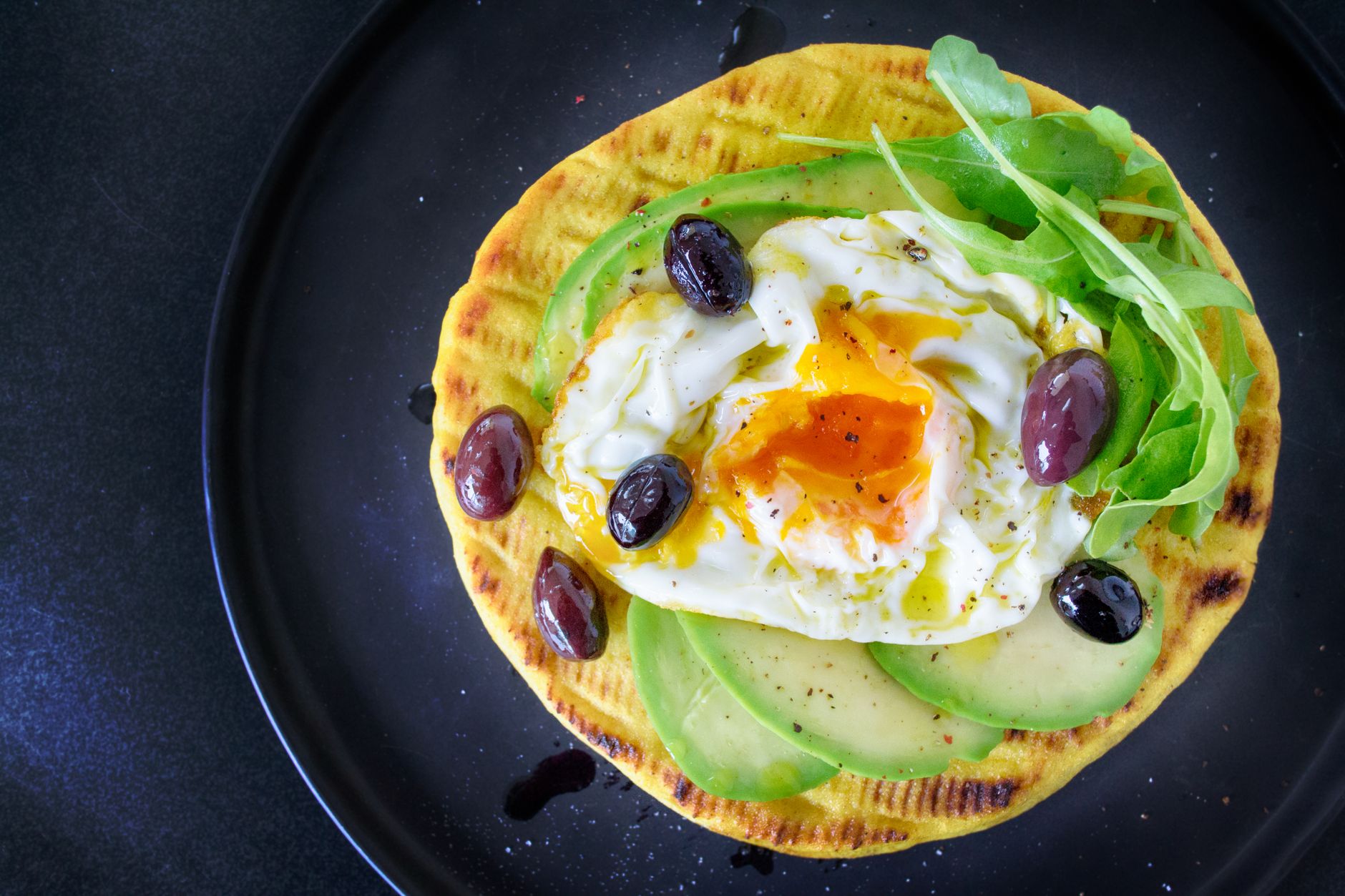
If youve never tried a Mediterranean breakfast, you might be surprised how fresh, simple, and satisfying it can be. The Mediterranean breakfast blends wholesome ingredients like olives, fresh fruit, eggs, and feta cheese to create meals that are both nutritious and bursting with flavor. This style of breakfast supports a balanced lifestyle and leans heavily on natural, minimally processed foods, making it an appealing choice for anyone seeking healthy Halal options to kickstart their mornings.
Key Components Explained
The Mediterranean breakfast focuses on whole foods rich in nutrients and healthy fats. Its not just about what you eat but how the ingredients complement each other for maximum taste and health benefits. Traditional components like olive oil, yogurt, nuts, and seasonal vegetables come together to offer a meal thats as delicious as it is nourishing.
Common Ingredients Found in Mediterranean Breakfast
The core foods you can expect on a Mediterranean table include olives, tangy feta cheese, fresh fruits such as figs and grapes, nuts like walnuts and almonds, creamy Greek yogurt, and eggs prepared many ways. Sometimes, phyllo pastry filled with greens (spanakopita) or walnuts and honey grace the table too.
Each of these items plays a role: olives provide healthy monounsaturated fats; feta cheese adds protein and calcium; fruits and nuts supply antioxidants and fiber. Greek yogurt, which is often strained and thicker than regular yogurt, is a rich source of probiotics and protein. Eggs contribute quality proteins and essential vitamins.
Aside from nutrition, these ingredients create a harmonious balance of textures creamy, crunchy, salty, and sweet that awakens your taste buds first thing in the morning.
Examples of Traditional Mediterranean Breakfasts
- Greek Spanakopita: A flaky phyllo pastry stuffed with spinach and feta cheese.
- Honey and Walnut Yogurt: Creamy Greek yogurt drizzled with thick honey and crunchy walnuts.
- Tomato and Cucumber Salad: Freshly chopped vegetables drizzled with extra virgin olive oil and sprinkled with herbs.
- Italian Frittata: An open-faced omelet cooked with seasonal vegetables like zucchini and bell peppers.
- Labneh with Zaatar: A tangy strained yogurt topped with aromatic zaatar spice and olive oil, paired with warm pita bread.

Healthy Mediterranean Breakfast Ideas
One great thing about Mediterranean breakfast is the flexibility. You can assemble a nutrient-dense meal in minutes by combining your favorite staples. Portion control and combining macronutrients effectively ensure you stay full and energized all morning.
How to Make a Quick and Healthy Mediterranean Breakfast
Starting your day doesnt have to mean long cook times or complicated steps. A simple bowl of Greek yogurt topped with honey, a handful of walnuts, and fresh berries takes less than 5 minutes and packs a protein punch.
Alternatively, prepare scrambled eggs cooked gently in olive oil with chopped tomatoes and herbs. Serve alongside a small side of olives and wholegrain bread. This meal balances healthy fats, protein, and fiber.
If you follow a vegan or gluten-free diet, swap eggs for mashed avocado on gluten-free toast, paired with sliced cucumbers and a sprinkle of zaatar. Use coconut yogurt to keep it dairy-free while maintaining creaminess and tang.

Comparison: Mediterranean vs Typical Western Breakfast
| Feature | Mediterranean Breakfast | Typical Western Breakfast |
|---|---|---|
| Common Ingredients | Olive oil, fresh veggies, eggs, nuts, yogurt | Processed meats, sugary cereals, refined bread, butter |
| Health Benefits | Rich in fiber, healthy fats, vitamins, and probiotics | Often high in sugar, saturated fats, and low in fiber |
| Preparation Time | Quick, fresh, minimal cooking required | Varies; some processed items are quick, others require frying |
Benefits and Considerations
The Mediterranean breakfast is acclaimed for heart-healthy fats, antioxidants, and balanced energy release throughout the morning. Yet, like any diet, moderation and ingredient quality matter to maximize benefits.
Health Benefits of Mediterranean Breakfast
Scientific studies link the Mediterranean diet to improved cardiovascular health and weight management. Starting your day with nutrient-dense foods can help regulate blood sugar and enhance energy. Ingredients like olive oil contain anti-inflammatory compounds, while nuts and seeds support cholesterol balance, according to the USDA FoodData Central.
Besides physical benefits, this style of breakfast encourages mindful eating with real, minimally processed foods a practice that supports sustained healthy habits.
Are There Any Risks or Downsides?
Some Mediterranean dishes use ingredients like cheese and phyllo pastry that are delicious but can be calorie-dense. Overeating cheese or pastries regularly might add excess saturated fat and calories. Also, for those outside Mediterranean regions, sourcing authentic, fresh ingredients can be costly or challenging.
Adjusting to unfamiliar flavors such as olives or labneh might take time. However, gradual introduction and recipe customization help overcome these hurdles effectively.
Tips to Keep Breakfast Balanced
- Use olive oil in moderation1-2 tablespoons per meal is sufficient for flavor and health.
- Choose low-sodium or Halal-certified cheeses; always check for JAKIM or IFANCA logos for authenticity.
- Pair carbohydrate-rich foods with protein or healthy fats to avoid blood sugar spikes.
- Incorporate fresh fruit regularly to boost fiber and natural sweetness.
Incorporating Mediterranean Breakfast Daily
Turning Mediterranean breakfast ideas into your daily routine starts with planning and ingredient sourcing. Try picking up fresh veggies, nuts, and Halal-certified dairy products from your local markets or trusted online stores. Look for clear halal certifications such as the HMC logo to ensure compliance with dietary requirements.
Where to Buy Mediterranean Staples
Authentic ingredients like extra virgin olive oil, feta cheese, and zaatar spice are often available at specialty Middle Eastern or Mediterranean grocery stores. Online shops for Halal-certified dairy, nuts, and baked goods provide convenient options too.
Best foods for constipation often include many Mediterranean staples like olive oil and nuts, making these adaptable choices for gut health as well.
Adapting for Kids and Families
Kids can be picky, but Mediterranean breakfasts offer colorful plates and familiar ingredients enhanced with fun flavors. Think cucumber slices with hummus, sweetened yogurt with honey, or soft scrambled eggs with wholegrain toast. Using mild cheeses and natural sweetness helps introduce children to the Mediterranean palate.

When is the Best Time to Eat Mediterranean Breakfast?
The best time to enjoy a Mediterranean breakfast is within an hour or two after waking up. This timeframe fuels your body for the day and helps stabilize blood sugar levels. Eating early also supports metabolism and sustained energy release, especially important if you have a busy or active morning ahead.
Is Mediterranean Breakfast Suitable for Halal Diets?
Yes, Mediterranean breakfast ingredients fit well within Halal dietary guidelines, provided the products are certified. Always check for trusted halal logos like JAKIM, HMC, or IFANCA on packaged items such as cheese, yogurt, and processed olives to ensure compliance.
How Can I Make Mediterranean Breakfast Vegan?
Swap dairy yogurt for plant-based alternatives like coconut or almond yogurt. Replace feta cheese with seasoned tofu or nut-based cheeses. Use olive oil and nuts liberally to add creaminess and healthy fats without animal products.
What Are Easy Storage Tips for Mediterranean Ingredients?
Store olives in airtight containers inside the fridge; they keep well for 23 weeks once opened. Greek yogurt lasts 57 days after opening if refrigerated properly. Fresh herbs and vegetables typically keep for 35 days but are best enjoyed fresh for full flavor.
What Are Common Mistakes When Making Mediterranean Breakfast?
Avoid oversalting dishes, particularly because items like feta and olives are naturally salty. Also, dont overload on pastries; balance with fresh vegetables and fruits. Using low-quality olive oil can diminish flavor and benefits invest in cold-pressed extra virgin varieties.
How Can I Add More Protein to Mediterranean Breakfast?
Include more eggs, nuts, or Greek yogurt to boost your protein intake. You can also add beans or lentils for extra fiber and nutrients. For plant-based options, explore vegan foods high in protein within the Mediterranean framework.
Pro Tips for Flavor and Balance
- Enhance your eggs with fresh herbs like parsley or dill for brightness.
- Toast nuts lightly before adding them to yogurt or salads to deepen flavor.
- Use thicker Greek yogurt for extra creaminess; if too tart, mellow with a drizzle of honey.
- Balance salty and sweet by pairing olives or cheese with fresh fruit such as figs or slices of sweet orange.
Recipe: Quick Mediterranean Yogurt Parfait
| Prep time | Cook time | Total time | Servings | Calories | Diet tags |
|---|---|---|---|---|---|
| 5 minutes | 0 minutes | 5 minutes | 1 | 250 kcal | Halal, Gluten-Free, Vegetarian |
- In a clear glass or bowl, spoon 150g of Greek yogurt as the base.
- Drizzle 2 tablespoons of natural honey evenly over the yogurt.
- Sprinkle 15g (about a tablespoon) of chopped walnuts on top for crunch.
- Add a handful of fresh mixed berries (blueberries, strawberries) for color and antioxidants.
- Optionally, garnish with a few thin slices of fresh fig or a pinch of cinnamon.
- Serve immediately for a refreshing, protein-packed breakfast.
More You Might Like
If youre interested in digestive health, check out our guide on Best foods for constipation, where many Mediterranean ingredients make the list.
Need plant-powered protein ideas? Discover our tips on Vegan foods high in protein to complement Mediterranean-inspired meals.

The Mediterranean breakfast offers a vibrant and healthy way to begin your day. With its fresh, wholesome ingredients and simple preparation, it suits a variety of dietary needs including Halal lifestyles. Next time you shop, check for authentic ingredients and certifications, try the recipes suggested here, and share your favorite Mediterranean breakfast experience with us!
FAQs
When is the best time to eat or drink Mediterranean breakfast?
The best time to enjoy a Mediterranean breakfast is within one to two hours after waking up. This helps fuel your body for the day, stabilizes blood sugar levels, and supports sustained energy release, especially if you have a busy or active morning ahead.
What is the shelf life of common Mediterranean breakfast ingredients after opening?
Olives keep well for about 2-3 weeks in an airtight container in the fridge. Greek yogurt lasts 5-7 days refrigerated after opening. Fresh herbs and vegetables stay fresh for 3-5 days but are best consumed quickly for optimal flavor and nutrients.
How does a Mediterranean breakfast differ from a typical Western breakfast?
A Mediterranean breakfast emphasizes whole, minimally processed foods like olive oil, fresh vegetables, nuts, eggs, and yogurt, providing healthy fats, fiber, and probiotics. In contrast, typical Western breakfasts often include processed meats, sugary cereals, refined breads, and higher saturated fats.
Is it safe to eat Mediterranean breakfast daily?
Yes, eating a Mediterranean breakfast daily is safe and beneficial when balanced properly. It provides heart-healthy fats, antioxidants, and protein. However, moderation with calorie-dense ingredients like cheese and pastries is important to avoid excess saturated fat intake.
Where can I buy authentic Mediterranean breakfast ingredients?
Authentic ingredients such as extra virgin olive oil, feta cheese, and zaatar are commonly found at Middle Eastern or Mediterranean grocery stores. Many Halal-certified dairy products and nuts can also be purchased online from trusted specialty retailers with proper certification logos.