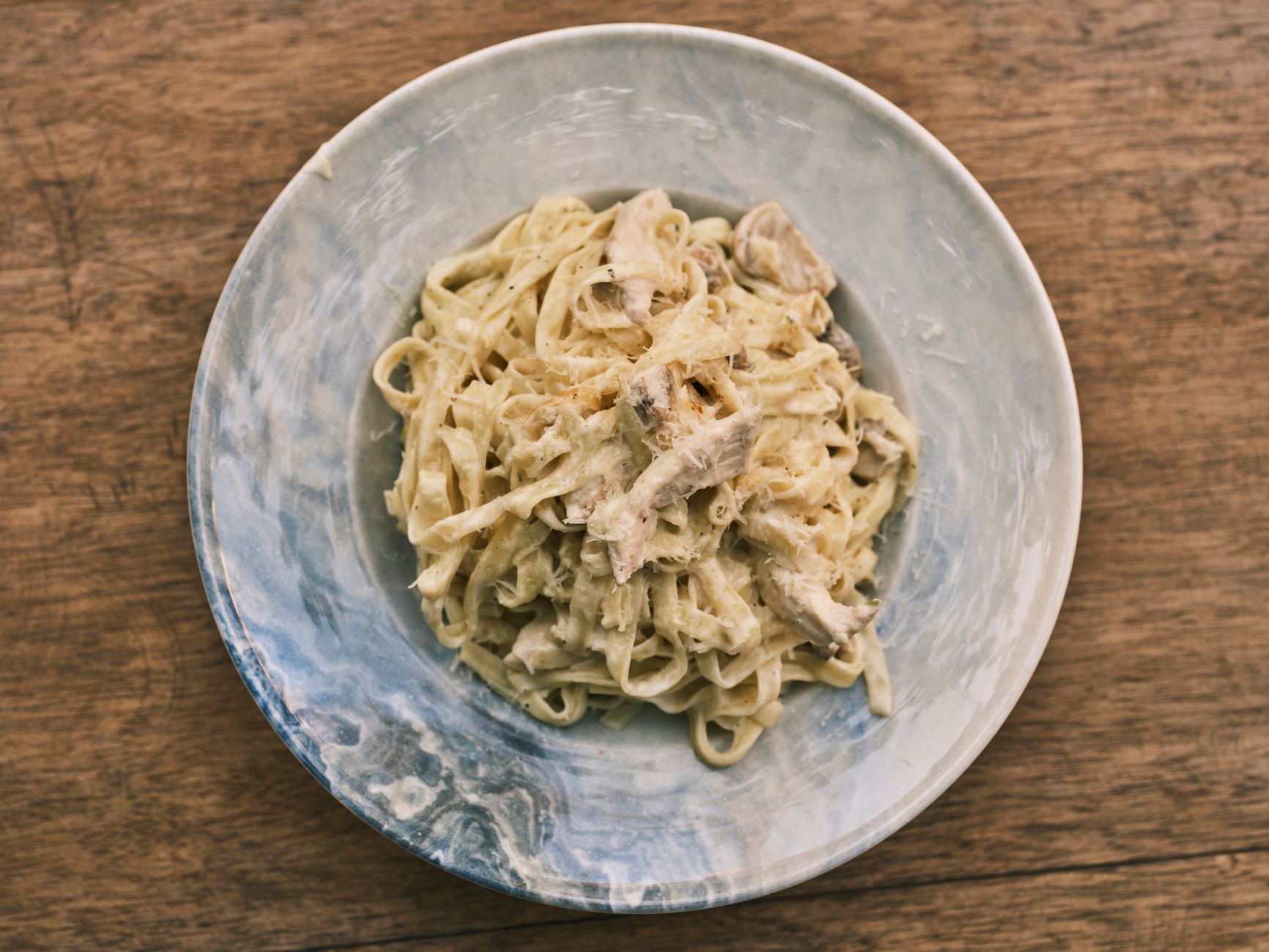
Thicken Alfredo sauce to achieve that rich, velvety texture we all crave by focusing on one trusted key ingredient: freshly grated Parmesan cheese. While many turn to flour or cornstarch to salvage a thin Alfredo, these options can dull the flavor and ruin the silky mouthfeel that defines this classic sauce. By gently incorporating Parmesan at the right moment and heat, youll master the perfect Alfredo sauce thickness without compromising taste or texture.
Parmesans Role in Thickening
How Parmesan Naturally Thickens Alfredo Sauce
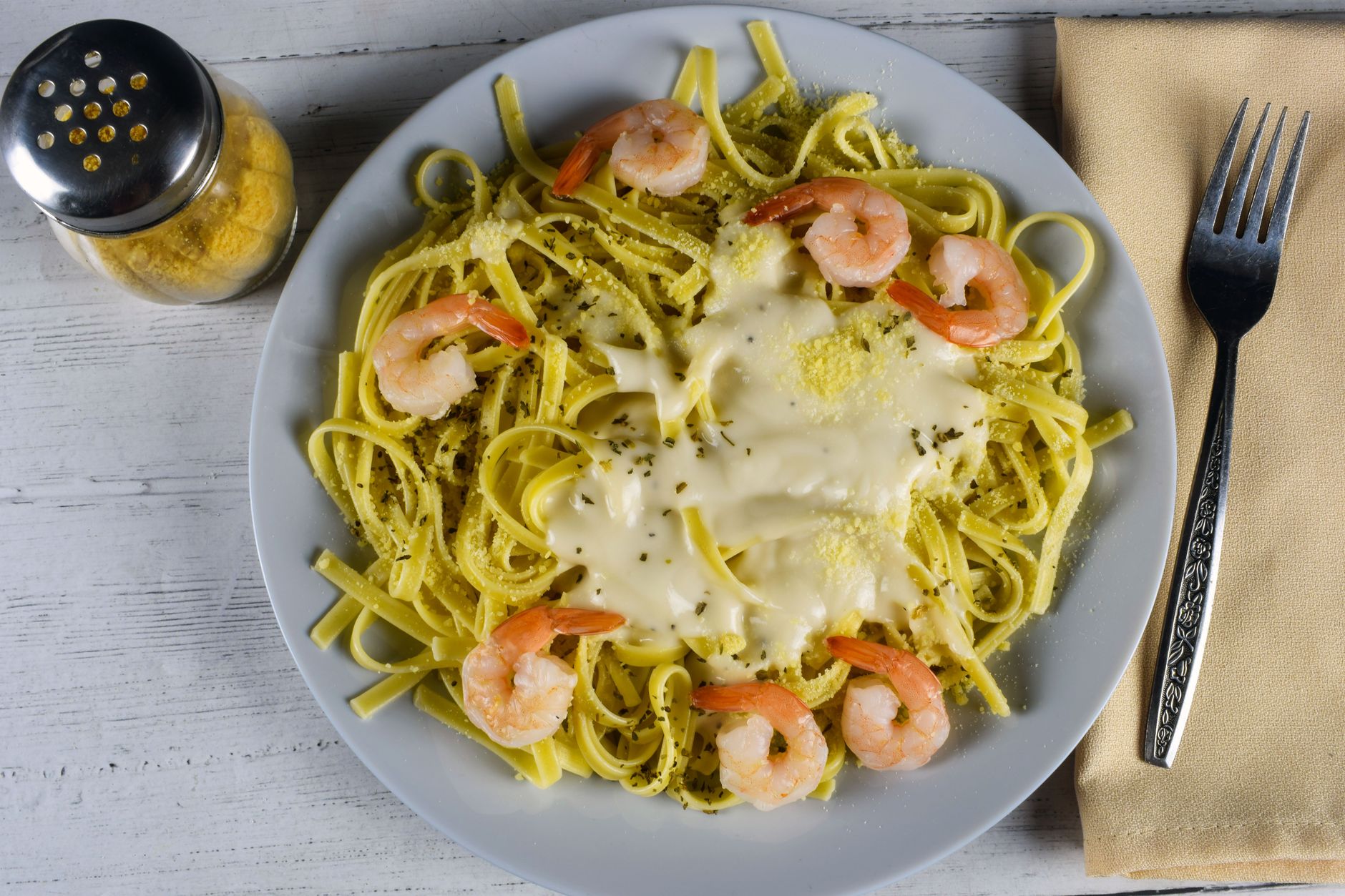
Parmesan cheese is more than just a flavorful topping. Its natural proteins and fat content act as emulsifiers, binding the sauces fat from butter and cream with the liquid to create a creamy, stable texture. When melted slowly, Parmesan dissolves evenly, thickening the sauce without forming clumps or causing separation. This natural emulsification results in a luxurious sauce that clings beautifully to pasta.
Benefits Over Flour or Starches
Many home cooks rely on flour or cornstarch slurry to fix thin sauces. However, these thickeners often create a gummy or pasty texture that doesnt complement Alfredos creamy profile. Unlike these starches, cheese preserves the signature nutty flavor and buttery mouthfeel. Professional kitchens trust Parmesan alone because it enhances texture and taste simultaneously without masking originality.
Parmesan Varieties and Thickening Power
Freshly grated Parmesan delivers the best thickening effect compared to pre-grated cheese. Pre-grated versions often contain anti-caking agents which can prevent smooth melting. When fresh Parmesan isnt available, Pecorino Romano is a good stand-in, though it imparts a sharper, saltier flavor that changes the sauce profile slightly. Always opt for Halal-certified cheeses if youre serving a health-conscious or religious audience look for trusted certifications such as JAKIM or HMC on the packaging.
Chefs Thickening Technique
Temperature and Timing for Perfection
Maintaining the right temperature is crucial to thicken Alfredo sauce properly. Heat your sauce gently over low to medium heat, ideally between 140F to 160F (60C to 71C). Avoid boiling or overheating, as this causes curdling or separation. Add the Parmesan cheese slowly, about 1 tablespoon at a time, stirring continuously. This slow incorporation allows the cheese to melt evenly and the sauce to thicken without lumps.
Common Thickening Mistakes
One frequent slip is adding cheese too quickly or pouring it all at once. This results in clumping and grainy texture. Another is letting the sauce reach a rolling boil, which breaks the emulsion, leaving you with an oily, separated sauce. Patience and gentle heat are your allies. Stirring constantly but not aggressively keeps the sauce smooth and glossy.
Chef Jaspers Thickening Insight
Chef Jasper J. Mirabile Jr. once experimented with various thickening methods and found the slow melt of fresh Parmesan at controlled heat transformed his Alfredo from thin to perfectly clingy. He credits this technique as a staple in professional kitchens aiming for authentic texture. This real-world method invites you to trust the process instead of quick fixes.
Alternative Thickening Methods
Slurry or Roux Use and Downsides
Thickening Alfredo sauce with flour or cornstarch slurry is possible but less ideal. A slurry is made by mixing cold water and starch and whisking it into sauce at a simmer, while a roux blends flour with fat before adding liquids. These methods can add body but often sacrifice the sauces creamy flavor, introducing a slight pastiness and dulling the freshness of butter and cheese. For health-conscious readers, flour also adds carbohydrates and may not be gluten-free unless using specific alternatives.
Cream Reduction for Natural Body
Reducing heavy cream before cheese addition is a gentle, Halal-friendly thickening method. Simmer cream over low heat for 1015 minutes until it reduces by half, thickening naturally while intensifying flavor. This creates a luscious base that requires less cheese and less manipulation to reach perfect consistency. The downside: longer cooking time and delicate stirring to prevent burning. This method works well for a slower, more traditional Alfredo preparation.
Expert FAQ
Can You Thicken Alfredo Sauce After Its Made?
You can thicken Alfredo sauce after cooking by reheating gently and adding more freshly grated Parmesan, stirring slowly until it dissolves. Avoid high heat to prevent curdling. If needed, a small pat of butter can further smooth the texture. Always reheat on low to medium heat.
What if Im Lactose Intolerant Any Cheese-Free Thickeners?
Cashew cream or coconut cream are popular dairy-free thickening options, offering creamy texture and mild flavor. However, these alter the traditional Alfredo taste. For Halal-conscious consumers, verify certifications for plant-based creams. Keep in mind, cheese-free substitutes will change sauce authenticity and mouthfeel.
How to Fix Alfredo Sauce Thats Too Thick?
If your sauce becomes overly thick, gradually whisk in a small amount of warm milk or cream (about 1 tablespoon at a time) until it loosens to your preferred consistency. Heating gently while stirring prevents separation.
Is Parmesan Cheese Halal Certified?
Most Parmesan cheese is made from cows milk and microbial rennet, which is typically Halal. Always check for certification logos like JAKIM, HMC, or IFANCA to guarantee compliance with Halal requirements. Labels should clearly state the certification or ingredient sourcing.
Will Using Pre-Grated Parmesan Affect Sauce Thickness?
Pre-grated Parmesan often contains anti-caking agents like cellulose, which can inhibit smooth melting and affect thickening. Freshly grated Parmesan is always preferable for achieving a proper sauce texture and flavor.
Can I Use Other Cheeses to Thicken Alfredo Sauce?
Cheeses like Pecorino Romano or Asiago can thicken Alfredo sauce but bring stronger, saltier flavors that may overpower the classic profile. Consider these only if you want a different taste and adjust salt accordingly.
Does Temperature Affect Thickening?
Yes, too high a temperature can break the emulsion and cause curdling, making the sauce thin or separated. Keeping the sauce between 140F and 160F ensures cheese melts properly and thickens the sauce evenly.
Pro Tips for Best Results
- Use high-quality butter sticks cup, ideally European-style with higher fat content, to enrich your sauce and enhance mouthfeel.
- Grate your cheese fresh right before use for smoothest melting and best flavor retention.
- Dont rush adding cheeseslow incorporation while stirring prevents grainy texture.
- If unsure, simmer your cream first as a gentle thickening step before cheese addition.
- Serve Alfredo sauce immediately or within 1 hour to enjoy the perfect consistency before it cools and thickens too much.
More You Might Like
Discover how choosing the right Butter sticks cup can elevate not just Alfredo but any creamy dish with richer flavor and texture.
For a sweet twist after your meal, explore the Best soft serve recommendations to enjoy delicious Halal-certified frozen treats.
Recipe: Classic Alfredo Sauce
| Prep Time | 5 minutes | Cook Time | 10 minutes |
|---|---|---|---|
| Total Time | 15 minutes | Servings | 4 |
| Calories | 450 per serving | Diet Tags | Halal, Gluten-Free |
Ingredients
- 1 cup heavy cream (Halal certified)
- 1/2 cup unsalted butter (preferably Butter sticks cup)
- 1 to 1 1/2 cups freshly grated Parmesan cheese (Halal certified)
- 2 cloves garlic, minced (optional)
- Salt and freshly cracked black pepper, to taste
- Fresh parsley, chopped (for garnish)
Instructions
- In a medium saucepan, melt butter over low heat until fully melted and fragrant, about 2 minutes.
- Add minced garlic and cook gently for 1 minute, avoiding browning.
- Pour in the heavy cream, raise heat to medium-low, and simmer for 57 minutes, stirring occasionally, until the cream thickens slightly.
- Reduce heat to low. Gradually add freshly grated Parmesan cheese, about 1 tablespoon at a time, stirring gently until melted and the sauce thickens.
- Taste and season with salt and black pepper carefully, as Parmesan is naturally salty.
- Remove from heat and toss with your favorite cooked pasta immediately. Garnish with chopped parsley.
Storage
Keep any leftover Alfredo sauce in an airtight container in the refrigerator for up to 3 days. Reheat gently on low heat, stirring continuously and adding a splash of cream or milk to loosen if it has thickened further.
Try this recipe for authentic, creamy Alfredo sauce that thickens beautifully every time with no extra starches.
Conclusion
To thicken Alfredo sauce like a true chef, rely on fresh Parmesan cheese added slowly over gentle heat. This technique preserves the sauces rich flavor and silky texture without resorting to flour or starch, keeping your dish authentically delicious and Halal compliant. Next time you prepare Alfredo, use this approach and share your results. Your pasta will thank you.
FAQs
When is the best time to eat or drink thicken Alfredo sauce?
The best time to enjoy thickened Alfredo sauce is immediately after preparation or within an hour of cooking. This ensures the sauce maintains its perfect creamy consistency before it cools and thickens further, providing the richest texture and flavor.
How long does Alfredo sauce last after opening or cooking?
Homemade Alfredo sauce can be stored in an airtight container in the refrigerator for up to 3 days. Reheat gently on low heat while stirring, adding a splash of cream or milk if the sauce thickens too much during storage.
What makes Parmesan cheese a better thickener than flour or cornstarch?
Parmesan naturally emulsifies fats and liquids, creating a creamy, smooth texture without clumping or pastiness. Unlike flour or cornstarch, it preserves Alfredo’s rich, nutty flavor and silky mouthfeel without masking the original taste.
Is it safe to consume Alfredo sauce daily, considering its dairy content?
Alfredo sauce is safe in moderation. Using high-quality ingredients like fresh Parmesan and European-style butter can provide richness without excessive additives. However, those with lactose intolerance or dairy allergies should seek alternatives or consume sparingly.
Where can I buy Halal-certified Parmesan cheese for thickening Alfredo sauce?
Halal-certified Parmesan can be found at specialty grocery stores, online Halal food retailers, or supermarkets with a dedicated Halal section. Always check for certification logos such as JAKIM, HMC, or IFANCA on the packaging to ensure compliance.