Craving crab but live miles away from the coast or find fresh crab too pricey? Canned crab meat is a convenient seafood choice that fills that gap. But how do you know which canned crab meat brands are actually worth your money and taste buds? This guide ranks the best and worst canned crab meat available, helping you choose a Halal-certified and healthy option with confidence.
Why Choose Canned Crab Meat
Benefits of Canned Crab Meat
Canned crab meat offers excellent convenience, especially when fresh seafood is scarce or out of season. It has a long shelf life typically 2 to 5 years unopened making it easy to stock in your pantry. The price is generally lower than fresh or frozen crab, offering a budget-friendly seafood alternative without sacrificing nutrition.
Shelf Life and Availability
The sealed cans preserve crab meat safely, allowing you to keep it on hand for emergencies or spontaneous recipes. Unlike fresh crab meat, which lasts only 12 days refrigerated, canned crab is shelf-stable until opened.
Cost Factors
Canned crab meat often costs less than fresh or frozen lump crab, making it accessible for everyday meals. You pay for convenience and longer storage, which can balance out the premium for fresh seafood.
Drawbacks of Canned Crab Meat
Texture and Flavor Differences
Canned crab meat usually has a softer texture and milder flavor compared to fresh crab, which can disappoint purists. Sometimes, the crab is shredded or finely picked, losing the firm, fibrous quality found in fresh or frozen lump crab.
Sodium and Additives
Many canned crab products contain added salt or preservatives to maintain flavor and shelf life. Some brands include water, fillers, or flavor enhancers. Sodium content can range from 300 to 500 mg per 56g (2 oz) serving, which matters if you watch salt intake.
Safety and Nutrition of Canned Crab Meat
Mercury and FDA Guidelines
According to the FDA, canned crab meat is considered low in mercury compared to large predatory fish. Its safe for regular consumption, including for pregnant women, with moderate portion sizes. Halal-certified brands follow strict sourcing and processing standards to ensure safety and compliance.
Nutritional Comparison
Canned crab meat provides around 7090 calories and 1518 grams of protein per 56g serving, similar to fresh crab. It is naturally low in fat and high in essential nutrients like vitamin B12, selenium, and omega-3 fatty acidsmaking it a nutritious protein source.
How We Ranked Canned Crab Meat
Ranking Criteria Explained
We rated each canned crab meat based on several key factors to help you identify the best product for your needs.
Taste and Texture
Our expert panel conducted blind taste tests, scoring flavor intensity, sweetness, and natural crab aroma. Texture was assessed for tenderness and flakiness, with preference for firm yet delicate meat.
Purity and Additives
We checked ingredient lists for fillers such as starch, gelatin, or artificial preservatives. The highest-rated products featured crab meat as the first and main ingredient, with minimal additives.
Brand Transparency and Sourcing
Brands with clear sourcingwild-caught from sustainable fisheriesand visible Halal certification (JAKIM, HMC, IFANCA logos) scored higher. Transparency builds trust in quality.
Packaging Quality
Easy-open cans, recyclable material, and secure seals added to the convenience. Packaging that preserves freshness without leakage was preferred.
Testing Methodology
Ratings combined results from blind tasting, laboratory analysis for sodium and contaminants, and consumer feedback from diverse regions. Each product was evaluated multiple times for consistency.
Store-Bought Canned Crab Meat: Worst to Best
6. Geisha Fancy White Crab Meat
This is an affordable option but suffers from excessive fillers and a watery texture. Ingredients include added starch and salt, which dilute authentic crab flavor. The price makes it tempting but the quality disappoints. Its not recommended for flavor-forward recipes.
Price & Availability
Widely available in local supermarkets, price ranges around $5 per 6 oz can.
5. Bumble Bee White Crabmeat
Bumble Bees white crabmeat is widely accessible and modest in sodium, but the meat is quite fine and less chunky. Good for crab salads but not for dishes needing firmer lumps. It holds Halal certification but may have added water.
4. Crown Prince Fancy White-Lump Crab Meat
This product offers firmer lumps and a cleaner label with fewer additives. Its slightly saltier but great for recipes needing visible crab pieces. Contains sustainably sourced crab and carries Halal certification, which aligns with halal-conscious consumers.
3. Chicken of the Sea Wild Caught Premium Special Crab Meat
With wild-caught sourcing and a balanced salt level, this canned crab meat has good flavor retention. The meat is less shredded and holds together well, making it a solid pick for dips and fillings.

2. Chicken of the Sea Wild Caught Premium Lump Crab Meat
This option has larger lumps, mild sweetness, and minimal fillers. Packaging is easy to open and reseal. It provides a satisfying texture for Halal-friendly recipes, with a good balance between price and quality.
1. Bumble Bee Lump Crabmeat
Our top choice combines firm, chunky lumps and a rich crab flavor without heavy additives. It holds Halal certification and comes from verified sustainable fisheries. This product is prized for quality and reliability, ideal for salads, pasta, or steaming with spices.
Serving Ideas
- Use in a simple crab salad with lemon and olive oil.
- Mix in creamy dip with squeezed lime and chopped herbs.
- Add to steamed rice with a sprinkle of Cajun seasoning flavor for a spicy kick.
Alternatives to Canned Crab Meat
Fresh vs Frozen Crab Meat
Fresh crab offers unmatched texture but is more expensive and perishable. Frozen crab meat maintains more natural flavor and texture than canned. Choose fresh or frozen when available for premium dishes.
Imitation Crab and Substitutes
Imitation crab (surimi) is a processed seafood product that mimics crab flavor but lacks nutritional value and texture of real crab meat. For allergies or budget reasons, it can be a useful alternative but expect a different experience.
Other Store-Bought Options
Look for frozen lump crab or cooked crab clusters in Halal-certified packaging. These offer more freshness but require refrigeration and have a shorter shelf life than canned.
Buying and Using Canned Crab Meat
How to Read Labels
When shopping, check that crab meat is the first ingredient. Avoid products with starch, MSG, or gelatin high on the list. Sodium content per 56g serving should be under 400mg to keep salt intake moderate.
Look for Halal certification logos like JAKIM or HMC to ensure the product fits halal dietary laws. Avoid products claiming natural or fresh unless verified with ingredient transparency.
Storage Tips
Unopened canned crab meat can last 25 years at room temperature. After opening, refrigerate in an airtight container and consume within 57 days. Never store unused crab meat in the original can once openedtransfer to glass or plastic containers.
Recipes to Highlight Canned Crab Meat
- Quick Crab Salad: Combine crab meat, diced celery, mayonnaise, lemon juice, and freshly chopped parsley.
- Crab Dip: Mix crab meat with cream cheese, garlic, green onions, and bake at 175C (350F) for 15 minutes.
- Crab Fried Rice: Stir-fry cooked rice with eggs, veggies, soy sauce, and canned crab for a simple meal. You can read about how to get groceries delivered if shopping for fresh veggies to pair.
Quick Buyer‘s Checklist
| Certification | Price Range | Common Formats | Shelf Life | Key Allergens |
|---|---|---|---|---|
| JAKIM, HMC, IFANCA Halal | $5$15 per 6 oz can | White crab, Lump crab, Special crab meat | 25 years unopened | Crustacean shellfish |
Expert Buying Tips
- Dont choose the cheapest: Low-cost canned crab often contains fillers and watery meatsacrificing taste and nutrition.
- Check the ingredient order: Crab meat should top the list without starch or gelatine above it.
- Look for Halal certification: This ensures compliance with Islamic dietary laws and reputable sourcing.
Is canned crab meat actually Halal what should I check?
Ensure the product carries a trusted Halal certification such as JAKIM, HMC, or IFANCA on the label. Halal certification confirms the crab was sourced and processed following Islamic laws, with no cross-contamination or forbidden additives. Without certification, the Halal status is uncertain.
How can I tell if canned crab meat is fresh after opening?
Fresh canned crab should smell mildly sweet and ocean-likenot fishy or sour. The meat should be moist but not slimy. If it has an off odor, discoloration, or sliminess, discard it. Keep refrigerated and consume within 57 days after opening.
Whats the difference between lump crab and white crab meat?
Lump crab consists of larger, intact pieces of crab muscle, with firm texture and visible flakes. White crab meat is typically shredded or finely picked crab, softer with milder flavor. Lump meat is ideal for recipes emphasizing texture.
Can canned crab meat be used in Halal cooking?
Yes, canned crab meat with proper Halal certification is perfect for Halal recipes. It can be used in salads, soups, pasta, and appetizers consistent with dietary guidelines.
Does canned crab meat contain artificial preservatives?
Some brands add preservatives to extend shelf life, but high-quality canned crab meat avoids artificial additives. Read the label carefully to choose products without MSG, gelatin, or unnecessary chemicals.
How high is the sodium in canned crab meat?
Sodium varies by brand but typically ranges from 300 to 500 mg per 56g serving. If you monitor salt intake, opt for products with under 400 mg per serving and rinse the meat before use to reduce sodium further.
Can canned crab meat be frozen after opening?
Yes, transferring leftover crab meat to an airtight, freezer-safe container allows freezing for up to 2 months. Thaw in the refrigerator before use. However, texture may soften slightly after freezing.
More You Might Like
Discover how Cajun seasoning flavor can spice up your crab dishes with authentic Southern zest. Also, if you prefer shopping online, learn how to get groceries delivered safely and conveniently from trusted Halal vendors.
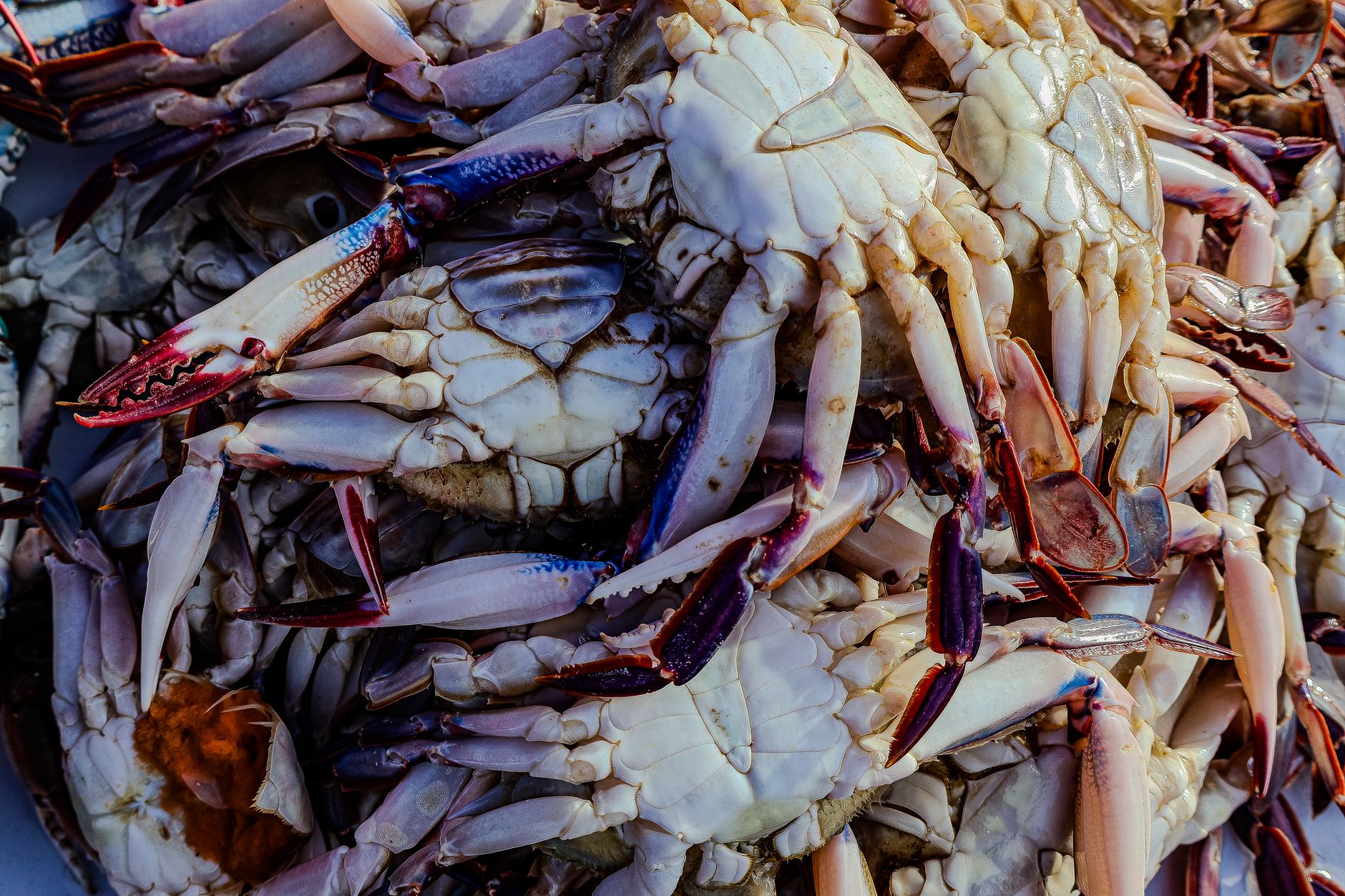
Canned crab meat is a practical pantry staple when you want healthy seafood fast. Next time you shop, check the label carefully for Halal certification, crab purity, and sodium levels. Try one of the top-ranked brands and enjoy creating easy, flavorful crab meals. Feel free to share your experience or ask questions belowwe‘re here to help!
FAQs
Is canned crab meat actually Halal — what should I check on the label?
Ensure the canned crab meat carries a trusted Halal certification logo like JAKIM, HMC, or IFANCA. These certifications confirm the crab was sourced and processed according to Islamic dietary laws, avoiding forbidden additives or cross-contamination. Without such certification, the Halal status remains uncertain.
How long does canned crab meat last after opening?
After opening, canned crab meat should be transferred to an airtight container and refrigerated. Consume it within 5 to 7 days for optimal freshness and safety. If properly stored and frozen, it can last up to 2 months, although texture may soften slightly.
What is the difference between lump crab meat and white crab meat?
Lump crab meat consists of larger, intact pieces with a firm texture and distinct flakes, ideal for recipes emphasizing texture. White crab meat is typically shredded or finely picked, softer, and milder in flavor, commonly used in dips or salads.
Is canned crab meat safe for daily consumption?
Yes, canned crab meat is generally safe for daily consumption. It is low in mercury and rich in nutrients. However, watch sodium content—which can range from 300 to 500 mg per serving—and choose products with moderate salt levels or rinse before use to reduce sodium.
Where can I buy Halal-certified canned crab meat?
Halal-certified canned crab meat is available in many supermarkets, specialty halal grocery stores, and trusted online Halal vendors. Look for certification logos like JAKIM, HMC, or IFANCA on packaging to ensure adherence to halal dietary standards.