Choosing the best frying oil makes all the difference when it comes to crispy, flavorful fries. Not all oils handle high heat well, nor do they contribute the same taste or health benefits. For a Halal-conscious kitchen, selecting oils that are certified and healthful adds an extra layer of care to your cooking. Lets explore what sets top frying oils apart so you can take your homemade friesand other fried favoritesto the next level.
Why Frying Oil Matters
What Makes a Frying Oil Best?
The best frying oil combines a high smoke point, a neutral or complementary flavor, and a healthy fat profile. Smoke point is crucialthis is the temperature at which oil starts to break down and produce harmful compounds. For frying fries, you want oil with a smoke point above 180C (356F) so it stays stable during cooking.
Flavor affects how much the oil enhances or masks your food. Neutral oils like canola let your fries stay the star, while specialty fats like duck fat add rich, indulgent notes. From a health perspective, oils with more unsaturated fatslike sunflower or safflowermay be preferable to saturated fats, although moderation applies.
Common Mistakes in Oil Choice
Many home cooks pick oils based only on price or availabilitythis can lead to poor results. Using low smoke point oils, like extra virgin olive oil, can cause oil to burn, imparting bitter flavors. Also, reusing oil excessively leads to buildup of toxic substances and off-flavors. Its best to strain and store oil properly, then discard after 34 uses or when it smells rancid.
Balancing Flavor and Health
While the sensory experience of fries matters, staying mindful of health is easier when you understand fat types. Oils higher in monounsaturated fats (like peanut oil) offer a middle ground between flavor and nutrition. You can enjoy rich, crispy fries without excess saturated fat or trans fats. Always select oils with clear Halal certification seals like JAKIM or IFANCA to align with dietary standards.
Top Oils Recommended
What Experts Recommend
Professional chefs often choose oils with neutral taste and high smoke points for frying. Canola, peanut, sunflower, and refined safflower oils are frequently listed favorites. Canola oil stands out due to mild flavor, affordability, and a smoke point around 204C (400F). Peanut oils smoke point reaches 227C (440F), making it excellent for deep frying, though those with allergy concerns should avoid it.
Healthy Frying Oils
Looking for oils that support heart health? Canola, sunflower, and rice bran oils are rich in unsaturated fats and vitamin E antioxidants. They also tend to have less saturated fat than coconut or palm oils. For quick reference:
| Oil | Smoke Point (C) | Calories (per Tbsp) | Fat Type | Halal Certification |
|---|---|---|---|---|
| Canola Oil | 204 | 124 | High MUFA & PUFA | Common (JAKIM, IFANCA) |
| Sunflower Oil | 232 | 120 | High PUFA | Common |
| Peanut Oil | 227 | 119 | High MUFA | Check allergy and certification |
| Rice Bran Oil | 232 | 120 | Balanced fats | Less common |
These oils often come in versatile formats from 500ml bottles to bulk 5L containers. Shelf life variesunopened bottles last 1218 months if stored in a cool, dark place. Once opened, use within 3 months for best quality.

Gourmet Oils for a Bougie Touch
If flavor is your priority, specialty fats like duck fat or clarified butter (ghee) add luxurious crispness and rich aroma. Duck fat has a smoke point near 190C (375F) and imparts deep savory notes favored by chefs. Using these fats in moderation can elevate home cooking to restaurant quality. However, ensure these fats come from trusted Halal-certified sources to maintain dietary compliance.
Other intriguing options include avocado oil and refined coconut oil. Avocado oil boasts a very high smoke point (~271C/520F) and subtle buttery flavor, prized for crisp frying without oxidation. Refined coconut oil offers a smoke point near 204C (400F) but contains mostly saturated fatsenjoy sparingly.
How to Fry for Crispy Fries
Right Frying Temperature
Temperature control is key. Most frying oils smoke points average 200230C (392446F). For crispy fries, the ideal oil temperature is 170180C (340356F). If you go too low, fries absorb excess oil and turn soggy. Too high, and oil breaks down, risking burnt flavor and health hazards.
Use a deep-fry thermometer or an infrared one to monitor heat precisely. Visual cues include gentle bubbles forming around the fries and no smoking oil.
Oil Maintenance Tips
Strain oil through a fine mesh or cheesecloth after cooling to remove food particles. Store in an airtight, opaque container in a cool spot, away from light and heat. Reuse oil no more than 34 times to prevent rancidity. Dispose of old oil responsiblynever pour down the drain.
Step-by-Step Frying Guide
- Preparation: Peel and cut potatoes evenly into sticks. Soak in cold water for 1 hour to remove starch, then dry thoroughly using kitchen towels.
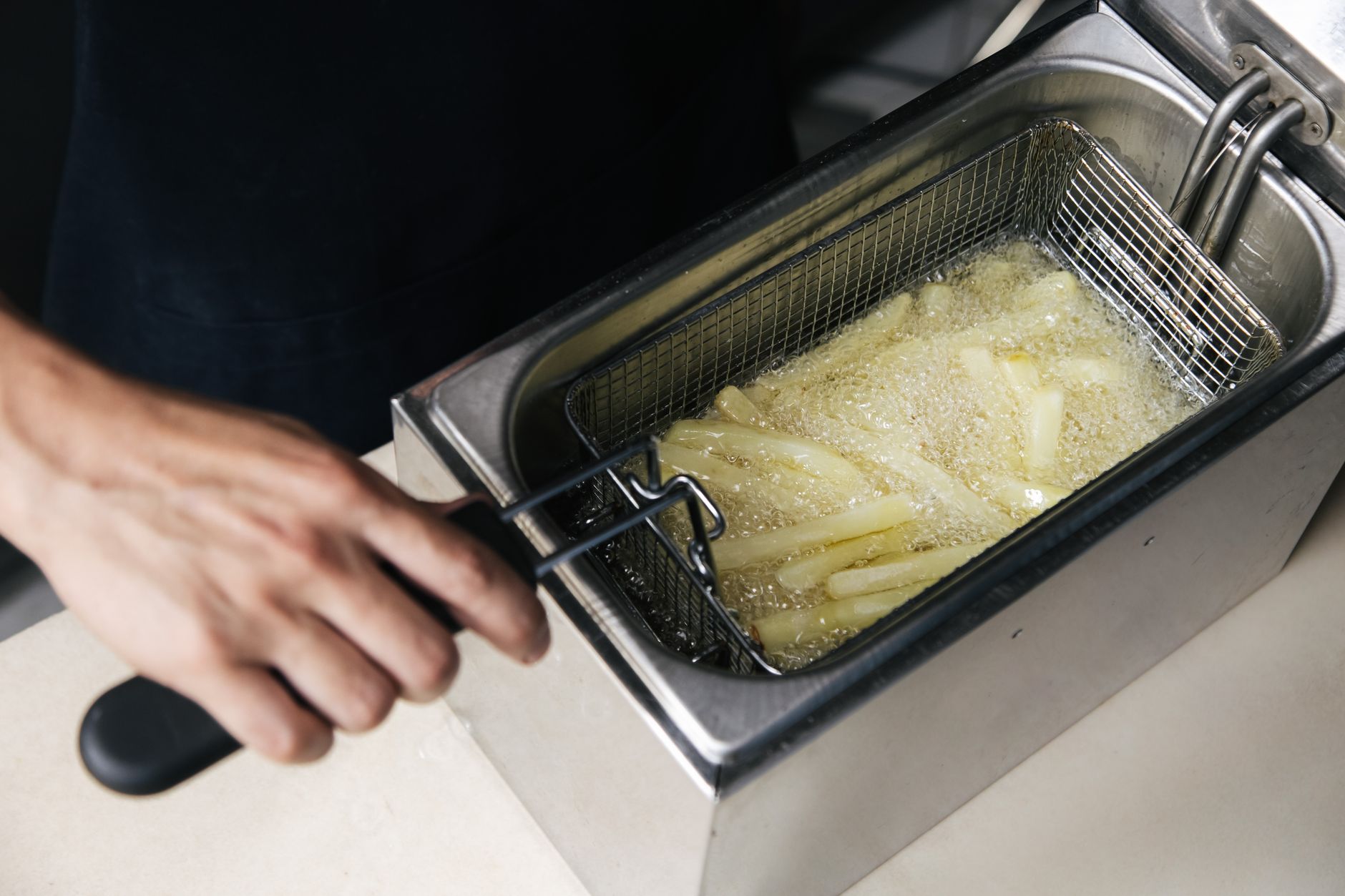
- First Fry: Heat oil to 160C (320F). Fry potatoes in batches for 45 minutes until soft but not colored. Remove and drain on paper towels.
- Rest: Let fries cool for 15 minutes to entrap moisture.
- Second Fry: Increase oil to 180C (356F). Fry again for 23 minutes until golden and crispy.
- Drain & Season: Remove fries, drain excess oil, then season immediately with salt or your preferred spices.
Risks and Benefits
Health Risks to Watch
Overheated or reused oils can form trans fats and oxidation products linked to inflammation and heart disease. Oils high in omega-6 fatty acids, like corn or soybean, may disrupt omega-3 balance if consumed excessively, as explained by the USDA FoodData Central. Moderation and proper oil handling help manage these risks.
Environmental Considerations
Palm oil, prevalent in many fried products, raises concerns over deforestation and habitat loss. Certified sustainable palm oil or alternatives like sunflower and canola oils are preferable for eco-conscious cooks. When possible, choose oils with transparent sourcing adhering to ethical standards.
Expert Cooking Tips
Food scientists recommend oils with balanced fat profiles and high stability at frying temps. Halal culinary experts stress verifying certification logos such as JAKIM, HMC, or IFANCA on packaging to ensure oils meet religious dietary rules. Cross-check with trusted sellers to avoid contamination risks.
For more insights on pantry staples, check out our feature on Canned tuna brands and how to shop smart with the Best credit card for groceries.
Is the best frying oil actually Halalwhat should I check?
Confirm Halal certification marks from recognized authorities such as JAKIM, HMC, or IFANCA on the bottle. Check the ingredients for animal-derived additives or cross-contamination notices. When in doubt, contact the manufacturer for clarification.
Which frying oil has the highest smoke point?
Avocado oil generally has the highest smoke point around 271C (520F), ideal for high-temperature frying. Refined peanut and sunflower oils also perform well above 220C (428F).
Can I reuse frying oil safely?
Yes, but limit reuse to 34 times. Always strain oil thoroughly and store it in airtight containers away from light and heat to minimize oxidation. Dispose of oil if it smells rancid or turns darker in color.
Does frying oil affect the crispiness of fries?
Absolutely. Oils with higher smoke points and stable fats help create a crisp exterior by maintaining optimal frying temperature without burning. Proper temperature and oil choice work hand in hand.
Are specialty fats like duck fat Halal?
They can be, but only if sourced and processed under strict Halal standards. Confirm certification and supplier transparency before purchase.
How do I read frying oil labels effectively?
Look for oil type, smoke point info, shelf life, and Halal certification. Avoid oils listing hydrogenated or partially hydrogenated fats to reduce trans fat intake. Check for allergen warnings if you have sensitivities.
What are the healthiest frying oils to choose?
Canola, sunflower, and rice bran oils are good choices due to their high unsaturated fat content and antioxidant presence. Moderation and freshness matter more than the type alone.
Pro Tips for Buying and Using Frying Oil
One common mistake is choosing cheap, low-quality oils that burn quickly and impart off flavors. Invest in clear label oils with verified smoking points and certification. Expert chefs often recommend canola oil for balancing cost, performance, and health.
Store oils in dark or amber glass bottles to minimize light exposure. When frying, dont overcrowd the panit drops temperature and causes soggy fries. Let oil heat fully before cooking.
Finally, avoid mixing different oil types in your fryerthis can lower smoke point and flavor consistency.
More You Might Like
Explore our guide on Canned tuna brands to enhance your quick meal options with trusted Halal seafood choices.
Save while shopping by reading about the Best credit card for groceriesmaximize rewards on your kitchen staples.
Conclusion
Selecting the best frying oil transforms ordinary fries into a delicious, crispy delight while honoring your health and Halal values. Seek oils with high smoke points, clear certification, and balanced fats. Whether you prefer neutral vegetable oils or rich duck fat, proper frying technique makes all the difference. Next time you cook, check your oils label, try out these tips, and share your resultsyour perfect fry awaits!
FAQs
Is best frying oil actually Halal — what should I check on the label?
Check for Halal certification logos from recognized authorities such as JAKIM, HMC, or IFANCA. Also verify the ingredients list for animal-derived additives and possible cross-contamination warnings. When in doubt, contact the manufacturer to confirm compliance with Halal standards.
What is the shelf life of frying oil after opening?
Once opened, frying oil should be used within 3 months for best quality. Store it in an airtight, opaque container in a cool, dark place to preserve freshness and prevent rancidity.
How does the best frying oil differ from common alternatives?
The best frying oils have high smoke points, balanced healthy fats, and neutral or complementary flavors, unlike oils that burn easily or contain unhealthy saturated fats. They also often carry Halal certification to meet dietary requirements.
Is it safe to reuse frying oil regularly?
Yes, but reuse oil no more than 3 to 4 times. Always strain it after use and store it properly to reduce harmful oxidation products. Discard oil if it develops off-smells, darkens, or thickens.
Where can I buy the best Halal frying oils?
You can find Halal-certified frying oils at specialty grocery stores, online Halal supermarkets, and trusted retailers that clearly display certification marks. Always verify authenticity before purchase.