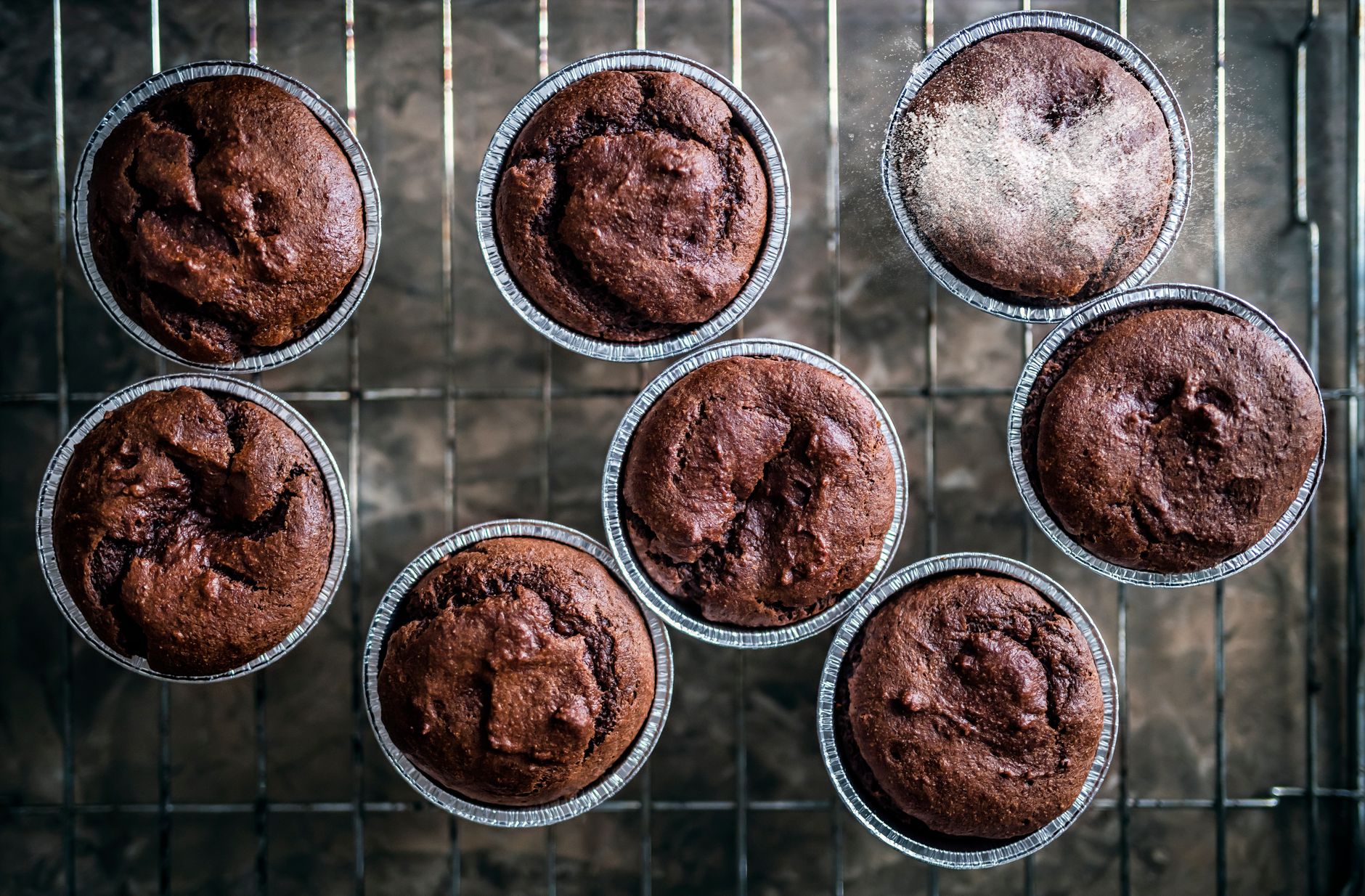
If youve ever started a baking project only to realize your baking powder is missing, you know the panic. The good news? A reliable baking powder substitute is often right in your pantryself-rising flour. Because it already contains baking powder along with salt, self-rising flour can step in perfectly for many recipes, simplifying your bake without extra leavening agents. Lets explore how to use this substitute correctly and what other alternatives you can count on to keep your baked goods fluffy and light.
Why Use Substitutes?
Baking powder is a leavening agent that creates bubbles by reacting acids and bases, helping doughs and batters rise and become tender. Sometimes you run out, or prefer to avoid commercial additives due to dietary concerns or Halal certification requirements. Knowing how to substitute baking powder helps you maintain your recipes texture and flavor without losing that signature rise.
Substitutes balance chemical reactions differently, so choosing the right one is essential to avoid dense or tasteless results. For example, self-rising flour contains baking powder and salt already, which lends natural lift but requires adjusted quantities elsewhere.
Self-Rising Flour Substitute
Self-rising flour is a blend of all-purpose flour, baking powder, and salt, prepared specifically for quick baking. It simplifies many traditional recipes by bundling ingredients youd typically measure separately.
When to use self-rising flour as a baking powder substitute? Its ideal in recipes like pancakes, biscuits, or quick breads, where the flour component can be adjusted easily. However, avoid swapping this in delicate cakes or recipes requiring precise flour-to-leavening ratios.
Adjust your recipe by replacing the regular flour and baking powder with the same amount of self-rising flour, but reduce or omit added salt since the flour blend already contains it.
How much self-rising flour do I use to replace baking powder?
To replace 1 teaspoon of baking powder, substitute 1 cup of all-purpose flour plus 1 1/2 teaspoons of self-rising flour. More simply, replace the entire flour amount with self-rising flour and skip the baking powder and salt additions. For example, if your recipe calls for 2 cups all-purpose flour and 2 teaspoons baking powder, use 2 cups self-rising flour instead and omit both baking powder and salt.
| Baking Powder | Self-Rising Flour |
|---|---|
| 1 teaspoon | 1 cup of self-rising flour replaces 1 cup flour + 1 tsp baking powder + pinch of salt |
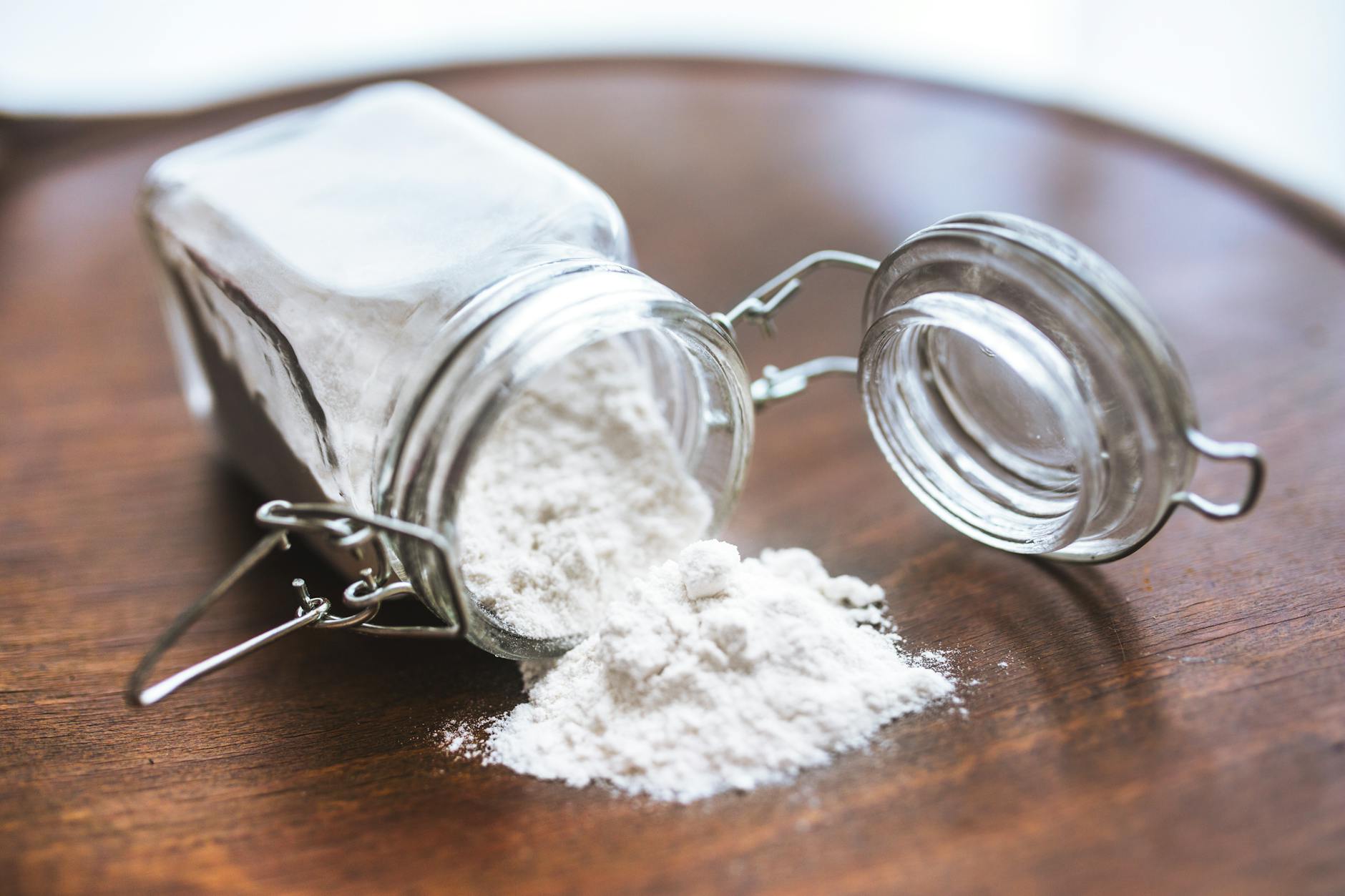
Other Baking Powder Alternatives
While self-rising flour is handy, it isnt always practical if your recipe calls specifically for all-purpose flour or you want to control salt levels. Here are other tried-and-true substitutions.
How to replace baking powder with baking soda and an acid?
Baking soda needs an acid to activate its leavening power. For every teaspoon of baking powder, use 1/4 teaspoon baking soda plus 1/2 teaspoon cream of tartar or 1 teaspoon lemon juice or vinegar.
This substitution creates a similar rise but requires stirring and baking soon after mixing, as the reaction begins immediately.
Can I use natural ingredients as baking powder substitutes?
Yes. Yogurt, buttermilk, lemon juice, and vinegar can provide natural acidity to activate baking soda. For example, replace each teaspoon of baking powder with 1/4 teaspoon baking soda plus 1/2 cup buttermilk or yogurt, reducing liquid from the recipe accordingly. These choices add moistness and a mild tang but may affect overall flavor and texture slightly.
| Substitute | Amount per 1 tsp baking powder | Pros | Cons |
|---|---|---|---|
| Baking soda + cream of tartar | 1/4 tsp baking soda + 1/2 tsp cream of tartar | Instant rise, shelf stable | Needs precise measuring |
| Baking soda + lemon juice/vinegar | 1/4 tsp baking soda + 1 tsp lemon juice or vinegar | Natural, adds flavor | May affect taste |
| Yogurt or buttermilk + baking soda | 1/4 tsp baking soda + 1/2 cup yogurt/buttermilk | Moist, mild tang | Adjust liquid quantities |
Tips and Precautions
Leavening is delicate. Using substitutes blindly can result in dense, gummy, or flavor-altered baked goods.
What happens if I substitute baking powder incorrectly?
Too little leavening yields a flat and dense texture; too much creates bitter taste or irregular rising. Also, missing the acid source with baking soda prevents activation, producing little to no rise.
Can I use baking powder substitutes for all baked goods?
Not all. Cookies usually tolerate small changes, while cakes and delicate pastries depend heavily on precise leavening. Experiment wisely and adjust other ingredients as needed.

Real-World Examples and Expert Tips
Home bakers often swap self-rising flour for baking powder with great success in biscuits and pancakes. Professional bakers advise starting with small recipe batches to tweak taste and texture.
Halal-conscious cooks can rest assured that many commercial self-rising flours are certified Halal. Check for seals from credible bodies like JAKIM, HMC, or IFANCA on packaging to confirm.
For further exploring how ingredient substitutions affect baking, see our detailed guide on Egg substitutes.
Is self-rising flour always Halal?
Most brands are Halal certified, especially those from trusted suppliers in Southeast Asia. Look for certification logos such as JAKIM (Malaysia), HMC (UK), or IFANCA (USA) to ensure compliance with Halal standards.
Can self-rising flour be used in bread baking?
Its better to avoid self-rising flour for yeast bread recipes. Its chemical leavening can interfere with yeast fermentation. Instead, focus on all-purpose flour or bread flour from certified Halal sources. For store-bought options, check our overview of White bread brands.
How do I adjust liquids when using yogurt or buttermilk substitutes?
Since yogurt and buttermilk add moisture, reduce other liquid ingredients by about 1/4 cup per 1/2 cup of dairy substitute used. This keeps batter consistency balanced and prevents sogginess.
What is the shelf life of self-rising flour?
Unopened self-rising flour lasts 68 months stored in a cool, dry place. Once opened, transfer to airtight containers and use within 3 months for best results, avoiding moisture and insects.
Will baking soda alone work as a leavening agent?
Baking soda requires acid to activate. Without acid, it will not produce carbon dioxide bubbles necessary for rising, often leading to flat and dense bakes.
Can I mix self-rising flour with other flours?
You can, but adjust the baking powder and salt accordingly. If self-rising flour is combined with all-purpose flour, omit the baking powder and salt from the recipe to avoid an overly salty taste.
Whats the difference between baking powder and baking soda?
Baking soda is pure sodium bicarbonate and requires acid plus moisture to activate. Baking powder contains sodium bicarbonate and acid salts, activating twiceonce when wet and again during baking.
Pro Tips for Substitutions
- Measure precisely to avoid density or bitterness caused by excess leavening.
- Always mix batter right before baking when using baking soda and acid substitutes to maximize rise.
- Experiment with small batches to fine-tune liquid adjustments when using yogurt or buttermilk substitutes.
- Check packaging for Halal certification to maintain your dietary guidelines.
More You Might Like
Looking for more ingredient swaps? Check our guide on Egg substitutes for allergy-friendly baking options. Interested in bread options? We reviewed popular White bread brands to help you pick Halal-certified loaves with clean labels.

Conclusion
When baking powder runs out, self-rising flour offers a seamless substitute thats often already Halal certified and ready to use. Just substitute wisely and adjust salt levels to keep your bakes fluffy and flavorful. Keep this guide handy for your next culinary adventureyou might be surprised how easily you can skip extra ingredients and still get excellent results. Happy baking!
FAQs
Is baking powder substitute actually Halal — what should I check on the label?
Most commercial baking powder substitutes like self-rising flour are Halal certified. Check for certification logos from trusted bodies such as JAKIM, HMC, or IFANCA on packaging to ensure compliance with Halal standards before purchasing.
What is the shelf life of self-rising flour after opening?
Once opened, self-rising flour should be stored in an airtight container and used within 3 months to maintain freshness and avoid moisture or insect contamination.
What is the difference between baking powder substitute using self-rising flour and baking soda with acid?
Self-rising flour contains baking powder and salt mixed in, offering convenience with consistent rise, while baking soda requires an acid (like cream of tartar or lemon juice) to activate and must be used immediately for effective leavening.
Is it safe to use baking powder substitutes daily in my baking?
Yes, it is generally safe to use baking powder substitutes daily. Just ensure correct measurements and ingredient choices to maintain taste and texture without overdoing leavening agents, especially if you have dietary concerns.
Where can I buy Halal-certified self-rising flour or baking powder substitutes?
Halal-certified self-rising flour and baking powder substitutes can be found at specialty grocery stores, halal markets, and online retailers. Always check product labels for Halal certification symbols from recognized authorities.