If youve ever stood in front of the seafood counter wondering how to spot the best salmon, youre not alone. Buying salmon takes more care than just picking a pretty pink fish. From understanding types like wild-caught and farm-raised to knowing what freshness looks and smells like, theres a lot to consider. This guide will help you shop confidently, pick quality salmon that aligns with your health and halal requirements, and get the most delicious and nutritious fish on your plate.
Why Buy Salmon Carefully
Salmon isnt just tasty; its a powerhouse of essential nutrients. Rich in omega-3 fatty acids, protein, and vitamins D and B12, it supports heart health, brain function, and overall wellness. However, how and where the salmon is sourced can affect these benefits as well as its taste and environmental footprint. Choosing the right salmon type influences not only your meal experience but also your commitment to sustainability and food safety.
Keep in mind, quality varies widely. Contaminants, improper storage, or misleading labels can lead to a poor or even unsafe product. A little knowledge helps you invest in salmon youll truly enjoy and feel good about eating.
Salmon Types Explained
Fresh vs. Frozen Salmon: Whats the Difference?
Fresh salmon usually means fish caught recently and kept chilled without freezing. But many "fresh" fillets may have been flash-frozen shortly after harvest and thawed before sale. Frozen salmon can be flash-frozen at sea or immediately after processing, locking in freshness until thawed properly at home.
Frozen options tend to be more convenient and often cost less while maintaining good quality. Properly thawed frozen salmon can be just as tender and tasty as freshbut frozen salmon improperly handled will lose texture and flavor.
Wild-Caught vs. Farm-Raised Salmon
Wild-caught salmon live and feed in their natural habitats like rivers and oceans. Their diet leads to a richer flavor, darker flesh, and higher omega-3 content. They tend to be seasonal, with prices fluctuating based on availability.
Farm-raised salmon are bred in controlled environments year-round. They offer more consistent supply and often a milder taste due to their diet. Advances in aquaculture have improved farmed salmons sustainability and safety, but concerns about environmental impact and contaminants remain.
Understanding these differences helps balance your budget, sustainability goals, and taste preferences.
| Salmon Type | Flavor Profile | Price Range | Sustainability | Nutrition | Availability |
|---|---|---|---|---|---|
| Fresh Wild-Caught | Rich, complex | Higher | Often better | Higher Omega-3 | Seasonal |
| Fresh Farm-Raised | Mild, buttery | Moderate | Mixed impact | Slightly different profile | Year-round |
| Frozen Options | Varies | Lower | Depends on source | Mostly preserved | Year-round |
How To Spot Fresh Salmon
Signs Of Freshness To Watch For
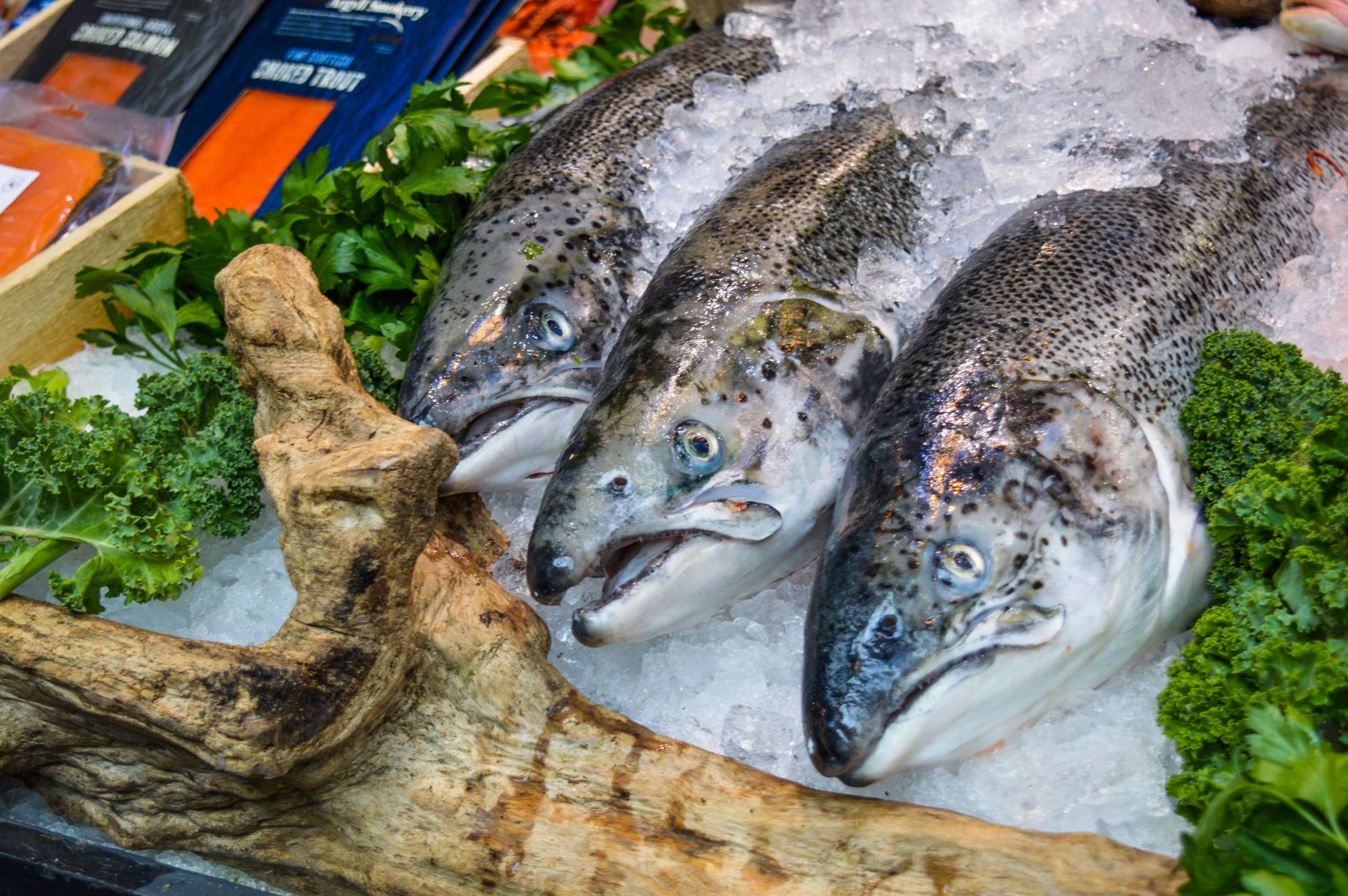
Fresh salmon should look moist but not wet or slimy. The flesh is firm, springs back when pressed lightly, and has a vibrant pink or deep orange color depending on the type. Avoid salmon showing discolored patches, dull or brownish edges, or excessive liquid pooling in the package.
Smell matters toofresh salmon smells clean and slightly like the sea, never fishy or sour. These cues tell you the salmon hasnt been sitting too long or kept improperly.
Imagine scanning rows of fish at your local marketgoing for fillets that almost glow with freshness. Trust your senses when they send clear signals.

Questions To Ask Your Fishmonger
Dont hesitate to ask the source of the salmon: Is it wild or farmed? When was it caught or delivered? Has it been frozen? These questions clarify freshness and help you verify halal certification if needed.
Your fishmonger should be able to provide details on handling and storage, reinforcing the products quality and safety.
Choosing The Right Salmon Cut
Common Cuts And Their Best Uses
Salmon fillets are flexible and popular for pan-frying, baking, or grilling. They often come skin-on or skinless, with skin adding flavor and crispiness when cooked right. Steaks are thicker cross-sections, ideal for grilling or broiling on the bone. Whole salmon allows for roasting or making your own cuts.
When shopping, consider the cooking method. Skin-on fillets excel on a hot grill but skinless options might suit quick sauts or sushi rolls. Thicker cuts hold up better for smoking or poaching.
Cooking Recommendations By Cut
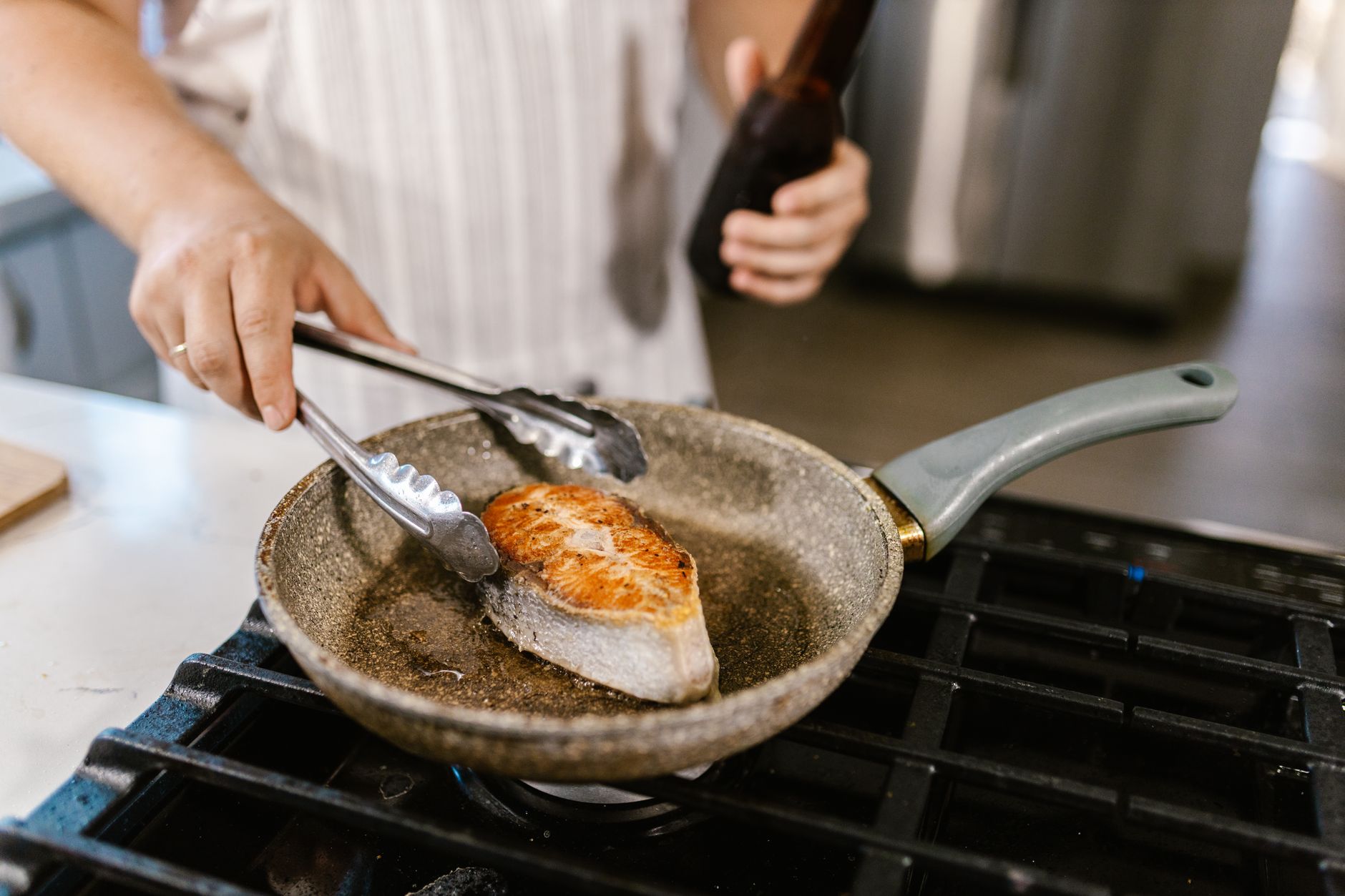
- Fillets: Bake at 180C (350F) for 12-15 minutes or pan-sear skin-side down for 6-8 minutes.
- Steaks: Grill on medium heat for 4-5 minutes per side until opaque.
- Whole salmon: Roast at 200C (400F) for 20-25 minutes depending on size.
Sustainability And Ethical Choices
When buying salmon, look for certifications like MSC (Marine Stewardship Council) or ASC (Aquaculture Stewardship Council) on packaging. These logos ensure the fish comes from responsible fisheries or farms meeting strict environmental and social standards.
Some farmed salmon operations still have challenges such as pollution or disease, but improvements continue. Wild salmon stocks vary by region, so certified options mean less impact on ocean ecosystems.
Supporting sustainable choices protects the oceans future while giving you quality fish.
Storing Salmon At Home
Fresh salmon lasts 12 days refrigerated at 04C (3239F) in a sealed container or wrapped tightly in plastic wrap. If you cant cook it within this time, freezing is best to maintain quality.
Frozen salmon keeps well for 36 months. When thawing frozen fish, plan ahead and thaw it overnight in the fridge. Avoid room temperature thawing to reduce risk of bacteria growth.
Salmon Nutrition Facts
Salmon is an excellent source of omega-3 fatty acids EPA and DHA, which promote cardiovascular and cognitive health, according to the USDA FoodData Central. It provides roughly 22-25 grams of protein per 100 grams serving, with essential vitamins D, B12, and selenium.
Wild-caught salmon usually packs higher omega-3s due to its natural diet, while farmed salmon may have slightly different fatty acid profiles but still delivers key nutrients. Remember to balance servings with other healthy foods.
Tasting Good Salmon
Good salmon tastes fresh, mildly sweet, and rich with a velvety texture. Wild salmon has a stronger, more complex flavor, while farmed tends to be softer and buttery. When fish tastes overly fishy, sour, or dry, its a sign of age or poor handling.
Trust your palate and senses: a clean aroma and balanced flavor mean youre eating the best.
Other Popular Salmon Products
Besides fresh or frozen, smoked salmon offers smoky, savory flavors perfect for breakfasts or appetizers. Canned salmon is convenient and shelf-stable, useful in salads or spreads. Salmon jerky provides a protein-packed snack, though watch sodium levels.
Choose these based on meal needs, storage ability, and halal certification.
Weee groceries often feature a wide selection of halal-certified and specialty salmon products worth exploring.
Certification & Buying Checklist
| Certification | Price Range | Common Formats | Shelf Life | Key Allergens |
|---|---|---|---|---|
| JAKIM, HMC, IFANCA | $10$30 per lb | Fillets, Steaks, Whole, Smoked, Frozen | 1-2 days fresh; 3-6 months frozen | Fish |
Is buying salmon actually Halal what should I check?
Salmon is naturally halal as its a type of fish permitted under Islamic dietary laws, according to JAKIM halal certification standards. However, check for proper halal certification like JAKIM, HMC, or IFANCA on packaging, especially for processed salmon products that may contain additives or be handled in non-halal environments.
How do I know if salmon has been previously frozen?
Labels usually indicate previously frozen or flash-frozen. Fresh salmon without this note is less likely to have been frozen, but ask your fishmonger if uncertain.
What is the best way to thaw frozen salmon safely?
Thaw salmon overnight in the refrigerator inside a sealed container. Avoid thawing at room temperature or using hot water to prevent bacterial growth or toughening the flesh.
Can farm-raised salmon be as nutritious as wild-caught?
Yes, farm-raised salmon is nutritious and contains omega-3 fatty acids, though levels can vary slightly from wild types. Both provide excellent protein and essential nutrients.
How can I tell if salmon is fresh by smell?
Fresh salmon smells clean and mildly oceanic. A sour, ammonia-like, or overly fishy odor indicates spoilage or aging fish.
Are smoked or canned salmon halal?
Smoked and canned salmon can be halal if made with halal-certified ingredients and processing. Always check certification logos on packaging.
What cooking methods preserve salmons nutrition best?
Steaming, baking, and poaching preserve most nutrients, including omega-3s. Grilling and pan-searing are tasty but may cause slight nutrient loss through high heat.
Most overlooked buying mistake for salmon?
One common error is buying the cheapest salmon without checking freshness or source. Cheap salmon can be previously frozen multiple times or from questionable farms, resulting in a less flavorful, less nutritious product.
Why do cheap versions disappoint?
Lower-priced salmon often compromises on quality, sometimes showing dull color, mushy texture, or off-smell. You may get less omega-3 and more additives, impacting taste and health.
One expert tip for buying salmon
Always look for certification logos confirming halal and sustainable sourcing, and learn your local fishmongers reputation. Freshness and transparency about the products journey make a big difference.
How to save money on groceries includes strategies that help balance quality and budget when purchasing premium products like salmon.
More You Might Like
Explore our guide on Weee groceries, offering halal-certified seafood including salmon and specialty items. Interested in reducing your grocery bills? Check out tips for how to save money on groceries while choosing quality products.

Conclusion
Buying salmon can be simple when you know what to look for. Focus on freshness, understand the differences between wild and farmed, and always check for halal certification. Following these tips helps you pick salmon thats delicious, nutritious, and responsibly sourced. Next time you shop, pay attention to labels and freshness cuesyoull enjoy every bite more. Feel free to share your own experiences or tips below!
FAQs
Is buying salmon actually Halal — what should I check on the label?
Salmon is naturally halal, but you should check for proper halal certification logos such as JAKIM, HMC, or IFANCA on the packaging. This is especially important for processed or smoked salmon to ensure additives and handling comply with halal standards.
How long does fresh salmon last after opening?
Fresh salmon lasts about 1-2 days refrigerated at 0-4°C in a sealed container or tightly wrapped. For longer storage, freezing is recommended to maintain quality and safety.
What is the difference between wild-caught and farm-raised salmon?
Wild-caught salmon have a richer flavor, darker flesh, and higher omega-3 content from their natural diet, but are seasonal and pricier. Farm-raised salmon offer consistent availability year-round with a milder taste, though environmental and nutritional differences exist.
Is it safe to eat salmon daily?
Yes, eating salmon daily can be safe and nutritious, providing essential omega-3s and protein. However, vary your diet to balance nutrient intake and avoid potential contaminants from specific sources.
Where is the best place to buy quality salmon?
Buy quality salmon from reputable fishmongers, trusted grocery stores with halal certification, or specialty halal markets. Ask questions about the source, freshness, and handling to ensure the best product.