Okay, let's cut to the chasehow do you actually know when a mango is perfectly ripe? Because honestly, biting into a hard or sour mango is one of those little kitchen disappointments we all want to avoid. The good news? You dont need to be a fruit expert or have magic powers. Just a little love and a few simple checks like how the mango feels, looks, and smells will tell you if its ready to eat. Sounds good, right?
But hey, ripe mangoes arent just about sweetness and juicinesstheyve got some quirks, and if you dont pay attention, you might end up with a mushy mess or a fruit that tastes like its still finding itself. So, lets dive in and get you confident in spotting those ripe mango signs without any guesswork or fruit drama.
How a Ripe Mango Feels
First up: touch. Yep, just by holding that mango in your hand, you can tell a lot. Ever heard of the mango ripeness test? Its as simple as giving your mango a gentle squeeze. But be gentle, okay? Imagine youre giving your best buddy a soft, reassuring handshakenot a bear hug.
A ripe mango should feel slightly soft and plump, like a peach or an avocado when its ready. It gives in just a teeny bit under your fingers but shouldnt feel squishy or mushy. If its rock hard, well, thats a classic sign its not ripe yetkind of like when youre waiting in line and everything feels tense and tight. Too soft, on the other hand? That mango is on its last legs, and you might want to eat it fast.
Keep in mind, different mango types can feel a little different when ripe. An Ataulfo mango, for example, is softer and smaller, while an Alphonso might hold its shape a bit more. So dont stress too muchget familiar with your favorite variety!
One quick tip: if you happen to buy mangoes that arent quite ready yet, a handy trick to ripen them quicker at home is to keep them in a paper bag with a banana. The ethylene gas that bananas release will work its magic and usually get those mangoes ready faster.
How a Ripe Mango Looks
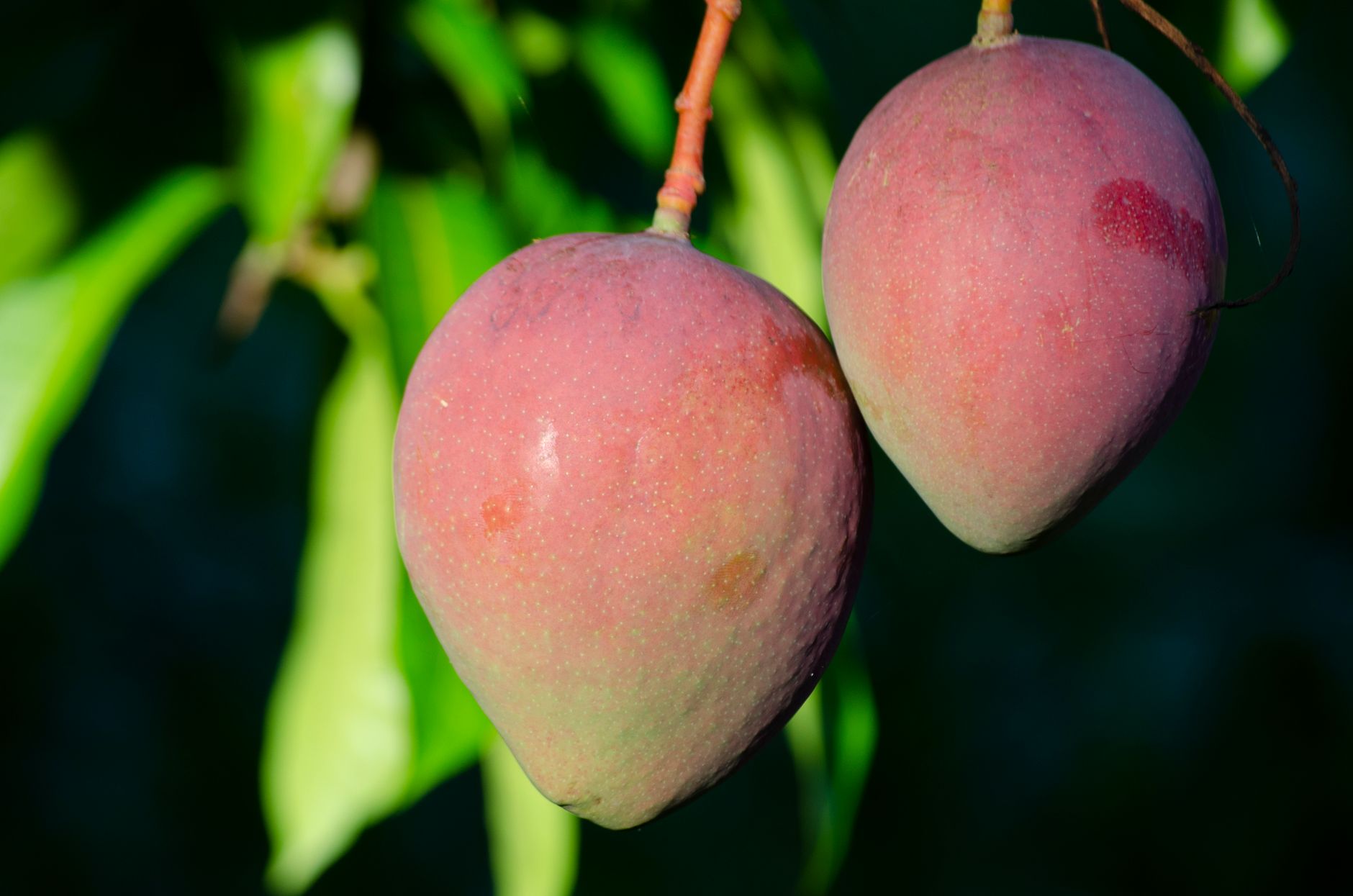
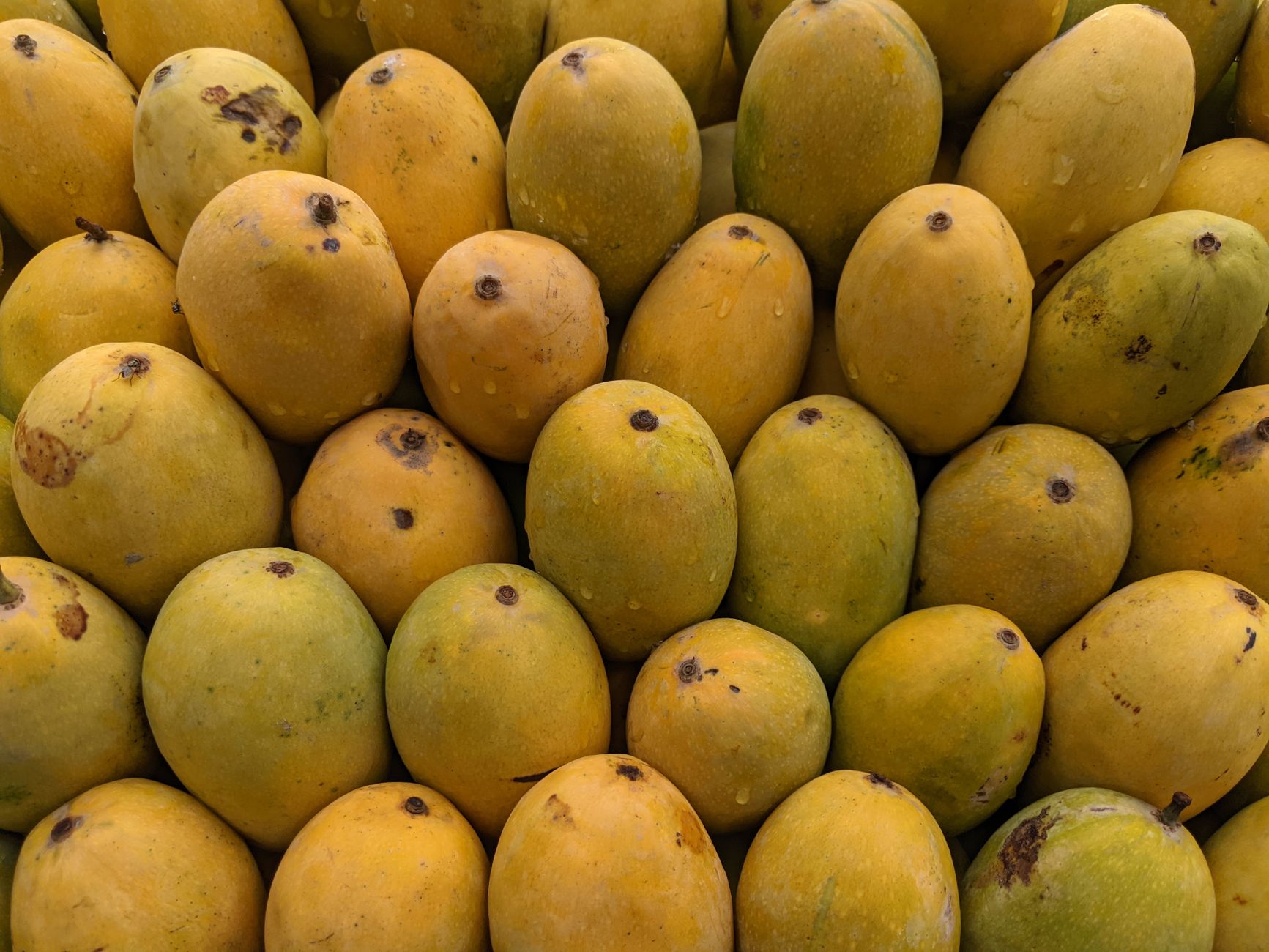
Okay, so feeling is great, but visuals matter too. A ripe mangos skin has some subtle signs if you know where to look. Think of those delicate wrinkles on the skin, kind of like smile lines on a face thats seen some good times. Those wrinkles tell you the mango is mature and juicy inside.
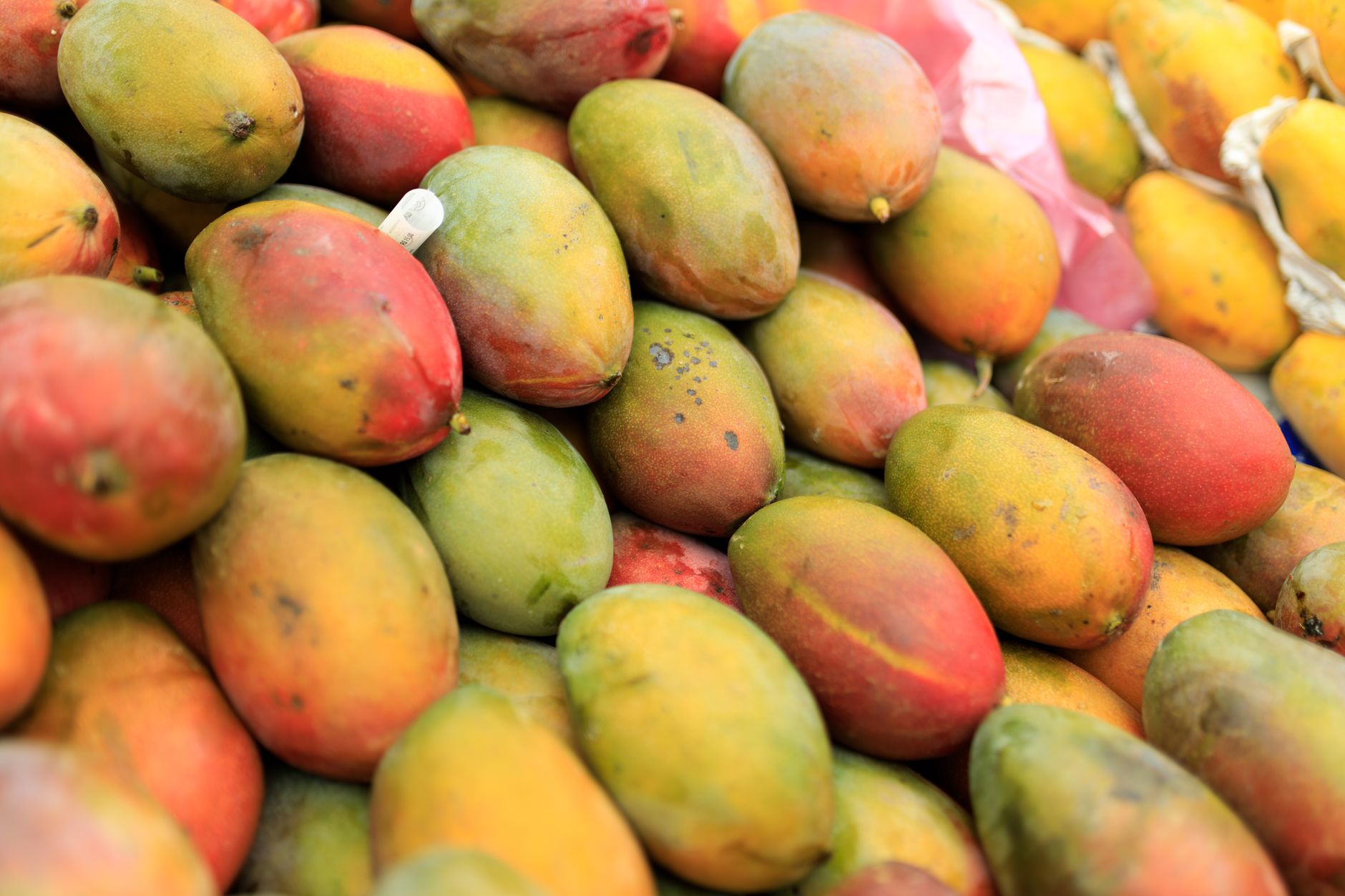
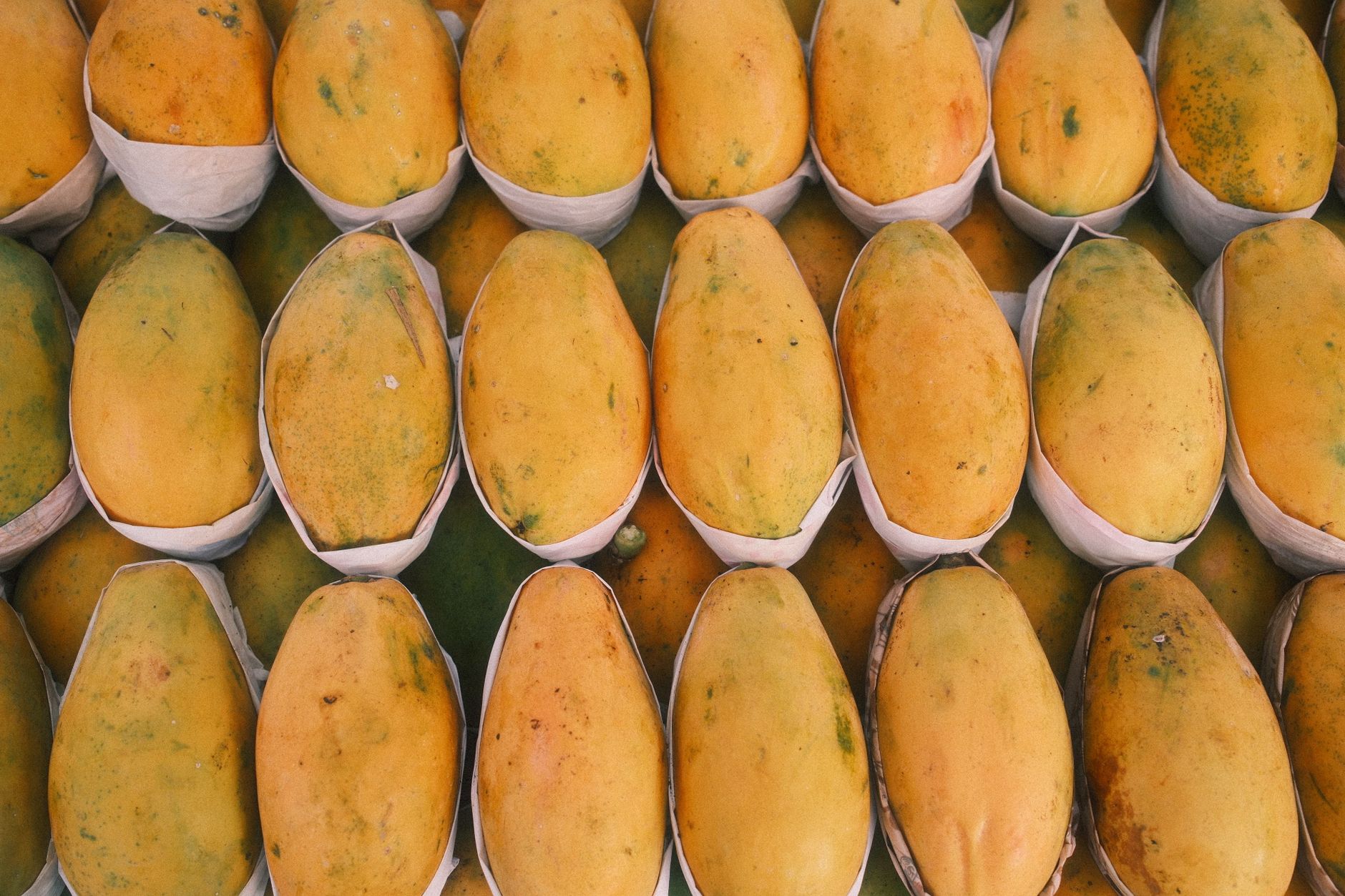
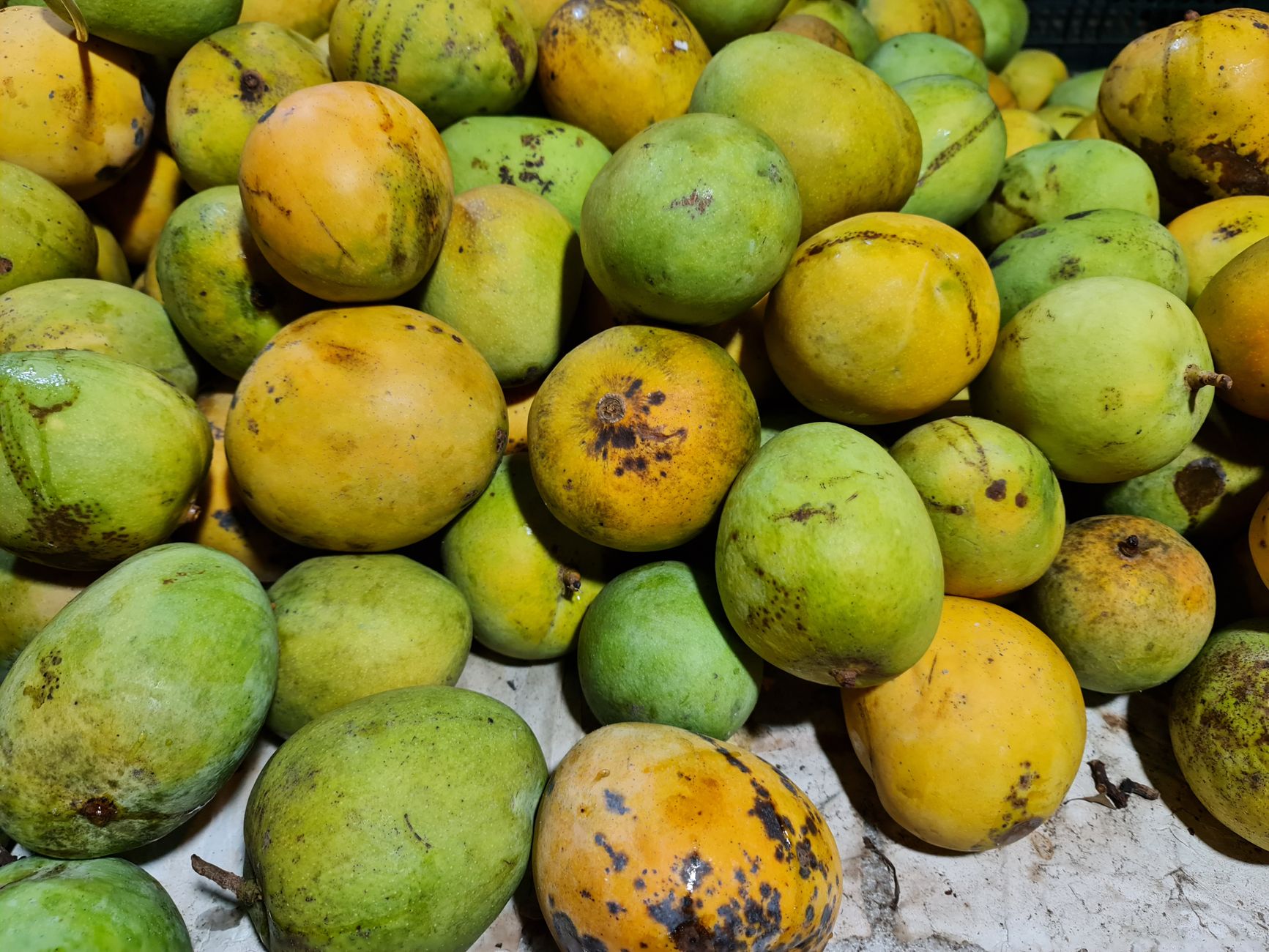
Colors can range a lot, though, depending on the varietybright yellows, deep reds, or even a bit of green here and there don't necessarily mean "ripe" or "not ripe" on their own. Trust me, Ive bit into many greenish mangoes that turned out to be sweet surprises, and super red ones that were disappointments. So, use color as a hint but dont rely on it alone.
Also, keep an eye out for blemishes or black spots. A few dark freckles here and there are usually okay and happen naturally, but large black patches or moldy spots arent good news. Those are signs of an overripe or spoiled mango.
If youre curious about different types and what their ripe skin should look like, you can find plenty of helpful info and grower tips in guides about how to save money on groceries, which often include buying seasonal fruits like mangoes at their best.
How a Ripe Mango Smells
Now, for one of the best partsyour nose knows! Smell is a super reliable way to check mango ripeness, and honestly, who can resist sniffing a mango? A ripe mango should have a sweet, fragrant aroma that's almost heady or floral, especially near the stem end. If it smells kinda sharp, sour, or has zero scent, thats your clue it might either not be ripe or past its prime.
Try this little test next time: hold the mango close to your nose, take a gentle sniff near the stem, and see what you get. That fruity sweetness means youre probably good to go. If its faint or missing, give it a few days. But if it smells weird or off, better skip itno one wants that surprise after a first bite!
Smell works best when mangoes are at room temperature, so chilling them in the fridge dulls the aroma. So, let your mango warm up before the sniff test. Its worth the wait.
Balancing the Benefits and Risks of Ripe Mangoes
Mangoes are like sunshine in your mouth when theyre ripeso juicy, sweet, and packed with vitamins like A and C. Theyve got antioxidants that are great for your skin and immune system, plus a bit of fiber to keep things moving. But hey, as with anything good, theres a little caution required.
First, eating underripe mangoes? Your taste buds might rebeltheyre often sour and tough. And overripe mangoes? They could be a mushy, fermented nightmare that upset your tummy if youre luckyor worse, they can harbor mold growth that's best avoided. So checking ripeness carefully is more than just a foodies snobbery; its about enjoying your mango safely and deliciously.
Also, keep in mind some people might have a mild allergy to mango skin due to urushiol (the same irritant in poison ivy). Thats rare but worth knowing if your skin gets itchy around mangoes.
Extra Mango Tips Youll Love
Want to stretch your mango magic? Storing ripe mangoes correctly can save the day. Once ripe, pop mangoes in the fridgetheyll slow down the ripening and stay fresh for a few more days. Just take them out a little before eating to warm up and bring back that full flavor.
And if your mango suddenly looks too ripe but youre not ready to eat it, freezing the flesh is a great option. Blend it into smoothies or freeze it as cubes to sweeten sauces or desserts. No waste, all yum.
Still wondering how to spot that perfect mango at the store? The mango ripeness test we talked aboutfeel, look, and smellis your best combo. Sometimes you gotta use all senses to crack natures code, right?
So there you have it3 easy ways to tell if a mango is ripe! Next time you grab one, give it a little squeeze, a curious sniff, and a good look. The payoff? Juicy sweetness and a little tropical hug for your taste buds. Mangoes really do show a lot if you pay attention. Whats your favorite mango momentripe mango recipes, picking tips, or even mango mishaps? Share your mango tales or questions below. Lets keep the conversation juicy!
FAQs
How can I tell if a mango is ripe by touch?
A ripe mango should feel slightly soft and yield gently under your fingers, similar to a ripe peach or avocado, but it should not be mushy or overly squishy.
Does the color of a mango always indicate ripeness?
No, mango color varies by variety and is not a reliable sole indicator. Some ripe mangoes can still have green patches, while red or yellow colors can be misleading.
What does a ripe mango smell like?
A ripe mango typically has a sweet, fragrant, and slightly floral aroma near the stem end, signaling it is ready to eat.
Can I ripen unripe mangoes at home?
Yes, placing unripe mangoes in a paper bag with a banana can speed up ripening because of the ethylene gas released by bananas.
How should I store ripe mangoes to keep them fresh?
Store ripe mangoes in the refrigerator to slow down ripening and extend freshness. Take them out a little before eating to enhance flavor and aroma.