Seeing yellow chicken in your fridge can be a bit unsettling. Is it safe to eat? Does the yellow skin or fat mean the meat is spoiled or unhealthy? Yellow chicken safety is a common concern because this color difference raises many questions. The truth is, a yellowish hue on chicken doesnt automatically mean its unsafe. Factors like the chickens diet, breed, and even storage can influence its color. Knowing how to distinguish naturally yellow chicken from spoiled poultry will help you enjoy your meal without worry.
Chicken Color Meaning
The color of chicken can vary quite a bit, especially in the skin and fat. Sometimes, the skin looks pale white, and other times it has a golden, yellowish tint. This yellow color often puzzles home cooks.
Why Is Chicken Sometimes Yellow?
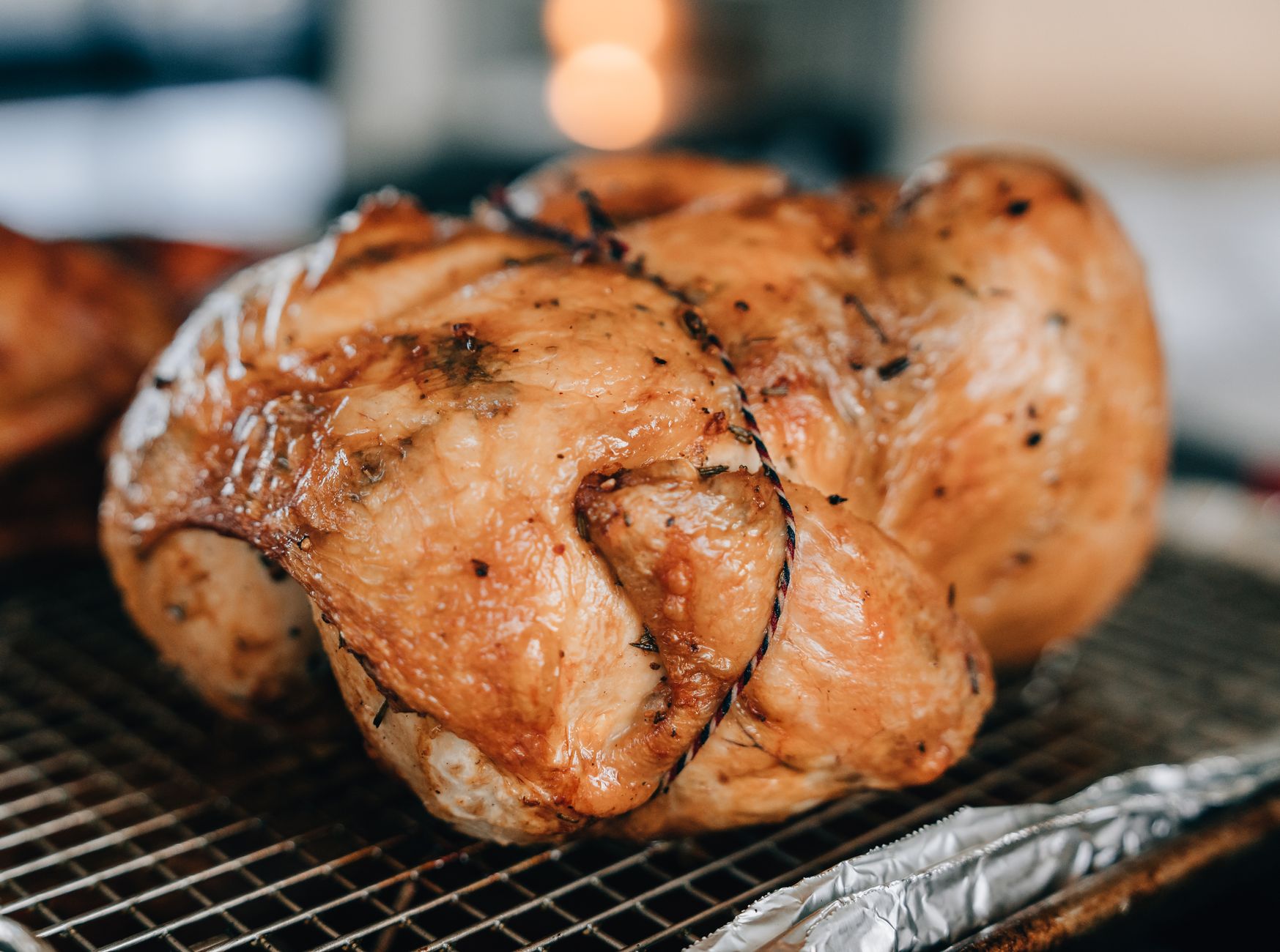
Yellow chicken skin and fat are usually the result of a chicken‘s diet and breed. Chickens fed corn or marigold petals tend to develop a yellow pigmentation called xanthophylls in their fat and skin. Pasture-raised hens are more likely to have this natural hue compared to grain-fed birds. Some breeds also produce skin that is naturally more yellow.
Its important to note that yellow tint mostly appears in the skin or fat, while the meat itself usually stays light pink or white. So yellow skin doesnt mean the meat is yellow or spoiled.
Does Yellow Chicken Mean Its Bad?
Yellow chicken alone is not a sign that the meat is spoiled or unsafe. Fresh chicken can have slightly yellow skin and still be perfectly good to cook. However, yellow accompanied by other signs like unpleasant smell or slimy texture could be a red flag.
Examples of Safe Yellow Chicken vs. Spoiled Chicken
| Characteristic | Safe Yellow Chicken | Spoiled Chicken |
|---|---|---|
| Color | Light yellow tint on skin/fat; pinkish/white meat | Dull, grayish, greenish, or excessively dark yellow with spots |
| Smell | Neutral, fresh poultry scent | Sour, ammonia-like or rotten odor |
| Texture | Firm, slightly moist | Sticky, slimy, or tacky surface |
| Other | Clean appearance, no mold or unusual spots | Visible mold, milky fluid, or discoloration spots |
Chicken Freshness Test
When it comes to yellow chicken safety, relying solely on color isnt enough. You want to confirm the chickens freshness before cooking or consuming it.
How to Tell If Chicken Is Fresh or Spoiled
A simple sensory test works best. Use these key indicators:
- Smell: Fresh chicken smells clean with no strong odor. A sour or ammonia-like smell means its spoiled.
- Texture: Fresh chicken is firm but pliable. It feels moist but not sticky or slimy.
- Appearance: The skin and flesh look vibrant. Avoid meat with gray, green, or off-color patches.
Common Chicken Spoilage Signs You Shouldnt Ignore
- Slimy or sticky residue on the surface.
- Unpleasant sour or chemical smell.
- Discoloration beyond natural yellow tones such as gray or green spots.
- Presence of mold, fuzz, or abnormal spots.
Step-by-Step Chicken Freshness Test at Home
- Visual check: Examine color and surface. Fresh chicken has pinkish meat with possible yellow skin; no mold or spots.
- Smell check: Sniff the packaged or raw meat. Discard if any sour or ammonia odors are detected.
- Touch test: Press lightly on the chicken surface. Fresh meat springs back, and theres no stickiness.
- Packaging date: Check the use-by or sell-by date to gauge freshness.
Safety and Risks
Is Eating Yellow Chicken Safe?
Yes, eating yellow chicken is safe as long as the chicken passes basic freshness tests. The yellow tint does not compromise quality, flavor, or safety. Some consumers even prefer yellow-skinned chicken, believing it has richer flavor or tender meat.
That said, caution is wise when chicken has an off smell, slimy texture, or abnormal color changes inconsistent with natural yellow skin. Improper storage or handling can cause bacterial growth, regardless of skin color.
Can Yellow Chicken Cause Food Poisoning?
Chicken color doesnt directly cause food poisoning. Instead, risks come from harmful bacteria like Salmonella or Campylobacter that grow on improperly stored meat. If yellow chicken is handled correctly, cooked to an internal temperature of 165F (74C), and stored properly, the risk is minimal.
Expert Tips for Safe Chicken Consumption
- Cook chicken to 165F (74C) using a food thermometer.
- Never thaw chicken at room temperature; instead, thaw in the fridge for 24 hours or use cold water sealed method.
- Store raw chicken in an airtight container at or below 4C (40F).
- Use chicken within 12 days of purchase or freeze for longer storage.
By following these simple guidelines, yellow chicken remains just as safe and tasty as any other poultry.
Warning Signs Beyond Color
If you spot odors like sour or ammonia smells, or feel a sticky/slimy surface, these are clear signs your chicken has gone badnot the yellow tint itself.
Other signs include:
- Unnatural, dull or greenish discolorations.
- Visible mold or fuzzy patches.
- Excessive leakage of milky fluid.
If any of these appear, discard the chicken immediately to avoid foodborne illness.

Is yellow chicken actually Halal what should I check?
Yellow chicken can be Halal as long as it is slaughtered and processed according to Halal standards. Look for trusted certification logos such as from JAKIM, HMC, or IFANCA on the packaging. These certifications ensure the chicken meets Islamic dietary requirements regardless of its color.
When is the best time to eat yellow chicken?
Eat yellow chicken fresh, ideally within 12 days of purchase. If frozen, consume within 912 months for best quality. Make sure it shows no spoilage signs and is cooked thoroughly to 165F (74C) for safe consumption.
Does yellow chicken have different nutritional benefits?
The yellow tint mainly comes from pigments in the chickens diet and does not affect nutritional value significantly. Yellow chicken has comparable protein, fat, and vitamin content to white-skinned chicken.
Can marinating affect yellow chicken color?
Yes, acidic or soy-based marinades can slightly darken the skin but dont impact freshness. Always marinate in the fridge and use within 24 hours to maintain food safety.
How should I store yellow chicken to maintain safety?
Store raw chicken below 4C (40F) in sealed containers or packaging. Keep it separate from other foods to avoid cross-contamination. Freeze it if not using within 2 days to preserve freshness and safety.
Are organic or free-range yellow chickens safer?
Organic and free-range chickens often have more yellow skin due to varied diets. These chickens can be equally safe when handled properly. Their natural yellow color doesnt indicate added risk but often points to more natural feed.
What internal temperature ensures yellow chicken safety?
Use a meat thermometer to ensure your chicken reaches an internal temperature of 165F (74C) at the thickest part. This kills harmful bacteria and guarantees safe eating regardless of skin color.
More You Might Like
If you enjoy learning about meat and cooking safety, check out this detailed guide on Coulotte steak grilling for perfect steak tips. Also, discover the different varieties and quality indicators in the type of meat bologna article to expand your knowledge about processed meats.
Summary
Yellow chicken safety depends on more than just the color. The yellow tint in chicken skin and fat is often natural, influenced by diet and breed, and not a sign of spoilage. To be certain your chicken is safe, use smell, texture, appearance, and packaging date as your guides. Always follow good food handling and cooking practices to avoid any risks. Next time you pick up chicken with yellow skin, dont worryjust give it a proper freshness check, and enjoy your meal safely!
FAQs
Is yellow chicken safety actually Halal — what should I check on the label?
Yellow chicken can be Halal if it is slaughtered and processed according to Halal standards. Check for trusted certification logos such as JAKIM, HMC, or IFANCA on the packaging to ensure it meets Islamic dietary requirements regardless of its color.
When is the best time to eat yellow chicken safely?
It is best to eat yellow chicken fresh within 12 days of purchase. If frozen, consume within 9 to 12 months for optimal quality. Always check for spoilage signs and cook chicken thoroughly to an internal temperature of 165°F (74°C) before eating.
How long does yellow chicken last after opening or thawing?
Once opened or thawed, raw yellow chicken should be used within 1 to 2 days if refrigerated at or below 4°C (40°F). If frozen, it can last up to 9 to 12 months, but always inspect for freshness before cooking.
Is yellow chicken different from regular chicken in terms of safety?
Yellow chicken differs mainly in skin pigmentation due to diet or breed but shares the same safety standards as regular chicken. Handling, storage, and cooking practices remain key to ensuring both types are safe to eat.
Where can I buy safe yellow chicken with Halal certification?
You can find halal-certified yellow chicken at trusted supermarkets, halal butchers, or specialty stores. Always look for recognized Halal certification logos on packaging to ensure the chicken meets halal dietary laws.