SnackWell‘s cookies were once a household name, riding the wave of the 90s fat-free snack craze. However, despite their initial popularity, SnackWell‘s cookies eventually vanished from store shelves. The fascinating story behind their disappearance centers around fat-free marketing that misled consumers and unintended health consequences. Understanding what happened with SnackWell‘s cookies offers important lessons about nutritional claims and smart snacking choices today.
SnackWell‘s 1990s Popularity
What Made SnackWell‘s Cookies Popular in the 90s?
During the 1990s, fat-free dieting trends swept the nation. Consumers were eager for tasty snacks that seemed to promise guilt-free indulgence. SnackWell‘s cookies capitalized on this by marketing themselves as fat-free and diet-friendly, hitting the sweet spot for health-conscious snackers chasing weight loss goals.
Bold, bright packaging emphasized fat-free, catching shoppers eyes. Advertisements targeted women and dieters eager to enjoy sweets without the fat calories. This marketing strategy hugely boosted SnackWell‘s cookies sales, positioning the brand as a pioneer in fat-free treats.
What Was Included in Their Product Line?
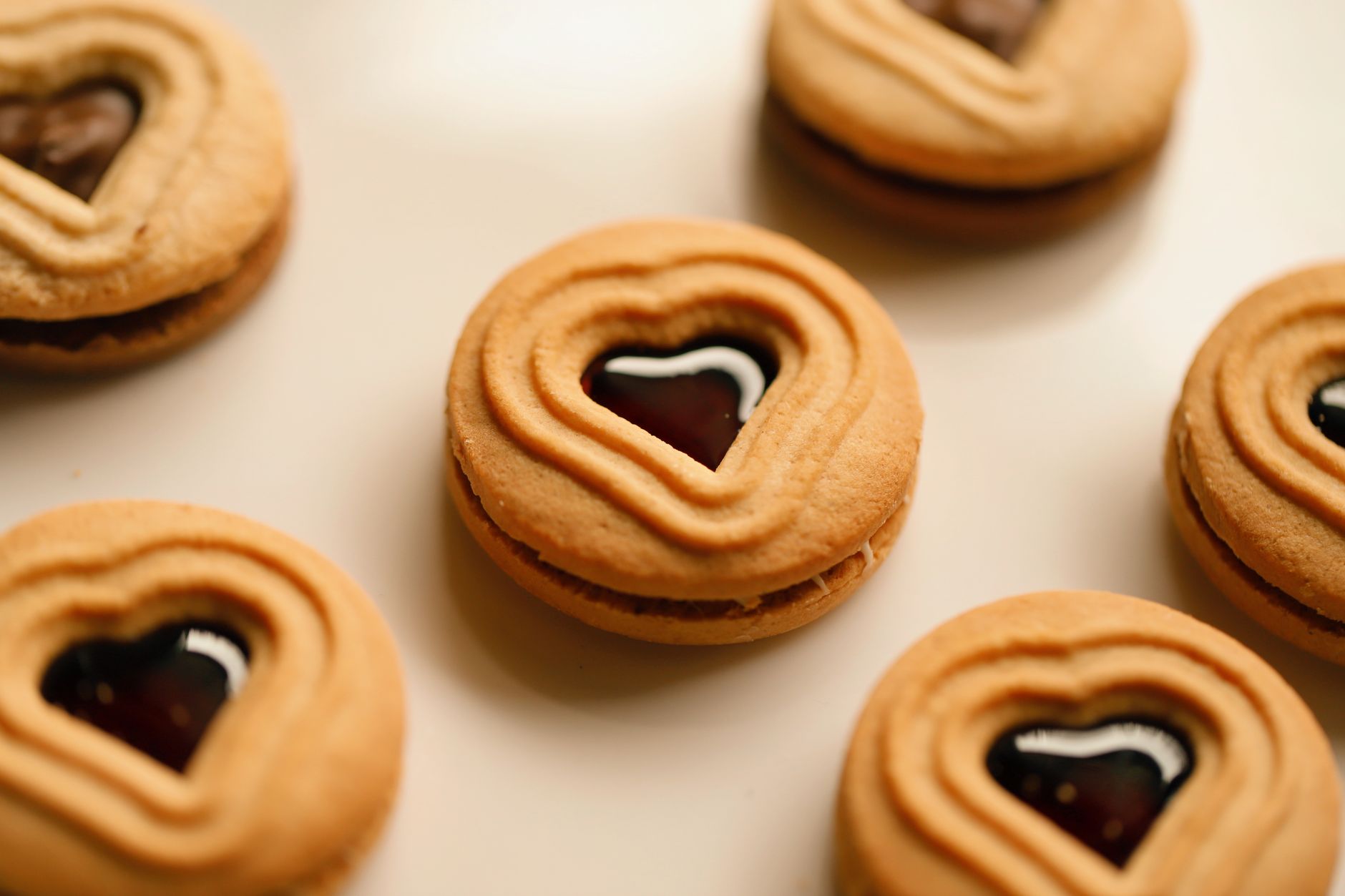
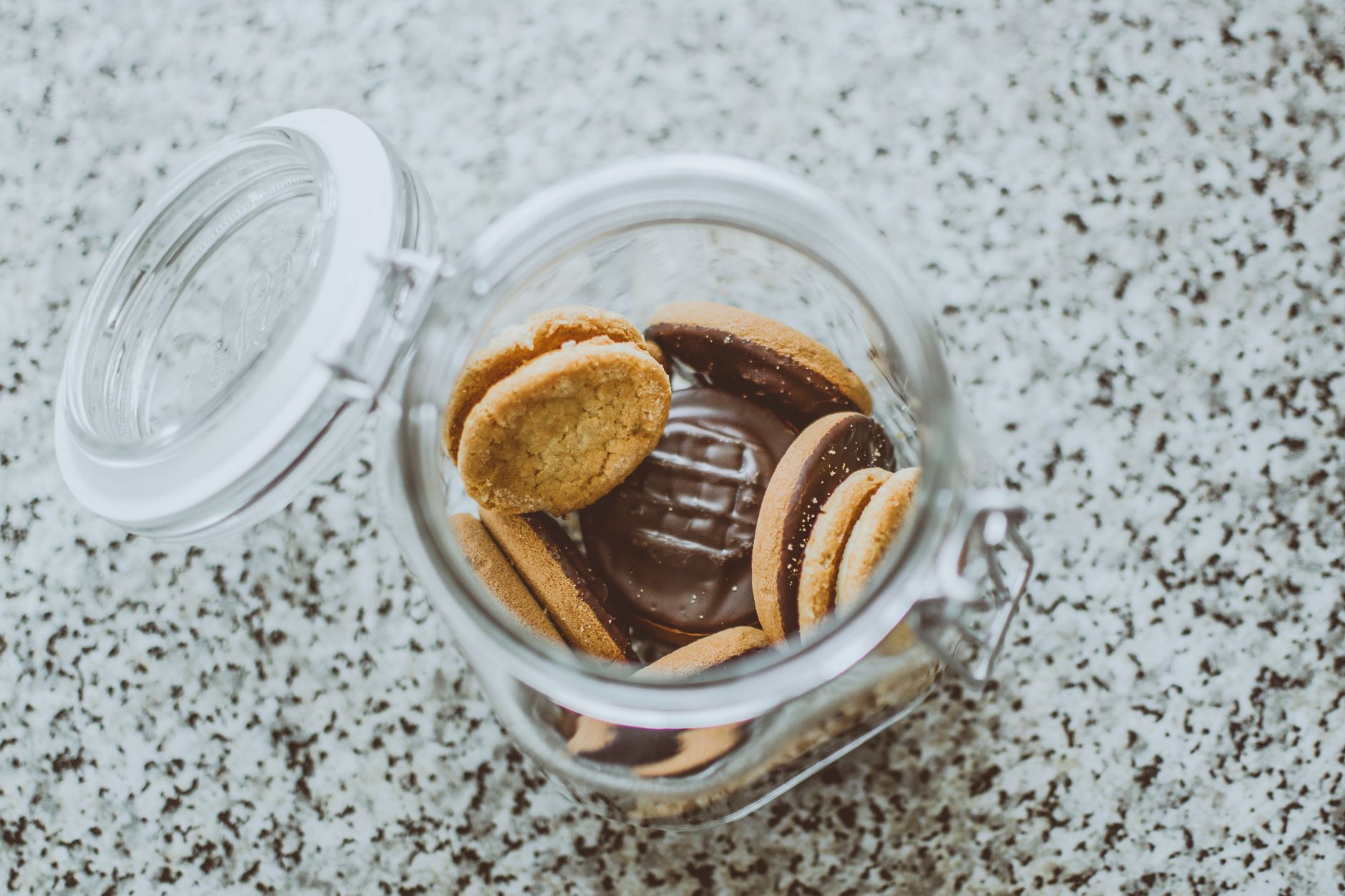
SnackWell‘s offered a variety of cookies and snack cakes, including devils food cookie cakes, vanilla wafers, and sandwich cookies. Their product line sought to provide familiar flavors with a fat-free twist. These cookies were low in fat but often higher in sugar to preserve flavor and texture.
This snack range fit perfectly into the larger 90s snack food landscape, where reduced fat was sometimes prioritized over balanced nutrition. Consumers found an array of indulgences, all guilt-freeor so they thought.
SnackWell‘s Cookie History in Brief
SnackWell‘s launched in the early 1990s and quickly rose to prominence. Peak popularity came mid-decade when fat-free products were in high demand. However, by the late 90s and early 2000s, sales declined. Increased public health awareness and backlash against misleading fat-free labeling played key roles in this decline.
The SnackWell‘s Effect
What Is the SnackWell‘s Effect?
The SnackWell‘s Effect describes a behavioral phenomenon where consumers eat more of a fat-free product, mistakenly believing it is healthier or less caloric. This phenomenon turned out to contribute to overeating rather than weight loss.
Scientific studies and nutrition experts recognize this effect as a cautionary example of how food labeling can influence choices. When people see fat-free they often ignore overall calories or sugar content, leading to higher consumption.
Why Did SnackWell‘s Cookies Lead to Weight Gain?
Despite being fat-free, SnackWell‘s cookies often contained high sugar levels and significant calories. Consumers confused fat-free with calorie-free, underestimating their calorie intake. According to the USDA FoodData Central, a typical serving of SnackWell‘s devils food cookie cake packs around 120 calories and 9 grams of sugarcomparable to many traditional cookies.
As a result, many dieters gained weight or stalled in their goals. Labels highlighting 0g fat obscured the bigger picture: sugar and refined carbs can be just as impactful on weight and health.
Real-World Examples
Nutritionists often cite anecdotes from clients who binged on these cookies assuming they were harmless. Dietitians warn that relying solely on fat-free claims can mislead, reinforcing the importance of balanced nutrition. These real stories echo the overall lesson the SnackWell‘s story teaches about mindful eating.
Why SnackWell‘s Cookies Disappeared
What Market Changes Led to Their Decline?
By the early 2000s, consumer awareness shifted dramatically. Buyers demanded transparency, balanced ingredients, and honest marketing. The appetite for fat-free gave way to interest in whole foods, natural ingredients, and moderate indulgences.
SnackWell‘s brand, closely tied to the fat-free era, struggled to adapt. Competition from healthier cookies, including options with whole grains, less sugar, and more natural ingredients, surpassed SnackWells offerings.
Could SnackWell‘s Adapt Today?
If SnackWell‘s resurfaced with reformulated recipes featuring lower sugar, whole grains, and certification for Halal or clean-label standards, it might regain market share. Experts suggest that reinventing legacy brands requires authenticity and alignment with modern health values.
Comparison Table: SnackWell‘s vs. Modern Healthy Cookies
| Feature | SnackWell‘s Cookies (1990s) | Modern Healthy Cookies |
|---|---|---|
| Sugar Content (per serving) | 810g | 35g (often natural sweeteners) |
| Fat Content | 0g (fat-free claim) | 57g (healthy fats like nuts, oils) |
| Fiber | <1g | 24g (whole grains, seeds) |
| Certifications | Rarely Halal-certified | Commonly Halal, organic, non-GMO |

Balanced Snacking Lessons
What to Watch For in Diet Snack Foods?
Reading beyond fat-free claims is essential. Check sugar content carefully; a good rule is to avoid snacks with more than 5 grams of sugar per serving if possible. Sodium levels over 150mg per serving may also be a concern for sensitive consumers. The ingredient list should show recognizable items like whole grains, nuts, and natural sweeteners.
Look for trustworthy Halal certification logos such as JAKIM, HMC, or IFANCA if Halal compliance is important. These ensure the snack meets dietary guidelines aligned with Islamic law.
How to Choose Snacks Beyond Hype?
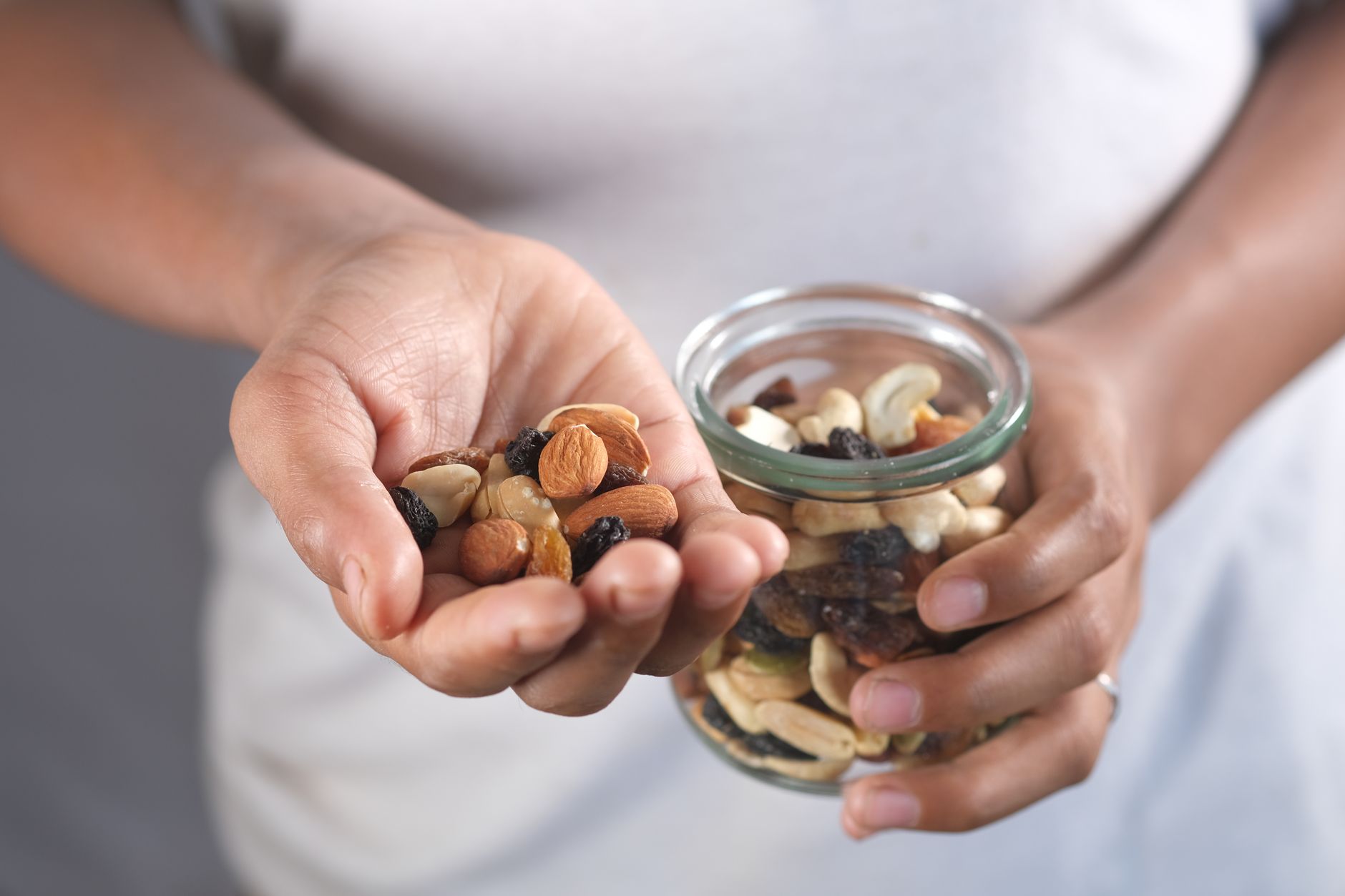
Nutritionists suggest balancing macro- and micronutrients: moderate carbs, healthy fats, and some fiber. Avoid processed snacks that replace fat with excessive sugar or additives. Snack options like nuts, dried fruits, or whole-grain crackers deliver nutrition and satisfaction.
SnackWell‘s story reminds us that marketing claims require critical thinking. Next time you‘re shopping, consider products like Kellogg‘s yogos that combine taste with clean standards or try creative recipes instead.
Recommended Healthy Snack Alternatives
- Almond or walnut butter on whole-grain crackers
- Low-sugar protein bars with Halal certification
- Fruit and nut trail mixes without added sugars
- Air fry hot pockets filled with vegetables and lean meats (Air fry hot pockets)
Label Reading for SnackWell‘s Cookies
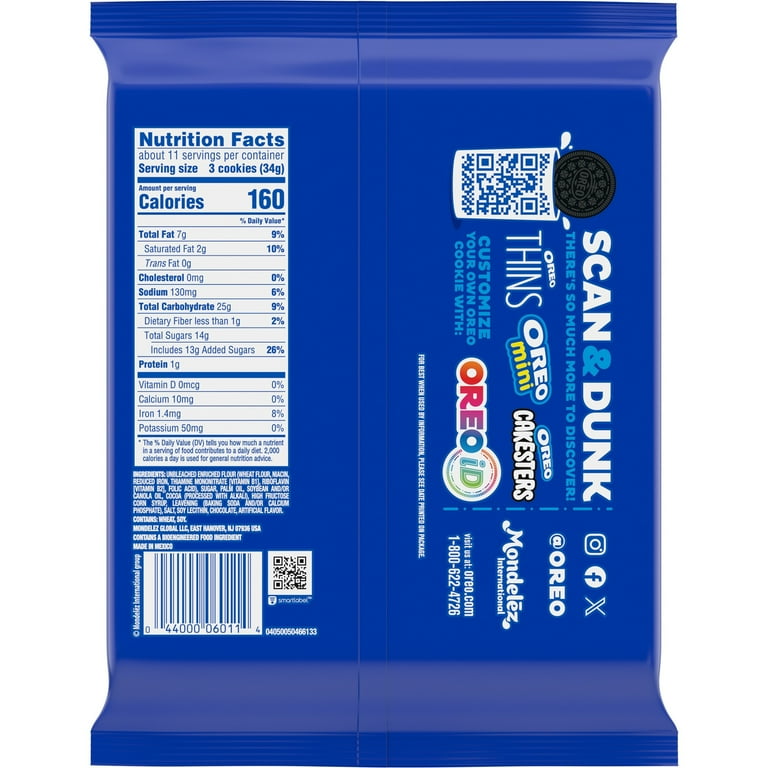
When encountering packaged cookiesor any snackstart with the ingredient list. Ingredients are listed by quantity from highest to lowest. Avoid products where sugar or high-fructose corn syrup appear near the top. Sodium amounts exceeding 150mg per serving warrant caution.
Look for nutrient facts per serving, especially calories and sugar grams. Halal certification seals (such as JAKIM or IFANCA logos) provide assurance of compliance. Ignore vague terms like natural or light if unsupported by detailed nutrition info.
| Certification | Price Range | Common Formats | Shelf Life | Key Allergens |
|---|---|---|---|---|
| JAKIM, HMC, IFANCA (for Halal products) | $2$6 per pack (~150g) | Individually wrapped cookies, snack cakes, sandwich packs | 69 months unopened; 57 days after opening if stored airtight | Wheat, milk, soy, nuts (varies by product) |
Pro Tips for Snack Buying
One common mistake is buying snacks solely based on price. Cheaper versions often use artificial additives or excessive sugar to cut costs, compromising quality and nutrition.
Expert nutritionists recommend checking for whole food ingredients, proper certifications, and balanced macro ratios. Choose Halal-certified snacks backed by recognized bodies like JAKIM for peace of mind.
A helpful tip: store cookies in airtight containers at room temperature to maintain freshness. For longer storage, refrigeration can extend shelf life up to 2 weeks, though texture might be affected.

Is SnackWell‘s Cookies Actually Halal What Should I Check?
If you find SnackWell‘s cookies in stores today, checking for authentic Halal certification is crucial. Look for recognized seals such as JAKIM (Malaysia), HMC (UK), or IFANCA (USA). These ensure the products ingredients and manufacturing conform to Islamic dietary laws. Without these certifications, its best to avoid assuming the product is Halal.
Are SnackWell‘s Cookies Gluten-Free?
Most SnackWell‘s cookies contain wheat flour, so they are not gluten-free. Consumers with gluten intolerance or celiac disease should avoid such products unless explicitly labeled gluten-free and certified.
Do SnackWell‘s Cookies Contain Artificial Ingredients?
SnackWell‘s products from the 90s often used artificial flavors, preservatives, and sweeteners to achieve fat-free status and shelf stability. Modern health-conscious shoppers prefer snacks with minimal additives and transparent ingredients.
Can SnackWell‘s Cookies Be Part of a Weight Loss Diet?
Due to their sugar content and refined carbs, SnackWell‘s cookies are not ideal for weight loss despite their fat-free label. Opting for snacks with balanced macros and natural ingredients supports better weight management.
How Long Do SnackWell‘s Cookies Keep Fresh?
Unopened, these cookies last approximately 69 months when stored in a cool, dry place. After opening, keep them in airtight containers for 57 days to retain freshness and prevent staleness.
Are There Halal Snack Alternatives Similar to SnackWell‘s Cookies?
Yes. Many brands now offer Halal-certified cookies with lower sugar and whole-grain ingredients. These options better align with modern health standards. Checking certifications and ingredients ensures compliance with Halal standards and nutrition goals.
Whats the Most Overlooked Snack Buying Mistake?
Many shoppers overlook the importance of certification and ingredients, focusing only on price or claims like fat-free. This can lead to buying snacks that are unhealthy or not Halal-certified. Always verify product labels and certification logos before purchase.
More You Might Like
- Discover how to prepare tasty, health-conscious snacks at home with our Air fry hot pockets guide.
- Explore fun and nutritious breakfast options like Kellogg‘s yogos for a quick start to your day.
SnackWell‘s cookies tell a story about how marketing, nutrition, and consumer behavior intersect. While the fat-free craze faded, today‘s snackers have more tools to make informed choices. Next time you shop, take a moment to check the label carefully and choose snacks that truly support your health and values. If you‘ve enjoyed SnackWell‘s in the past or have favorite modern snacks, feel free to share your thoughts in the comments below!
FAQs
Is SnackWell's cookies actually Halal — what should I check on the label?
To confirm if SnackWell's cookies are Halal, look for recognized certification seals such as JAKIM, HMC, or IFANCA on the packaging. These confirm compliance with Islamic dietary laws. Without these certifications, it’s safest not to assume the product is Halal.
What is the typical shelf life of SnackWell's cookies after opening?
After opening, SnackWell's cookies should be stored in airtight containers and can remain fresh for up to 57 days. Proper storage in a cool, dry place helps prevent staleness and maintains quality.
How do SnackWell's cookies compare to modern healthy cookie alternatives?
SnackWell's cookies are fat-free but often higher in sugar and lower in fiber, whereas modern healthy cookies tend to contain whole grains, natural sweeteners, healthy fats, and better nutritional balance supporting overall health.
Are SnackWell's cookies safe to eat daily as part of a weight-loss diet?
SnackWell's cookies are not ideal for daily consumption on a weight-loss diet due to their sugar content and refined carbs. Choosing snacks with balanced macros and natural ingredients is better for weight management.
Where can I buy SnackWell's cookies or suitable Halal-certified alternatives?
SnackWell's cookies are rare in stores today. For Halal-certified alternatives, check specialty grocery stores, Halal markets, or online retailers that offer snacks with trusted certification and healthier ingredient profiles.