Okay, so you probably think Ronald McDonald has always been the cheerful, goofy clown waving at you from every McDonald's window, right? Well, buckle up, because thats not the full story. Before Ronald even put on the big red wig and yellow jumpsuit, there was another mascot one thats kind of, well creepier. Yeah, meet Speedee, the original face of McDonald's, whose look and vibe are totally different from the friendly clown we all know today.
If you want the quick answer: Speedee was a quirky, cartoonish little character who represented fast service way before Ronald ever clown-camped his way onto TV screens. But theres a lot more beneath the surface about why Speedee was phased out and replaced, and why many find him a bit unsettling compared to Ronald.
So yeah, if you ever wondered about McDonald's original mascot and why Ronald McDonald history takes such a big leap, youre in the right spot. Let's unpack this fascinating, weird mascot evolution together.
Who Was McDonald's Original Mascot?
Before Ronald took center stage, McDonald's mascot was a little guy named Speedee. Picture a cartoon character with a hamburger for a head a speedy little chef with a chefs hat and a perpetual smile but kinda odd looking.
Speedee first appeared in the 1940s and '50s, symbolizing how the McDonald brothers restaurant was all about fast, efficient service. He wasnt really meant to be adorable or lovable like Ronald he was more a mascot that said, Hey, your foods coming out quickly! His design was simple and practical, rooted in the idea of fast food long before the term blew up.
Its kind of funny Speedee seems almost robotic or mechanical compared to what we expect from mascots nowadays. He lacked the warmth or playfulness that Ronald McDonald eventually brought. That maybe explains why most people havent even heard about him.
Heres whats cool: Speedee was not just a mascot but also a symbol of the groundbreaking service model McDonalds pioneered. It was about speed and efficiency and Speedee embodied that perfectly, even if his look seems, well, a little unsettling today.
What Did Speedee Look Like and Why Is He Often Forgotten?
Imagine a cartoon-ish guy with a hamburger for a head, wearing a chefs hat, carrying a spatula, and sometimes sporting an apron. Its not exactly the cozy hug-a-mascot type of look. Speedee was more focused on communicating fast food literally through his design.
Because he didnt have the cheerful and engaging personality of Ronald, Speedee faded into the background once McDonalds marketing shifted toward targeting kids and families on a more emotional level.
Also, Speedees image was mostly on packaging and in local ads, not on big national commercials or TV shows. So as the company grew, they needed a mascot with a stronger emotional appeal enter Ronald.

How and Why Was Speedee Replaced by Ronald McDonald?
The shift from Speedee to Ronald McDonald wasnt just a random design change. It was a big strategic pivot. Ronald McDonald history actually starts in the early 1960s, when McDonalds was looking for a way to connect more emotionally with kids and families.
Speedee was all about speed and efficiency great for the business, maybe less so for creating a lovable brand personality. Ronald brought warmth, fun, and a bit of whimsy that Speedee just didnt have. A clown, after all, is inherently playful and way more colorful, literally and figuratively.
Plus, Ronald was easier to adapt for TV commercials, events, and merchandising, which became central to McDonalds global marketing push.
And lets be honest? Ronald McDonalds design and personality felt a little more welcoming and less mechanical, so parents and kids could relate better, even if the clown look can sometimes be a little creepy in its own right.
Why Did Speedee Seem Creepier Than Ronald McDonald?
Okay, so heres where things get interesting. Ronald McDonald is no stranger to spooking some people theres a whole discussion about creepy fast food mascots, and Ronald often pops up as one of them. But no clown beats Speedees old-school awkwardness.
The Creepy Factors Design and Cultural Impact
Speedees look is unusual, no question. His hamburger head and chef outfit feel more like a strange food-themed robot than a friendly face. Theres something unsettling about a mascot that looks more like a walking menu item than a cheerful character.
Compared to Ronalds bright red hair, painted smile, and full makeup, Speedee is much more abstract and less human, which can feel uncanny and weirdly off-putting when you really look at it.
How Creepy Fast Food Mascots Affect Brand Reputation
This might sound funny, but having a mascot that creeps out your audience can actually backfire. In fact, creepy fast food mascots have sparked conversations (and memes!) about how mascots strike the line between entertaining and awkward.
McDonald's learned early on that mascots arent just logos theyre characters meant to foster trust, nostalgia, and warmth. That's why McDonald's mascot evolution moved from Speedees weird cartoon to Ronalds more relatable clown.
If you've ever wondered why some mascots become cultural icons while others fade into awkward obscurity, its often down to how well they connect with peoples emotions and expectations.
McDonald's Speedee Led to a World of Mascots
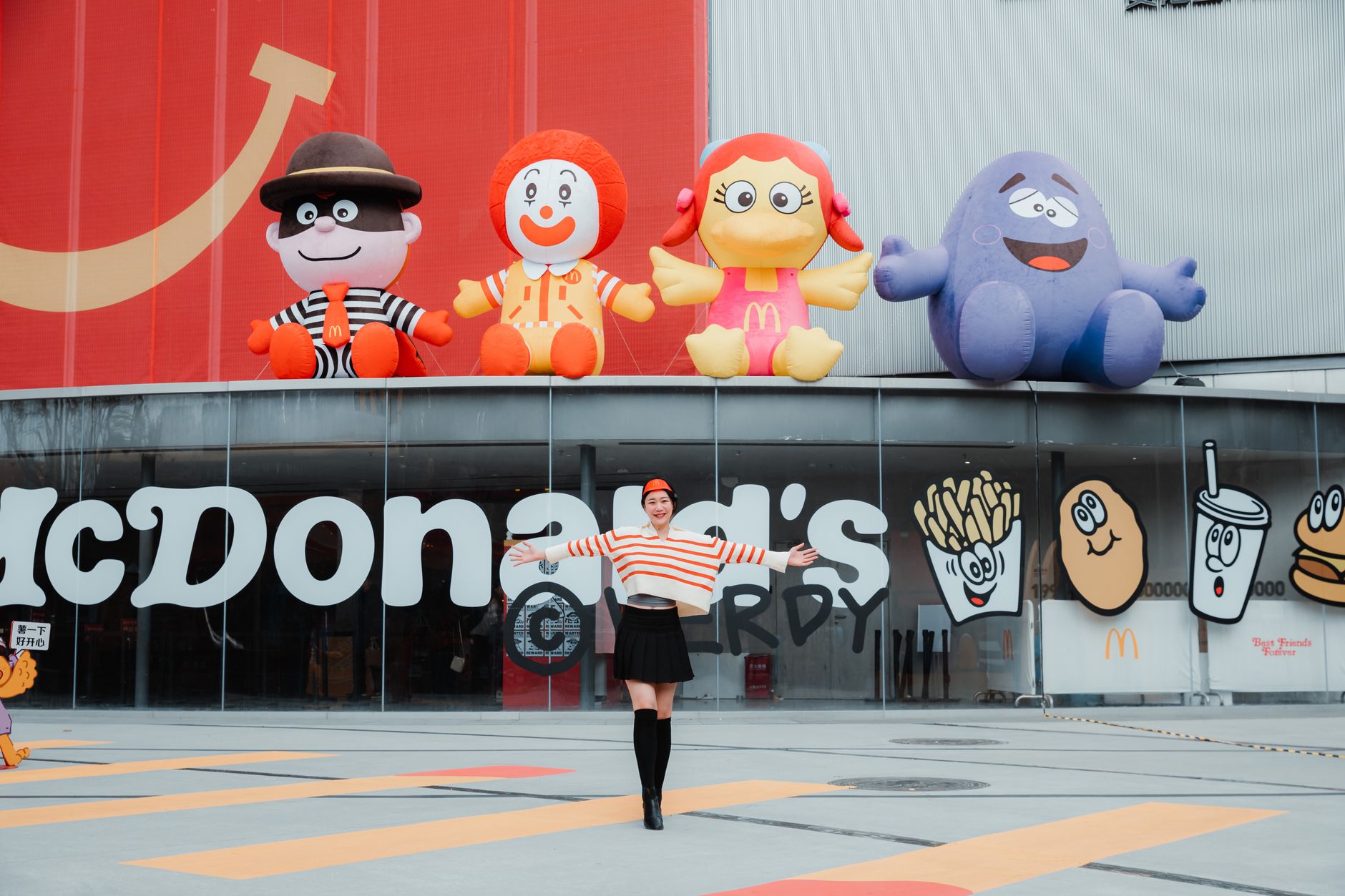
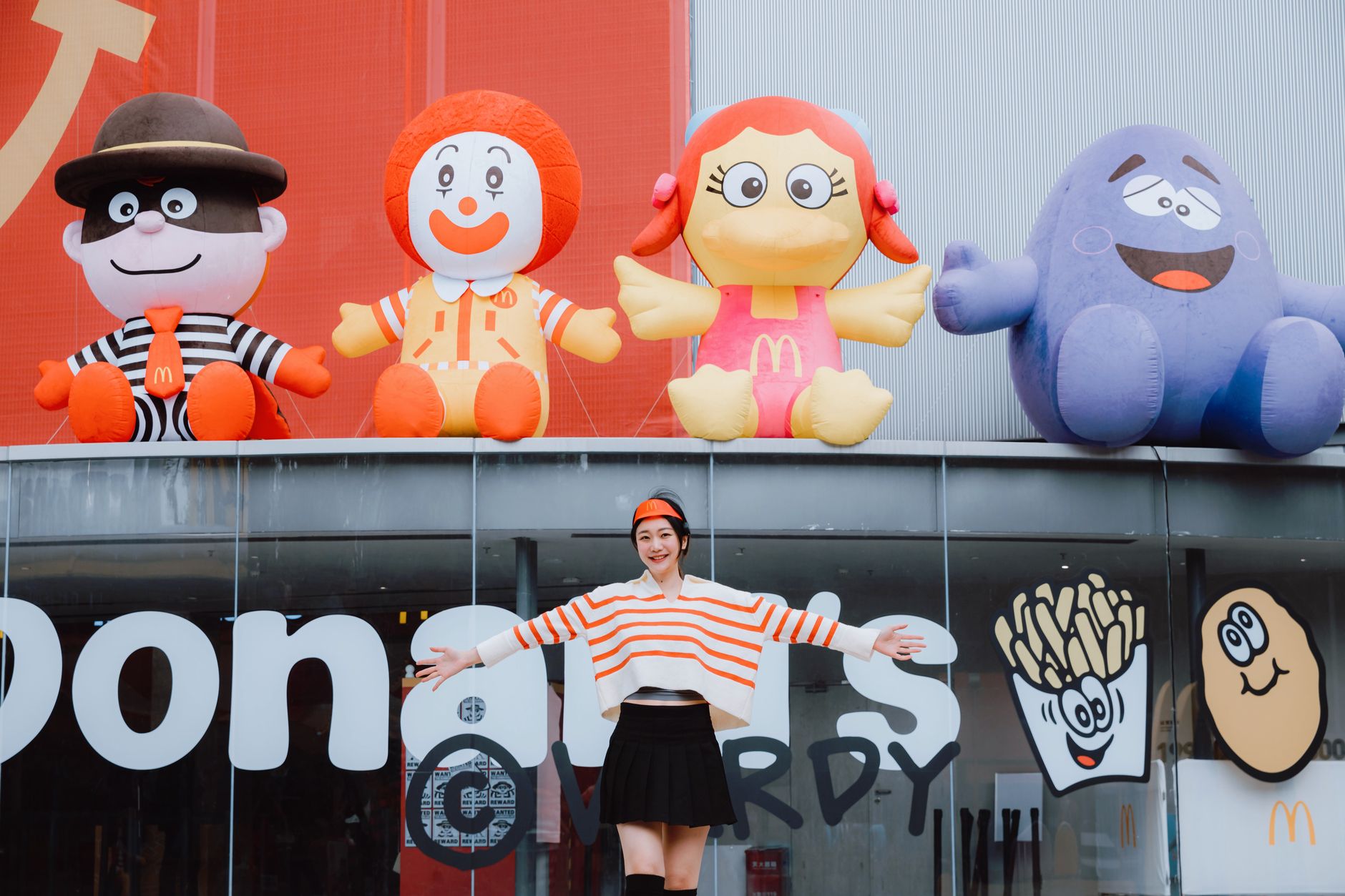
Speedee may have been discontinued, but his presence laid the foundation for a McWorld of mascots. After Ronald McDonald became the face of McDonald's, the brand didnt stop at just him. Remember characters like Grimace, the Hamburglar, and Birdie the Early Bird? That whole gang showed how mascots could evolve from simple symbols of speed into diverse storytelling tools.
More mascots meant McDonald's could reach different audiences and give people fun characters to remember turning the eating experience into more of a family event. Its a smart move about creating an emotional brand world that people want to be part of.
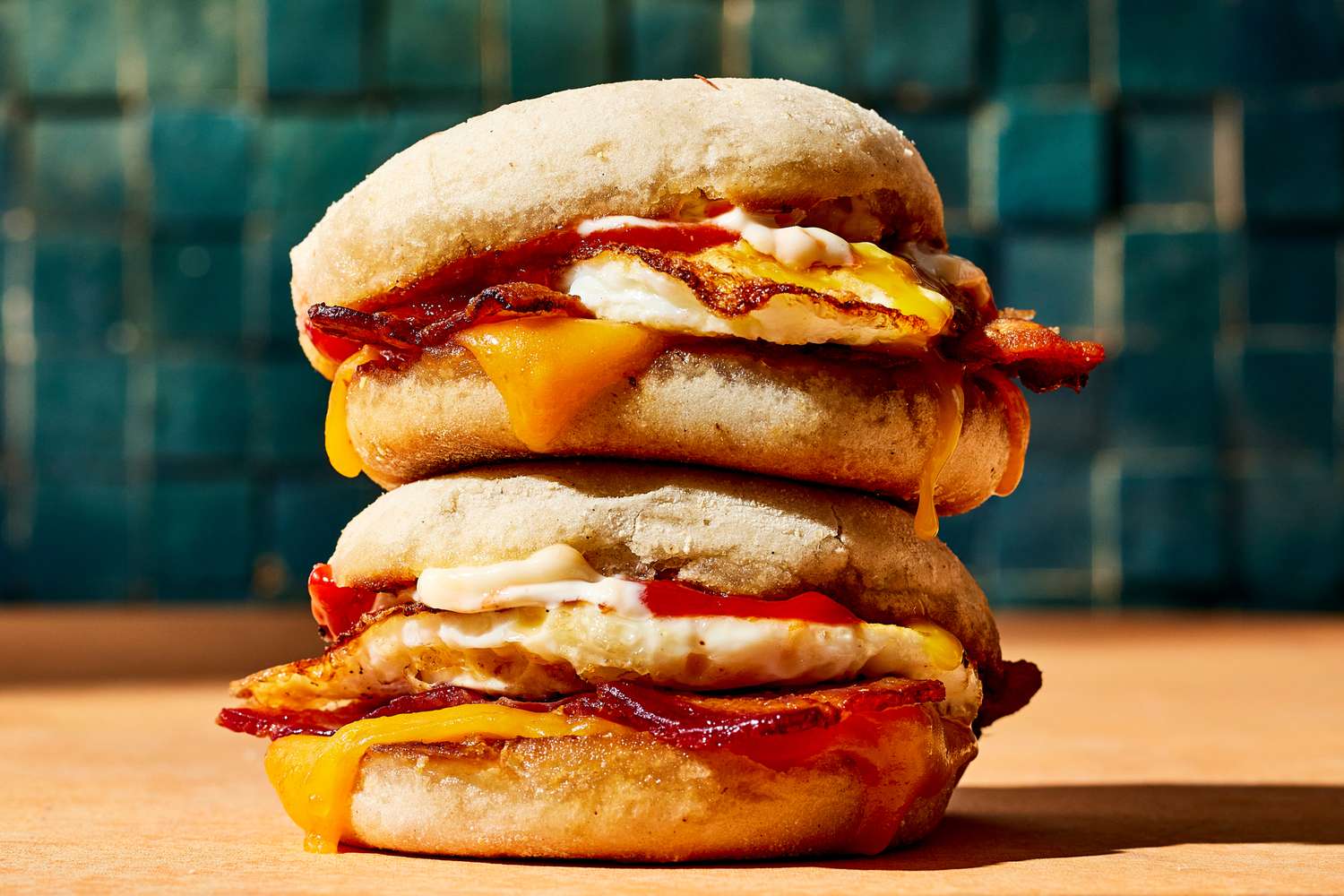
Speaking of early birds and other McDonald's characters, if youre curious about their Mcdonald's breakfast sandwiches or want a spicy twist, check out their spicy options Mcdonald's spicy breakfast sandwiches that are shaping their menu evolution just like their mascots.
Key Moments in McDonald's Mascot History
Heres a quick timeline of mascot moves:
| Period | Mascot | Key Feature |
|---|---|---|
| 1940s-1950s | Speedee | Symbol of speed and fast service |
| Early 1960s | Ronald McDonald | Friendly clown for kids and families |
| 1970s-1990s | Extended cast (Grimace, Hamburglar, Birdie) | Brand storytelling through characters |
| 2000s-Present | Ronald McDonald focus with modern marketing | Global appeal and CSR efforts |
What Ronald Brought That Speedee Didnt
Ronald McDonald history shows us a shift from a cold, efficiency-driven image to something warm, funny, and memorable. Ronald isnt just about speed anymore hes about smiles, fun, and community. Thats why, even with some mixed feelings about clowns, Ronald still sticks in peoples minds as the symbol of McDonald's.
Balancing the Benefits and Risks of McDonald's Original Mascot
Now, before you dismiss Speedee as just some creepy relic, lets talk about why understanding him actually helps us appreciate McDonald's branding journey better.

Why Speedee Still Matters
Speedees design reflected the brands original mission fast service and simple food. In a way, hes a reminder of McDonald's roots, before things got hyper-commercialized and character-driven. For brand historians and marketing buffs, Speedee is a fascinating artifact of how brand identities evolve.
The Risks of Creepy Mascots
On the flip side, mascots like Speedee show the downside of not connecting emotionally with your audience. Even now, brands have to be careful with mascot design to avoid alienating customers or becoming an internet meme for all the wrong reasons. Thats why McDonald's mascot evolution feels so strategic balancing fun with approachability.
Lessons for Brands Everywhere
At the end of the day, Speedee and Ronald show us that mascots arent just cute images they are powerful symbols who tell stories about a brands values and promise. If youre building a brand yourself, or just curious about marketing magic, remember: Your mascot needs to be more than eye-catching it has to build trust, connection, and yes, a little bit of joy.
So, what do you think about McDonald's original mascot story? Surprised to find out they started with a creepy little hamburger-headed guy instead of a clown? If youve got thoughts or fun mascot stories, dont hesitate to share Id love to hear!
FAQs
Who was McDonald's original mascot?
McDonald's original mascot was Speedee, a quirky cartoon figure with a hamburger head symbolizing fast service before Ronald McDonald was introduced.
Why was Speedee replaced by Ronald McDonald?
Speedee was replaced because McDonald's wanted a mascot with more emotional appeal and warmth to connect better with kids and families, which Ronald McDonald provided.
What made Speedee’s design creepier than Ronald McDonald’s?
Speedee’s abstract hamburger head and mechanical vibe felt uncanny and unsettling compared to Ronald's playful clown appearance, making Speedee seem creepier.
Did Speedee influence other McDonald’s mascots?
Yes, Speedee laid the foundation for McDonald's mascot strategy, which later expanded into a cast of characters like Grimace, Hamburglar, and Birdie.
What lessons can brands learn from Speedee’s story?
Brands learn the importance of creating mascots that connect emotionally with audiences, balancing approachability and fun to build lasting trust and engagement.