Hey, lets be real for a second you buy or pick up strawberries thinking youre about to enjoy a sweet, juicy treat, right? But then you wonder, Wait a minute did I just bring home a basket full of dirt, germs, or even pesticides? Yeah, strawberries can be a bit of a hiding place for all sorts of stuff you dont want to be munching on. So, how do you clean strawberries properly without turning it into a full science experiment? Lucky for you, Im here to spill the tea on four super easy, no-fuss methods that get your strawberries clean and safe fast.
Seriously, knowing how to wash strawberries the right way isnt just about feeling good its about making sure youre not inviting any unwanted nasties like pesticides or germs to crash your snack time. And honestly, you dont have to be a kitchen wizard to do it. Stick with me here, and I promise, youll feel like a pro before you know it.
Why Clean Strawberries Matter
Okay, before we dive into the fun part, lets chat about why its so crucial to clean those berries right. Strawberries come covered in all sorts of things dirt from the fields, tiny invisible germs, and yeah, sometimes pesticides. Youve probably heard that pesticides arent great, but how much do they stick around? Can washing strawberries really make a difference?
Whats Actually on Strawberries?
Imagine strawberries as a little fruit fortress with crevices perfect for dirt and bugs. Beyond that, pesticides the chemicals farmers sometimes use to keep bugs at bay can linger on the skin.
Sure, washing isnt a magic wand that erases everything down to the last molecule, but it does significantly reduce the amount of pesticides and germs youd otherwise swallow.
Are Pesticides Tough to Remove?
Yeah, pesticides can be stubborn, but heres where choosing the right fruit cleaning methods comes into play. Some methods do a better job than just a simple rinse, especially when you need to remove pesticide strawberries effectively without bruising these delicate fruits.
Benefits of Washing Strawberries Properly
Heres why spending a few extra minutes washing your strawberries right is worth it:
- Taste: Dirt and residue can dull the natural sweetness.
- Health: Less exposure to pesticides and germs that could irritate your tummy or cause allergies.
- Longevity: Proper cleaning and drying can help them last longer in your fridge.
And hey, if youre curious about other tasty treats to enjoy alongside your freshly cleaned strawberries, have you checked out some delicious Welch's fruit snacks? Theyre perfect little fruity bites to brighten your day.
Rinse Strawberries with Cold Water
Alright, lets start with the classic. Rinsing strawberries with cold water is by far the easiest and quickest way to clean them but there are some little tricks that make it better than your usual rinse-under-the-tap routine.
How to Do It Right
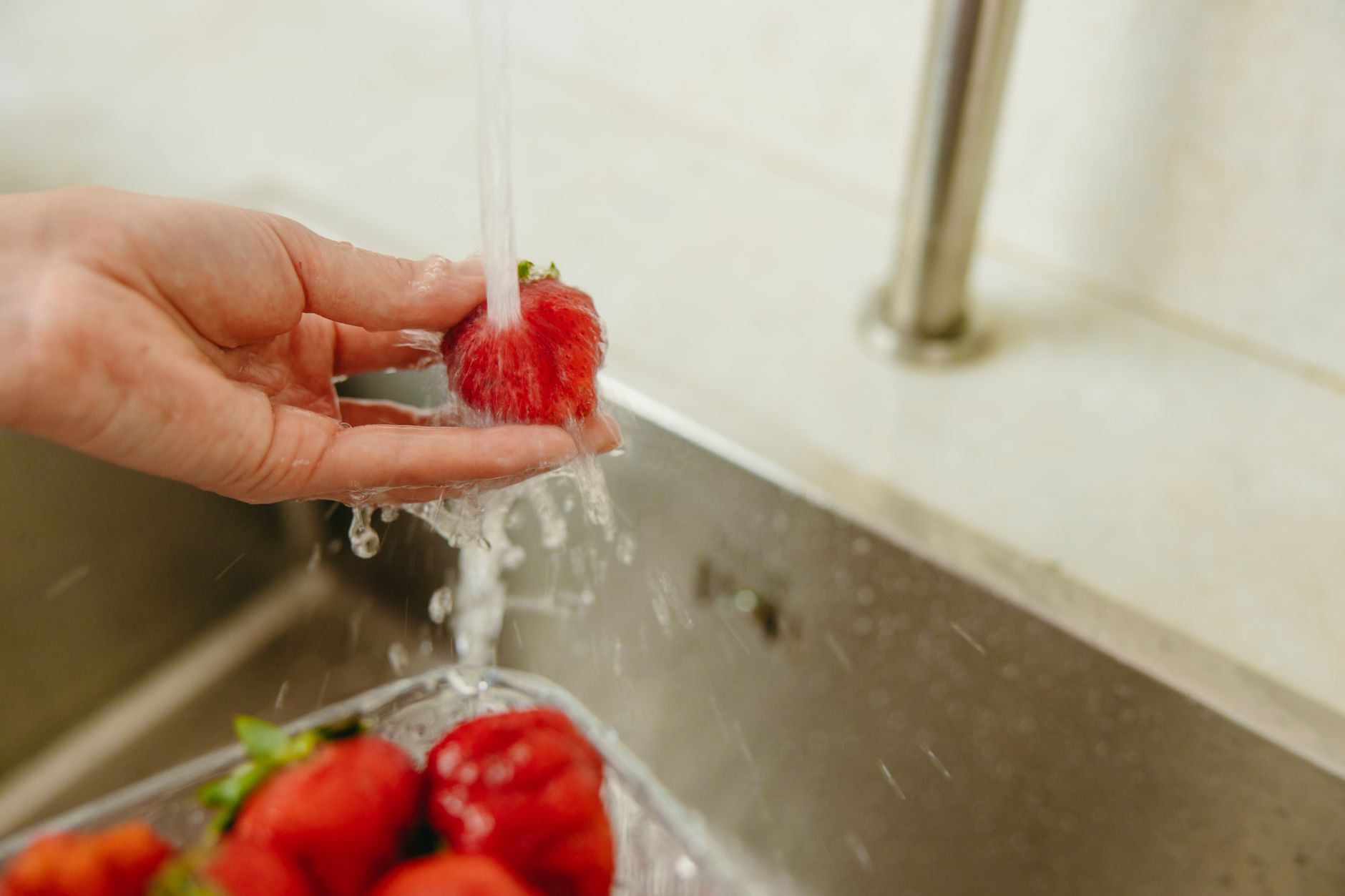
Pop your strawberries in a colander, hold it under cold running water, and gently swirl the berries around with your hand. Dont use hot water cold does a better job at keeping them firm and fresh.
Make sure the water reaches every nook and cranny, especially around the leafy green caps. Youd be surprised how much dirt hides just under there.
Why Cold Water?
Cold water helps avoid softening the berries or starting mold growth (which heat can encourage). Plus, it closes the berrys pores, keeping them fresher longer.
Keep in Mind
This method is great for quickly rinsing off dirt and some surface pesticides, but it might not completely tackle tougher residues.

Soak Strawberries in a Baking Soda Solution
Heres a little kitchen secret thats been floating around for good reason soaking strawberries in baking soda water can actually do a powerful job of removing pesticides and grime.
How to Mix It Up
Take one tablespoon of baking soda and mix it into two cups of cold water. Dunk your strawberries in this fizzy solution and let them soak for about 10 to 15 minutes. After soaking, give them a gentle rinse with cold water to get rid of any lingering baking soda taste.
Why Baking Soda Works
Baking soda is naturally alkaline, which helps break down certain pesticide residues that water alone can't handle. Think of it as a little scrubber for your fruit without the abrasion.
Tips To Avoid Overdoing It
Dont leave the strawberries soaking for too long 15 minutes is the sweet spot before texture starts to get mushy. Also, be gentle when rinsing afterward because strawberries are delicate little things.
Give the Strawberries a Salt Water Bath
Salt water baths for strawberries? Yep, thats an oldie but goodie. Salt has long been a go-to natural cleaner for food and kitchen tools alike.
Simple Salt Water Soak
Just mix 1 teaspoon of salt into a bowl of warm water. Let the strawberries soak for about 5 minutes, then rinse them under cold water to wash off the salt.
How Salt Helps
Saltwater draws out dirt, insects, and even some pesticide residue, making it easier to get rid of these unwanted guests. The salty environment also discourages microbial growth, adding an extra safety layer.
Saltwater vs. Baking Soda
| Method | Effectiveness | Best Use | Notes |
|---|---|---|---|
| Salt Water Bath | Good for dirt and some residue | Quick cleaning | Can alter flavor slightly, rinse well |
| Baking Soda Solution | Better at pesticide removal | Thorough cleaning | Needs longer soaking, gentle rinsing |
If youre experimenting with different fruit cleaning methods, you may also enjoy finding new snacks to accompany those clean strawberries check out this great post on fruit snacks for tasty inspiration!
Clean Strawberries with Water and Vinegar
Vinegar lovers, this one's for you. Vinegars natural antimicrobial properties make it an effective way to clean fruits, including those fragile little strawberries.
How to Make the Vinegar Wash
Mix 1 part white vinegar with 3 parts water in a bowl. Soak your strawberries for about 5 minutes, then rinse thoroughly with cold water. The rinse is crucial because vinegar can leave a strong flavor behind if not washed off well.
Why Vinegar?
It can kill bacteria and reduce mold growth, which is perfect if you want your strawberries to last longer.
Flavor and Texture
Some people find the vinegar smell or taste lingering if rinsed inadequately, so dont rush that second rinse!
By the way, if you ever want to jazz up those clean strawberries with a healthy snack, I've got a soft spot for Welch's fruit snacks a great simple snack for when youre on the go.
How to Dry and Store Clean Strawberries
So, youve just done all the hard work cleaning those strawberries now what? Lets talk drying and storing because sloppy drying or poor storage can undo all your efforts.
Drying Strawberries
Use paper towels or a clean kitchen cloth to gently pat the strawberries dry. You can also use a salad spinner lined with a thin towel to spin off excess water. The key here: be gentle! Dont squash those beauties.
Proper Storage
Store the cleaned strawberries in a breathable container or loosely covered container lined with paper towels to absorb moisture. Avoid airtight containers that trap humidity and invite mold.
Shelf Life Boost
Cleaning and drying properly can help your strawberries last several days longer in the fridge because as juicy as they are, moisture is their biggest enemy once picked.

Other Fruit Cleaning Methods Worth Knowing
Maybe youre wondering if there are other tricks for cleaning not just strawberries but fruit in general? Well, there sure are! Lemon juice, commercial fruit washes, and even simple brushing tools have their place.
Natural Cleaning Agents
Lemon juice is a mild acid with antibacterial qualities and adds a fresh zing if you prefer less vinegar smell. Some commercial fruit washes claim to be effective if you use them, make sure theyre safe and rinse fruits well afterward.
When to Go Gentle
Some fruits, including strawberries, are delicate. Avoid harsh scrubbing or soaking for too long, which can damage their flavor and texture. Not every method suits every fruit, so it pays to know the dos and donts.
Comparing Methods
Whether youre trying to clean strawberries or other fruit, balancing effective cleaning with fruit care is the goal. The best batch of methods removes dirt and pesticides without turning your fruit into mush.

Wrapping It Up
See? Cleaning strawberries properly doesnt have to be a chore or some complicated ritual. Whether you choose a quick rinse with cold water, baking soda soaking to tackle pesticides, a salt bath to draw out dirt, or a vinegar wash to kill germs each method has its perks. The key is doing it thoughtfully and finishing with gentle drying and smart storage.
In the end, clean strawberries taste better, feel safer to eat, and last longer. And hey, if you try any of these methods, Id love to hear what works best for you. Got your own favorite fruit cleaning hack or a fun strawberry recipe that makes the most of your fresh berries? Share it with us!
Remember, keeping fruit clean is a simple step that can make a big difference in your health and enjoyment. So next time youre about to dig into those luscious strawberries, take a moment to give them some love your body (and taste buds) will thank you.
FAQs
How can I clean strawberries to remove pesticides effectively?
Soaking strawberries in a baking soda solution for 10-15 minutes followed by a thorough rinse helps remove most pesticide residues effectively without damaging the fruit.
Is it safe to soak strawberries in vinegar?
Yes, soaking strawberries in a mixture of one part white vinegar to three parts water for about 5 minutes can kill bacteria and reduce mold growth, but be sure to rinse well to avoid lingering vinegar taste.
Can I just rinse strawberries with water and have them clean?
Rinsing with cold running water helps remove dirt and some surface pesticides but may not eliminate all residues. For deeper cleaning, methods like baking soda or vinegar soaks are better.
How should I dry and store strawberries after cleaning?
Gently pat strawberries dry with paper towels or use a salad spinner lined with a towel, then store them in a breathable container lined with paper towels to absorb moisture and extend freshness.
Does soaking strawberries for too long damage them?
Yes, soaking strawberries for extended periods, especially over 15 minutes, can cause them to become mushy and lose texture, so it's best to stick to recommended soaking times.