The Aldi dip recall recently made headlines after thousands of products were withdrawn due to plastic contamination concerns. If youve spotted any Park Street Deli dips in your fridge or pantry, its worth double-checking now. This recall affects a range of items beyond just dessert dips, so knowing the facts helps you avoid potential health risks linked to accidental ingestion of plastic particles. Heres a complete guide to the Aldi dip recall, why it happened, and what you should do next.
Recall Overview
Which Products Were Recalled?
The Aldi dip recall includes several varieties under the Park Street Deli brand, with the Cinnamon Bun Dessert Dip being a prominent example. Other dips and dessert spreads from the same product line were also affected. The items recalled typically come in clear plastic tubs or pots, with Aldis branding and product details clearly printed on the labels.
Batch numbers and sell-by dates on the packaging help identify the specific recalled lots. Aldi has listed all affected products on their official recall notice, which customers are encouraged to consult when checking their own supplies.
What Type of Contamination Was Found?
The recall was triggered by reports of plastic fragments detected in the products. This plastic contamination poses a health risk as ingestion could lead to choking hazards or internal injury. The plastic pieces were unintended and possibly occurred during manufacturing or packaging.
According to food safety experts, ingestion of small plastic pieces can cause mild to serious health issues, especially in children or sensitive individuals. While no widespread illnesses have been linked to this recall so far, the risk justifies Aldis precautionary measures.
How Contamination Was Discovered
Aldi and regulatory agencies began investigating after customer complaints and routine quality inspections revealed traces of plastic. The recall was promptly initiated once contamination was confirmed. Aldis robust food safety protocols helped identify the issue before it led to any major harm.
The timeline saw swift communication to retailers and consumers alike, reflecting the retailers commitment to transparency and safety.
Reasons Behind the Recall
What Triggered Aldis Response?
Aldis decision to recall the dips was precautionary, emphasizing consumer safety over sales. Regulatory bodies advised immediate withdrawal after plastic fragments were detected during internal audits. Aldis voluntary recall reflects strong internal standards rather than government enforcement alone.
This proactive approach aligns with Aldis consistent emphasis on product quality and hygienea reassurance to shoppers who prioritize clean, safe food options.
How Serious Are These Risks?
Plastic contamination in any food item is taken seriously due to potential choking and digestive harm. Experts note that while the risk of severe injury is low if the plastic fragments are small, the unpredictability of contamination justifies the recall. Ingesting plastic can cause discomfort, gastrointestinal sores, or obstruction in rare cases.
Similar recalls have occurred in the food industry, often linked to packaging machinery malfunctions. Aldis swift response is in line with best practices for such incidents.
Recall Compared With Prior Aldi Recalls
The dip recall is more targeted than some of Aldis previous food withdrawals, which sometimes cover a wider product range or involve allergen mislabeling. However, plastic contamination recalls tend to alarm consumers the most because of the physical hazard involved.
Aldi‘s transparency and fast action minimize reputational damage while underscoring their commitment to food safety.
Consumer Actions
How to Identify Recalled Dips
Check your Aldi dip packaging carefully. Look for:
- Brand and product name (Park Street Deli Cinnamon Bun Dessert Dip and similar products)
- Batch or lot numbers printed near the barcode or lid
- Sell-by dates within the recall range specified by Aldi
- Unusual packaging defects or damage
If youre unsure about the product, Aldis in-store notices, official website, and recall posts provide detailed identifiers. Keeping packaging until use is a good habit for checking recalls.
Can You Consume Affected Products Safely?
The short answer: No. Its safest not to consume any dip from the recalled batches. Even if you dont visually detect plastic fragments, the contamination risk remains unknown. Eating affected dips could expose you or family members to potential harm.
If you have already consumed the product and experience symptoms like throat discomfort, choking sensation, or abdominal pain, seek medical advice promptly.
Returning or Disposing of Recalls
Aldi encourages customers to return the recalled dips to the nearest store for a full refund. There‘s no need for a receipt, simplifying the process.
If returning the product is not possible, dispose of it carefully to prevent accidental ingestion by children or pets. Sealing the container in a sturdy bag before throwing it in the trash helps ensure safety.

Recall Impact
How Did Customers React?
Consumers expressed a mix of frustration and appreciation for Aldis openness. While some shoppers were disappointed by having to discard products, many valued the prompt alert. Customer feedback highlighted the importance of clear communication during such incidents.
This transparency helps maintain Aldis loyal customer base despite occasional hiccups.
Effect on Aldis Food Safety Image
Dips aside, Aldi has a reputation for maintaining quality and safety across its range. Food safety specialists say the retailers immediate response is a positive sign for consumers worried about contamination.
Preventative measures, like enhanced equipment checks and staff training, are expected to reduce future risks. Aldis ongoing dialogue with food safety authorities further strengthens their protocol.
Lessons for the Industry
The recall reiterates the need for rigorous manufacturing oversight. Food companies everywhere can learn from Aldis case about swift reaction and customer communication. This event also emphasizes consumer vigilance and label awareness when purchasing ready-to-eat products.
Safe Shopping Tips
Checking Halal and Quality Labels
Since many shoppers on thucphamhalal.com prioritize Halal-certified products, double-checking certification logos (such as JAKIM, HMC, or IFANCA) on dips and other foods is crucial. Certified products undergo extra inspections verifying meat, dairy, and ingredient compliance with Halal standards. Although the recall centered on contamination, certification logos offer reassurance about sourcing and processing practices.
Look for trusted symbols on packaging, as well as expiry dates and ingredient transparency.
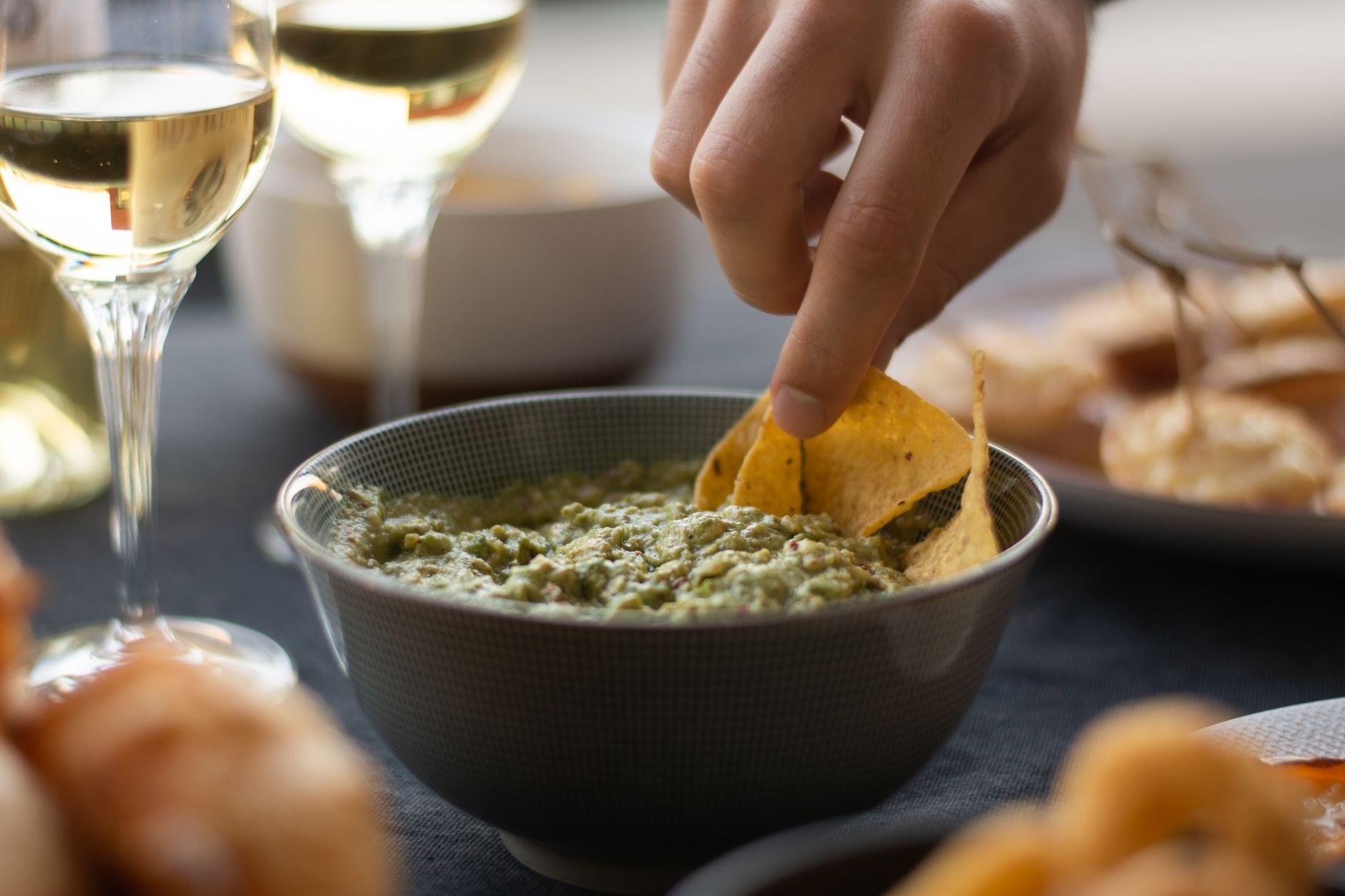
Where to Find Trusted Dips
If youre searching for reliable dips after this recall, consider specialty suppliers known for strict quality control. For example, many shoppers appreciate H mart prepared foods which often include Halal options with clean labels and minimal additives.
| Certification | Price Range | Common Formats | Shelf Life | Key Allergens |
|---|---|---|---|---|
| JAKIM, HMC, IFANCA | $2$6 per tub | Plastic tubs, resealable cups | 23 weeks unopened; 57 days refrigerated after opening | Dairy, nuts, soy (varies by flavor) |
| Non-certified | $1.50$5 | Plastic tubs, sachets | 13 weeks unopened | Dairy, gluten, preservatives |
Why Quality Matters
The most overlooked mistake when buying dips is ignoring the ingredient list or expiry dates. Some low-cost brands compromise on quality or hygiene. Always choose trusted brands with transparent labeling and certifications, especially if food allergens or dietary restrictions apply.
Expert tip: Avoid dips with excessive preservatives or artificial colorings for a cleaner, healthier choice that suits Halal and health-conscious diets.

Is Aldi dip recall actually Halalwhat should I check?
Halal certification is not directly related to the recall itself, but if you prioritize Halal foods, check for logos from credible bodies like JAKIM, HMC, or IFANCA on packaging. Recall-affected dips may or may not carry Halal certification. Always verify certification marks and ingredient sources, especially for dairy or meat-based dips.
Is the Aldi dip recall linked to any reported illnesses?
So far, there have been no reported illnesses directly linked to the Aldi dip recall. The recall was preventive, aiming to avoid any chance of harm from plastic contamination. Monitoring continues, but no confirmed cases have emerged through food safety authorities.
Will Aldi replace or refund recalled products?
Yes, Aldi offers full refunds for recalled dips without requiring a receipt. Customers can return products to any Aldi store or follow instructions on their recall notice for other return options.
How can I stay updated on future Aldi recalls?
Follow official Aldi channels, sign up for store newsletters, and check announcements from food safety authorities regularly. Trusted food information sites also provide timely updates. Bookmarking recall pages helps you act fast.
Are all Aldi dips affected or only certain flavors?
Only specific Park Street Deli dip varieties with batch numbers and sell-by dates listed in the recall are affected. Other Aldi dip products may remain safe, but always check labels carefully before consumption.
Does refrigeration impact the contamination risk?
Refrigeration preserves product freshness but does not eliminate the risk of plastic contamination. The hazard is physical rather than microbial, so cooling does not affect it.
Can I repurpose unaffected dips safely?
If a dip is confirmed as not part of the recall and its packaging is intact with valid certification, it can be safely consumed or used in recipes. Always adhere to recommended storage times, typically 57 days after opening.
What are alternatives for making safe dips at home?
Homemade dips using fresh, Halal-certified ingredients offer total control over quality and safety. Recipes using yogurt, tahini, or pureed vegetables allow flavor balance without preservatives or contamination risk. Check out popular Halal snack and meal ideas for inspiration.
More You Might Like
If you enjoy exploring trusted food options, you might like our guide on Indonesian dishes featuring rich, authentic flavors with Halal-friendly ingredients. Also, for ready-made quality choices, check out the latest on H mart prepared foods to expand your snack and meal options safely.

Summary
The Aldi dip recall highlights the importance of vigilance in food safety, especially with ready-to-eat products like dips. Plastic contamination in recalled items warrants careful checking, immediate disposal, or store return. Next time you shop, take a moment to read the label and confirm Halal certification when relevant. Staying informed helps protect your health and preserves trust in your favorite brands. Feel free to share your experiences or questions about recalls belowwere here to help you shop safely and confidently.
FAQs
Is Aldi dip recall actually Halal — what should I check on the label?
The recall itself isn’t related to Halal status. To confirm Halal, look for certification logos like JAKIM, HMC, or IFANCA on the packaging. Some recalled dips may or may not be Halal certified, so always verify certification marks and ingredient sources before consumption.
What is the typical shelf life of Aldi dips after opening?
Unopened dips generally have a shelf life of around 23 weeks. After opening, they should be refrigerated and consumed within 57 days for best safety and quality.
How does the Aldi dip recall differ from other common food recalls?
This recall is specifically for plastic contamination, which poses a physical health hazard. Unlike allergen mislabeling recalls, it involves risk of choking or internal injury, making it particularly urgent and targeted to certain batches.
Is it safe to consume dips from Aldi daily if not recalled?
Yes, dips not included in the recall are safe when consumed within their expiry dates and stored properly. Always check packaging integrity and certifications to ensure quality and safety for daily use.
Where can I find trusted alternatives to Aldi dips?
Consider specialty suppliers or prepared foods with trusted Halal certification, such as those from H Mart. These options often have strict quality controls and clear labeling for safer dip choices.