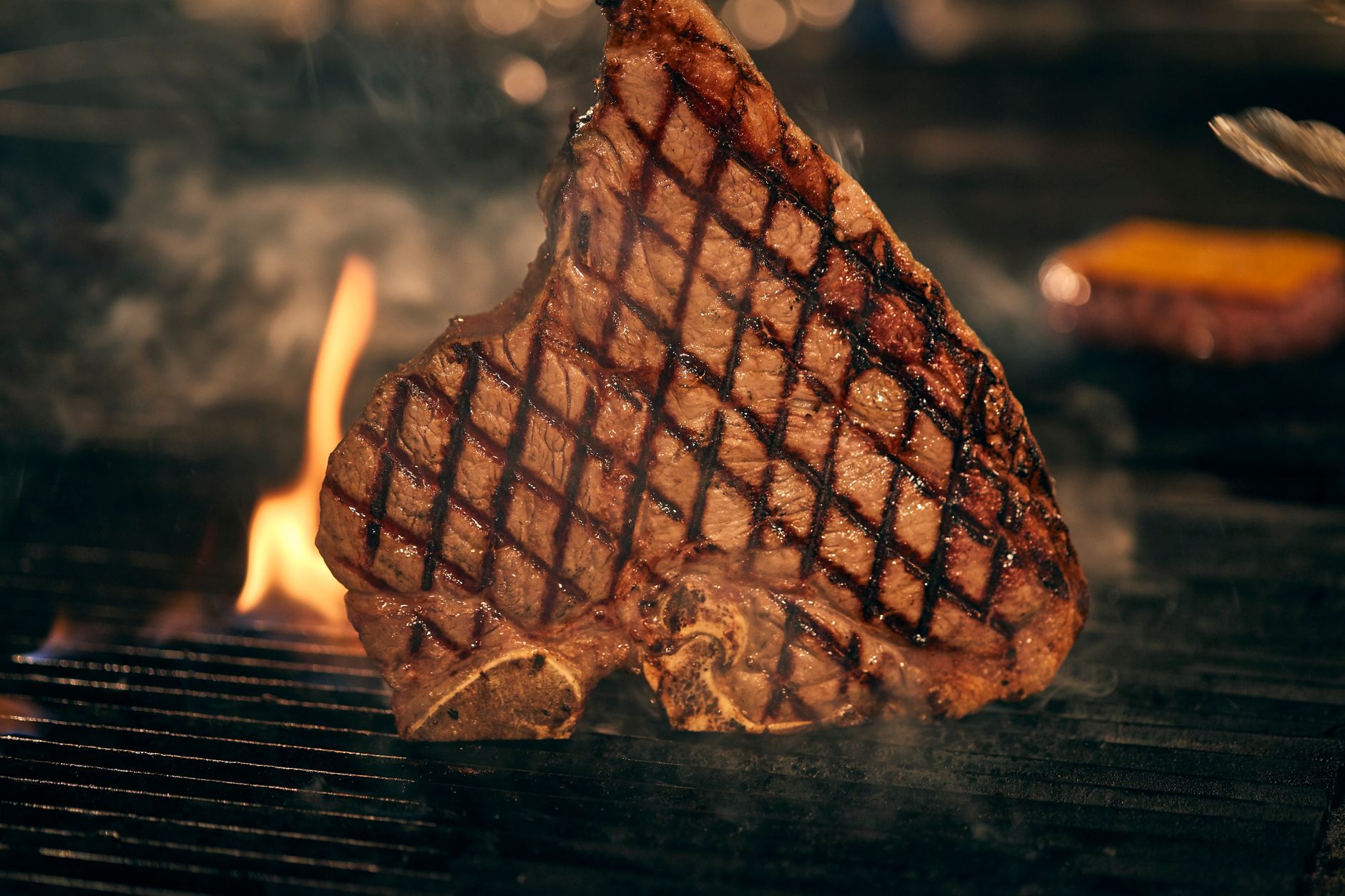
Alright, lets cut right to the chasebecause if youre like me, you want to know what makes a T-bone different from a porterhouse without wading through all the jargon or fancy butcher-speak. So, here it is, simple and straight: both steaks come from the same part of the cow, the short loin, but the porterhouse has a heftier chunk of tenderloin compared to the T-bone. Thats the USDAs official take, and it makes all the difference when youre biting into your next juicy steak.
Now, why should you care? Well, if youve ever stared at these steaks on a menu or at the butcher counter and wondered if youre paying for something bigger or just a fancy name, this guides got your back. Knowing these subtle differences not only saves you some bucks but also sets you up for an epic steak night, whichever side you choose.
Steak Anatomy
Where Do T-Bone and Porterhouse Steaks Come From?
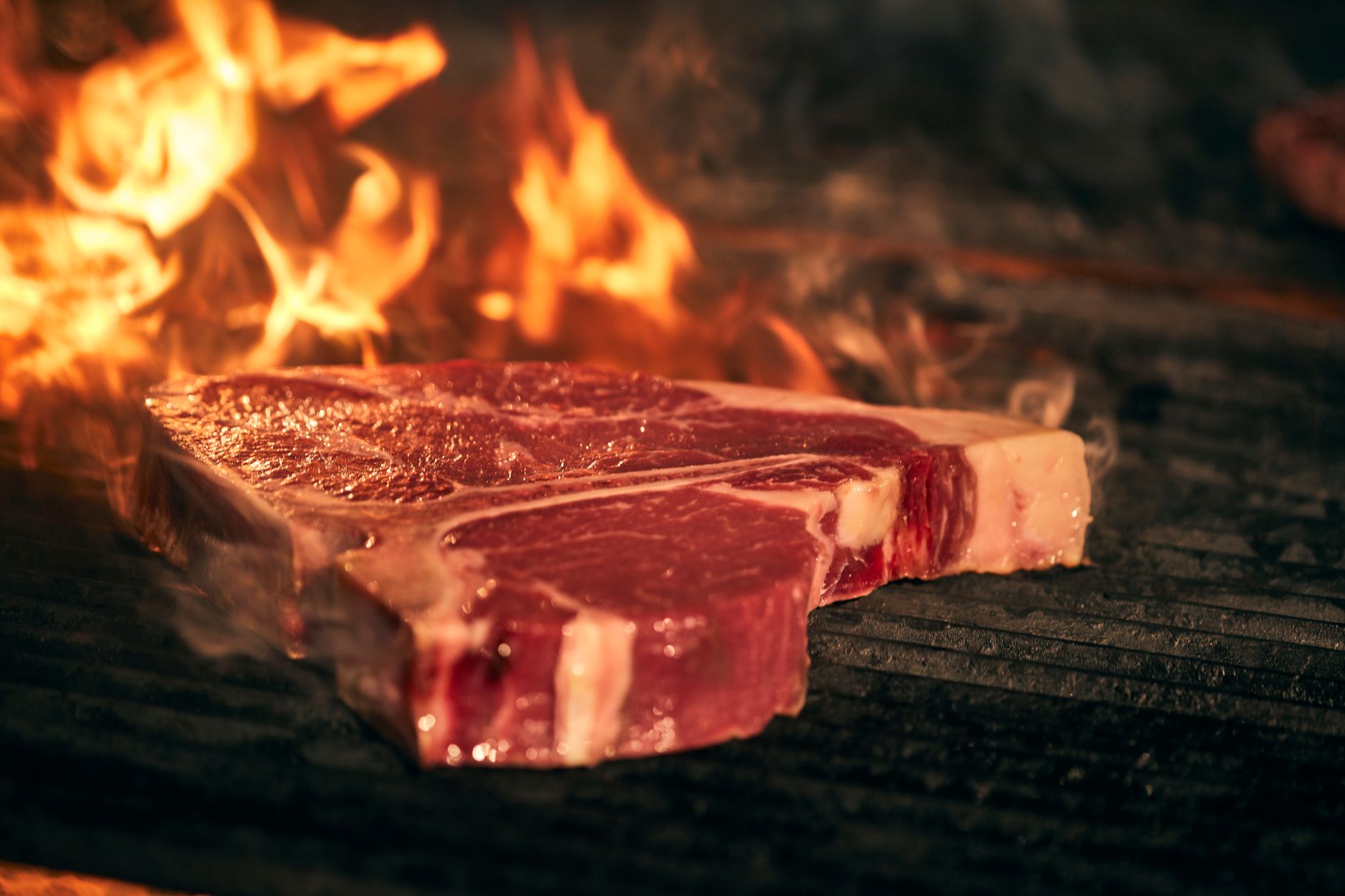
Both cuts come from the short loin of the cowimagine the middle, meaty part just behind the ribs. This area is prized because it produces tender meat, mainly because its not a super active muscle. This is why you'll notice both T-bone and porterhouse steaks are like a double feature: one side is the tenderloin (the cozy, buttery piece) and the other side is the New York strip (a bit firmer, but well-marbled and flavorful).
How Does the USDA Define These Steaks?
Heres where it gets officialand a bit technical but stick with me. According to the porterhouse steak USDA standards, the tenderloin portion has to meet a minimum size of 1.25 inches measured from the bone, which makes it a true heavyweight in the steak world. Anything less than that, and youre firmly in T-bone territory. T-bone steaks usually have a tenderloin smaller than 1.25 inches but still presentso theyre kind of like the little sibling in this carnivore family.
This isnt just some label game. That tenderloin size dramatically affects the eating experience: more tenderloin means extra buttery softness, which is why the porterhouse is often called the king of steaks.
Quick Comparison
| Steak Cut | Tenderloin Size | Typical Thickness | Common Uses |
|---|---|---|---|
| T-Bone | Less than 1.25 inches | 11.5 inches | Single servings; everyday grilling |
| Porterhouse | 1.25 inches or more | 1.5 inches or thicker | Sharing, special occasions, hearty appetites |
Steak Differences Explained
How Do T-Bone and Porterhouse Differ in Flavor and Texture?
Picture this: both steaks give you the best of two worlds, thanks to the New York strip on one side (which has a firm, beefy bite) and the tender filet mignon on the other. The porterhouse, with its bigger tenderloin, turns up the volume on tenderness and juiciness. Think of it as a symphony orchestra versus a duetthe porterhouse delivers a grander, fuller sensory experience.
Meanwhile, the T-bone is fantastic too, just a step more modest. Its perfect for those who want a balance: a generous hit of that rich strip steak flavor alongside a tender bit of filet, but in a slightly smaller portion. If your appetite isnt roaring like a lion, the T-bone might be your new best friend.
Recommended Cooking Methods from a T-Bone Steak Guide
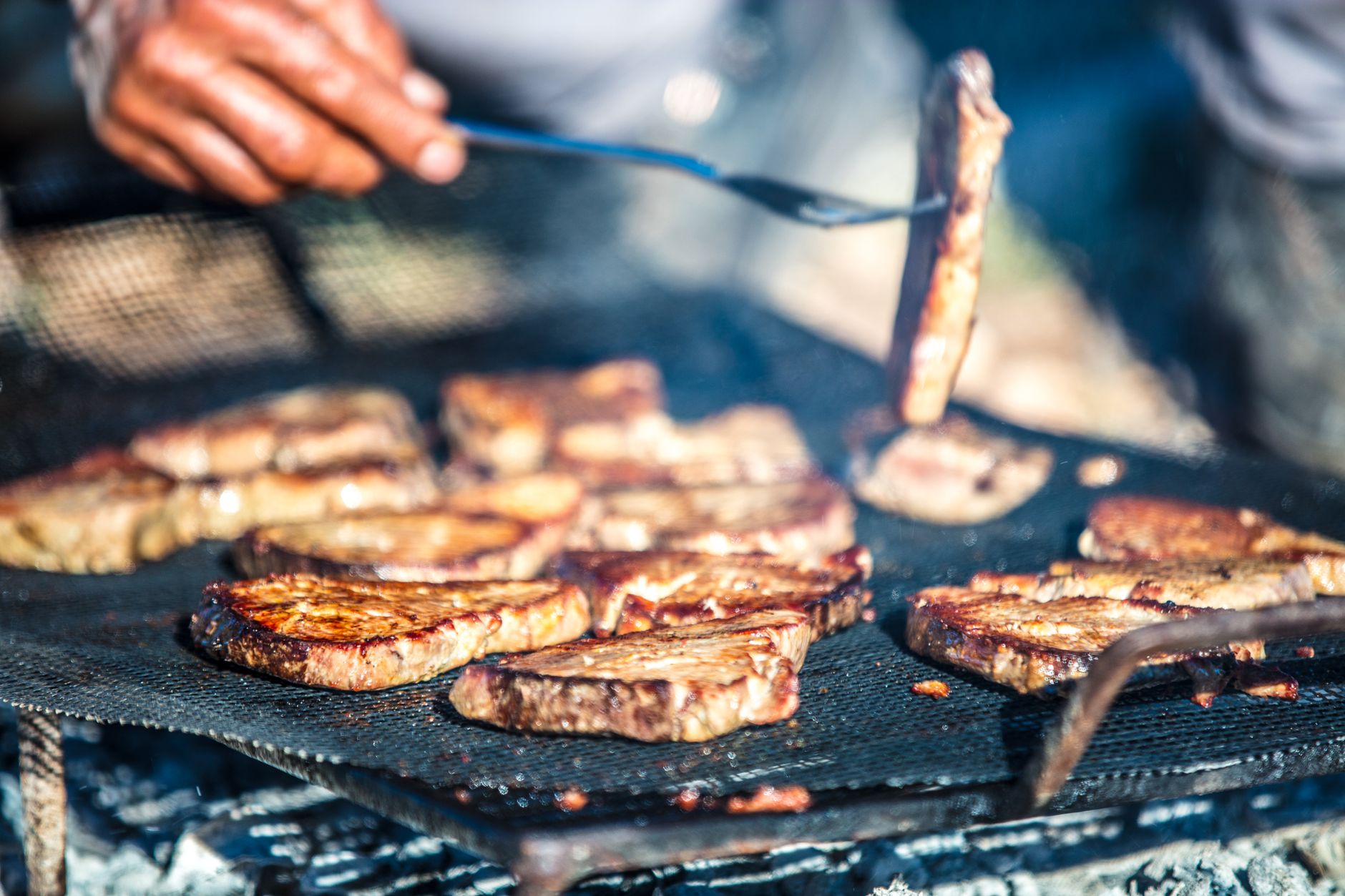
Both steaks are best friends with high-heat cooks grilling, broiling, or searing in a hot pan because they love that quick crust on the outside while staying tender inside. Heres a friendly tip from chefs who live for steak nights: go for the reverse sear method. Slow cook your steak at a low temp first (in the oven or on indirect grill heat), then finish with a fiery sear. Its like giving your steak a spa day before sending it out on the grill dance floor.
Which One Is Better Value?
Great question! Porters tend to command a higher price per pound, mainly because of the size and the generous tenderloin cut. But remember, youre getting more steak (and often, enough to share), which can be more economical per sitting. The T-bone tends to be a more budget-friendly option, especially for everyday dinners when you want a hearty steak without splurging.
Ah, this reminds me of a buddys first time ordering at a steakhousenot realizing hed ordered a porterhouse and ending up with leftovers for days! If you want a good laugh (and a cautionary tale), Id say stick to your appetite size, or maybe just call and ask! Theres no shame in being informed.

Best Porterhouse Steak and T-Bone Buying Tips
How to Pick the Best Porterhouse at the Butcher or Grocery Store?
First off, look for good marbling those white streaks of fat running through the meat because marbling means flavor and juiciness. Dont be swayed solely by size; smaller porterhouses can still pack a punch if theyre well-marbled and fresh. Speaking of fresh, vibrant red color and a firm texture are good signs.
What to Check When Buying a T-Bone Steak?
Since the tenderloin is smaller, its worth a quick look to make sure theres enough of that buttery filet side for your liking. Thickness is crucial too; anything less than an inch might cook too fast and risk drying out. Make sure your T-bone looks thick and juicy to give you the best eating experience.
Quality Checklist
- Visible marbling for flavor and tenderness
- Firm and moist, but not wet or slimy
- Pretty deep red color without gray or brown patches
- At least 1 to 1.5 inches thick for good cooking results
- Look for Prime or Choice USDA grades if possible
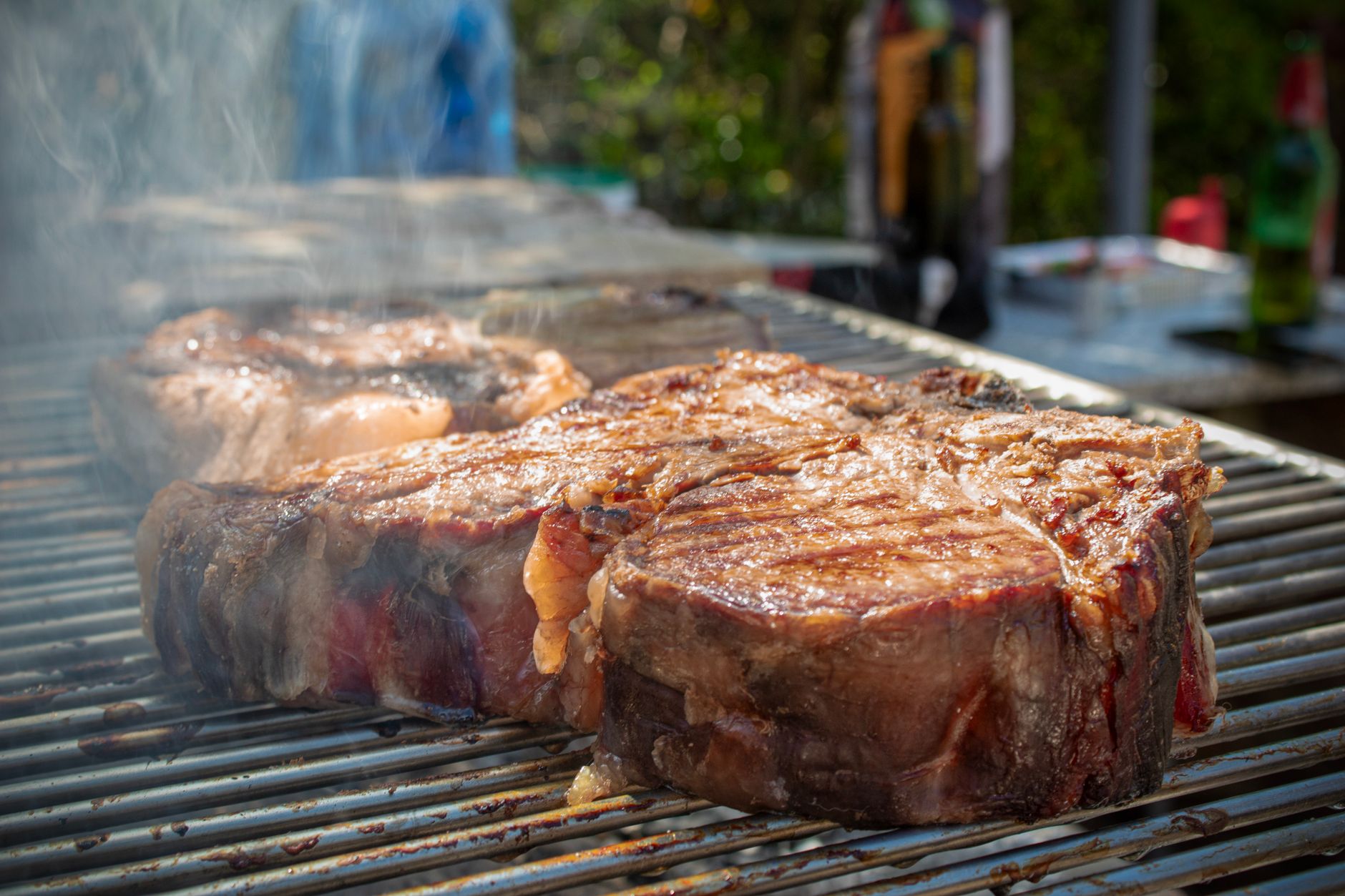
By the way, if you're exploring cooking tips beyond steaks, have you checked out this handy meat thermometer? Its a game-changer for making sure your steak hits that perfect doneness every time.
Benefits and Considerations
Why Choose a Porterhouse?
Well, if you're sharing or have a hearty appetite, the porterhouse is a homerun. That oversized tenderloin means it's meltingly tender and luscious, a real treat if you want a little bit of everything in one steaka powerful punch of tenderness from the filet and robust beefiness from the strip.
Why Pick a T-Bone?
On the other hand, if youre flying solo or prefer a moderate portion, the T-bone is your efficient, delicious companion. It has all the flavor profiles but in a slightly smaller package, usually less intimidating on the grill and your wallet. Ideal for casual meals when you want steak night without the steak mountain.
Some Things to Keep in Mind
Heres the honest scoop: porterhouse steaks can be a bit much for a single dinner if you dont want leftovers. And T-bones, while tasty, might leave you craving more filet if youre a true tenderloin lover. Plus, both cuts come with a bone, so if youre not into fighting your food a little, boneless steaks might suit you better.
Understanding both the benefits and risksor limitationslets you choose what suits your mood, occasion, and appetite best. Steak should be a joy, not a puzzle.
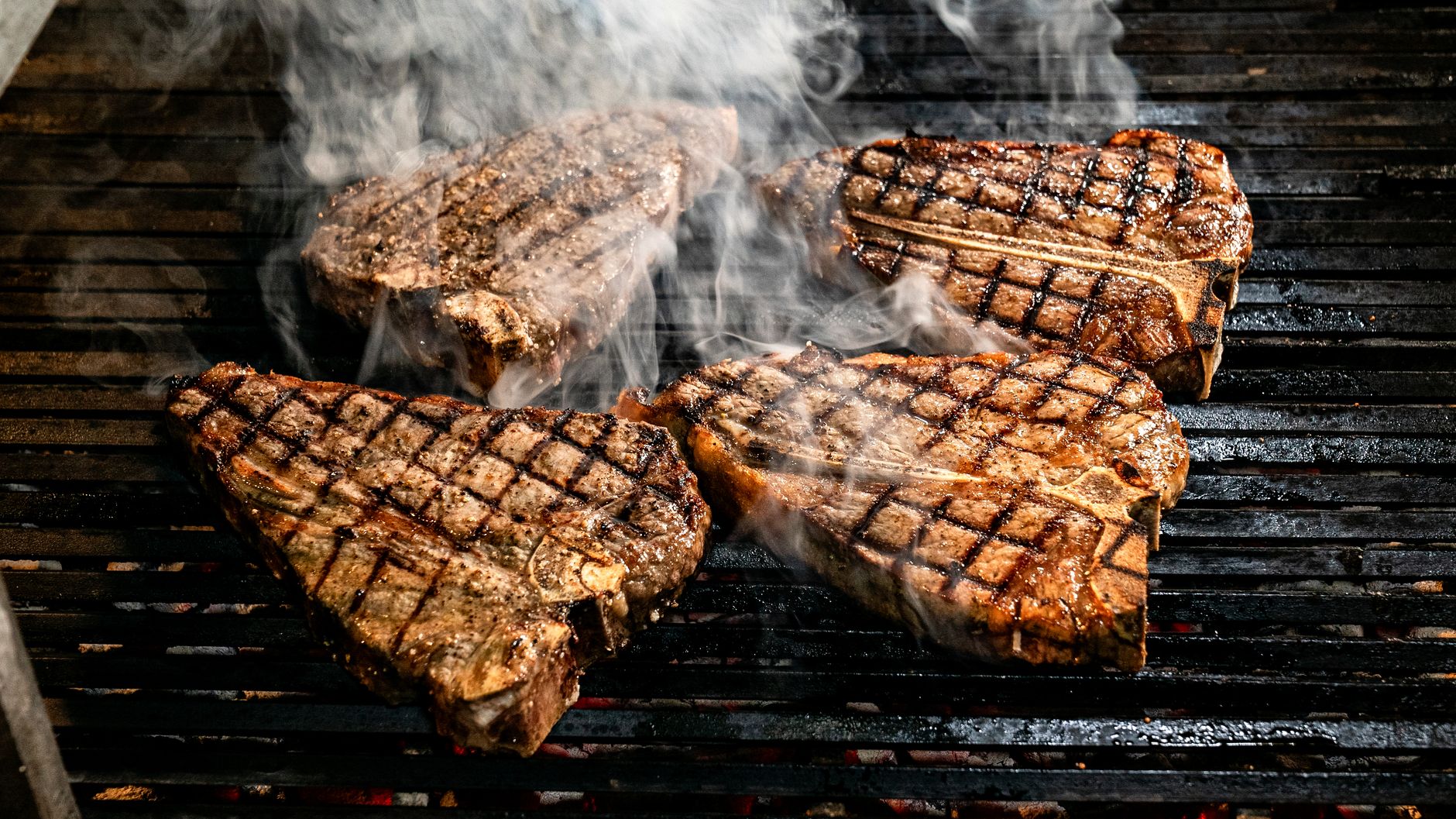
Final Thoughts: Which Ones for You?
So, there you have it. When it comes to T-Bone vs Porterhouse, the secret sauce lies primarily in that tenderloin sizeand how much steak you want to indulge in. Its not about one being better or worse; its about what fits your hunger and style of eating.
Next time youre at your favorite butcher or restaurant, youll know exactly what to ask for (and what to expect). Maybe youll go bold with a porterhouse for a big occasion or settle in with a trusty T-bone for a cozy dinner. Either way, knowing the steak differences explained makes you a smarter (and happier) steak lover.
By the way, whats your go-to steak cut? Do you lean more tenderloin, or are you a loyal strip steak fan? Drop a comment or share your steak victorieswe all love swapping stories about great food!
And, hey, if you ever feel like switching gears, you might enjoy trying recipes with meat loafcomfort food with big personality. Consider it a friendly nudge to keep your kitchen explorations tasty and exciting.
FAQs
What is the main difference between a T-Bone and a Porterhouse steak?
The key difference lies in the size of the tenderloin portion. A Porterhouse has a tenderloin at least 1.25 inches thick, while a T-Bone's tenderloin is smaller.
Are T-Bone and Porterhouse steaks from the same part of the cow?
Yes, both cuts come from the short loin section, featuring a combination of tenderloin and New York strip meat separated by a T-shaped bone.
Which steak is better for sharing, T-Bone or Porterhouse?
Porterhouse steaks are generally larger with a bigger tenderloin, making them better suited for sharing or larger appetites.
What cooking methods work best for T-Bone and Porterhouse steaks?
High-heat methods like grilling, broiling, or pan-searing work best, with reverse searing recommended for tender, juicy results.
Is the price difference between T-Bone and Porterhouse justified?
Porterhouse steaks tend to cost more due to their larger tenderloin portion and size, but they can be more economical when shared.