If you love a tender, juicy steak but your wallet keeps saying no, it is time to meet the oyster blade steak. This cut comes from the beef chuck area, near the shoulder blade, and it rivals expensive steaks in flavor and texture at a fraction of the cost. Many home cooks overlook it because the name sounds unfamiliar, but butchers and chefs know it as one of the best-kept secrets in the meat aisle. Let us walk through everything you need to know: what it is, how to buy it, how to cook it perfectly, and even some simple recipes to try tonight.
Getting to Know Your Oyster Blade Steak
What is Oyster Blade Steak?
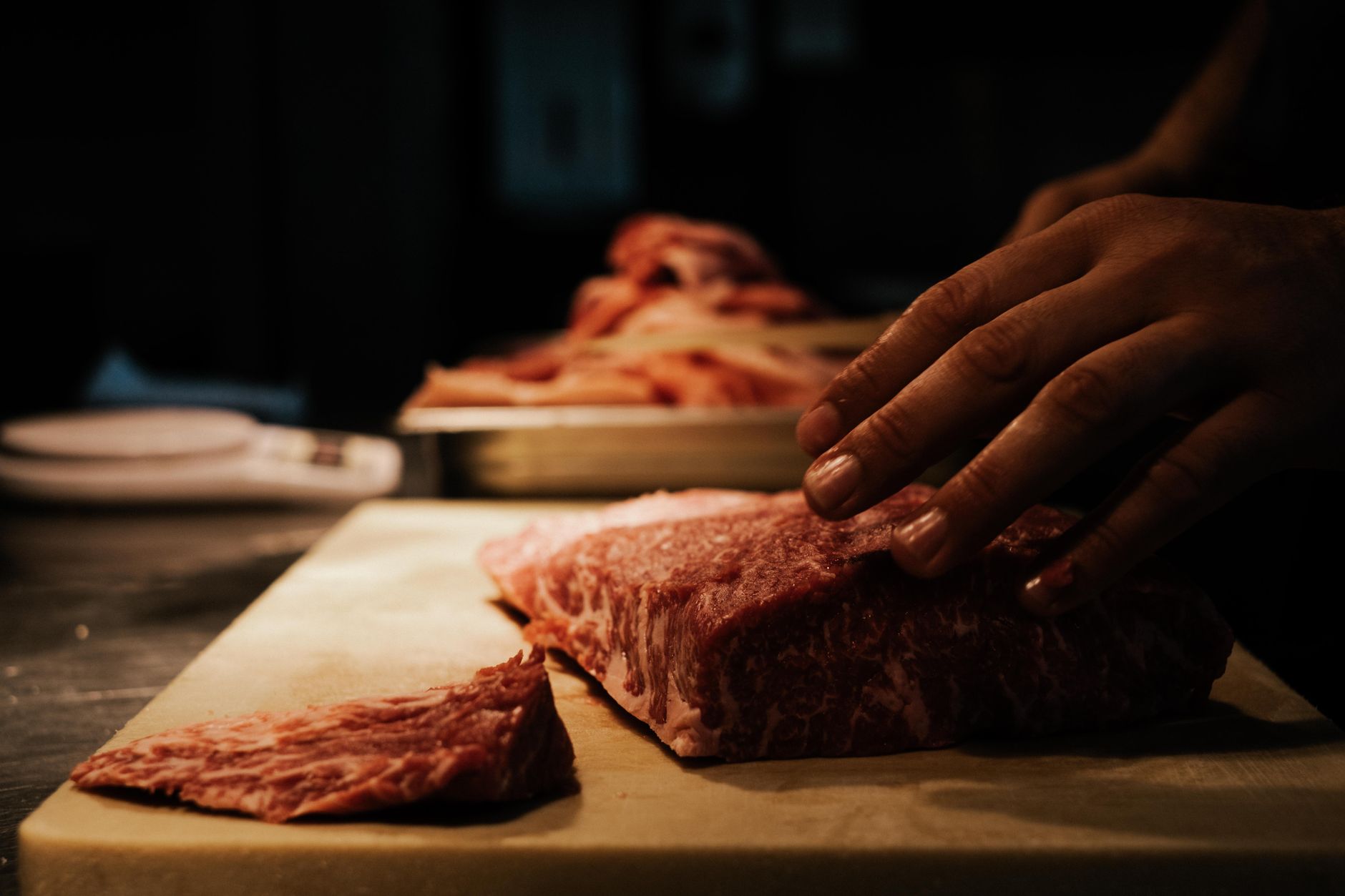
Oyster blade steak is a single muscle cut from the top blade of the chuck primal. It is sometimes called "butler‘s steak" or "flat iron" steak (though flat iron is slightly different). The muscle runs along the shoulder blade and has a natural seam of connective tissue running through the middle. This seam gives the steak its distinctive shape and, when cooked correctly, breaks down into buttery tenderness. The meat itself has excellent marbling, meaning fine streaks of fat that keep it moist during cooking.
Why Is Oyster Blade Steak Considered Tender?
The tenderness comes from a combination of factors. First, the muscle itself does very little work compared to leg or shoulder muscles, so it stays naturally soft. Second, the abundant marbling melts during cooking, basting the meat from the inside. Third, the central seam of connective tissue if cooked low and slow or seared quickly and sliced against the grain turns into a rich, gelatinous component that adds moisture rather than toughness. Many chefs actually prefer oyster blade over sirloin for certain dishes because it is far more forgiving.
Tender Beef Cuts Chart
| Cut | Tenderness Level | Price per Pound | Best Cooking Method |
|---|---|---|---|
| Oyster Blade Steak | High | $8$12 | Grilling, braising, pan-searing |
| Ribeye | Very High | $15$25 | Grilling, pan-searing |
| Sirloin | Medium-High | $10$15 | Grilling, stir-frying |
| Chuck Roast | Medium | $5$9 | Slow cooking, braising |
Tips for Purchasing Oyster Blade Steak
How to Choose the Best Oyster Blade Steak at the Store or Butcher
Look for steaks that are bright cherry red, not brown or gray. The fat should be creamy white and evenly distributed across the surface. A thin, intact central seam is normal avoid pieces where the seam is torn or excessively thick, as that may indicate a lower grade. Ask your butcher for steaks cut at least 1 inch (2.5 cm) thick; thinner cuts dry out quickly. For Halal meat, always verify the certification logo on the package or ask the butcher directly.
Here is a quick-reference table to help you evaluate any oyster blade steak you consider buying:
| Certification | Price Range | Common Formats | Shelf Life | Key Allergens |
|---|---|---|---|---|
| Look for JAKIM, HMC, or IFANCA logo | $8$12 per pound | Whole steak, pre-sliced for stir-fry, vacuum-packed | 35 days fresh; 69 months frozen | None (beef only check for marinades) |
Understanding Oyster Blade Steak Pricing
Why is this cut so affordable? Because it comes from the chuck primal, which butchers often grind or sell as roasts. Only a few steaks per cow are available, so supply is limited but demand is low among typical shoppers. This creates a hidden value: you get premium tenderness at half the price of a ribeye. If you see a sale, buy extra and freeze it the steak keeps well for up to nine months in a freezer bag with all air removed.
How to Cook Oyster Blade Steak Perfectly
Best Cooking Techniques for Oyster Blade Steak
You have two excellent paths: quick high-heat searing or slow moist-heat cooking. For grilling or pan-searing, cook to medium-rare (130F / 54C) to avoid toughening the muscle fibers. For braising, simmer in broth for 1.52 hours until the central seam melts into gelatin. Both methods deliver fantastic results. Avoid microwaving or boiling those will turn the steak rubbery.
Step-by-Step Cooking Guide (Pan-Seared Version)
- Remove the steak from the refrigerator 30 minutes before cooking to let it come to room temperature. Pat it dry with paper towels.
- Season generously with kosher salt and black pepper on both sides. Optional: add garlic powder or smoked paprika.
- Heat a heavy cast-iron skillet over medium-high heat for 3 minutes. Add 1 tablespoon of oil with a smoke point above 400F (like avocado or grapeseed).
- Place the steak in the skillet. Cook for 4 minutes without moving it this creates a deep brown crust.
- Flip the steak and cook for another 34 minutes for medium-rare. Use an instant-read thermometer: 130F is your target.
- Add 1 tablespoon of butter, 2 crushed garlic cloves, and a sprig of rosemary to the pan. Tilt the pan and spoon the melted butter over the steak for 1 minute.
- Transfer the steak to a cutting board. Let it rest for 5 minutes before slicing. Always slice against the grain.

Common Cooking Mistakes to Avoid
- Not resting the steak: cutting too early lets juices run out, leaving the meat dry. Always rest at least 5 minutes.
- Using too high heat for too long: the central seam can seize up and become tough if the steak is cooked beyond medium.
- Skipping the pat-dry step: moisture on the surface prevents browning. Dry skin = crispy crust.
Oyster Blade Steak Recipe Ideas
Quick and Easy Budget Steak Recipes
Try a simple steak salad: slice the cooked steak thinly and serve over mixed greens with cherry tomatoes, red onion, and a tangy vinaigrette. Or make steak tacos: dice the meat, warm in a skillet with cumin and lime juice, then pile into corn tortillas with avocado and cilantro. For a cozy dinner, braise the steak in beef broth with carrots and potatoes for 90 minutes the broth will thicken into a rich gravy.
Ethnic Cuisine Inspirations with Oyster Blade Steak
This cut works beautifully in Asian stir-fries: slice it thinly against the grain, marinate in soy sauce, ginger, and sesame oil for 15 minutes, then flash-fry with bell peppers and broccoli. For a Mexican twist, season with chipotle, garlic, and oregano, then grill and slice for carne asada. If you prefer European flavors, try a classic pot roast with thyme, bay leaf, and red wine. The versatility of this steak makes it a staple for weekly meal prep.
For another budget-friendly cut that grills beautifully, check out our guide on Coulotte steak grilling a lean, tender option from the sirloin area.
Bonus: Beef Recipe Ideas to Try with Oyster Blade
- Beef stroganoff with mushrooms and sour cream
- Korean-style bulgogi bowls with rice and kimchi
- Steak and cheese sandwiches with caramelized onions
- Beef shawarma wraps with tahini sauce
Benefits and Considerations of Oyster Blade Steak
Pros of Choosing Oyster Blade Steak
- Excellent tenderness rivals premium cuts
- Budget-friendly price point (often under $10/lb)
- Rich, beefy flavor with good marbling
- Versatile for grilling, braising, and stir-frying
- Naturally Halal-compatible when sourced from a certified supplier
Potential Drawbacks and How to Mitigate Them
- Can become tough if overcooked always use a meat thermometer and aim for medium-rare.
- The central seam may be off-putting to some slice it out after cooking if you prefer, or cook low and slow to dissolve it.
- Availability varies by region ask your butcher to order it by name.
- Some packs are labeled "flat iron" or "butler‘s steak" confirm with your butcher if unsure.
Is oyster blade steak actually Halal what should I check?
Yes, oyster blade steak can be Halal, but you must verify the certification. Look for a logo from a recognized body such as JAKIM (Malaysia), HMC (UK), or IFANCA (USA). The package should clearly state "Halal" and list the slaughter method. If buying from a butcher, ask to see their Halal certificate. Avoid any pre-marinated steaks unless the marinade ingredients and certification are also Halal.
What is the best way to store leftover cooked oyster blade steak?
Wrap leftover steak tightly in foil or place it in an airtight container. Refrigerate immediately and consume within 34 days. For longer storage, freeze cooked slices in a freezer-safe bag for up to 3 months. Reheat gently in a skillet with a splash of broth or butter to restore moisture avoid the microwave, which can make the meat tough.
Can I substitute oyster blade steak for other cuts in recipes?
Absolutely. Use it anywhere you would use flank steak, sirloin, or even ribeye in stir-fries, fajitas, and stews. Because it is tender, it does not need long marination 15 to 30 minutes is enough. Just remember to slice against the grain for maximum tenderness.
How do I know if my oyster blade steak is fresh?
Fresh steak should smell clean and slightly metallic, not sour or ammonia-like. The color should be bright red, not brown or gray. The surface should feel firm and spring back when pressed. If the package has any liquid that looks cloudy or has an off odor, do not buy it.
Why does my oyster blade steak sometimes have a tough strip in the middle?
That is the central seam of connective tissue. If you cook the steak quickly to medium-rare, the seam will remain slightly chewy. To fix this, either braise the steak for 1.52 hours until the seam melts, or after cooking, simply cut out the seam and discard it. Many home cooks find that braising turns the seam into a delicious, buttery component.
What is the difference between oyster blade and flat iron steak?
Both come from the same general area of the chuck, but flat iron is the "top blade" muscle with the center seam removed by the butcher. Oyster blade usually retains the seam. The flavor and tenderness are very similar. Flat iron costs slightly more because of the extra trimming. For home cooking, either works fine just adjust your cooking method based on whether the seam is present.
Can I grill oyster blade steak directly on a barbecue?
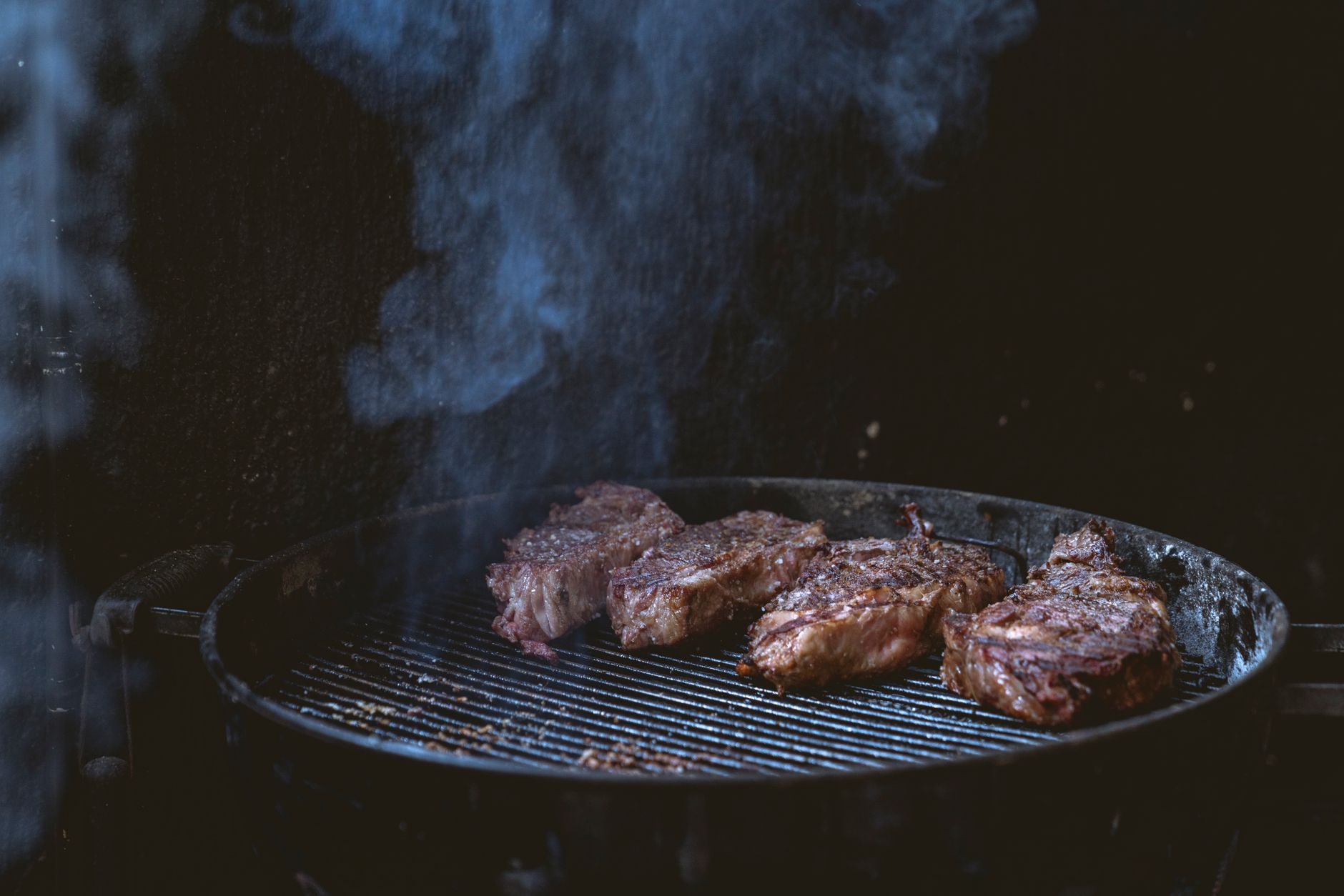
Yes. Preheat your grill to high (about 450F). Oil the grates well. Grill the steak for 45 minutes per side for medium-rare. Let it rest for 5 minutes before slicing. The high heat sears the outside while keeping the inside juicy. Avoid pressing down on the steak with a spatula that squeezes out the juices.
Conclusion
Next time you are at the butcher counter, look past the ribeye and sirloin and pick up an oyster blade steak. It delivers the same tenderness and beefy satisfaction for a much friendlier price. Whether you sear it quickly for a weeknight dinner or braise it slowly for a Sunday meal, this cut rewards you with rich flavor and reliable results. Check the Halal certification on the label, follow the cooking tips above, and you will wonder why you never tried it sooner. Share your experience in the comments we would love to hear your favorite recipe.
FAQs
Is Oyster blade steak actually Halal — what should I check on the label?
Yes, it can be Halal, but you must verify the certification. Look for a logo from a recognized body such as JAKIM (Malaysia), HMC (UK), or IFANCA (USA). The package should clearly state "Halal" and list the slaughter method. Avoid pre-marinated steaks unless the marinade ingredients are also Halal-certified. When buying from a butcher, ask to see their Halal certificate.
How should I store leftover cooked oyster blade steak and what is its shelf life?
Wrap leftover steak tightly in foil or place it in an airtight container. Refrigerate immediately and consume within 3–4 days. For longer storage, freeze cooked slices in a freezer-safe bag for up to 3 months. Reheat gently in a skillet with a splash of broth or butter to restore moisture. Avoid the microwave, which can make the meat tough.
What is the difference between oyster blade steak and flat iron steak?
Both come from the top blade muscle of the chuck, but flat iron has the central seam of connective tissue removed by the butcher. Oyster blade usually retains this seam. The flavor and tenderness are very similar. Flat iron costs slightly more due to extra trimming. For home cooking, either works, but adjust your method: quick sear for flat iron, or braise oyster blade to melt the seam.
Can I eat oyster blade steak every day? Is it safe?
While oyster blade steak is nutritious and safe, eating red meat daily is not recommended for most people. Health guidelines suggest limiting red meat to a few servings per week due to saturated fat and cholesterol content. If you choose to eat it more often, balance with vegetables and whole grains. Always cook to safe internal temperatures (at least 145°F for medium-rare) to avoid foodborne illness.
Where can I buy oyster blade steak?
Oyster blade steak is available at many butcher shops and some grocery stores, often labeled as "butler's steak" or "flat iron" (though not identical). Ask your butcher specifically for oyster blade or top blade steak. If not in stock, most butchers can order it. Online Halal meat retailers also carry this cut. Check for freshness by looking for bright red color and clean smell.