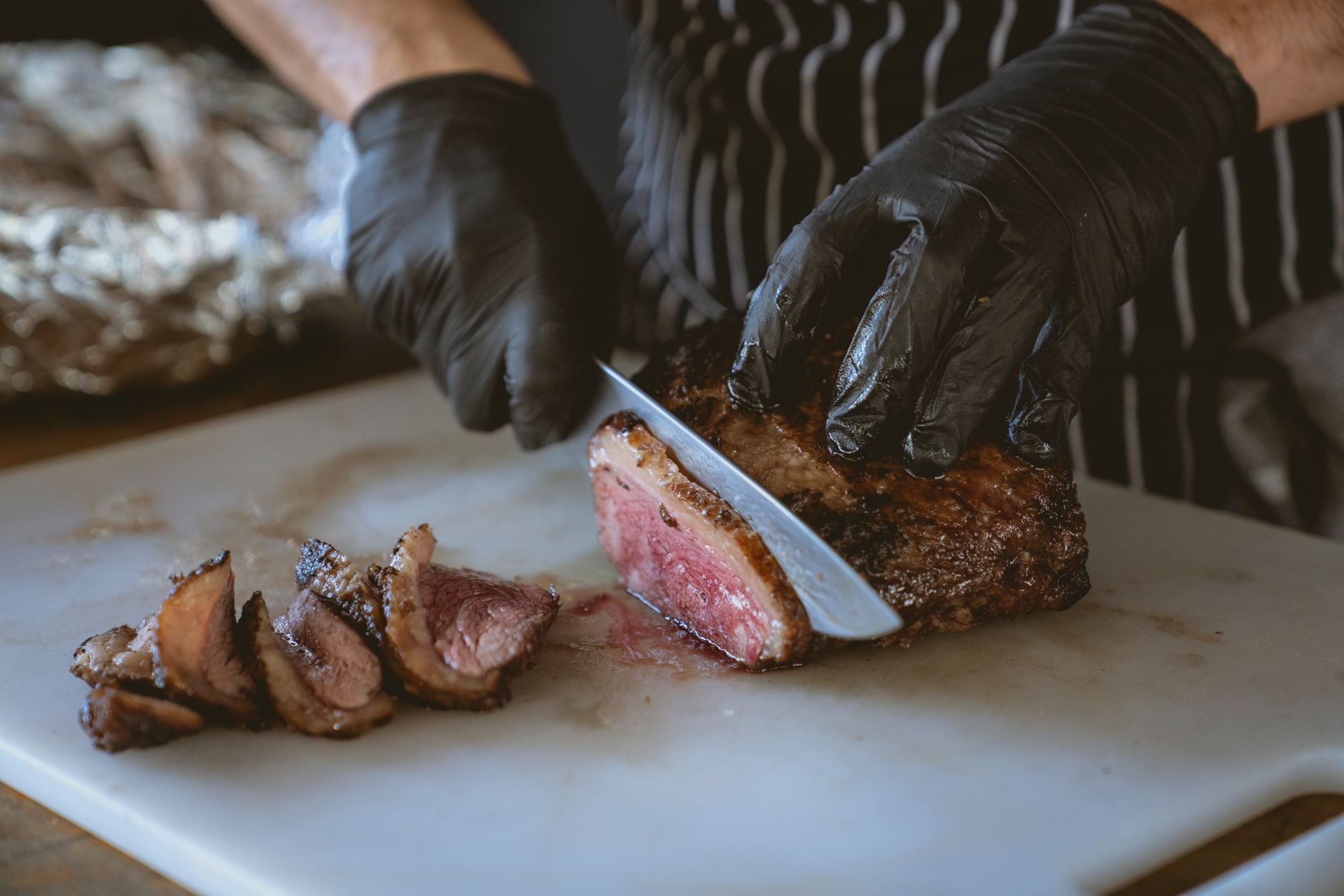
When youve enjoyed a juicy steak at a restaurant, you might wonder: what are the secret restaurant steak tricks that make it so tender and flavorful? Most home cooks struggle to match those succulent results despite using premium cuts. Luckily, mastering just a few smart techniques restaurants rely on can elevate your steak game substantially. From how and when to salt, to nailing the sear, then resting it properlythese precise tricks unlock steak perfection every time.
Mastering Salt
Why Salt Timing Changes Everything
One of the most overlooked restaurant steak tricks is when to salt your meat. Salting your steak too early or right before cooking yields very different results. Chefs often salt steaks 40 minutes to an hour ahead, allowing salt to draw moisture out, which then reabsorbs infused with flavor and tenderness. This pre-salting helps break down muscle proteins and improves texture.
By contrast, salting just moments before cooking seasons only the surface, offering less depth in flavor. This early salting is key in many restaurants, ensuring every bite is seasoned throughout, not just on the crust.
The Science Behind Salt and Meat Interaction
Salt initially draws out water via osmosis, creating a briny layer on the surface. Over time, this liquid reabsorbs, bringing salt deep inside. Meanwhile, salt also helps break down tough proteins in muscle fibers, resulting in a steak that‘s more tender and juicy. According to food science experts, this process can take from 40 minutes up to 24 hours depending on steak thickness.
Pro Salt-Application Techniques for Home Cooks
- Choose a good kosher salt with coarse grains for easier control and less chance of over-salting compared to fine table salt.
- Sprinkle salt evenly over both sides of your steak at least 40 minutes before cooking, then let it rest at room temperature.
- Pat the steak dry before cooking to ensure a better sear.
This small investment of time pays off immensely by unlocking robust flavor and tenderness.
The Sear and High-Heat Technique
Why Proper Searing is Non-Negotiable
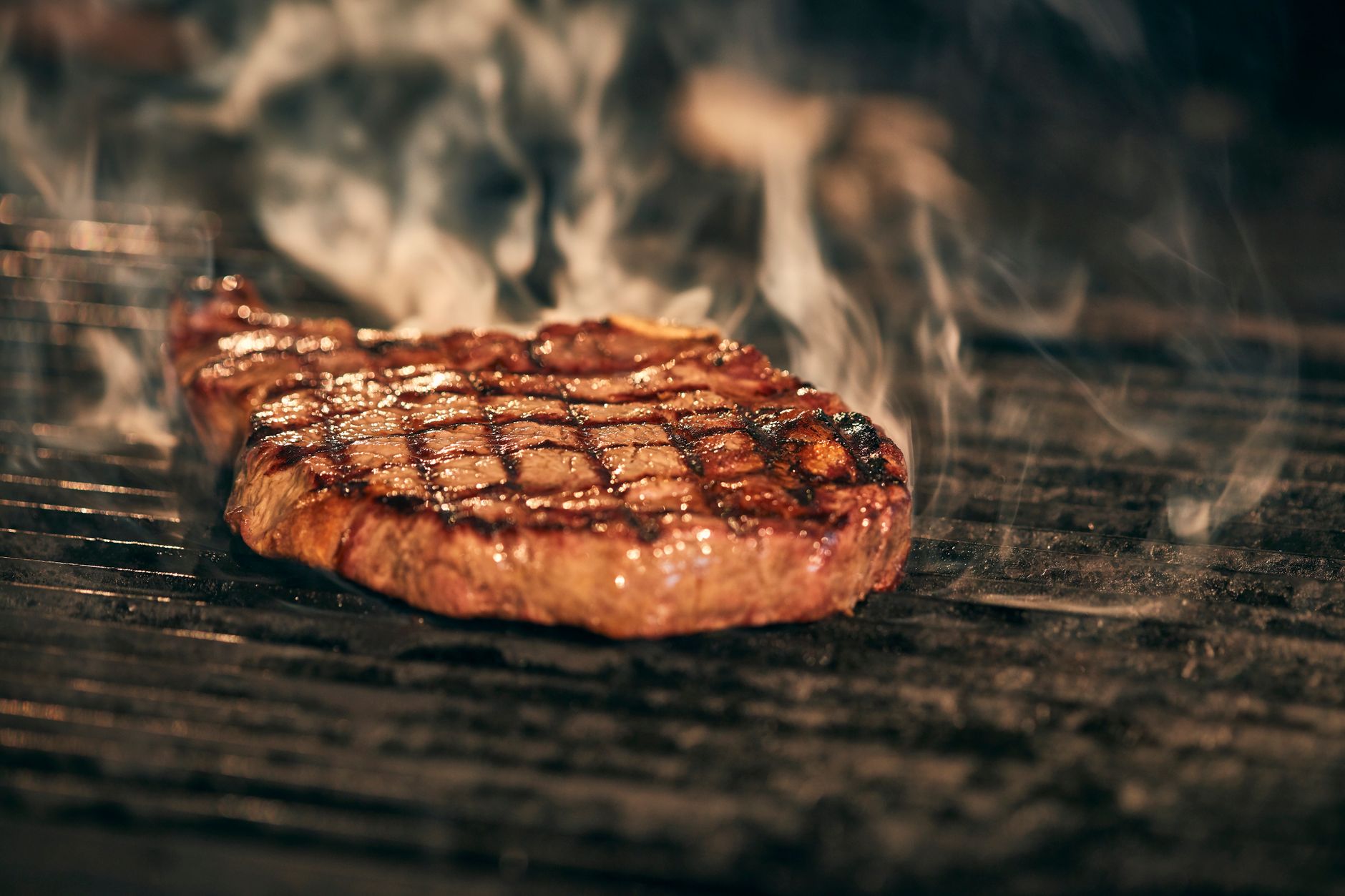
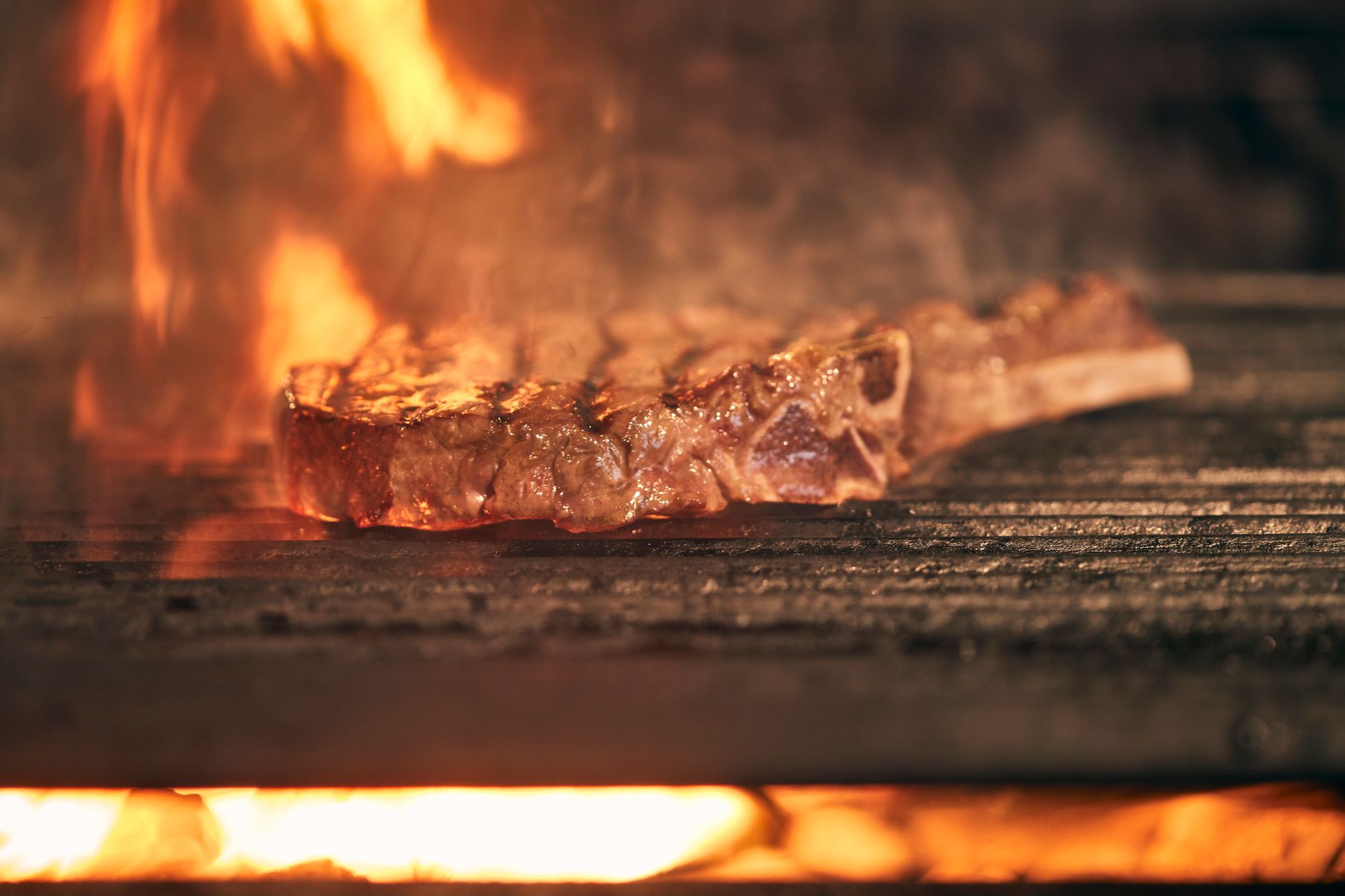
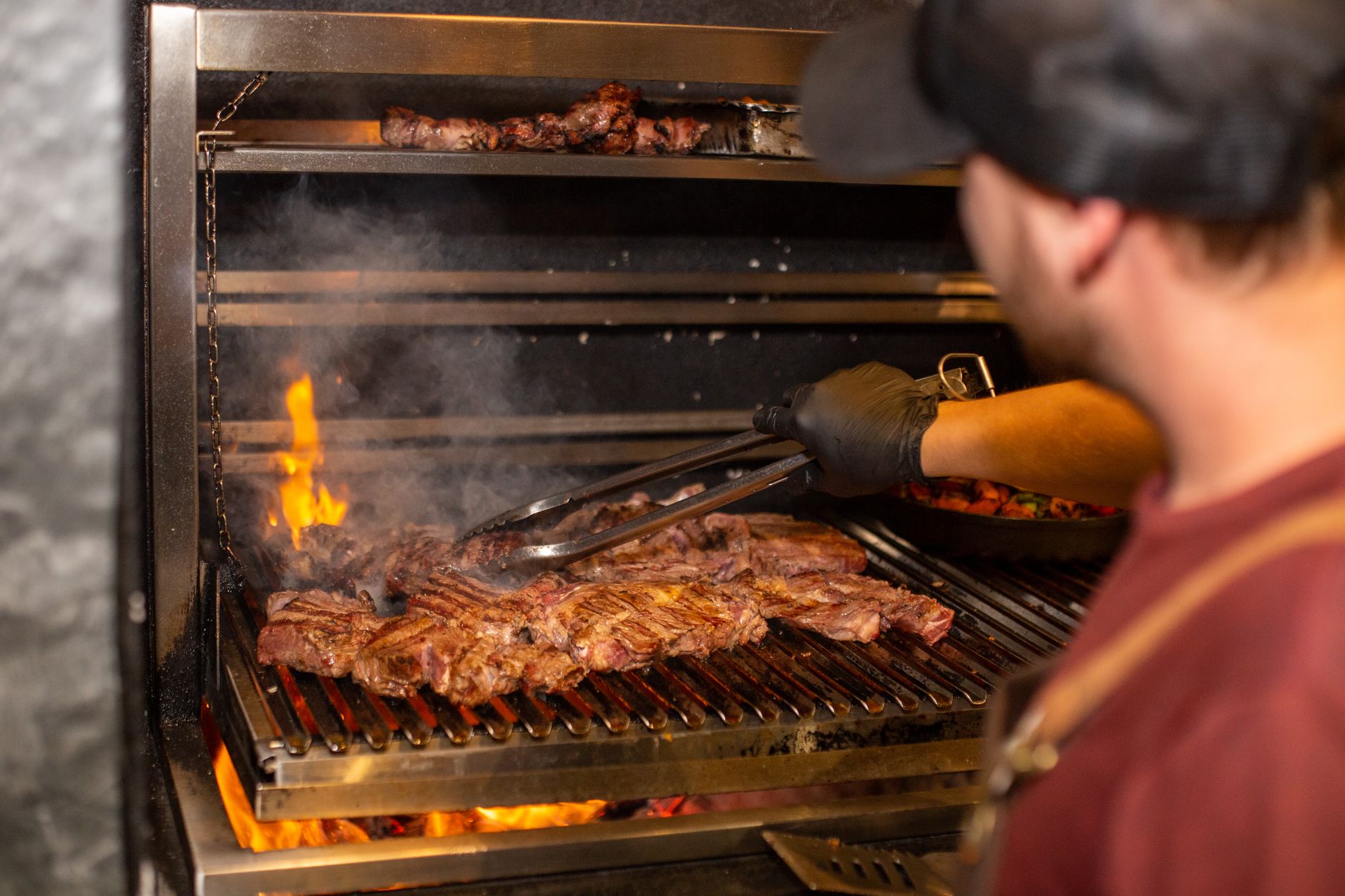
The defining restaurant steak trick for flavor is the perfect sear. This caramelized crust happens thanks to the Maillard reaction a chemical process that browns proteins and sugars when exposed to high heat, creating complex, savory aromas. Without it, steak ends up bland and visually unappealing.
Choosing the Right Heat Source and Pan
Cast iron pans are a favorite in restaurant kitchens for their excellent heat retention and even cooking. Stainless steel is a solid option, while grills add a smoky char. Avoid non-stick pans as they dont get hot enough to sear properly.
Getting Steak Sizzling Hot Without Drying It Out
- Preheat your pan over medium-high heat for 5 minutes until its smoking slightly.
- Use a high smoke-point oil such as grapeseed or refined avocado oil. Avoid butter at this stage as it burns quickly.
- Place the steak gently into the pan and leave it untouched for 23 minutes to form a crust.
- Flip once and sear the other side similarly.
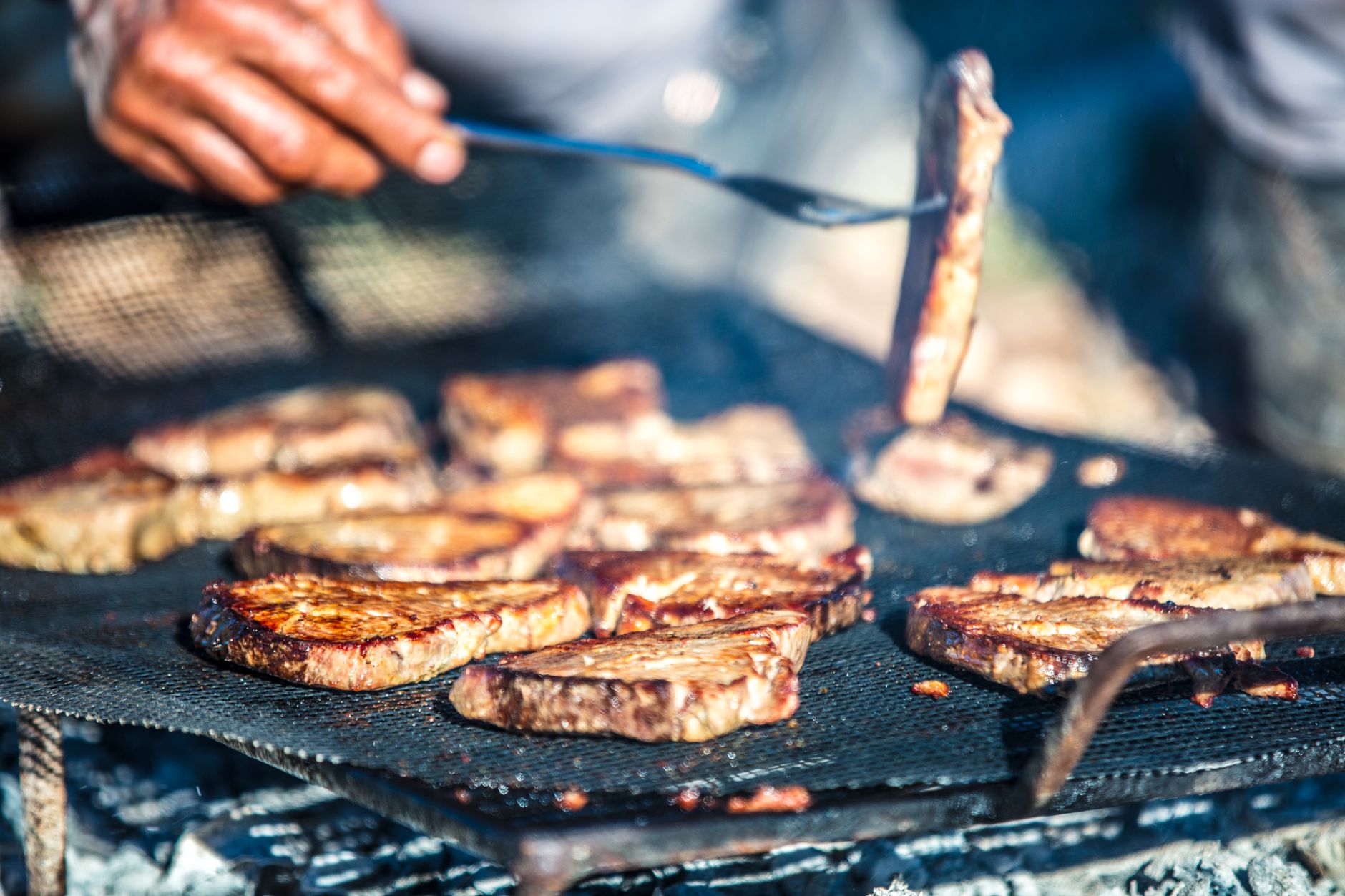
- Use tongs for flipping to avoid piercing the meat and losing juices.
These tricks preserve juices while optimizing flavor just like the pros do.

Avoiding Common Searing Mistakes
Flipping too early or frequently cools the pan and interferes with crust formation. Also, overcrowding the pan traps moisture and steams the steak instead of searing itcook in batches if needed.
The Crucial Rest
Why Resting Changes Texture and Juiciness
After steak leaves the pan, its tempting to cut right in. But chefs know resting lets muscle fibers relax and reabsorb juices pushed to the surface during cooking. Skipping rest causes flavorful liquids to spill out immediately, leaving steak drier and tougher.
How Long to Rest and Ideal Conditions
- Rest thinner cuts for about 5 minutes, thicker steaks for 710 minutes.
- Lay steak on a warm plate or cutting board; avoid cold surfaces that cause temperature loss.
Covering Steak During Rest: Pros and Cons
Some chefs tent steaks loosely with foil to retain warmth without trapping steam, which could make the crust soggy. Others leave steaks exposed for better crust preservation. Both methods work if timed correctly.
Bonus Tricks to Elevate Your Steak
Using Butter and Aromatics for Flavor
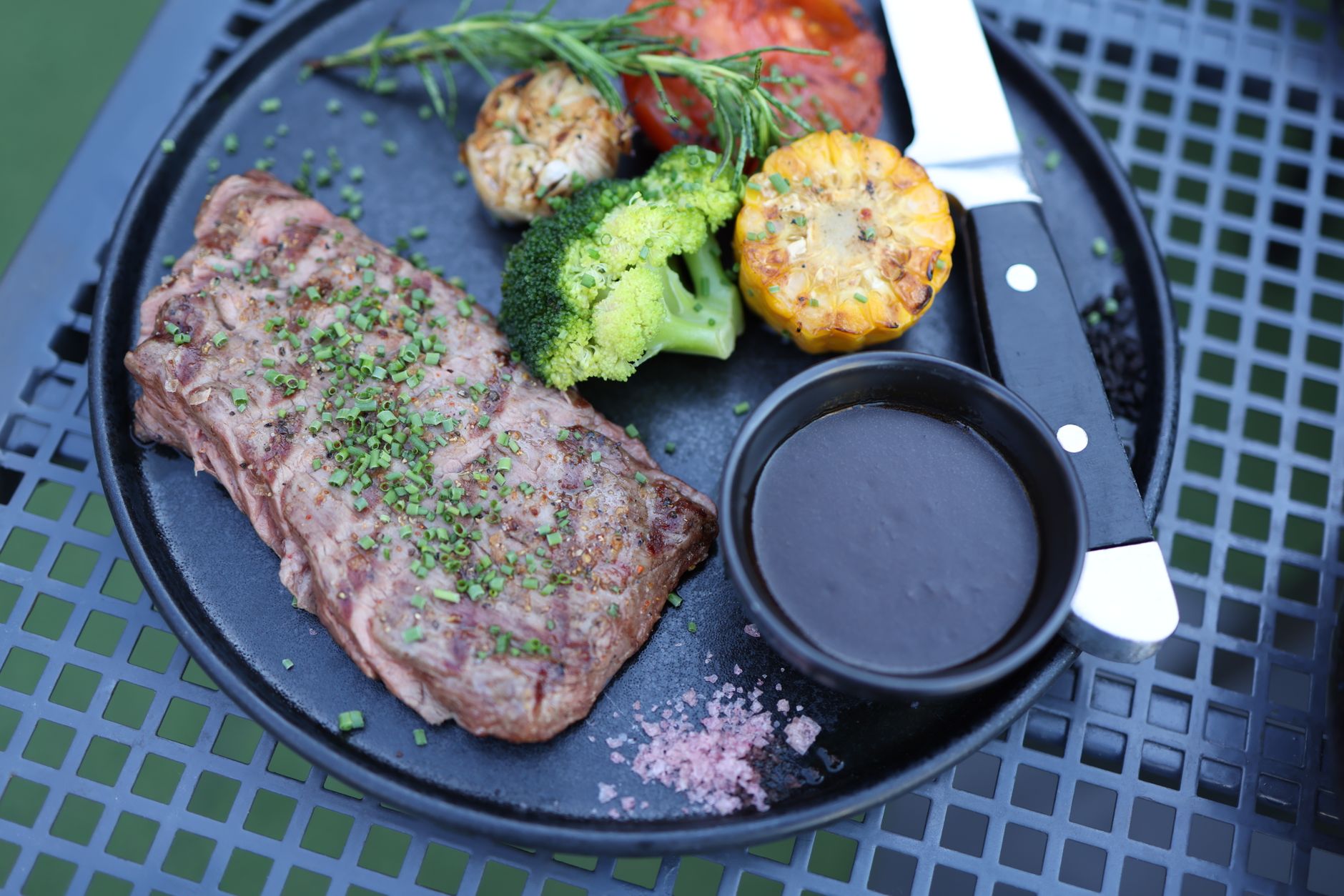
Many restaurants baste steaks with butter, garlic, and fresh herbs like rosemary or thyme in the final minutes of cooking. This technique layers flavor and creates a velvety finish. To try, add 12 tablespoons of butter and a sprig of fresh herbs to the pan once the steak is nearly done, spooning melted butter over the surface for 12 minutes.
Starting Steak at Room Temperature
Bringing steak to room temperature for about 30 minutes before cooking ensures more even heat penetration and consistent doneness. While some debate this step, most professionals agree it contributes to better texture and reduces cooking surprises.
Managing Moisture for a Perfect Sear
Patting steak dry with paper towels before salting and cooking removes surface moisture. This prevents steaming and helps achieve a crisp crust. Also, avoid overcrowding the panwork in batches if cooking multiple steaks.
Bone-In vs. Boneless Steaks
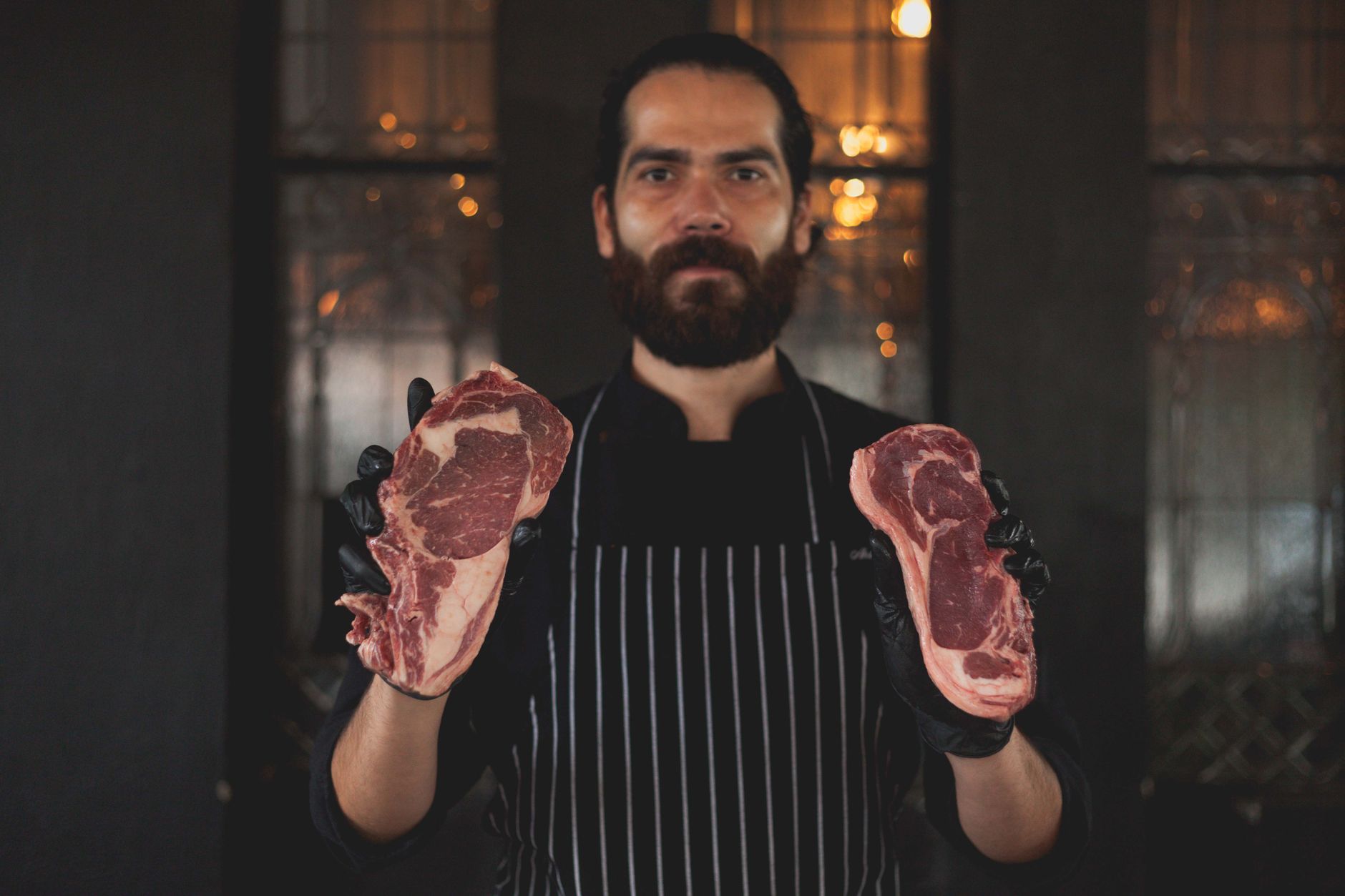
Bones act as natural heat conductors, distributing heat more evenly and sometimes adding flavor. Thick bone-in cuts like ribeye or t-bone also retain juiciness longer. If you prefer boneless for convenience, use the same salting and searing techniques carefully to avoid overcooking thinner sections.
For those exploring flavor profiles alongside steak, you may also enjoy learning about Capicola vs prosciutto for complementary taste experiences in charcuterie.
Restaurant Steak Tricks: Risks and Downsides
Health Considerations with Extra Salt and Butter
While salt and butter are key flavor enhancers, overusing them can increase sodium and saturated fat intake. Moderation is key. Certified Halal butters and kosher salts from trusted brands ensure clean labels and quality in your kitchen.
Overcooking from High Heat Risks
Pursuing a perfect sear at extremely high heat risks charring or drying steak if timing is off. Using quality cuts with more marbling helps prevent dryness, but watch the clock closely.
Balancing Flavor and Nutrition
Restaurants sometimes prioritize intense flavor over nutrition. At home, you can adjust these steak tricks to suit your health goals by reducing butter or opting for herbs and spices for flavor without heavy fats.
Looking for balanced protein-rich options? Checking the Best bacon brands certified Halal can also help diversify your meat choices responsibly.
Adapting Tricks to Personal Needs
Using these techniques selectively lets you enjoy indulgent steaks while managing dietary restrictions or health conditions. For halal cooking, always look for certification logos like JAKIM, HMC, or IFANCA on meat packaging to ensure compliance.
Frequently Asked Questions
Is restaurant steak tricks really Halal to apply at home?
Absolutely. These seasoning and cooking methods can be applied to any halal-certified steak you purchase. Just ensure your meat holds certification from trusted bodies like JAKIM or HMC, which confirms proper halal processing. The cooking tricks focus on technique, not ingredients, so theyre fully compatible with halal practices.
When is the best time to eat steak?
Steak is typically enjoyed as a hearty lunch or dinner. Nutritionally, pairing it with balanced sides rich in fiber helps digestion and offers complete meals. Avoid heavy late-night portions. Aim for moderation for optimal health benefits.
Can I salt steak too early?
Salting too earlymore than 24 hours in advancecan draw out excessive moisture and create a dry texture. The ideal window is 40 minutes to 2 hours depending on thickness to maximize tenderness and flavor without drying out.
How do I know if my pan is hot enough for searing?
Heat the pan for 5 minutes on medium-high. Flick a few drops of waterif they evaporate immediately or "dance," its ready. Using an infrared thermometer helps for precision if you have one.
Should I use oil or butter for searing?
Use a high smoke-point oil like grapeseed or avocado oil for searing to avoid burning. Add butter and aromatics in the last minute to baste and add flavor without risking bitterness.
How long should I rest a bone-in steak?
Rest thick bone-in steaks about 8 to 10 minutes, as they hold heat longer. This resting period ensures juices redistribute evenly through the meat for optimal tenderness.
Can I reuse pan juices for sauce?
Yes. After searing, deglaze the pan with wine, broth, or cream plus herbs to make a flavorful sauce. This is a classic restaurant trick that adds depth to your meal.
Pro Tips for Perfect Steak
- Do not skip the drying step: Moisture on the steak surface leads to steaming, ruining your crust.
- Invest in a good meat thermometer: This removes guesswork and avoids overcooking, helping you hit medium-rare or preferred doneness precisely.
- Experiment with compound butters: Mix halal-certified butter with herbs and citrus zest to finish your steak like a pro.
More You Might Like
Explore how to incorporate cured meats responsibly into your diet with our guide comparing Capicola vs prosciutto. Or discover clean-label choices in savory meats through the Best bacon brands tailor-made for halal diets.
Conclusion
These restaurant steak trickssalting early, mastering the sear, and resting patientlyturn a simple cut of meat into an extraordinary meal. The next time you cook steak at home, remember these tips to unlock rich flavors and tender juiciness. Check the label to ensure your halal-certified cut meets quality standards, then enjoy the delicious rewards of your effort. Feel free to share your steak success stories or ask questions below!
FAQs
Is restaurant steak tricks actually Halal — what should I check on the label?
Yes, you can apply restaurant steak tricks to halal-certified steaks at home. To ensure compliance, check for trusted halal certification logos like JAKIM, HMC, or IFANCA on the meat packaging. These guarantees confirm proper halal processing methods.
When is the best time to eat or drink restaurant steak tricks?
Steak is best enjoyed as a hearty lunch or dinner. Pair it with fiber-rich sides for better digestion and a balanced meal. Avoid heavy portions late at night to maximize nutritional benefits and avoid digestive discomfort.
Can I salt steak too early, and what is the ideal time?
Salting too early, beyond 24 hours, can dry out the steak by drawing excessive moisture. The optimal window is 40 minutes to 2 hours before cooking, depending on thickness, to boost tenderness and flavor without drying.
How do I know if my pan is hot enough for searing?
Preheat your pan on medium-high heat for about 5 minutes. Flick a few drops of water—if they evaporate immediately or "dance" on the surface, the pan is ready. Using an infrared thermometer provides precise temperature confirmation.
Should I use oil or butter for searing my steak?
Use a high smoke-point oil such as grapeseed or avocado oil for searing to prevent burning. Add butter and aromatics like garlic or herbs only in the last minutes of cooking to enhance flavor without risking bitterness.