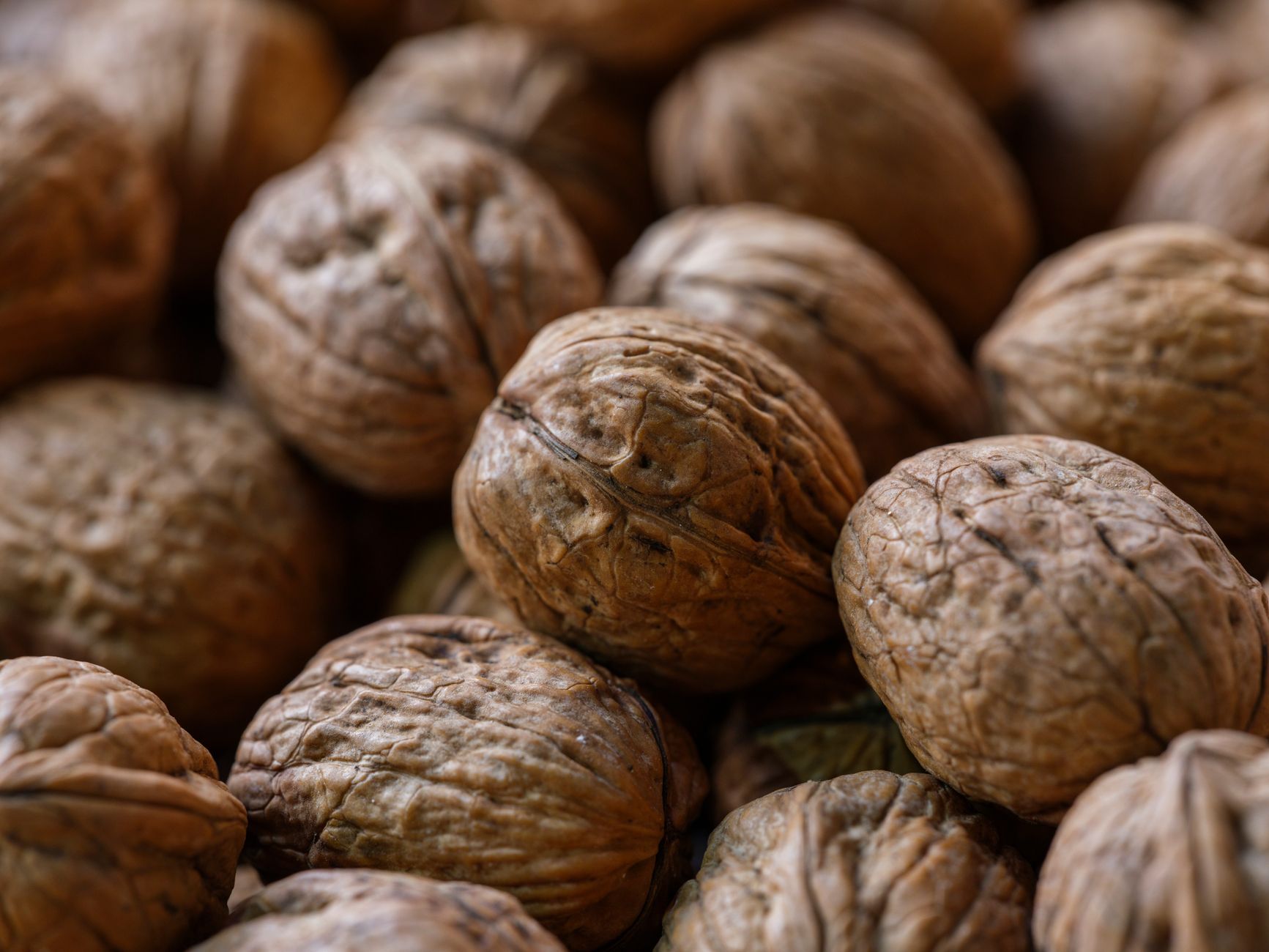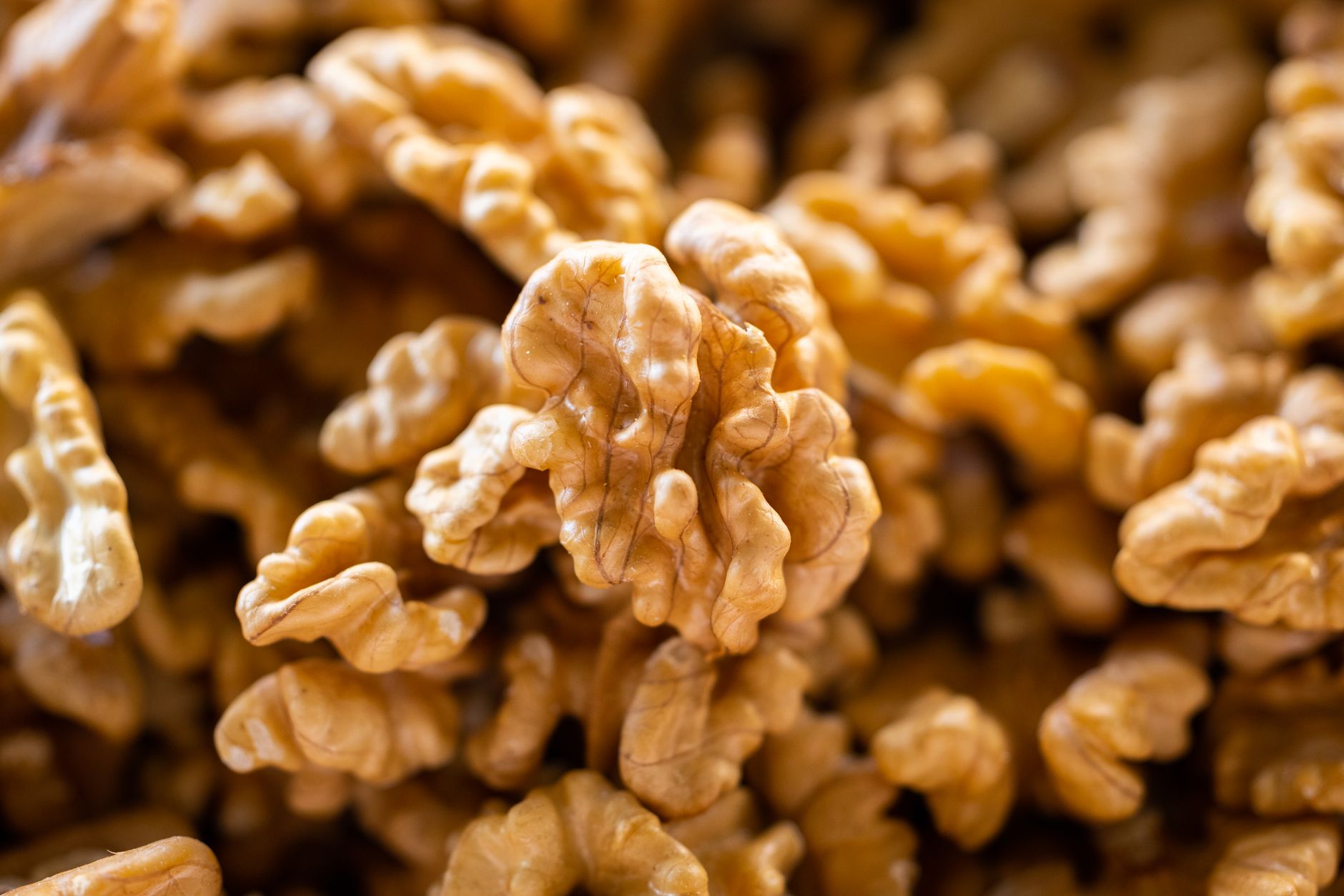
Toasting walnuts unlocks their full flavor and adds a satisfying crunch that lifts any dish. Whether you sprinkle them on salads, bake them into desserts, or enjoy them as a snack, learning how to toast walnuts is a kitchen skill youll use often. By toasting walnuts properly, you bring out their natural aroma and deepen their nutty taste. Lets explore the easiest methods and expert tips to toast walnuts perfectly every time.
Why Toast Walnuts?
What Are the Flavor and Texture Benefits of Toasting Walnuts?
Toasting walnuts enhances their natural richness, unlocking deeper nutty notes and a pleasant roasted aroma. This simple step also adds crunch by evaporating moisture, giving walnuts a crisp texture that balances soft or creamy ingredients. The result? Toasted walnuts add complexity and contrast to both sweet and savory dishes, making flavors pop without extra seasoning.
Are There Any Risks or Downsides to Toasting Walnuts?
While toasting makes walnuts tastier, it requires care. Over-toasting can turn them bitter with a burnt flavor. Excessive heat may also reduce some heat-sensitive nutrients, like certain antioxidants. To avoid this, use moderate heat and monitor your nuts closely. Proper cooling afterward prevents them from steaming and losing crunch.
Toast Walnuts in the Oven
What Tools and Ingredients Do You Need for Oven Toasting?
For oven toasting, youll need a baking sheet or tray and optionally parchment paper to prevent sticking. Raw walnut halves or pieces work equally well. An oven thermometer can help ensure even temperature control, especially in home ovens that run hot or cold.
Step 1: Preheat Your Oven Properly
Set your oven to 350F (175C). Accurate preheating is key to consistent, even toasting. Some ovens include a preheat indicator, but an oven thermometer gives the best assurance. Avoid temperatures above 375F to prevent burning.
Step 2: Arrange Walnuts on the Baking Tray
Spread walnuts in a single layer to allow even air circulation. Use parchment paper on the tray for easier cleanup and to prevent sticking. Avoid overcrowding; use multiple trays if needed to keep walnut pieces spaced.
Step 3: Roast Until Browning and Crisp
Toast for 8 to 12 minutes, stirring or shaking the tray halfway through for uniform color. Watch carefully during the last few minutes. The walnuts are ready when they turn golden brown and emit a fragrant, toasty smell. Avoid dark browning that signals burning.
Step 4: Cooling and Storing Toasted Walnuts
Let the walnuts cool on the baking tray. This prevents trapped steam, which can make them soggy. Once cooled, transfer to an airtight container. Stored properly, toasted walnuts stay fresh and crunchy for up to 2 weeks at room temperature or 1 month refrigerated.

Toast Walnuts Using a Skillet
What Tools Do You Need for Skillet Toasting?
A dry skillet or frying pan and a wooden spoon or spatula to toss walnuts. A heavy-bottom pan distributes heat evenly, reducing hotspots that could burn the nuts.
Step 1: Preheat the Skillet on Medium Heat
Warm your skillet on medium heat for 2-3 minutes. Medium heat provides controlled toasting without charred edges.
Step 2: Add Walnuts and Spread Evenly in the Pan
Add a single layer of walnut halves or pieces to the skillet. Avoid overcrowding to allow even heat distribution. Toast in small batches if needed.
Step 3: Toss Regularly Until Evenly Browned
Stir or toss the walnuts continuously with your spatula for 5 to 7 minutes. Look for a golden-brown color and inhale the nutty aroma signaling readiness. Keep a close eyenuts can go from toasted to burnt quickly at this stage.
Quick Tips for Skillet Toasting Success
- Avoid high heat, which can burn nuts rapidly.
- If your walnuts brown unevenly, lower heat and toss more often.
- Remove walnuts promptly once toasted to avoid residual pan heat continuing the cooking.
Tips for Toasting Walnuts Perfectly
How to Toast Nuts Without Burning Them
Patience is everything. Toast walnuts over medium or moderate heat rather than high. Keep a close watch and stir frequently. Trust your nose more than the clockwhen you smell a fragrant roasted aroma, it‘s time to stop. Lower heat for longer periods prevents the bitter burnt flavor.
Can You Toast Walnuts With Other Nuts?
Yes, but be mindful that walnuts generally toast faster than thicker nuts like almonds or hazelnuts. Adjust toasting times accordingly: walnuts usually require 812 minutes in the oven, while almonds may need closer to 1015 minutes. Mixing different nuts in one batch risks uneven results.
How to Store Toasted Walnuts for Maximum Freshness
Store cooled toasted walnuts in an airtight container. Room temperature storage is fine for up to 2 weeks. Refrigerate for longer freshness, extending shelf life to about 1 month. For very long storage, freeze walnuts for up to 6 months. Always make sure to cool nuts completely before sealing to prevent moisture buildup.
Common Mistakes to Avoid When Toasting Walnuts
- Using too high heat leading to burnt bitterness.
- Not spreading walnuts in a single layer, causing uneven toasting.
- Leaving walnuts unattended, missing the perfect toasting window.
- Storing walnuts before they have cooled, resulting in soggy texture.
How to Use Toasted Walnuts
Toasted Walnuts in Salads and Dressings
Sprinkle toasted walnuts over leafy greens for texture and a toasty, nutty accent. Their crunch contrasts fresh vegetables and creamy dressings beautifully. Try combining with fresh herbs and a drizzle of olive oil for a simple, nutritious salad boost.
Baking with Toasted Walnuts: Cookies, Cakes & More
Adding toasted walnuts to baked goods elevates flavor and texture. Walnuts pair well with spices like cinnamon and nutmeg in cookies or muffins. Toast prior to adding to batters or doughs. This prevents raw nutty bitterness and adds a warm, roasted aroma that infuses your baked creations.
Snacks and Garnishes
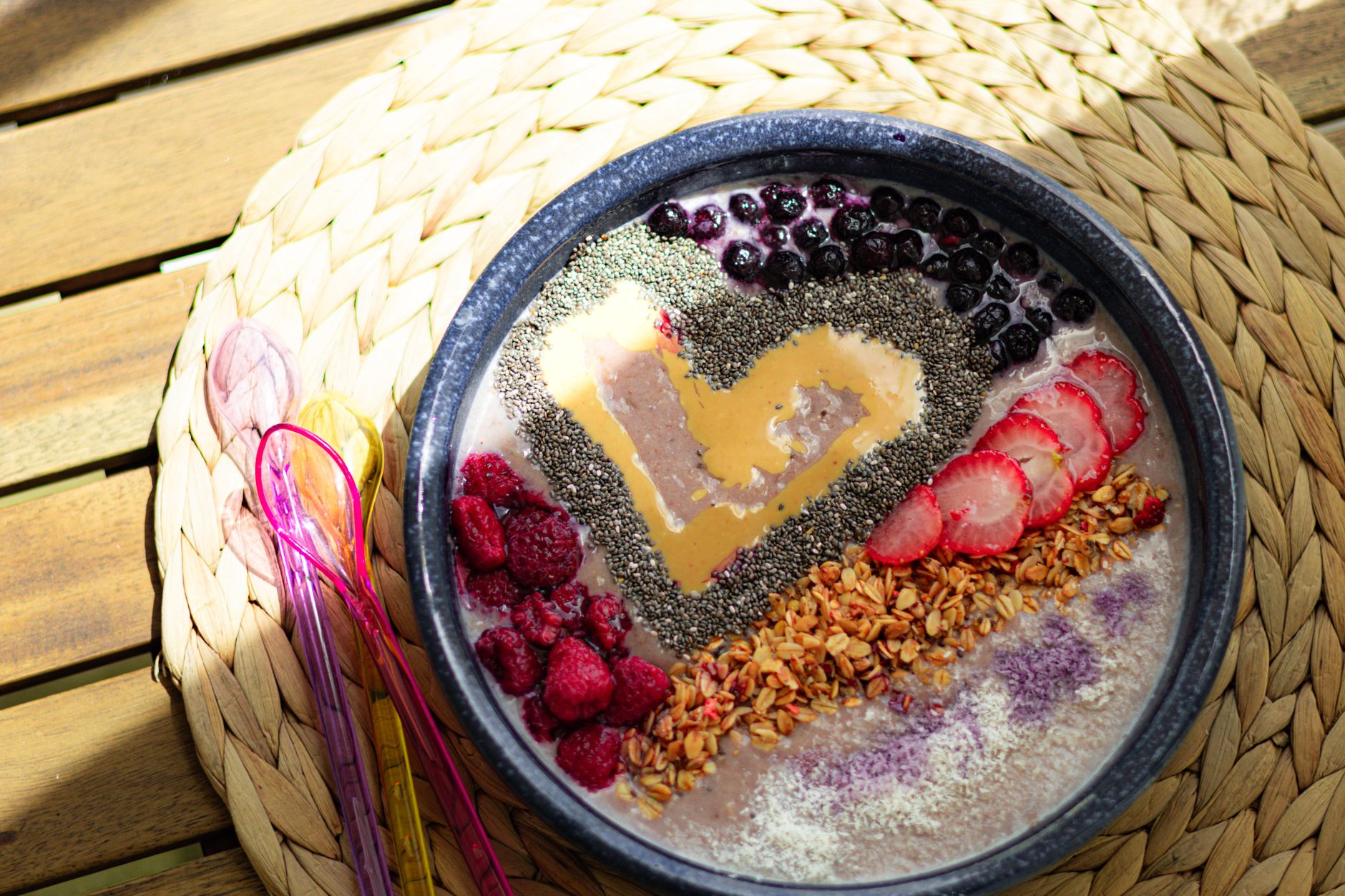
Toasted walnuts are a quick, healthy snack on their own or combined with dried fruits and seeds for a homemade trail mix. Use them to garnish oatmeal, yogurt bowls, or even creamy soups, adding layers of flavor and crunch.

Nutrition Note
Walnuts are rich in omega-3 fatty acids and provide protein, fiber, and antioxidants. Toasting enhances flavor but slightly reduces some heat-sensitive nutrients according to the USDA FoodData Central. Including walnuts as part of a balanced diet supports heart health and brain function.
For more ways to add nutritious plant-based protein, check out our guide on Vegan foods high in protein and Foods high protein low calorie list.
Is Toasting Walnuts Actually HalalWhat Should I Check?
Walnuts themselves are naturally Halal. When buying pre-packaged toasted walnuts, check for recognized Halal certification logos such as JAKIM, HMC, or IFANCA on the packaging. Ensure no cross-contamination or added ingredients violate Halal standards.
When Is the Best Time to Eat Toasted Walnuts?
Enjoy toasted walnuts anytime! They make a perfect mid-morning snack, add texture to lunch salads, or complement evening desserts. Their satiating protein and healthy fats also make them a great addition to a post-workout meal.
How Long Do Toasted Walnuts Last Once Stored?
Stored airtight at room temperature, toasted walnuts last about two weeks. Refrigerating extends their freshness up to one month. For the longest shelf life, freeze walnuts for up to six months, ensuring you thaw only what you need.
Can I Toast Walnuts with Salt or Spices?
Yes, adding a pinch of salt or spices during toasting enhances flavor. Lightly toss walnuts with olive oil and your chosen seasoning before roasting, especially in the oven method. Avoid adding salt before skillet toasting to prevent burning.
Are Toasted Walnuts Healthier Than Raw?
Toast walnuts to improve taste and digestibility, though some heat-sensitive nutrients may reduce slightly. Overall, both raw and toasted walnuts offer significant health benefits. Toasting mainly enhances flavor and texture.
Can I Toast Walnuts in a Microwave?
Microwave toasting is possible but tricky to control. Use short 30-second bursts on medium power, stirring between intervals. However, microwaving risks uneven toasting and burnt spots compared to oven or skillet methods.
Whats the Difference Between Toasted and Roasted Walnuts?
Toasting usually refers to dry-heat cooking of nuts without added oil, while roasting may involve oil or seasonings. Both enhance flavor, but toasting is a simple, oil-free method preferred for natural taste and to better match Halal dietary preferences.
Hands-On Tips for the Perfect Toast
- Use moderate heat and watch nuts constantly to prevent burning.
- Toss walnuts frequently during skillet toasting or stir pan once when oven roasting.
- Cool walnuts on the baking sheet or a large plate before storage to lock in crispness.
- Try experimenting with lightly salted or spiced toasted walnuts as a snack upgrade.
More You Might Like
Discover a variety of wholesome and nutritious options by exploring our Vegan foods high in protein guide perfect for those seeking balanced Halal meals.
Looking to boost protein intake without extra calories? Check out our comprehensive Foods high protein low calorie list for smart shopping tips.
Conclusion
Toasting walnuts is a simple way to add warmth, aroma, and satisfying crunch to your meals. Whether in the oven or on the stove, careful attention and moderate heat ensure a perfect golden brown and rich flavor. The next time you reach for walnuts, try toasting them yourself to experience the full depth of their natural taste. Enjoy your cooking and do share your results with us!
FAQs
When is the best time to eat or drink toast walnuts?
Toasted walnuts can be enjoyed anytime—as a mid-morning snack, added to lunch salads for extra crunch, or incorporated into evening desserts. Their protein and healthy fats also make them great for post-workout meals to support energy and recovery.
How long do toasted walnuts last once stored?
When stored in an airtight container at room temperature, toasted walnuts remain fresh for about two weeks. Refrigeration can extend their shelf life up to one month, while freezing allows storage for up to six months for the longest freshness.
What’s the difference between toasted and roasted walnuts?
Toasting walnuts usually involves dry heat without oil or added ingredients, focusing on enhancing natural flavor. Roasting commonly uses oil and seasonings, resulting in richer taste and texture. Toasting is preferred for a simple, oil-free, and often Halal-friendly method.
Is it safe to eat toasted walnuts daily?
Yes, eating toasted walnuts daily in moderate amounts is safe and beneficial. They provide healthy fats, protein, and antioxidants. Just avoid over-toasting to prevent bitterness and nutrient loss. Incorporate them as part of a balanced, varied diet.
Where can I buy quality toasted walnuts?
Quality toasted walnuts can be found at health food stores, specialty grocery shops, and online retailers. Look for packaging with clear ingredient lists and Halal certification if required. Freshness, proper storage, and trusted brands ensure the best taste and safety.