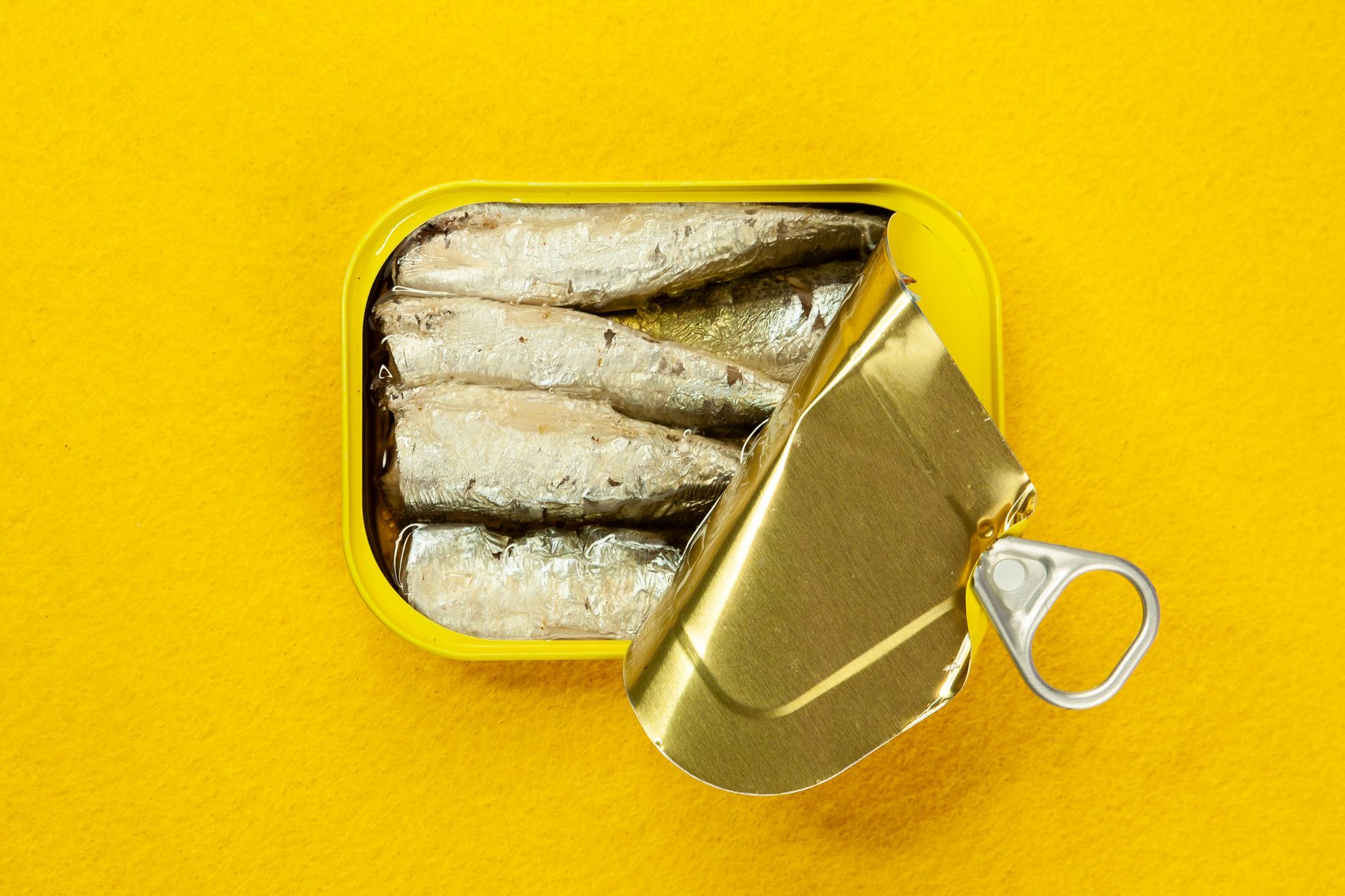
Canned sardines are a small but mighty pantry essential packed with rich flavor and nutrition. If youve been hesitant to try them, youre not alone. Many overlook canned sardines because of their strong aroma or unfamiliar texture. But once you know how to enjoy canned sardines the right way, they can become a quick, healthy, and delicious addition to your meals. Whether as a snack or a versatile ingredient, these Halal-friendly sardines deliver a powerful punch of protein, Omega-3s, and essential minerals that can fit perfectly into your health-conscious lifestyle.
Health Benefits
What Makes Canned Sardines So Good?
Canned sardines shine as a nutrient powerhouse. According to the USDA FoodData Central, a 3.75-ounce (92-gram) serving of canned sardines provides over 20 grams of high-quality protein, essential for muscle repair and immune support. Theyre also rich in omega-3 fatty acids, which reduce inflammation and support heart and brain health. Sardines come with an impressive amount of calciumthanks to their edible bonesand provide vitamin D, B12, and selenium.
Because canned sardines are often minimally processed, many brands maintain clean labels with relatable ingredients: sardines, olive oil or water, salt, and sometimes herbs or spices. For folks seeking cheap foods high in protein that deliver great value, canned sardines offer consistency and convenience in one sealed can.
Are There Any Risks or Concerns?
Its wise to keep mercury in mind with any fish, but canned sardines generally rank low in mercury compared to larger predatory fish. Their short life cycle and small size help them accumulate fewer toxins. Still, moderation is key. Nutritionists suggest up to 23 servings weekly to enjoy the benefits without overexposure.
Watch out for sodium content if youre managing blood pressure. Some brands have upwards of 420 mg sodium per serving, so rinsing sardines briefly can reduce salt without sacrificing flavor.
Lastly, verify allergen warnings, especially if youre sensitive to fish. And for your Halal assurance, look for trusted certifications such as JAKIM, HMC, or IFANCA stamped clearly on the can for guaranteed compliance with Islamic dietary laws.
Easy Serving Ideas
Whats the Best Way to Serve Canned Sardines?
First-timers often wonder how to eat canned sardines without fuss. The simplest method? Eat right from the can. Just open, drain excess oil or water if you prefer, and pair with lemon wedges to balance the richness. This approach works well as a snack or light lunch, especially when you add sliced cucumbers or cherry tomatoes.
For a slightly elevated experience, spread sardines on warm whole-grain toast or crisp Halal crackers. Top with chopped parsley, a squeeze of lemon, and freshly cracked black pepper for instant brightness and texture contrast.
Fresh salads are also a perfect home for canned sardines. Toss leafy greens, diced onions, and olives with flaked sardines for a protein-packed, flavorful boost.

How to Enhance the Flavor?
Canned sardines have a naturally bold and oily profile. To soften and brighten that taste, add freshly squeezed lemon juice, minced garlic, or sprinkle ground cumin and smoked paprika. A drizzle of premium extra virgin olive oil adds a velvety finish without overpowering the sardines.
Herbs like dill, chives, or flat-leaf parsley complement sardines beautifully. You can also mix sardines gently with Greek yogurt or tahini to create creamy dips perfect for snacks or appetizers.
Snack or Meal?
Sardines double as both a quick snack and a meal star! A single can provides enough protein and healthy fats to curb hunger between meals. When paired with whole foods like grains, vegetables, or legumes, sardines become a complete, satisfying dish.
For a light meal, add sardines to warm quinoa or rice bowls with steamed veggies. Or blend sardines into pasta dishes for an umami boost with minimal prep.
Recipes Featuring Sardines
Easy-to-Make Sardine Recipes
Ready to explore? Here are a few simple recipes to start with:
- Sardine pasta with garlic and chili flakes
- Fresh sardine salad with lemon vinaigrette
- Sardine and herb dip served with raw veggies or crackers
International Uses of Sardines
Sardines thrive across global cuisines. Mediterranean dishes often combine sardines with olives, tomatoes, and capers. Asian recipes might stir-fry sardines with spicy sauces or incorporate them into rice congee. Rustic recipes use sardines as filling in savory pies or stuffed vegetables.
These diverse applications mean you can seamlessly add canned sardines to various Halal meals without compromising authenticity or flavor.
Recipe: Simple Mediterranean Sardine Toast
| Prep time | 5 minutes |
|---|---|
| Cook time | 5 minutes |
| Total time | 10 minutes |
| Servings | 2 |
| Calories | 240 kcal per serving |
| Diet tags | Halal, Gluten-Free option available |
Ingredients:
- 1 can (about 100g) canned sardines in olive oil, drained
- 2 slices whole-grain or gluten-free bread
- 1 small garlic clove
- 1 tablespoon extra virgin olive oil
- Juice of half a lemon
- Fresh parsley, chopped
- Salt and black pepper to taste
Instructions:
- Toast the bread slices until golden and slightly crisp (about 34 minutes).
- Rub each toast gently with the cut side of the garlic clove to infuse mild flavor.
- In a bowl, break sardines into chunks, drizzle with olive oil and lemon juice, then season with salt and black pepper.
- Spread the sardine mixture evenly onto the toast.
- Sprinkle chopped fresh parsley on top for a fresh kick.
- Serve immediately with extra lemon wedges on the side.
This toast is perfect for breakfast, a light lunch, or a healthy snack anytime.
Buying & Storage
What to Look for When Buying?
When selecting canned sardines, label reading is a smart first step. Look for:
- Halal certification: Check for logos from JAKIM, HMC, IFANCA, or other trusted bodies ensuring the product meets Islamic dietary standards.
- Ingredients: Ideally minimal: sardines, water or olive oil, and salt. Avoid cans with unnecessary preservatives or flavor enhancers.
- Oil type: Olive oil adds richness and is a healthier fat source, but if you prefer less calories, sardines packed in water are a great alternative.
- Sodium content: Aim for cans with less than 400 mg sodium per serving for better heart health support.
- Can condition: Avoid bulging or rusted cans which could indicate spoilage or compromised quality.
| Certification | Price Range | Common Formats | Shelf Life | Key Allergens |
|---|---|---|---|---|
| JAKIM, HMC, IFANCA | $1.50 - $4 per can | Olive oil, Water, Tomato sauce | 2 - 5 years unopened | Fish, sometimes soy or mustard (check label) |
How to Store Sardines?
Unopened cans keep best stored in a cool, dry pantry away from direct sunlight, lasting 2 to 5 years depending on the brand.
Once opened, transfer leftover sardines and their oil or liquid into an airtight container and refrigerate. They stay fresh for 3 to 4 days. Always consume within that timeframe to avoid spoilage or off-flavors.
Expert Buying Tips
The most overlooked mistake is buying based on price alone. Cheap canned sardines often use lower-quality oil, may include excess salt, or lack Halal certification. Thats a risky gamble for those wanting purity and authenticity.
Instead, choose cans with clear Halal labels and simple ingredient lists. An expert tip: consider fish sourced from sustainable fisheries or brands that provide traceability to support environmental and social responsibility.
Is canned sardines actually Halal what should I check?
Yes, canned sardines can be Halal, but only if processed and certified by food authorities recognized for Halal compliance. Always confirm the presence of official certification logos like JAKIM or HMC directly on the can. Labels should state that no alcohol, non-Halal additives, or cross-contamination occurs.
When is the best time to eat canned sardines?
The best time is whenever you need a quick nutrition boostbreakfast, snack time, or as a protein-rich dinner addition. Their rich omega-3s and vitamin B12 make them ideal for sustained energy throughout the day.
Can I eat canned sardines if Im watching sodium intake?
Yes, but check the label carefully. Many cans contain 300420 mg sodium per serving, which can add up quickly. Opt for low-sodium options or rinse sardines lightly before eating to reduce salt levels.
Are canned sardines safe for children?
Generally yes, but serve in appropriate portion sizes and ensure there are no small bones that could pose choking hazards. Also, consider any family allergy history before introducing fish products.
How do canned sardines compare to fresh sardines?
Canned sardines are cooked during processing, making them shelf stable and often more convenient. Fresh sardines offer a milder flavor and texture but spoil quickly. Nutritionally, canned sardines retain most key benefits.
Whats the difference between sardines and pilchards?
Pilchards are larger and oilier than sardines, but terms overlap depending on region and brand. Both provide similar health benefits and are often interchangeable in recipes.
Are canned sardines suitable for Halal diets that avoid all animal blood?
Yes, fish like sardines do not contain blood as mammalian animals do, making them permissible and widely accepted in Halal dietary laws as defined by JAKIM and other authorities.
More You Might Like
Explore other high-protein options perfect for your Halal diet like vegan foods high in protein for plant-based variety and easy-to-find alternatives that will keep your meals interesting.
If budget is tight, check out our breakdown of cheap foods high in protein that provide steady nutrition without breaking the bank.

Conclusion
Canned sardines are a versatile, nutrient-rich choice that fits easily into a Halal and health-conscious diet. From simple toast to vibrant salads and hearty meals, they bring flavor, convenience, and essential nutrients to your table. Next time you‘re grocery shopping, check the label for trusted Halal certification and try incorporating sardines into your mealsyou might be surprised how delicious and flexible this humble canned fish can be.
FAQs
Is canned sardines actually Halal — what should I check on the label?
Yes, canned sardines can be Halal if processed and certified by recognized authorities. Look for official Halal certification logos such as JAKIM, HMC, or IFANCA on the can. The label should confirm no alcohol, non-Halal additives, or cross-contamination with Haram ingredients.
When is the best time to eat or drink canned sardines?
Canned sardines can be enjoyed anytime you need a quick nutrition boost—breakfast, snack time, or as a protein-rich addition to dinner. Their omega-3s and vitamin B12 provide sustained energy throughout the day.
How long do canned sardines last after opening?
Once opened, transfer sardines and their liquid into an airtight container and refrigerate. They typically stay fresh for 3 to 4 days. Consume within this timeframe to avoid spoilage or off flavors.
How do canned sardines compare to fresh sardines?
Canned sardines are cooked and shelf-stable, offering convenience and retaining most nutritional benefits. Fresh sardines have a milder taste and texture but spoil quickly. Nutritionally, both provide valuable protein and omega-3s.
Where can I buy quality Halal canned sardines?
Quality Halal canned sardines are available at supermarkets, specialty Halal grocery stores, and online retailers. Always verify Halal certification on the label and consider brands sourcing from sustainable fisheries for the best quality.