Walk into any bottle shop or brewery taproom and you will notice it immediately most of the craft beer on the shelves comes in sleek, tall cans. This shift from glass bottles to craft beer cans is not just a marketing fad. It changes how the beer tastes, how long it stays fresh, and even how much you pay per ounce. But why exactly have tallboy cans become the go-to packaging for independent breweries? Lets break down the reasons step by step.
What Exactly Are Tallboy Beer Cans and How Do They Compare to Other Beer Can Sizes
Defining Tallboy Beer Cans: Size and Shape
A tallboy is a 16-ounce aluminum can, noticeably taller than the standard 12-ounce can. Craft beer cans in this size first became popular in the early 2000s as breweries looked for a format that offered more volume without feeling bulky. The narrow, cylindrical shape fits easily in a standard cup holder and stacks efficiently on retail shelves.

Why Size Matters in Craft Beer Packaging
Size affects every part of the drinking experience. A 16-ounce pour gives you about one and a third standard drinks, which is perfect for a single session without opening a second can. For breweries, the larger surface area of a tallboy provides more room for bold label art and branding. Retailers also appreciate the tallboy because it takes up less shelf depth than a 12-ounce six-pack of bottles.
Comparison Table of Common Beer Can Sizes
| Size | Volume | Pros | Cons |
|---|---|---|---|
| 12 oz (standard) | 355 mL | Portable, easy to chill, wide availability | Smaller canvas for art, more packaging per ounce |
| 16 oz (tallboy) | 473 mL | Larger label space, good single serve, better freshness seal | Slightly heavier, higher per-can price |
| 24 oz (large) | 710 mL | Great for sharing, value per ounce | Bulky, not as portable, fewer style options |
Benefits of Using Craft Beer Cans Especially Tallboys for Independent Beer Brands
Preserving Freshness and Flavor
Aluminum cans block 100 percent of light, unlike brown glass which allows some UV rays to pass through. Light exposure creates a skunky aroma in beer, a reaction brewers call lightstruck. According to a 2019 study by the Brewers Association, canned beer retains its hop character significantly longer than bottled beer stored under identical conditions. The airtight seal also prevents oxygen from seeping in, which would stale the beer within weeks.
Branding Advantages in Craft Beer Packaging
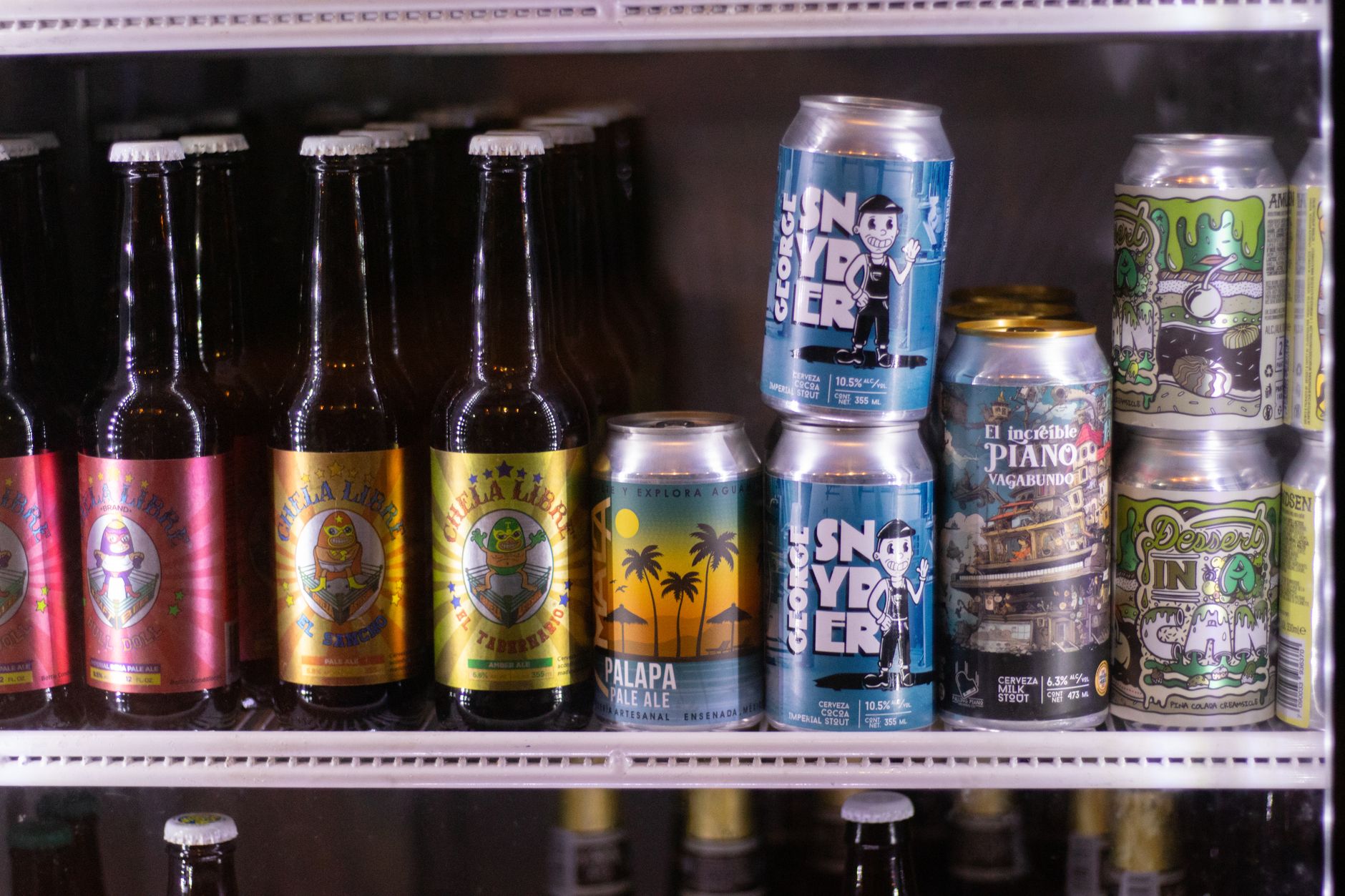
Tallboy cans offer roughly 40 percent more label area than a standard 12-ounce can. Independent breweries use this space to tell their story, display intricate artwork, or highlight ingredient sourcing. For example, a brewery like Other Half in New York uses its tallboy labels to showcase hop varieties and batch numbers, making each can a collectible piece. This packaging strategy builds brand loyalty and encourages social media sharing.

Environmental Impact and Sustainability
Aluminum is infinitely recyclable. A can returned to a recycling center can be back on a store shelf as a new can in as little as 60 days. Glass bottles, by contrast, require more energy to melt and often end up in landfills because of broken or mixed-color glass. Many independent craft breweries now advertise their use of tallboy cans as part of a zero-waste commitment, which resonates with eco-conscious consumers.
List of Top Independent Craft Breweries Using Tallboy Cans and Why
- Tree House Brewing Company uses tallboys for almost all its hazy IPAs because the wide mouth allows a smooth pour without foam.
- The Alchemist packs Heady Topper in 16-ounce cans to preserve the intense hop aroma, a style that other breweries now emulate.
- Russian River Brewing Company switched Pliny the Elder to tallboy cans in 2021 to improve freshness and reduce breakage during shipping.
Potential Drawbacks What Craft Beer Lovers Should Know About Tallboy and Other Craft Beer Containers
Portion Size and Alcohol Consumption Considerations
A single tallboy contains roughly 1.3 standard drinks if the beer is 5% ABV, and up to 2.3 drinks for a 9% imperial stout. It is easy to lose track of how much you have consumed, especially when the can looks smaller than a pint glass. Drink responsibly and check the ABV before you start.
Price Point and Accessibility
Tallboy cans often cost more per ounce than 12-ounce cans because of the larger label, heavier aluminum, and the fact that breweries market them as premium products. A six-pack of 16-ounce cans typically sells for 2030 percent more than a six-pack of 12-ounce cans. For budget-conscious drinkers, the savings of buying 12-ounce cans can be significant.
Transportation and Storage Challenges
Tallboys are taller, which means they take up more vertical space in coolers and fridges. Some standard home refrigerators cannot fit a 7-inch tall can on the door shelf. Retailers also find that tallboy four-packs require wider shelf spacing, reducing total stock per square foot.
Tips for Consumers on Choosing the Right Craft Beer Can Size for Different Occasions
- For a solo evening: a tallboy gives you a generous pour without opening a second can.
- For a party: 12-ounce cans allow guests to sample more styles without getting too full.
- For camping or hiking: tallboys are heavier; stick to 12-ounce cans to save weight in your pack.
Trends and Future Outlook for Craft Beer Cans and Packaging Innovations
How Craft Brewers Are Innovating With Can Design
Today you will find tallboy cans with QR codes that link to brewery tours, interactive augmentedreality labels, and even Braille text for visually impaired drinkers. Some brands print the can with thermochromic ink that changes color when the beer reaches the ideal drinking temperature. These innovations make the can itself part of the experience, not just a container.
Growing Popularity of Tallboy Cans in the Craft Beer Market
According to market data from IRI Worldwide, tallboy cans now account for over 35 percent of all craft beer volume sold in the United States, up from 18 percent in 2015. The trend is driven by younger drinkers who associate cans with freshness and convenience. Breweries that ignore this format risk losing shelf space to competitors.
Impact of Packaging on Craft Beer Sales and Brand Loyalty
A well-designed tallboy can creates a physical impression that sticks with the consumer. When you see the same bold artwork on a friends counter or in a beer fridge, you are more likely to buy that brand next time. Independent breweries often rotate limited-release tallboy cans, generating excitement and repeat purchases from collectors. If you enjoy pairing craft beer with a best cocktail mixer for mocktails, note that the same canning technology is now used for premium nonalcoholic craft options.
Examples of Upcoming or Experimental Craft Beer Packaging Formats
- Ecofriendly sixpack rings made from barley straw that dissolve in water.
- Resealable can lids that let you drink half a tallboy and save the rest for later.
- Mixed multipacks that combine 12ounce and 16ounce cans of different styles in one box.
What to Look For When Choosing Craft Beer Cans Label Reading Tips
When you pick up a craft beer can, start by checking the packaging date. If it is more than 90 days old, the hop aroma may be faded. Look at the ingredient list: many breweries now print the malt bill, hop varieties, and even the water source on the can. Ignore claims like premium or small batch unless they are backed by specific details. For Halalconscious consumers, note that traditional craft beer contains alcohol and is not Halal. However, some breweries produce alcoholfree craft beers in tallboy cans; look for certification logos from IFANCA or JAKIM on those labels.
Is craft beer cans actually Halal what should I check?
Standard craft beer contains alcohol, which is not Halal. The cans themselves are just packaging. If you are seeking a Halal option, look for nonalcoholic craft beer certified by a recognized body like IFANCA or HMC. Check the label for 0.0% ABV and a clear Halal logo. Avoid any product that does not explicitly state alcohol content and certification.
How do I know if a tallboy can is recyclable?
Nearly all aluminum cans are recyclable. Look for a small recycling symbol on the side of the can. Rinse the can before tossing it in the bin to avoid contamination. Most curbside programs accept aluminum, but check with your local waste management to confirm.
Why do some craft beers taste metallic from cans?
Modern cans have a thin polymer lining that prevents metal contact with the beer. If you taste metallic notes, it is usually due to improper storage at high temperatures or a damaged can. Choose cans that feel cool and have no dents. Pour the beer into a glass to release its full aroma.
Are tallboy cans better than bottles for aging beer?
No. HighABV beers like barleywines or imperial stouts can be aged in bottles, but cans are not designed for longterm cellaring. The aluminum lining can degrade over years, and the pressure may cause the can to bulge. Enjoy tallboy cans fresh, ideally within three months of packaging.
Can I find craft beer cans that are glutenfree?
Yes. Several breweries produce glutenfree craft beers using sorghum, rice, or millet. These are often packaged in tallboy cans to emphasize the premium quality. Look for labels that say glutenfree and confirm with the brewerys website if needed.
Why are tallboy cans more expensive than 12ounce cans?
The cost comes from more aluminum, larger label artwork, and the perceived value of a singleserve format. Some breweries also charge a premium for limitedrelease tallboys with unique designs. If you are drinking the same beer across sizes, the 12ounce version usually gives you a better price per ounce.
How should I store craft beer cans at home?
Keep cans upright in a cool, dark place at 4555F (713C). Do not freeze them, as the liquid will expand and cause the can to burst. Once opened, finish the beer within 30 minutes. Cans exposed to sunlight for over an hour can develop a skunky taste. For longer storage, a dedicated beer fridge is ideal.
What does the born on date on a craft beer can mean?
The packaging date tells you when the beer was canned. Most IPAs and pale ales taste best within 3060 days of that date. Stouts and sour beers can stay fresh for up to a year. Always check the date before buying some stores leave old stock on the shelf.
More You Might Like
If you enjoyed learning about can packaging, explore our guide on Elmer t. lee bourbon a premium whisky that also values its bottle design and aging process. You might also like our review of the best cocktail mixer for creating alcoholfree drinks that mimic the complexity of craft beer.
Conclusion
Tallboy cans have reshaped the way independent breweries package and sell their beer. From superior freshness protection to bold branding opportunities, craft beer cans in this size offer clear advantages over glass bottles and smaller formats. That said, you should weigh the higher price per ounce and the larger portion size before making a purchase. Next time you grab a tallboy from the cooler, take a moment to study the label you will see just how much thought goes into that slim aluminum cylinder. And if you are following a Halal diet, remember that only alcoholfree craft beer in cans can fit your lifestyle.
FAQs
Is craft beer cans actually Halal — what should I check on the label?
Standard craft beer contains alcohol, so it is not Halal. For a Halal option, look for non‑alcoholic craft beer certified by a recognized body like IFANCA or HMC. Check the label for "0.0% ABV" and a clear Halal logo. Avoid any product that does not explicitly state the alcohol content and certification.
What is the shelf life of a tallboy can after opening?
Once opened, finish the beer within 30 minutes for optimal flavor and carbonation. After that, the beer will go flat and lose its hop aroma. If you must save some, pour it into a sealed container and refrigerate, but consume within 24 hours for best quality.
How do craft beer cans differ from glass bottles?
Cans block 100% of light and have airtight seals, preventing skunky flavors and oxygen damage. Glass bottles allow some light and can let in oxygen through the cap. Cans are lighter and more recyclable, but bottles are better for aging high‑ABV beers because cans aren’t designed for long‑term cellaring.
Is it safe to drink from a tallboy can every day?
Daily consumption depends on the alcohol content. A tallboy can contain 1.3 to 2.3 standard drinks. Drink responsibly and check the ABV. Cans are safe if stored cool and undamaged; avoid dented cans as the lining may be compromised. For Halal followers, only certified non‑alcoholic cans are permissible.
Where can I buy craft beer cans, especially tallboy sizes?
You can find them at bottle shops, brewery taprooms, grocery stores, and online retailers. For specific craft brands, check the brewery’s website for local distributors. For Halal non‑alcoholic craft beer cans, look for specialty stores or online shops that carry certified products.