If you enjoy bubbly but sometimes find Champagne or Prosecco too fizzy or heavy, frizzante sparkling wine might be exactly what you need. This lightly sparkling style offers a softer, more approachable fizz with lower alcohol content and a refreshingly crisp finish. It pairs beautifully with lighter dishes and casual gatherings. In this guide, you will learn what frizzante is, how it differs from other sparkling wines, what to look for on the label, and how to choose a Halal-friendly bottle. Let us explore this gentle bubbly together.
What Is Frizzante Wine?
Frizzante is an Italian term for a wine that has a light, gentle sparkle. Unlike sparkling wines like Champagne or Cava, which contain carbonation at 56 atmospheres of pressure, frizzante holds only about 12.5 atmospheres. This lower pressure creates smaller, finer bubbles that disappear quickly, leaving a soft tingle on your tongue.
Most frizzante wines are made using the tank method (Charmat method), where a second fermentation happens in a pressurized stainless steel tank. The wine is then bottled before fermentation finishes, trapping a modest amount of carbon dioxide. Grapes commonly used for frizzante include Glera (Prosecco), Moscato, Brachetto, and sometimes Chardonnay. The result is a wine that feels lighter in body and often has a lower alcohol level, typically between 1012% ABV.
Frizzante is also produced in other countries under names like "ptillant" in France or "frizzante" in the US, but the Italian versions remain the most popular.
How Does Frizzante Compare to Other Sparkling Wines?
To see the differences clearly, here is a quick comparison table.
| Wine Type | Carbonation (atm) | Typical Alcohol % | Flavor Profile |
|---|---|---|---|
| Frizzante | 12.5 | 1012 | Light, fresh, slightly sweet or dry |
| Spumante (e.g., Prosecco) | 56 | 1113 | Intense, fruity, persistent bubbles |
| Pt-Nat | ~3 | 1012 | Rustic, funky, naturally cloudy |
Benefits of Choosing Frizzante
Frizzante brings several advantages that make it a smart everyday choice. Its lower alcohol content suits those who prefer moderate drinking. The lighter carbonation is easier on digestion and less likely to cause bloating. Frizzante also tends to be more affordable than traditional sparkling wines, often priced under $15 per bottle. Its gentle acidity pairs well with salads, seafood, mild cheeses, and fruit desserts. For Halal-conscious consumers, many frizzante wines are made without animal-derived fining agents, but you still need to verify certification.
Considerations Before Buying
Frizzante has a shorter bubble life after opening. Drink it within 12 days for the best experience. Because of its delicate structure, it is not the best choice for celebrations where a strong pop and long-lasting bubbles matter. Always store it upright in a cool, dark place away from sunlight. Serve at 4550F (710C) to preserve freshness.
Reading the Label: What to Check on a Frizzante Bottle
When shopping for frizzante, especially for Halal purposes, you need to read the label carefully. Start with the front label: look for "Frizzante" or "Frizzante Wine" clearly stated. Always check for a Halal certification logo such as JAKIM (Malaysia), HMC (UK), IFANCA (USA), or local approved bodies. If no logo is present, read the ingredient list on the back label.
Watch out for these ingredients that can make wine non-Halal: gelatin, isinglass (fish bladder), egg whites, or casein (milk protein) used in fining. Many modern frizzante wines use vegan-friendly bentonite clay or charcoal filtration. Also, avoid wines that list "sulfites" above 10 ppm if you are sensitive, though sulfites are not inherently Haram. Sugar levels can be indicated by terms like "Dry" (less than 1.5% residual sugar) or "Sweet" (above 5%). Low alcohol content is common but not a Halal concernonly the absence of prohibited additives matters.
If in doubt, contact the producer or look for an online Halal wine compatibility list. Some producers now label their wines as "Halal-friendly" or "Suitable for Halal diets." Trust only certified sources to avoid guesswork.
Buyer‘s Checklist for Frizzante Sparkling Wine
Use this quick-reference table to evaluate any frizzante bottle before purchase.
| Certification | Price Range | Common Formats | Shelf Life | Key Allergens |
|---|---|---|---|---|
| JAKIM, IFANCA, HMC (or similar) | $8$20 per 750ml | 750ml bottle, 375ml half-bottle, single-serve cans | Unopened: 12 years; opened: 12 days | Sulfites (if >10 ppm), possibly milk/egg proteins (check fining) |
Remember that price alone does not guarantee Halal status. A $15 certified bottle is safer than a $30 uncertified one.
Pro Tips for Buying and Enjoying Frizzante
The most overlooked buying mistake: assuming all Italian frizzante wines are Halal. Many use egg-white fining. Always verify certification.
Why cheap versions disappoint: Inexpensive frizzante may contain added sugar or artificial carbonation. Look for "methodo ancestrale" or "natural fermentation" indicatorsthose usually use higher quality grapes and methods.
One expert tip: For the best balance of bubbles and flavor, avoid shaking the bottle. Open slowly to preserve the natural pressure. Pour into a tulip glass or white wine glassnot a fluteto let the aromas develop.
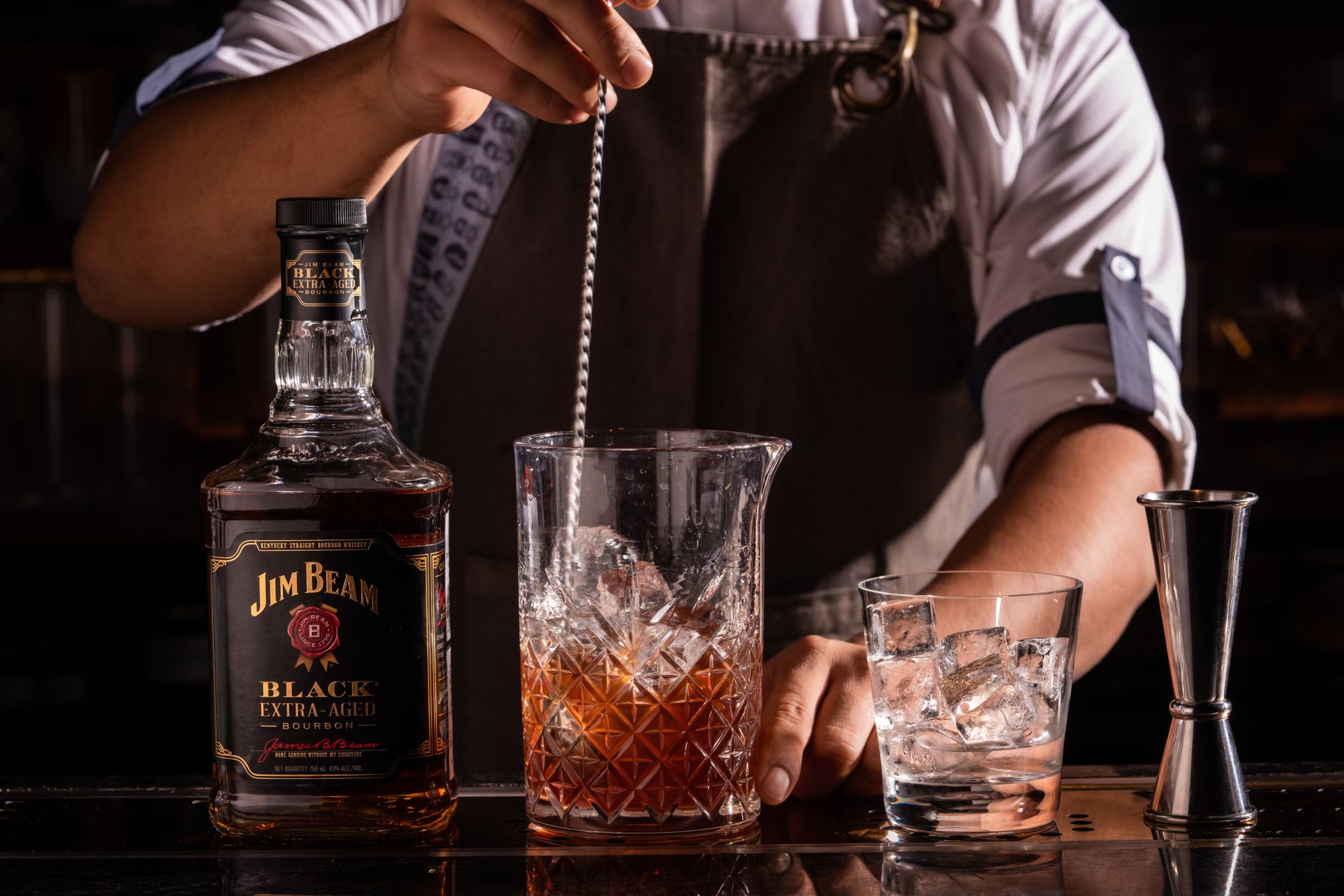
You might also enjoy exploring other lightly sparkling options at our guide on Vodka drinks for non-alcoholic alternatives, or check our review of Flavored jim beam bourbon for a different type of spirit (though always verify Halal compliance).
Storage and Serving Guidelines
Keep unopened frizzante bottles in a cool cellar or fridge at 4555F (713C). Once opened, reseal tightly with a wine stopper and refrigerate. Consume within 12 days. The bubbles will fade quickly after the second day. Do not freeze the wine, as expansion can break the bottle and ruin the flavor.
Is Frizzante Actually Halal? What Should I Check?
Yes, frizzante wine can be Halal if it meets strict criteria. First, confirm that the alcohol content is below the permissible limit according to your certifying body (most Halal authorities allow up to 0.5% ABV for non-intoxicating beverages, but standard frizzante is usually 1012%, so it is typically not Halal unless it is de-alcoholized or made with non-alcoholic methods). However, if you are looking for non-alcoholic or de-alcoholized frizzante-style drinks, check the label for "Alcohol-Free" or "0.0% ABV." Many non-alcoholic sparkling grape juices mimic frizzante. Always look for a current Halal logo from a recognized authority like JAKIM or IFANCA. Ingredients like flavorings and preservatives must also be Halal. If in doubt, contact the manufacturer or assistant via their website.
How Long Does Frizzante Stay Fresh After Opening?
Refrigerated and sealed tightly, frizzante keeps its best quality for only 12 days. After that, the carbonation dissipates and it becomes flat. You can still use leftover flat wine for cooking, but for drinking it is best consumed quickly.
What Food Pairs Best with Frizzante?
Frizzante‘s light acidity and gentle bubbles complement fresh seafood like grilled shrimp or oysters, mild cheeses such as fresh mozzarella or ricotta, salads with citrus vinaigrette, and fruit-based desserts. It also works well as an aperitivo with nuts or bruschetta. Avoid heavy, creamy sauces that overwhelm its delicate profile.
Can I Find Halal-Certified Frizzante Wine Easily?
Availability varies by region. In Southeast Asia, look for non-alcoholic sparkling wines from Halal-certified producers. In Western countries, check specialty Halal shops or online retailers. Brands like "Ariel" or "Fre" offer non-alcoholic sparkling wines that resemble frizzante and carry Halal certification. Always read the fine print.
What Does the Term "Frizzante" Mean on a Label?
The term "Frizzante" is an Italian winemaking classification meaning "slightly sparkling." It indicates the wine has been fermented or carbonated to produce low, gentle pressure. Similar terms from other languages include "ptillant" (French) and "frizzante" (used in English). For Halal consumers, the term itself is neutralonly the production process and additives matter.
Is Frizzante Wine Always White?
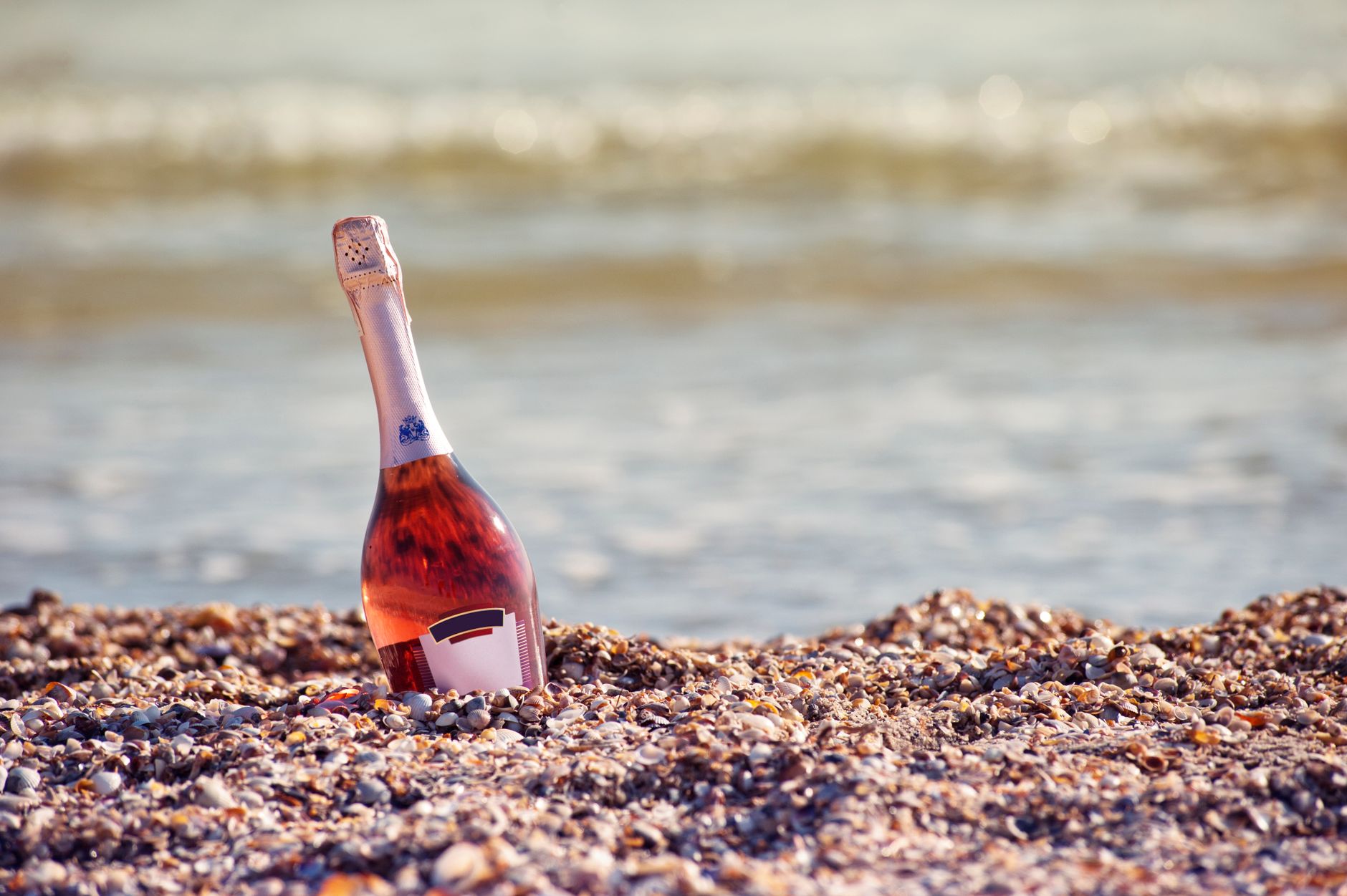
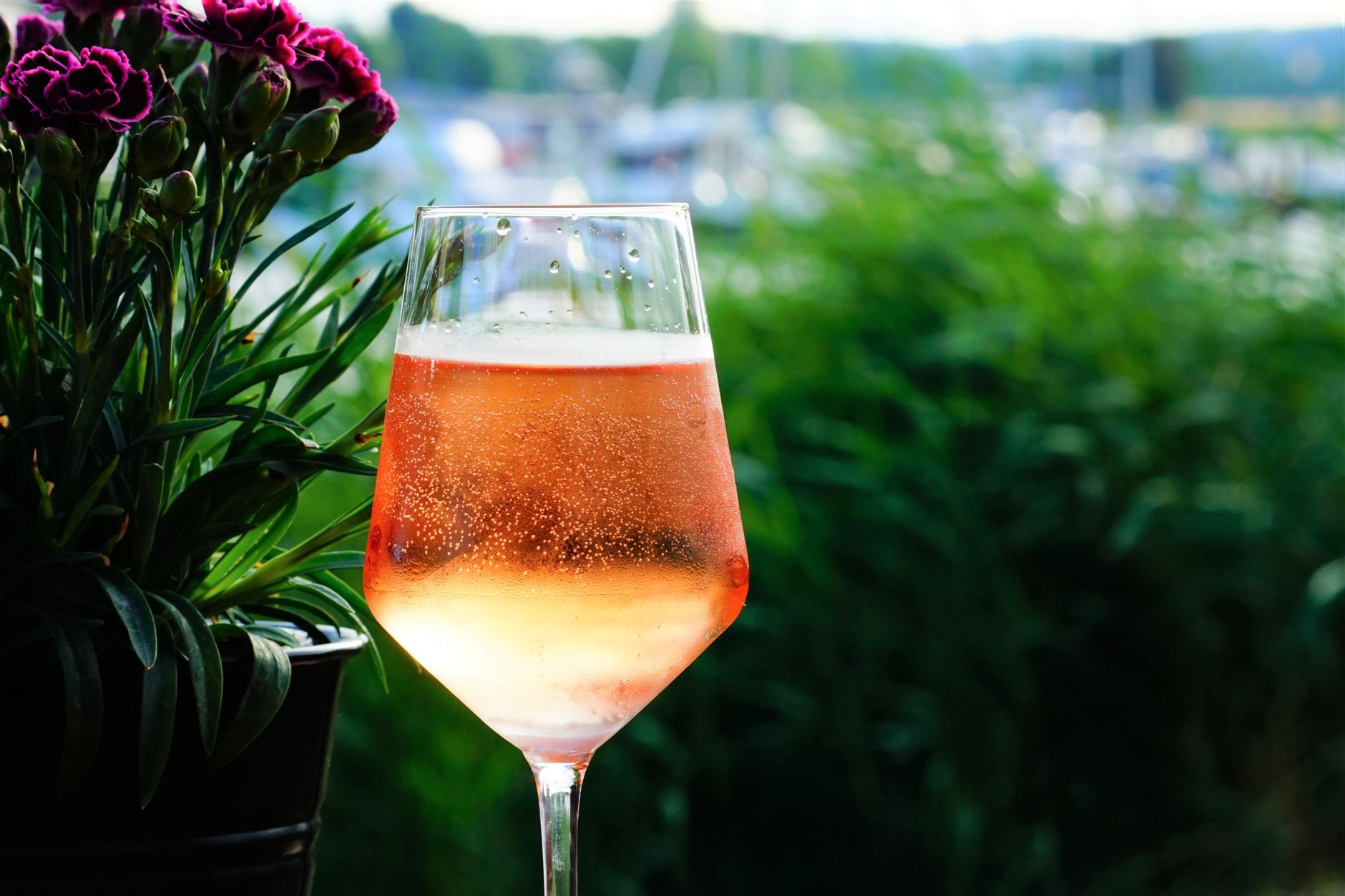
No, frizzante can be white, ros, or red. White frizzante (e.g., Prosecco Frizzante) is most common, but red frizzante made from Brachetto or Lambrusco is also available. Ros frizzante is gaining popularity for summer drinking. Always check the label for grape variety and color.
Should I Serve Frizzante Chilled or at Room Temperature?
Serve frizzante well chilled, between 4550F (710C). Too cold and the aromas shut down; too warm and the bubbles feel aggressive. A quick 30-minute rest in an ice bucket works perfectly.
Conclusion
Frizzante sparkling wine offers a beautifully mellow alternative to its full-sparkling cousins. With lighter bubbles, lower alcohol, and versatile food pairing, it fits nicely into a balanced, moderate lifestyle. For Halal-conscious buyers, the key is to verify certification and read the ingredient list carefully. Next time you look for a gentle bubbly, reach for a frizzante and enjoy its refreshing charm. Have a favorite brand or pairing? Leave a comment belowwe would love to hear your experience.
FAQs
Is Frizzante sparkling wine actually Halal — what should I check on the label?
Standard frizzante typically contains 10–12% alcohol, so it is not Halal unless it is de-alcoholized. Look for "Alcohol-Free" or "0.0% ABV" on the label. Check for a Halal certification logo from authorities like JAKIM, IFANCA, or HMC. Also ensure no non-Halal fining agents (gelatin, isinglass, egg whites, casein) are used. When in doubt, contact the manufacturer.
How long does Frizzante stay fresh after opening?
Once opened, reseal tightly and refrigerate. Frizzante retains its best quality for only 1–2 days. After that, carbonation fades and the wine becomes flat. For optimal taste, consume within 48 hours. Leftover flat wine can still be used in cooking.
How does Frizzante differ from Prosecco or Champagne?
Frizzante has much lower carbonation (1–2.5 atmospheres) than Prosecco or Champagne (5–6 atmospheres). This results in softer, less persistent bubbles. Its alcohol content is typically 10–12% versus 11–13% for full sparklings. Frizzante is also lighter in body, more affordable, and gentler on digestion.
Is it safe to drink Frizzante daily?
If you choose a non-alcoholic or Halal-certified version, moderate daily consumption is fine. However, standard frizzante contains alcohol (10–12% ABV), so daily drinking may conflict with health or religious guidelines. Always verify the alcohol level and certification to ensure it aligns with your dietary needs.
Where can I buy Halal-certified Frizzante?
Look for non-alcoholic sparkling wines from brands like Ariel or Fre, found at specialty Halal shops, online retailers, and some major supermarkets. In Southeast Asia, check local Halal-certified producers. Always verify the certification logo on the bottle. If unavailable, contact the producer directly for ingredient details.