When most people fire up the grill, beef and pork take center stage. But long before those cuts became supermarket staples, communities around the world relied on old school BBQ meat for their most flavorful feasts. Tougher cuts from goat, mutton, and venison offered rich, gamey profiles that modern palates often overlook. If you have never tasted properly smoked goat ribs or a mutton shoulder cooked low and slow, you are missing a chapter of barbecue history. This guide will walk you through what defines old school BBQ meat, how to cook it without drying it out, and why it deserves a place on your Halal-friendly table.
What Exactly Is Old School BBQ Meat?
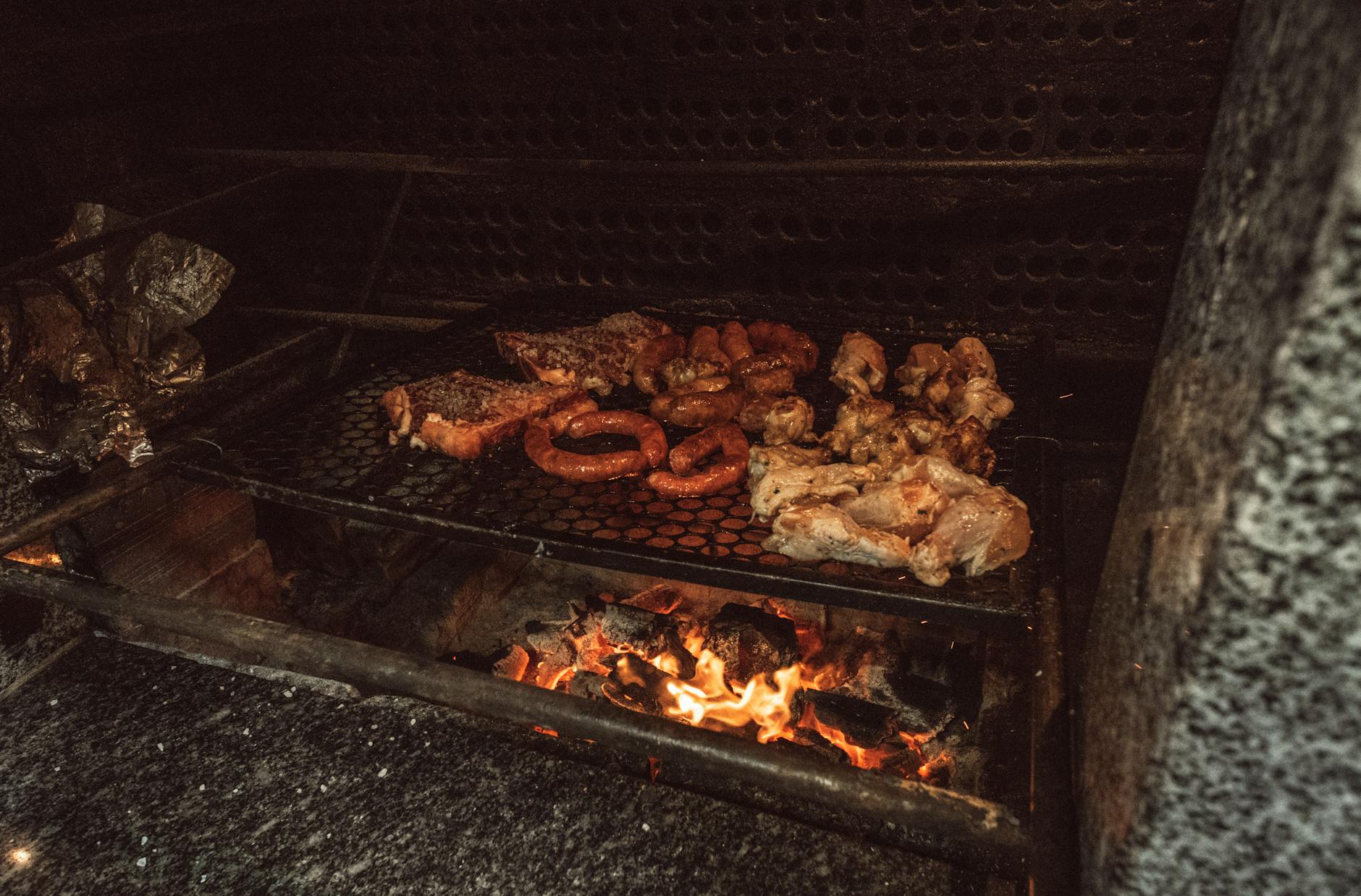
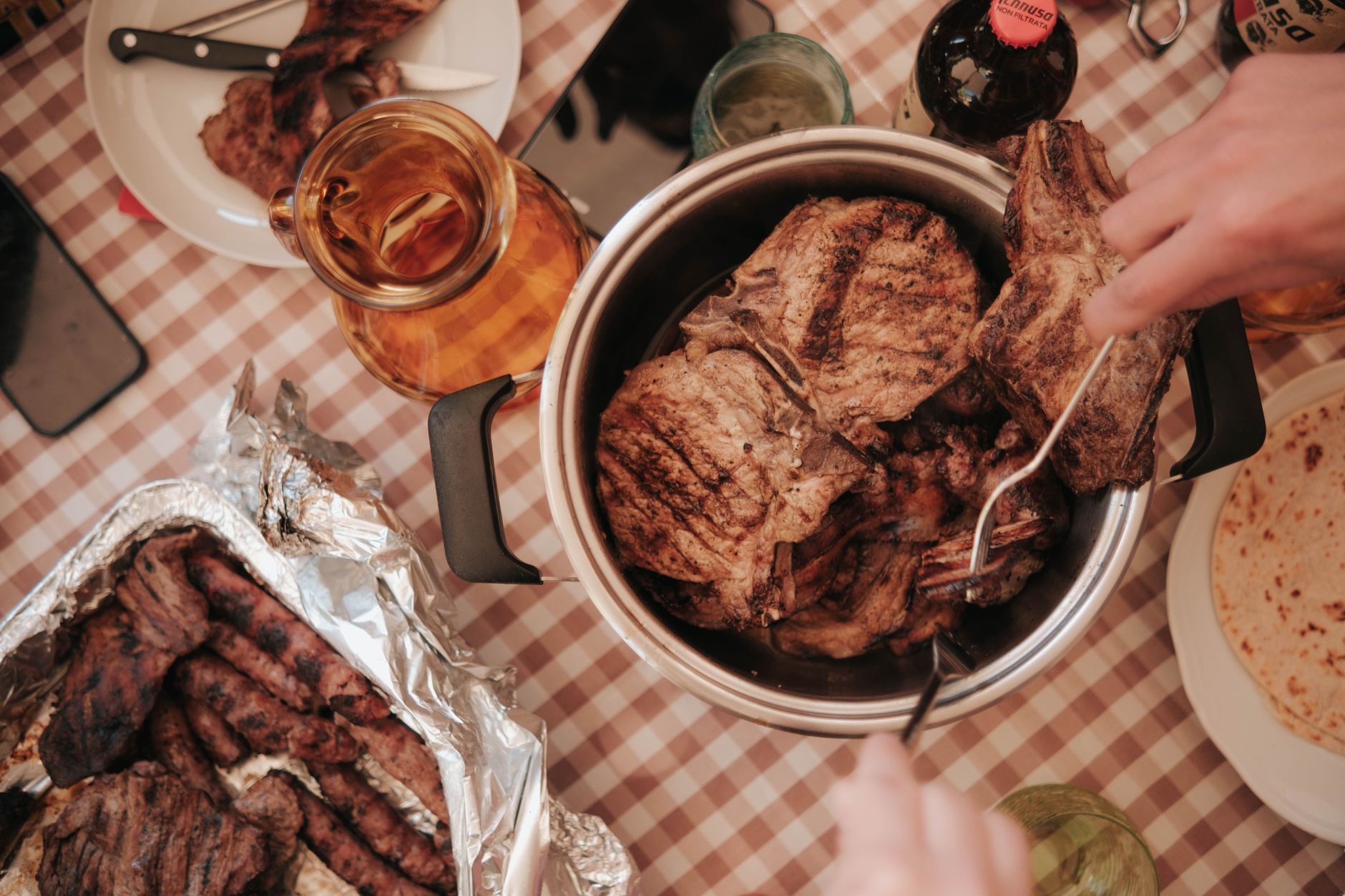
Old school BBQ meat refers to the traditional meats that predate the modern focus on tender, marbled beef and pork. These are typically tougher cuts from animals like goat, mutton (adult sheep), and venison (deer). Historically, these meats were prized for their deep, earthy flavors and were cooked over wood fires for hours. In many cultures, such as Caribbean, Middle Eastern, and Southern African, they remain central to ceremonial barbecues. The toughness comes from the animal‘s age and muscle structure, but when handled correctly, the result is remarkably juicy and flavorful.
How Does Old School BBQ Meat Differ from Modern BBQ Favorites?
Unlike modern beef brisket or pork shoulder, old school BBQ meat is leaner and contains less intramuscular fat. That means it dries out quickly if cooked fast. However, the connective tissue in these cuts breaks down beautifully during long, moist cooking, creating a velvety texture. The flavor is more pronounced gamy, slightly sweet, and often compared to wild game. For Halal consumers, goat and mutton are particularly appealing because they are widely available certified and align with traditional slaughter practices.
Comparison Table: Old School BBQ Meat vs. Beef and Pork
| Meat Type | Typical Toughness | Flavor Profile | Cooking Time | Popularity Today | Traditional Regions |
|---|---|---|---|---|---|
| Goat | Tougher | Earthy, gamey | Longer | Niche | Caribbean, Middle East |
| Mutton | Tougher | Rich, intense | Longer | Fading | UK, Australia |
| Venison | Medium | Lean, slightly sweet | Medium | Growing | North America, Europe |
| Beef | Tender | Familiar, rich | Shorter | Mainstream | Global |
| Pork | Tender | Sweet, fatty | Shorter | Mainstream | Global |
How to Cook Tougher Old School BBQ Meat Without Losing Juiciness
Cooking tougher meat requires patience and the right technique. The key is low and slow heat typically 225F to 250F (107C to 121C) combined with moisture retention. Marinating for at least 12 hours in an acidic base like lemon juice or vinegar helps break down fibers. Many pitmasters also use a dry rub with salt, black pepper, garlic, and paprika to build crust. For Halal cooking, ensure your marinade and wood chips are free from alcohol and non-Halal additives.
What Are the Best Cooking Methods for Traditional Grilling Meat?
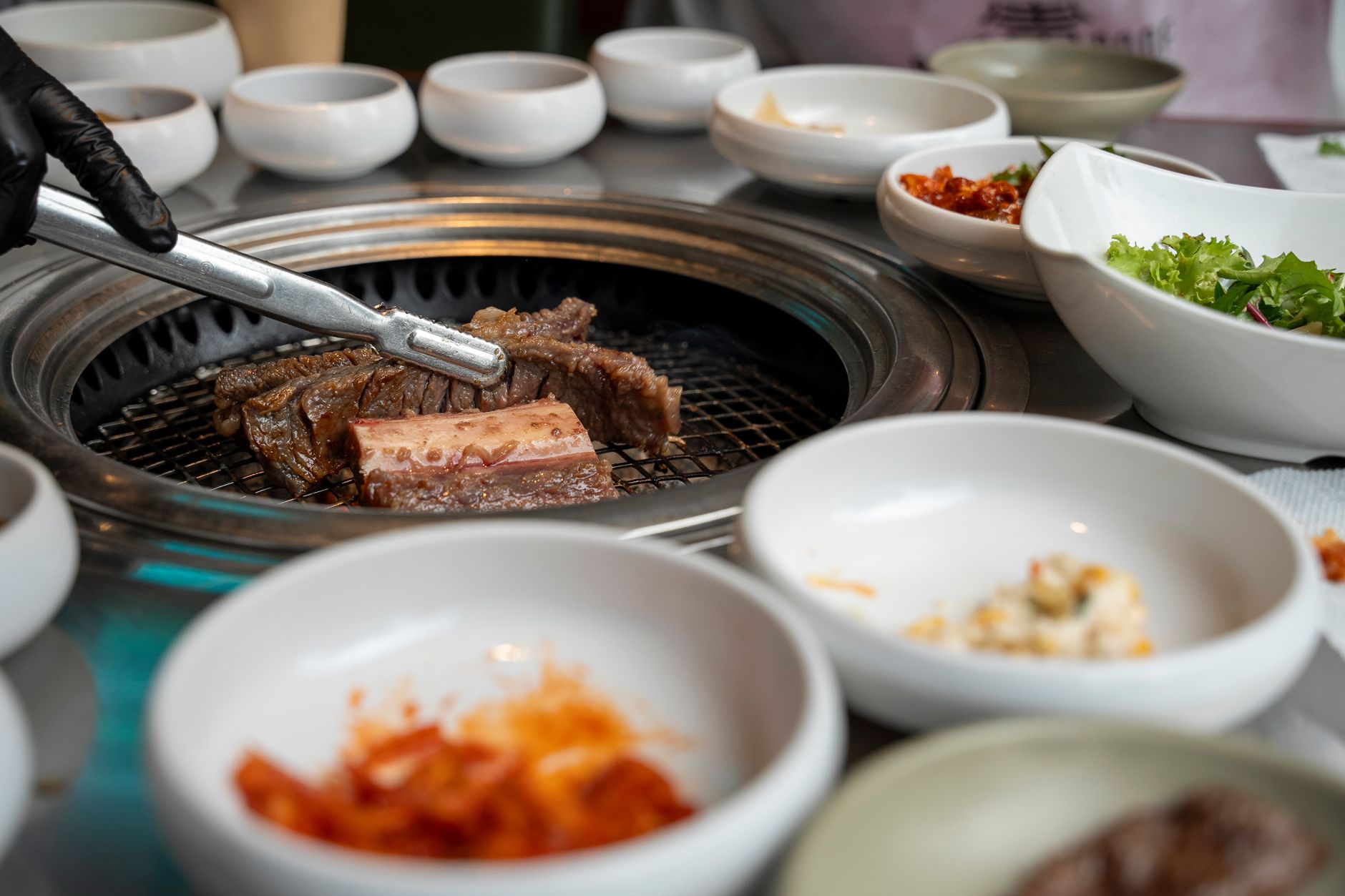
Smoking is the gold standard. The indirect heat allows collagen to melt slowly, turning tough cuts fork-tender. Grilling over direct heat works only if you sear first and then finish indirectly. Braising in a Dutch oven with broth is another excellent option. For goat or mutton, wrapping the meat in foil after two hours of smoking (Texas crutch) traps steam and speeds up tenderness. Venison benefits from a shorter cook time because it is leaner aim for medium-rare internal temperature of 130F (54C).
Step-by-Step Guide: Preparing and Grilling Goat Ribs
| Prep time | Cook time | Total time | Servings | Calories (per serving) | Diet tags |
|---|---|---|---|---|---|
| 20 minutes + 12 hours marinate | 34 hours | 45 hours | 4 | ~380 | Halal, Gluten-Free, Dairy-Free |
- Select goat ribs from a Halal-certified butcher. Look for meat with minimal silver skin and even fat coverage.
- Trim excess fat, leaving a thin layer. Pat dry with paper towels.
- Marinate for 12 hours in a mixture of 1/2 cup lemon juice, 1/4 cup olive oil, 4 crushed garlic cloves, 2 tbsp smoked paprika, 1 tbsp salt, and 1 tbsp black pepper.
- Preheat your smoker or grill to 225F (107C) using indirect heat. Use hardwood like hickory or applewood for mild smoke.
- Remove ribs from marinade and pat dry again. Apply a dry rub of 2 tbsp brown sugar (optional, but fine for Halal), 1 tbsp cumin, 1 tbsp coriander, and 1 tsp cayenne.
- Place ribs bone-side down on the smoker grate. Smoke for 2 hours without opening the lid.
- After 2 hours, spritz with apple cider vinegar every 30 minutes. Continue smoking until internal temperature reaches 195F (91C) about 34 hours total.
- Wrap ribs in foil with 1/4 cup broth and cook for another 30 minutes. Rest unwrapped for 15 minutes before slicing between the bones.
Why Choose Old School BBQ Meat? Benefits and Considerations
Old school BBQ meat offers distinct advantages. It is typically leaner and higher in protein, making it a smart choice for health-conscious eaters. The strong flavors pair beautifully with bold spices and smoke. From a sustainability perspective, goat and mutton often have a lower carbon footprint than beef. But there are challenges: you need to invest time, find a reliable Halal supplier, and accept that the texture is different from what most diners expect.
What Are the Common Challenges with Old School BBQ Meat?
- Availability: Goat and mutton are less common in mainstream supermarkets. Specialty Halal butchers or online retailers are your best bet.
- Cooking skill: The margin for error is smaller. Overcooking even by 10 minutes can turn meat dry and stringy.
- Unfamiliarity: Guests may be hesitant to try gamey flavors. Start with milder cuts like kid goat (young goat) or farmed venison.
Tips to Overcome the Challenges
Build a relationship with your local Halal butcher. Ask for cuts specifically labeled for smoking or braising. Invest in a reliable meat thermometer instant-read models work best. Practice with smaller batches before hosting a large event. And remember, old school BBQ meat does not need heavy sauce; a simple vinegar-based mop sauce enhances rather than masks the flavor.
Real Stories: My Experience With Old School BBQ Meat
The first time I cooked goat ribs, I was skeptical. The meat felt dense and the smell was stronger than beef. But after a 14-hour marinade and a 4-hour smoke, the ribs pulled apart like butter. The richness was unlike anything I had tasted savory, slightly sweet, with a clean finish. A friend who swore by brisket asked for seconds. That moment convinced me that traditional meats deserve a revival, especially within Halal cuisine where goat and lamb are already cherished.
When is the best time to eat old school BBQ meat?
Old school BBQ meat shines during cooler months or late-afternoon gatherings. Smoking for hours builds anticipation, and the hearty flavors pair perfectly with autumn sides like roasted root vegetables or spiced rice. For Halal celebrations like Eid al-Adha, goat and mutton are traditional choices, making them ideal for festive meals.
Is old school BBQ meat actually Halal what should I check?
Yes, it can be Halal, but you must verify the certification. Look for logos from JAKIM, HMC, IFANCA, or a local Halal authority. Ensure the animal was slaughtered according to Zabihah guidelines: blessed, cut with a sharp knife, and drained of blood. Ask your butcher for the slaughter date and certification number. Avoid pre-marinated products that may contain non-Halal additives like alcohol-based flavorings or gelatin.
What is the best wood for smoking old school BBQ meat?
Mild fruitwoods like apple or cherry work well with goat and venison, adding subtle sweetness. For mutton, hickory or pecan provide a stronger backbone that balances the gamey notes. Avoid mesquite unless you want an intense, almost acrid smoke it can overpower delicate meats. Soak wood chips for 30 minutes before use to prevent flare-ups.
Can I cook old school BBQ meat in an oven?
Absolutely. Oven braising is a reliable alternative if you do not own a smoker. Set the oven to 275F (135C), place the meat in a covered Dutch oven with 1 cup of broth, and cook for 35 hours depending on thickness. Add liquid smoke sparingly to mimic smoke flavor. This method works especially well for mutton shoulder.
How do I store leftover old school BBQ meat?
Shred or slice the meat and store it in a sealed container with a splash of broth to maintain moisture. It keeps for 57 days in the refrigerator. For longer storage, vacuum-seal and freeze for up to 3 months. Reheat gently in a 300F (149C) oven, covered, for 1520 minutes never microwave, as it dries the meat.
What sides go best with old school BBQ meat?
Lighter sides like pickled vegetables or a crisp slaw cut through the richness. For heartier meals, serve with Capicola vs honey ham -style cured meats? Actually, better to pair with roasted potatoes, cornbread, or a tangy yogurt sauce. Avoid heavy cream-based sides that compete with the meat‘s natural flavor.
Can I grind old school BBQ meat for burgers?
Yes, but mix with 1520% fat (beef suet or lamb fat) to prevent dry patties. Gamey ground goat or venison burgers are excellent when seasoned with garlic, onion, and a touch of mint. Cook to medium (145F/63C) for best juiciness. Ensure the grind is fresh and kept cold until cooking.
Where can I find Halal-certified old school BBQ meat online?
Several online retailers specialize in Halal goat and mutton. Look for companies that display certification on their product pages and offer express shipping with cold packs. Check customer reviews regarding meat freshness and packaging. Avoid sellers who do not provide clear slaughter details.
More You Might Like
If you enjoyed learning about old school BBQ meat, you might also explore Gyro meat another traditional preparation that uses spiced lamb or beef stacked on a vertical rotisserie. The techniques and spice profiles overlap beautifully. Or check out our guide on Capicola vs honey ham differences for understanding Halal cured meats.
Conclusion
Old school BBQ meat is more than a nostalgic trend it is a delicious, sustainable, and Halal-friendly way to expand your grilling repertoire. Tougher cuts like goat, mutton, and venison reward patience with deep, crave-worthy flavors. Next time you shop for barbecue, ask your Halal butcher for a cut you have never tried. Smoke it low, slice it against the grain, and taste the tradition. Have you experimented with old school BBQ meat? Share your favorite recipe in the comments below.
FAQs
When is the best time to eat old school BBQ meat?
Old school BBQ meat shines during cooler months or late-afternoon gatherings. Smoking for hours builds anticipation, and the hearty flavors pair perfectly with autumn sides like roasted root vegetables or spiced rice. For Halal celebrations like Eid al-Adha, goat and mutton are traditional choices.
Is old school BBQ meat actually Halal — what should I check on the label?
Yes, it can be Halal, but verify the certification. Look for logos from JAKIM, HMC, IFANCA, or a local Halal authority. Ensure the animal was slaughtered according to Zabihah guidelines: blessed, cut with a sharp knife, and drained of blood. Ask your butcher for the slaughter date and certification number. Avoid pre-marinated products with non-Halal additives.
How do I store leftover old school BBQ meat?
Shred or slice the meat and store in a sealed container with a splash of broth to maintain moisture. It keeps for 5–7 days in the refrigerator. For longer storage, vacuum-seal and freeze for up to 3 months. Reheat gently in a 300°F oven, covered, for 15–20 minutes; never microwave, as it dries the meat.
How does old school BBQ meat differ from common alternatives like beef and pork?
Unlike modern beef brisket or pork shoulder, old school BBQ meat is leaner with less intramuscular fat. It dries out quickly if cooked fast, but connective tissue breaks down during long, moist cooking for a velvety texture. The flavor is more pronounced — gamey, slightly sweet, and often compared to wild game.
Where can I find Halal-certified old school BBQ meat online?
Several online retailers specialize in Halal goat and mutton. Look for companies that display certification on their product pages and offer express shipping with cold packs. Check customer reviews regarding meat freshness and packaging. Avoid sellers who do not provide clear slaughter details.