When you walk into a clean, brightly lit discount grocery store, you might wonder: which one offers the better value? The debate over Lidl vs Aldi has become a common topic among smart shoppers who want quality food without overspending. Both chains originated in Germany and share a similar no-frills approach, but the shopping experience, product selection, and even the store layout differ in important ways. Understanding these differences helps you decide which store fits your weekly meal prep, dietary needs, and budget. Whether you are looking for Halal-certified meats or simply the best fresh produce, knowing what sets these two giants apart saves you time and money.
Store Presence and Location Differences
How many Lidl stores are in the U.S. compared to Aldi store locations?
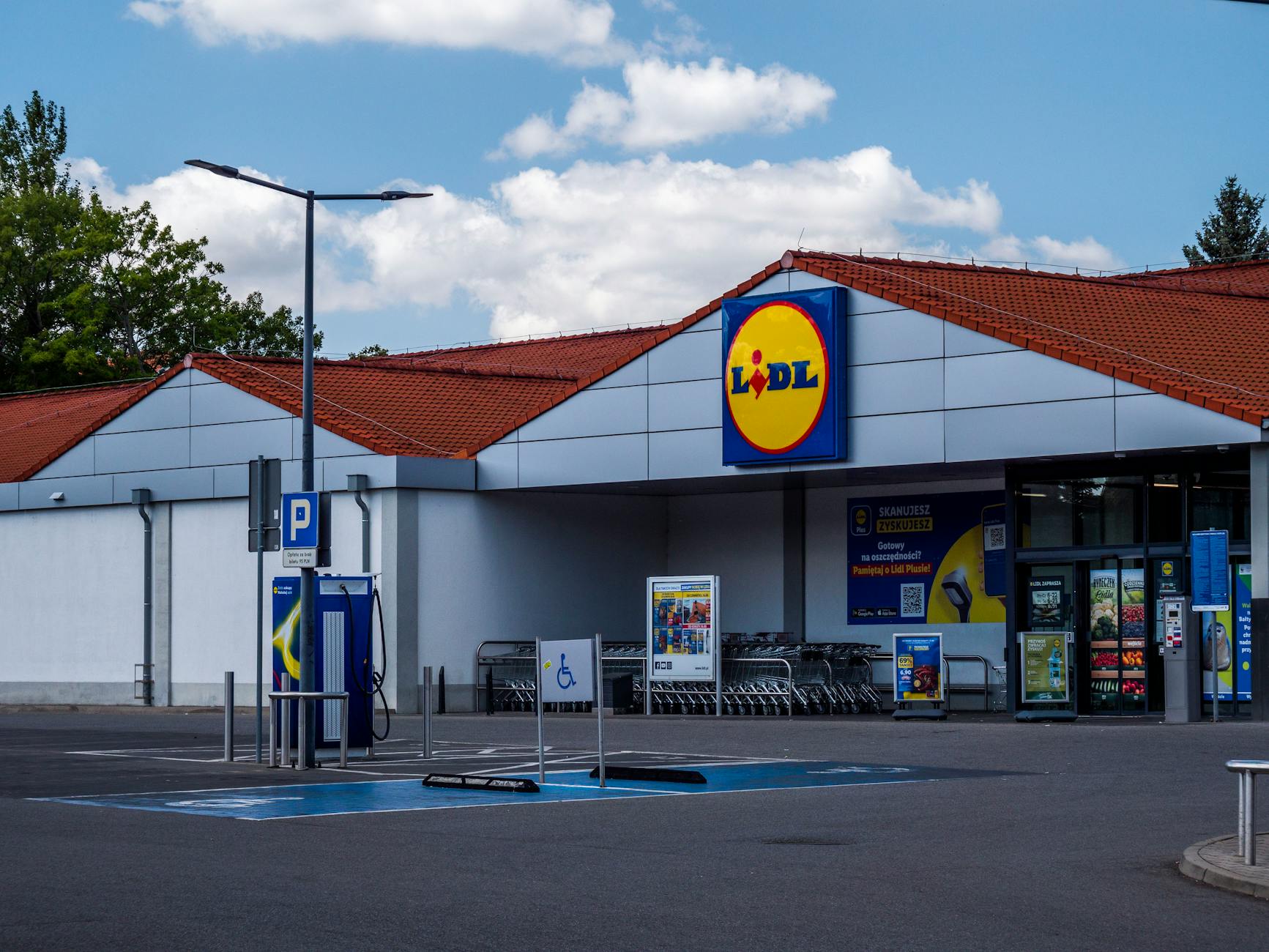
Aldi entered the U.S. market decades ago and now operates more than 2,300 stores across 38 states. Lidl arrived later, opening its first U.S. location in 2017, and has grown to roughly 170 stores mainly along the East Coast. According to industry reports from 2024, Aldi continues to expand aggressively in new regions, while Lidl focuses on strengthening its presence in the mid-Atlantic and Southeast. If you live outside the East Coast, you are far more likely to find an Aldi nearby. This geographic gap remains the single biggest practical difference for most shoppers.
How do Lidl and Aldi store sizes compare?
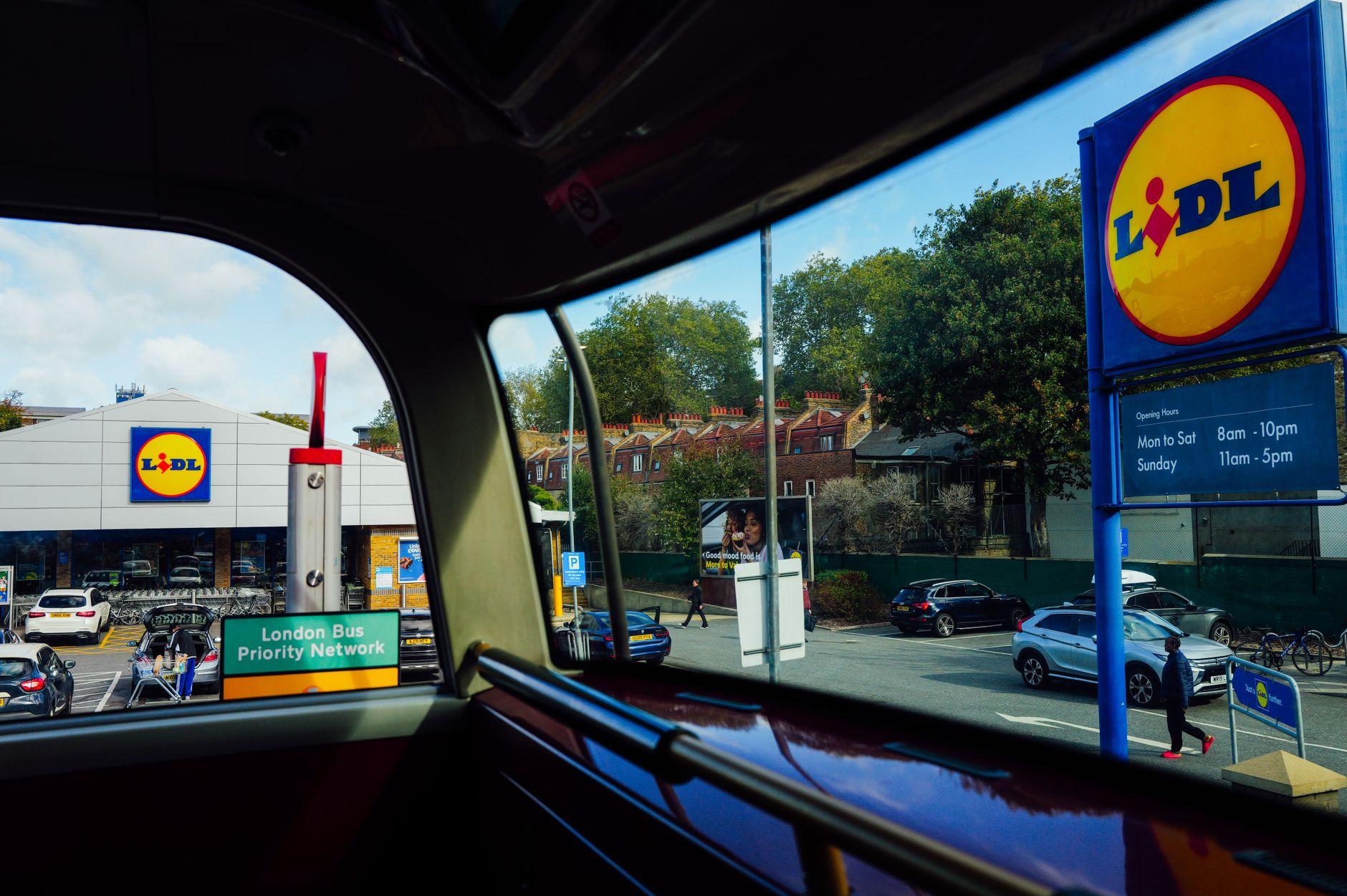
Lidl stores are generally larger, averaging around 20,000 square feet compared to Aldi‘s typical 12,000 to 15,000 square feet. The extra space allows Lidl to offer wider aisles, a more open layout, and a dedicated bakery section right at the entrance. Aldi stores feel more compact and efficient, with products stacked in cut-open boxes to reduce restocking labor. Both layouts work well, but if you prefer browsing without feeling cramped, you may enjoy the roomier environment at Lidl.
Pricing and Product Range
How do Lidl vs Aldi prices compare?
In a direct price comparison conducted by consumer groups in 2024, Aldi edged out Lidl by roughly 5 to 10 percent on a standard basket of 35 common items, including milk, bread, eggs, and fresh produce. Lidl, however, often runs more aggressive weekly promotions on specialty items such as organic produce and imported cheeses. If you shop exclusively for low prices on staples, Aldi wins. If you enjoy looking for rotating deals on higher-end items, Lidl gives you more variety. Both stores maintain prices significantly lower than traditional supermarkets, often by 20 to 40 percent.
What are the differences in private-label and branded products?
Aldi relies almost entirely on its own private-label brands like Simply Nature, Friendly Farms, and Specially Selected. You will find very few national brands on its shelves. Lidl takes a hybrid approach, offering its own brands such as Preferred Selection and Pane di Casa but also stocking recognizable names like Gatorade, Coca-Cola, and Cheerios. This difference matters if you have a strong loyalty to specific brands. For example, if you need a particular cereal your kids will eat, Lidl is more likely to carry it.
Comparison table of key product categories and prices
| Product | Average Price at Aldi | Average Price at Lidl |
|---|---|---|
| Whole milk (1 gallon) | $3.15 | $3.29 |
| Large eggs (12 count) | $2.49 | $2.59 |
| Sliced bread (white, 20 oz) | $1.19 | $1.25 |
| Bananas (per pound) | $0.49 | $0.55 |
| Organic baby spinach (5 oz) | $2.79 | $2.49 |
Unique Store Features and Offerings
What makes Lidl‘s bakery, especially croissants, stand out?
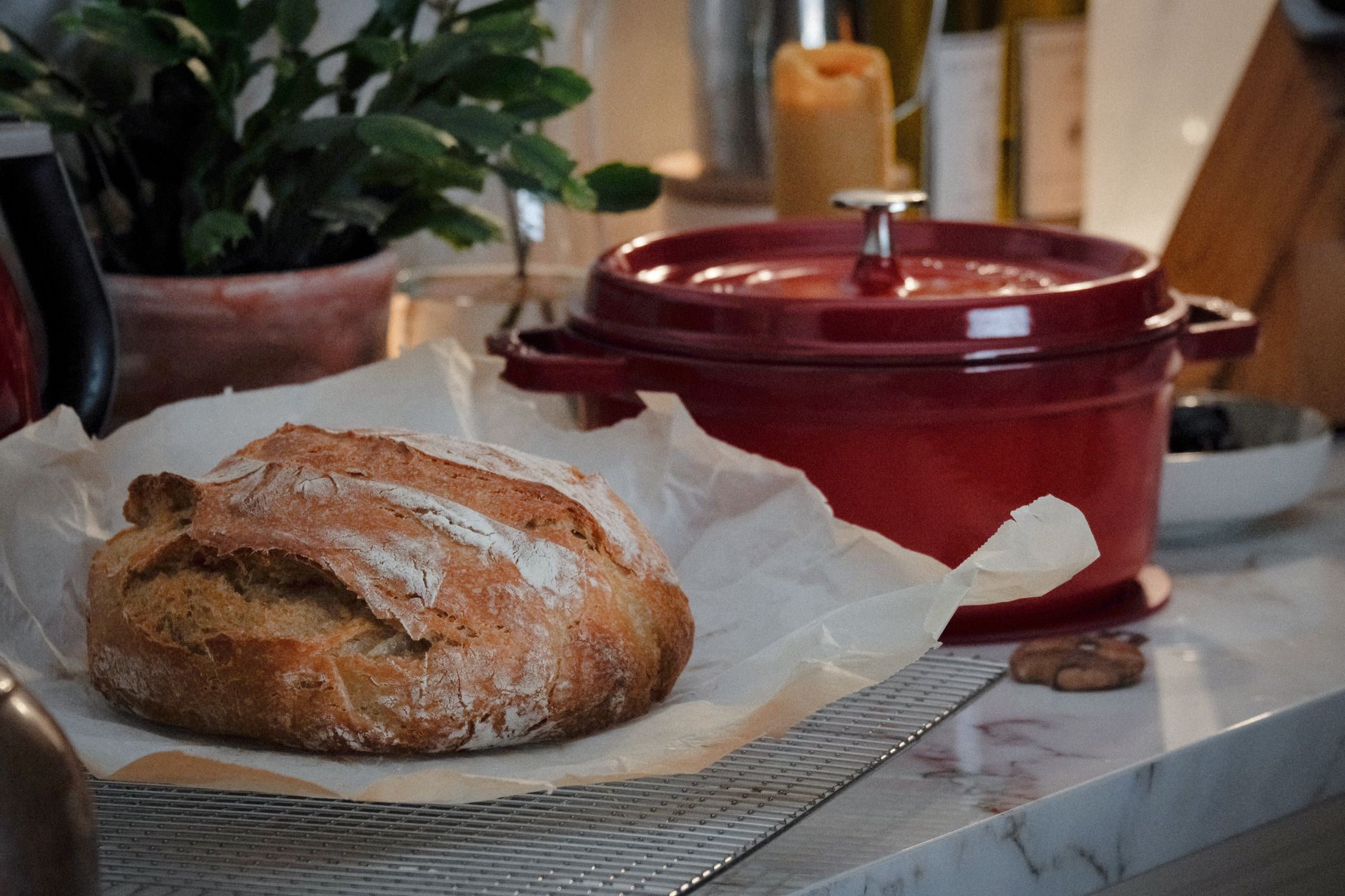
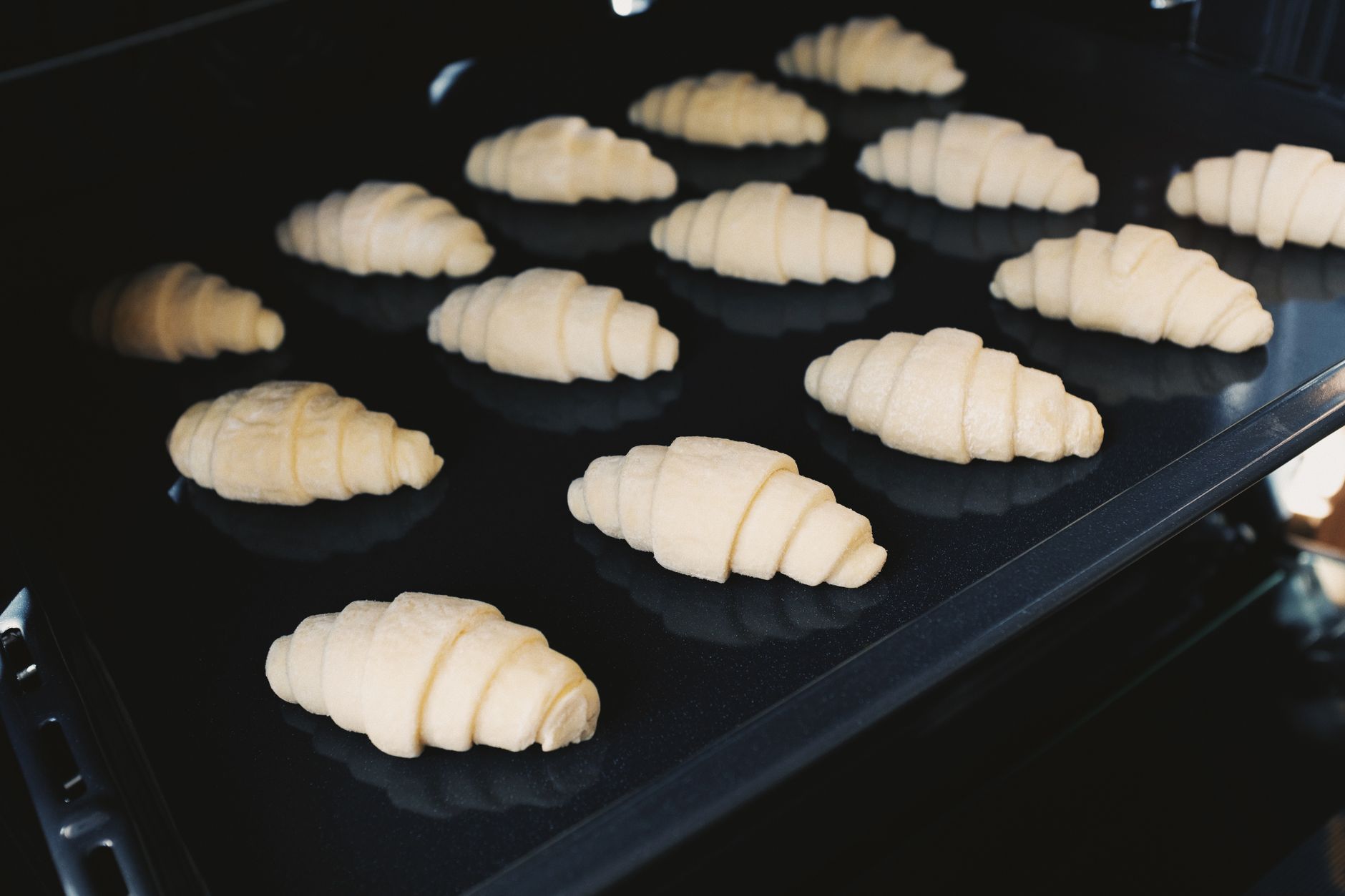
Lidl bakes fresh pastries in-store every morning, and their butter croissants have developed a loyal following for their flaky layers and rich taste. The bakery also offers baguettes, danishes, and rolls that are baked throughout the day. Aldi stocks pre-packaged baked goods from its supplier network, which are good but lack that just-baked warmth. If a fresh bakery experience matters to you, Lidl has a clear advantage. Many shoppers plan their trips around the bakery schedule to grab items straight from the oven.

Are there special services like garden centers at Lidl?
Many Lidl locations include a seasonal garden center offering plants, flowers, soil, and gardening tools. These sections appear especially during spring and summer, making Lidl a one-stop shop for both groceries and outdoor supplies. Aldi occasionally sells plants in its middle aisle of seasonal merchandise but does not operate dedicated garden centers. For home gardeners, this extra service adds real convenience.
What home delivery or online shopping options do Lidl and Aldi offer?
Aldi has partnered with Instacart for same-day delivery at most U.S. locations, allowing you to order directly through the Instacart app or website. Lidl offers its own online ordering platform for curbside pickup and delivery through DoorDash and Instacart. Both services cover the same basic shopping needs, but Aldi‘s longer market tenure means its delivery partnership is more widely available and reliable in more regions. Always check your specific local store‘s website to confirm which options are active near you.
Customer Experience and Demographics
Which store has a larger following or customer base in the U.S.?
Aldi enjoys a much larger customer base simply because of its broader footprint. Market research from 2023 showed that 54 percent of U.S. households have visited an Aldi within the past year. Lidl‘s numbers are lower, around 6 percent, but its customer satisfaction scores often match or exceed Aldi‘s. Among younger, urban shoppers who value experience and variety, Lidl tends to earn higher praise. Among budget-focused families, Aldi remains the default choice.
How do the two stores cater to different demographics?
Aldi appeals strongly to cost-conscious families, retirees, and anyone who sees grocery shopping as a quick errand. The store‘s simple layout and limited choices speed up the visit. Lidl attracts food enthusiasts who want to discover new products, including imported cheeses, European chocolates, and seasonal wine selections. If you enjoy exploring different cuisines through ingredients, Lidl feels more like a treasure hunt. If you want to get in and out with a predictable cart of basics, Aldi suits you better.
Store atmosphere and shopping experience detailed comparison
Aldi requires a quarter deposit to unlock a shopping cart, and you must bag your own groceries quickly at a side counter. Lidl stores also need a coin for a cart but offer more spacious bagging areas and sometimes include conveyor belts that feed directly to your cart. Both stores keep the lights bright and the floors clean, but Lidl‘s wider aisles and bakery aroma create a slightly more relaxed atmosphere. For a quick trip, Aldi‘s efficiency wins. For a leisurely shop, Lidl feels less rushed.
Produce and Fresh Foods Quality
What are the differences in produce quality and selection?
Both stores offer fresh produce at competitive prices, but quality can vary by location and season. Aldi‘s produce tends to be packed quickly and sold fast, so it is generally fresh if you visit on delivery days. Lidl‘s produce section is often larger and includes more organic options, including bagged salads, pre-cut vegetables, and exotic fruits. However, consumer reports have noted that Aldi‘s produce spoils slightly faster than Lidl‘s, likely due to different supply chain handling. If you plan to eat your produce within two days, either store works. If you want it to last five to seven days, Lidl may have a slight edge.
How do Lidl and Aldi handle sustainability and sourcing?
Aldi has committed to sourcing 100 percent of its fresh seafood from certified sustainable fisheries and has eliminated artificial colors and partially hydrogenated oils from its private-label products. Lidl similarly prioritizes sustainable sourcing and has introduced programs to reduce plastic packaging, including offering reusable produce bags. Both chains publish annual sustainability reports, but Lidl has been more proactive in U.S. markets with specific plastic-reduction pledges. For environmentally conscious shoppers, both stores demonstrate genuine effort, though the specifics vary regionally.
Other Noteworthy Differences
Are there any interesting connections like Trader Joe‘s branding with Aldi in Europe?
Many people do not realize that the Aldi we know in the U.S. is actually Aldi Sd, which also owns the Trader Joe‘s chain. Aldi Nord, a separate company operating in different countries, owns the Lidl competitor in Europe. This family history explains why you sometimes see eerily similar packaging or product names between Aldi, Trader Joe‘s, and even Lidl. Knowing this adds context to the competition but does not affect your shopping decision directly. The two companies operate independently with distinct supply chains and product development teams in the U.S.
What are recommended products or hidden gems unique to Lidl vs Aldi?
Aldi‘s fan-favorite items include the Specially Selected Sea Salt Caramel Gelato, the Park Street Deli Spinach and Artichoke Dip, and the organic Maple Syrup. Lidl‘s hidden gems include the Argus Atlantic Smoked Salmon, the Crofton ceramic cookware sets, and the Pane di Casa Italian bread for making sandwiches. Both stores also feature a weekly "Aisle of Shame" full of non-food bargains Aldi calls it the Aldi Finds section, while Lidl names it the Lidl Surprises. For a first-time visit, grab one of these cult-favorite items to see what the hype is about.
Is Lidl vs Aldi actually Halal what should I check?
Neither Lidl nor Aldi certifies all of its meat products as Halal across the entire store. For fresh meat, poultry, and deli items, you must look for a recognized Halal certification logo on the packaging, such as IFANCA, HMC, or JAKIM. Both chains occasionally stock Halal-certified chicken and beef in specific locations with high demand, especially in diverse urban areas. If you rely on certified Halal meat, call your local store before visiting. Do not assume all store-brand products meet your dietary requirements without checking the label first.
Which store has better fresh produce for Halal meal prep?
Lidl generally offers a wider selection of fresh herbs, exotic vegetables, and imported legumes that are ideal for Halal meal prep, such as Middle Eastern and South Asian recipes. Aldi carries solid basics like onions, potatoes, and carrots at lower prices. For anyone cooking complex Halal dishes, Lidl‘s produce variety saves you an extra trip to a specialty market.
Can you find Halal-certified frozen meals at Aldi or Lidl?
Yes, but selection is limited. Aldi‘s Simply Nature brand includes some frozen entrees that are Halal-certified in certain regions. Lidl‘s private-label frozen meals rarely carry Halal certification. Your best bet is to check the deli and frozen aisle for explicit Halal logos from third-party brands like Saffron Road or Cedar‘s. Both stores stock these brands inconsistently, so availability varies by week and location.
How do the checkout experiences differ for a big shop?
Aldi uses a fast-paced scanning system where the cashier scans items quickly while you pack them in your cart or a bag nearby. Lidl checks out in a similar manner but with a slightly slower pace and more room at the end of the belt. If you appreciate speed, Aldi‘s efficiency is unmatched. If you prefer not to feel rushed while packing, Lidl‘s layout is more forgiving.
Which store offers better dairy and cheese options?
Lidl‘s cheese selection is noticeably broader, including aged Gouda, French brie, and imported parmesan wedges at competitive prices. Aldi carries a solid range but focuses on everyday cheeses like shredded mozzarella and cheddar blocks. For cheese lovers who cook with diverse cheese types, Lidl is the superior choice. For basic dairy needs like milk and yogurt, both stores are comparable.
Do Lidl and Aldi carry gluten-free or allergen-friendly products?
Both stores have expanded their gluten-free and allergen-friendly lines in recent years. Aldi‘s Live G Free brand covers bread, pasta, snacks, and baking mixes. Lidl‘s free-from selection is smaller but growing, with items like gluten-free pizza crusts and dairy-free ice cream. If you manage multiple food allergies, Aldi gives you more variety at lower prices. Always double-check packaging for cross-contamination warnings, as neither store guarantees allergen-free production environments.
What are the return policies for food items?
Aldi offers its "Twice as Nice" guarantee: if you are unsatisfied with any product, you receive a full refund and a replacement. Lidl offers a similar satisfaction guarantee but replaces the product rather than giving a cash refund in most cases. Both policies are generous for store brand items. For national brands at Lidl, standard manufacturer warranties apply. Save your receipt for either store to make returns easier.
Conclusion
Choosing between Lidl vs Aldi ultimately comes down to your shopping priorities. If you value rock-bottom prices, speed, and a simple routine, Aldi treats you well. If you enjoy a roomy store with fresh bakery goods, a wider produce selection, and occasional branded items, Lidl offers a more pleasant experience. For Halal-conscious shoppers, neither store is a complete solution, but both can work if you read labels carefully. Next time you plan your grocery run, consider visiting each store once to see which one fits your kitchen and your lifestyle. Leave a comment below sharing which store you prefer and why.
Buyer‘s Checklist: What to Look For When Shopping at Lidl vs Aldi
| Certification | Price Range | Common Formats | Shelf Life | Key Allergens |
|---|---|---|---|---|
| IFANCA, HMC, JAKIM (for Halal) | Open can without opener | Hot honey brands | 512 months for pantry staples | Milk, wheat, soy, tree nuts |
Check the presence of Halal certification logos on fresh and frozen meat packaging. Look at the ingredient order for hidden non-Halal additives like gelatin or rennet. Note the sodium content per serving for processed items under 400mg per serving is ideal. Compare unit prices between the two stores using the shelf tags, and always check the sell-by date on dairy and produce before adding them to your cart.
More You Might Like
If you are curious about how to handle packaging at the checkout, our guide on how to open can without opener safely offers quick kitchen tips that pair well with discount store shopping. For those who love using Lidl‘s specialty vinegars and honey in cooking, exploring the best hot honey brands can add bold flavor to your Halal meal rotation.
FAQs
Is Lidl vs Aldi actually Halal — what should I check on the label?
Neither store certifies all meat as Halal. Check for recognized Halal certification logos like IFANCA, HMC, or JAKIM on fresh poultry, beef, and deli items. Some locations stock Halal-certified chicken and beef in urban areas. Always call ahead if you rely on certified Halal meat, and verify packaging before purchase.
How do prices at Lidl and Aldi compare to traditional supermarkets?
Both stores offer prices 20 to 40 percent lower than traditional supermarkets. Aldi is about 5 to 10 percent cheaper than Lidl on a standard basket of staples, but Lidl runs more aggressive weekly promotions on organic and imported items. For everyday basics, Aldi wins on price; for specialty deals, Lidl often offers better value.
Which store has better fresh produce quality?
Lidl’s produce section is larger and includes more organic options and exotic fruits. Consumer reports indicate Lidl’s produce tends to last longer (5–7 days) compared to Aldi’s, which may spoil faster. Aldi’s basics like onions and potatoes are sold at lower prices. For longer-lasting freshness, Lidl has a slight edge.
Do both stores offer gluten-free or allergen-friendly products?
Yes. Aldi’s Live G Free brand covers bread, pasta, snacks, and baking mixes extensively. Lidl’s free-from selection is smaller but growing, with items like gluten-free pizza crusts and dairy-free ice cream. Aldi offers more variety and lower prices for multiple food allergies. Always check labels for cross-contamination warnings.
What are the return policies for food items at Lidl and Aldi?
Aldi offers a “Twice as Nice” guarantee: full refund plus replacement for any unsatisfying product. Lidl provides a similar satisfaction guarantee but typically replaces the product instead of a cash refund. Both policies apply to store brands. Save your receipt for either store to make returns easier.