Standing in front of the chocolate aisle, you might wonder: what exactly is the difference between bittersweet vs semisweet chocolate? Both are staples in baking and snacking, yet their flavors and uses vary quite a bit. Bittersweet chocolate typically contains more cacao and a deeper, sharper taste, while semisweet offers a softer, sweeter profile that works well in a variety of dishes. Knowing the nuances helps you pick the right chocolate for your recipes or snack time.
Core Differences
What Defines Bittersweet Chocolate?
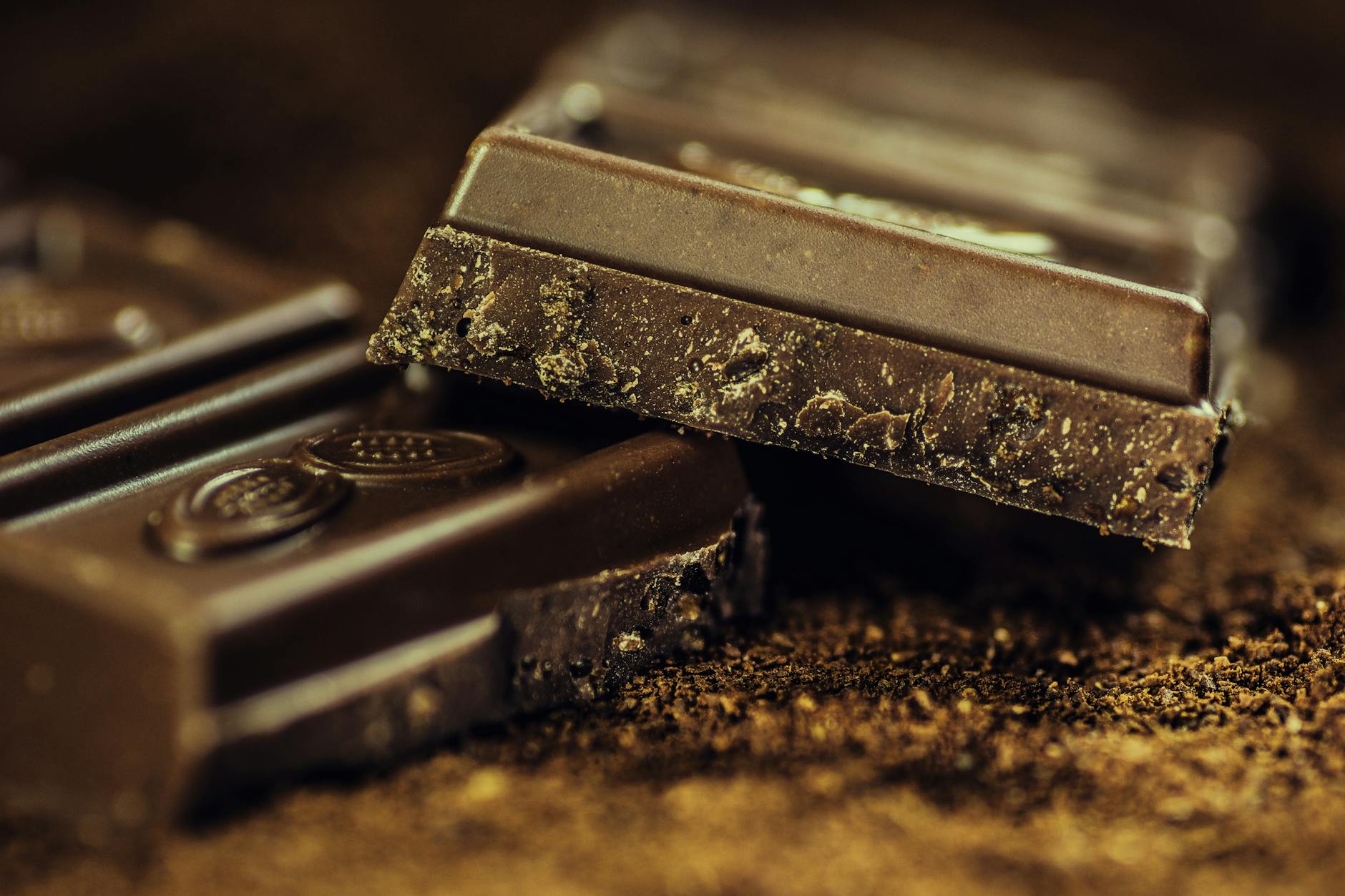
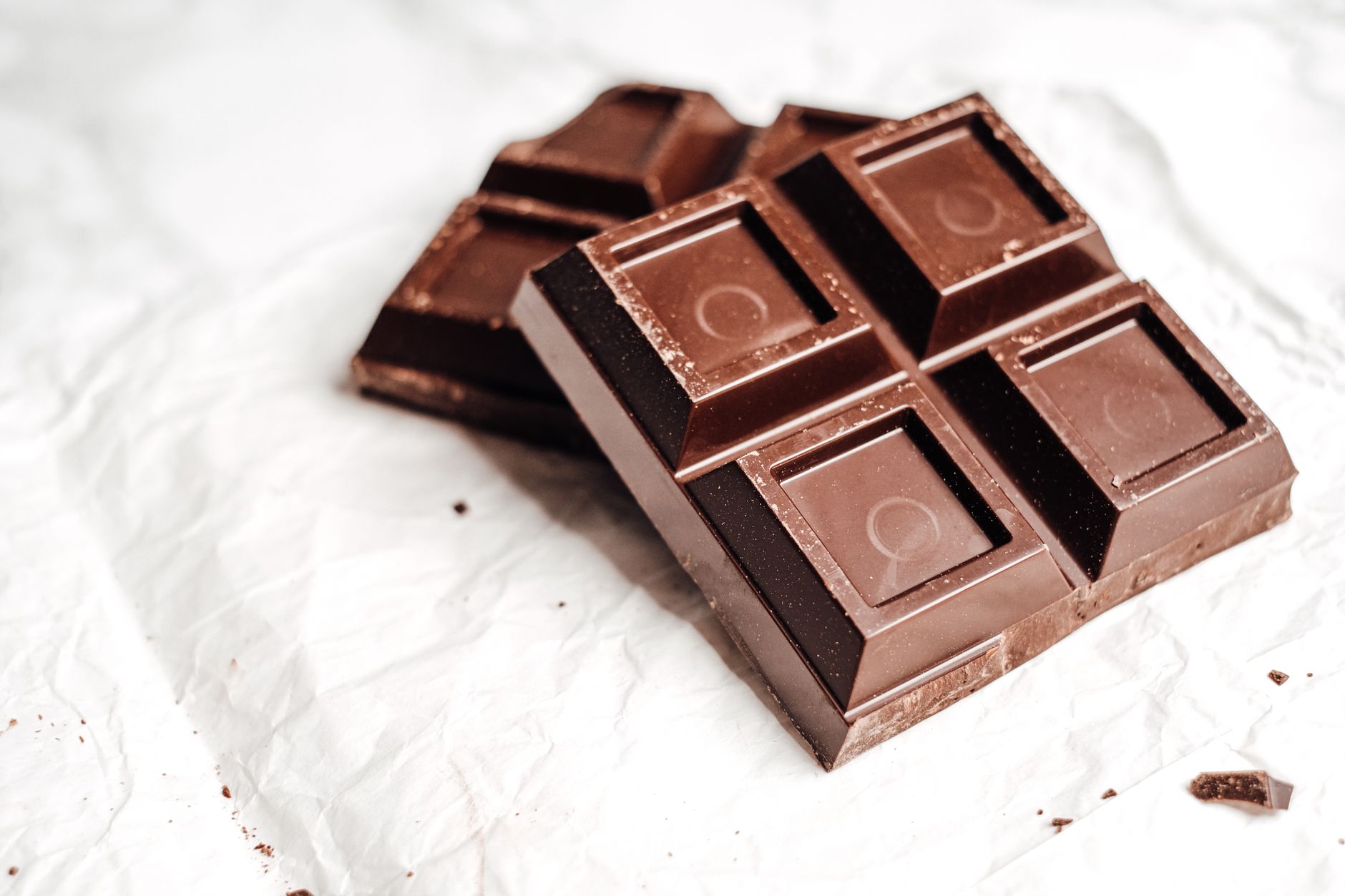
Bittersweet chocolate is known for its rich, intense flavor. Usually, it contains 70% or more cacao solids, making it darker and less sweet than semisweet varieties. This higher cacao percentage brings a pronounced bitterness with fruity or slightly acidic notes, depending on the bean origin. Texture-wise, its firm and snaps cleanly when broken. Because of its robust profile, bittersweet chocolate is favored for sophisticated desserts that call for a strong cocoa presence.
According to the USDA FoodData Central, bittersweet chocolate must contain at least 35% cacao, but premium versions hover much higher often 70% to 85%. Most quality-conscious bakers rely on bittersweet chocolate in recipes like dark chocolate ganache or flourless chocolate cakes to achieve a velvety, complex taste.
What Defines Semisweet Chocolate?
Semisweet chocolate generally has a lower cacao content, between 35% and 60%. It balances cocoas bitter notes with added sugar, creating a sweeter, milder flavor. Semisweet is often what you find in classic chocolate chips for cookies and brownies because it lends a pleasant sweetness without overwhelming the palate.
Texture-wise, semisweet is slightly softer and can melt more evenly at lower temperatures a boon for everyday baking. Brands sometimes label semisweet chocolate simply as sweet chocolate or baking chocolate, though this varies.
| Chocolate Type | Cacao Content | Sweetness Level | Common Uses | Typical Brands |
|---|---|---|---|---|
| Bittersweet | 70%85% | Lower sweetness, pronounced bitterness | Ganache, dark chocolate cakes, truffles | Valrhona, Ghirardelli Intense Dark |
| Semisweet | 35%60% | Medium sweetness, balanced flavor | Cookies, brownies, chocolate chips | Hersheys, Nestl Toll House |
Bittersweet Chocolate Uses
Bittersweet Chocolate Taste Compared to Semisweet
Bittersweet chocolate delivers a deeper, more complex chocolate experience. It carries a mild bitterness but also fruity, earthy undertones that can enhance the aromas in your food. The aftertaste lingers pleasantly without feeling too sharp or harsh. Its firmer texture means it holds shape well, ideal for thick ganaches or decorative shards.
Cooking with bittersweet chocolate adds layers to desserts. Youll notice a sharper contrast with sweet ingredients like cream or fruits. Its boldness makes it a favorite among chefs who appreciate nuanced flavor.
When to Choose Bittersweet Chocolate
- Use in recipes demanding intense cocoa flavor like dark chocolate mousse or truffles.
- Ideal for those wanting less sugar but more antioxidantsbittersweet chocolate is known for higher flavonoid content.
- Avoid if youre sensitive to bitterness; it can overpower delicate desserts.
Health-wise, bittersweet chocolate contains more cacao-derived antioxidants, which have been linked to heart benefits. However, according to the USDA FoodData Central, it still has calories and some fat, so balance is key.
Recommended Bittersweet Brands and Recipes
Look for Halal-certified brands when possible. Many reliable producers carry certifications from JAKIM or IFANCA logos, reassuring strict dietary adherence. Brands like Valrhona, Ghirardelli, or Green & Blacks have quality bittersweet options with clear labeling. Popular recipes include:
- Dark chocolate ganache for cakes
- Flourless chocolate torte
- Rich chocolate truffles
Semisweet Chocolate Uses
Common Semisweet Chocolate Applications
Semisweet chocolate excels in versatility, striking a sweet-and-savory balance. Its the go-to for classic baked goods such as chocolate chip cookies and fudgy brownies. The moderate sugar content complements dry ingredients, resulting in tender, flavorful treats.
Its slightly softer texture also means it melts consistently when baking, avoiding grainy or clumpy results. Semisweet chocolate chips or chunks are popular for melting or adding texture directly in cookies or muffins.
Snacking and Dessert Uses
For snacking, semisweet chocolate caters to a wide audience with its approachable sweetness. It pairs well with nuts, fruits, or dairy-based desserts. Melting semisweet chocolate over fruit or ice cream gives a smooth touch without extreme bitterness.
Compared to bittersweet, semisweet chocolate melts at a slightly lower temperature around 104F (40C) versus 113F (45C) making it easier to work with for novice bakers.
Substitution Tips
If you want to swap bittersweet for semisweet, adjust sugar content upward to compensate for bitterness. Likewise, when using semisweet in place of bittersweet, reduce sugar slightly to avoid overly sweet results. This tweak helps maintain balance in your recipes.
For example, replacing one cup of bittersweet chocolate with semisweet may require adding one to two tablespoons less sugar, though this depends on the recipe.
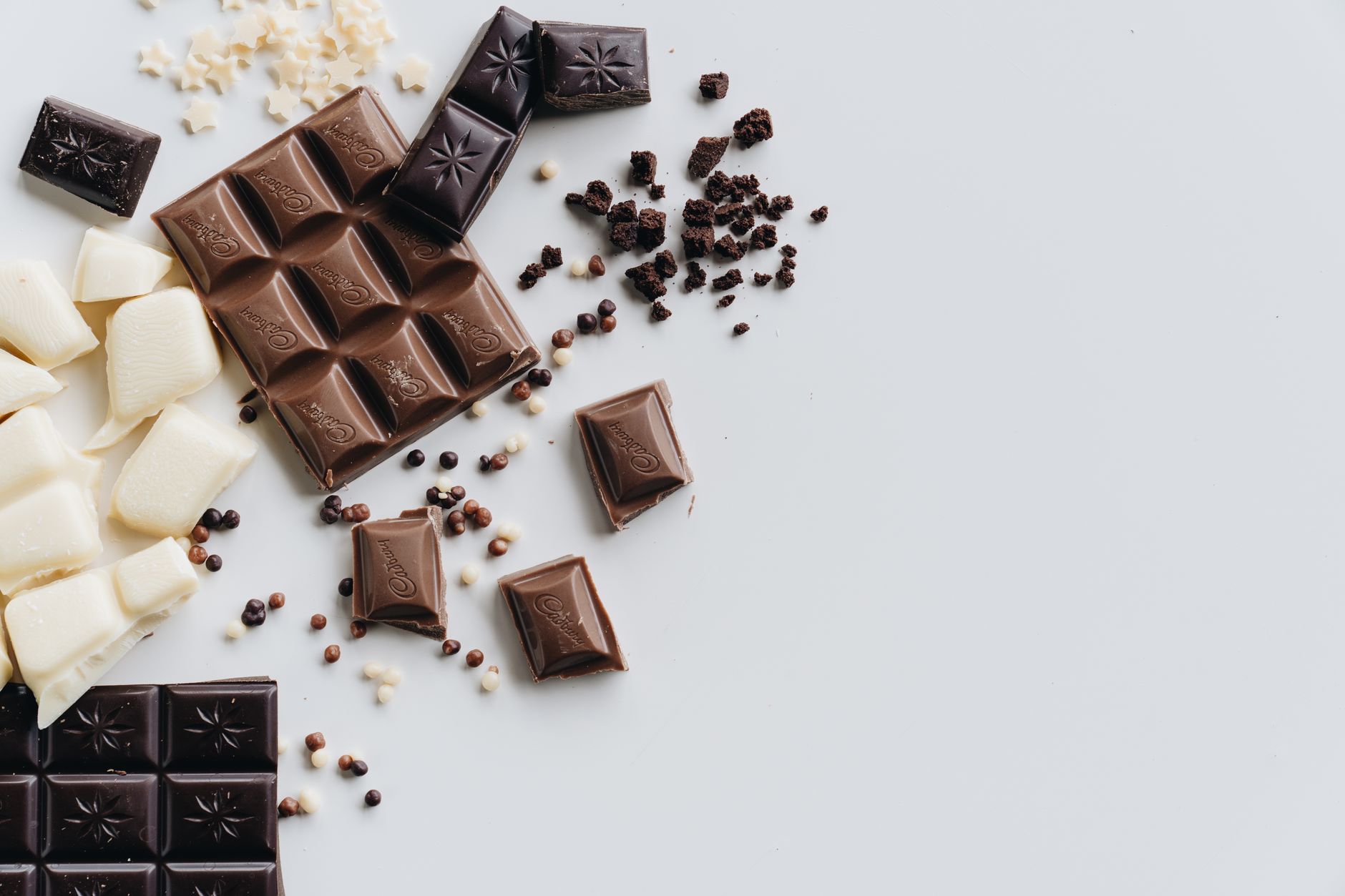
Chocolate Types Overview
Other Dark Chocolate Varieties
Bittersweet and semisweet are part of a broader dark chocolate family. You might also encounter extra bittersweet chocolates with cacao content over 85%. At the other extreme, unsweetened baking chocolate contains nearly 100% cacao and no sugar, used mainly for intense cocoa flavoring.
Each type has unique uses and melting points. Choose according to desired bitterness, sweetness, and texture.
Cacao Content & Health Effects
Cacao percentage doesnt just affect flavor; it influences antioxidants like flavonoids, credited with cardiovascular benefits per nutrition research. Higher cacao means more healthful compounds but also increased bitterness.
Semisweets lower cacao corresponds to more sugar, balancing flavor but less antioxidant benefit. For those monitoring sugar or seeking Halal-certified chocolates, profiles vary widely and certification logos from HMC or JAKIM on packaging help identify compliant products.
Benefits and Risks
Nutritional Comparison
| Nutrient | Bittersweet (per 30g) | Semisweet (per 30g) |
|---|---|---|
| Calories | 150 | 160 |
| Sugar | 10g | 18g |
| Fat | 12g | 11g |
| Flavonoids | High | Moderate |
Bittersweet provides more antioxidants and less sugar, which may support heart health when consumed moderately. Semisweet carries more sugar, which could impact blood sugar levels if consumed excessively.
Potential Downsides
Bittersweet chocolates bitterness can be off-putting if youre used to sweeter treats. Semisweet varieties, although milder, often include higher sugar that may be undesirable for some diets. Checking ingredient lists, especially for added stabilizers or artificial flavors, ensures you pick a clean-label and Halal-certified product.
Chocolate Shopping Tips
| Certification | Price Range | Common Formats | Shelf Life | Key Allergens |
|---|---|---|---|---|
| JAKIM, IFANCA, HMC logos | $5$20 per bar | Bars, chips, chunks | 1218 months unopened | Milk, soy lecithin, nuts (cross contamination) |
Look for explicit Halal certification such as the JAKIM or IFANCA logos on packaging. These labels confirm compliance with Islamic dietary laws and avoid doubtful ingredients like gelatin or non-Halal emulsifiers.
Check the ingredient list carefully: the first ingredient should be cocoa solids or liquor, not sugar. Avoid products with unspecified natural flavors or artificial additives if you prefer clean labels. Also, note if the chocolate contains milk or traces of nuts if you have allergies.
Most Overlooked Buying Mistake
Choosing chocolate solely based on price often backfires. Cheap versions may have excessive sugar, low cacao, or uncertain origin, compromising both flavor and quality. Experts recommend investing in reputable brands that disclose ingredients and certifications.
Expert Buying Tip
When buying for baking or snacking, consider intended use. If you want rich, dark flavors, pick bittersweet with over 70% cacao. For crowd-pleasing treats with moderate sweetness, go semisweet. Always preview the label for sugar content and Halal certification before purchase.
More You Might Like
Interested in unique chocolate types? Check out our Ruby chocolate guide for a naturally pink, fruity chocolate experience you wont forget.
Looking for festive treats? Explore the Halloween candy ranking featuring Halal-certified options that kids and adults love alike.
Is bittersweet vs semisweet chocolate actually Halal what should I check?
Most chocolates can be Halal if certified by trusted bodies like JAKIM or IFANCA. Check for certification logos on packaging, verify ingredients for non-Halal additives such as pork gelatin or alcohol-based flavorings, and avoid cross-contaminated products. Trusted brands clearly state Halal status on their labels.
When is the best time to eat chocolate?
Chocolate is best enjoyed during mid-afternoon or after meals when your palate is ready for rich flavors. For health benefits, moderate your intake and pair it with nuts or fruit for balanced nutrition.
Can bittersweet and semisweet chocolate be used interchangeably?
They can in many recipes, but results may differ in sweetness and bitterness. Adjust sugar levels accordingly to balance flavors and ensure desired texture.
How should I store chocolate for freshness?
Store unopened chocolate in a cool, dry place below 70F (21C), avoiding direct sunlight. After opening, seal it tightly; it keeps best 57 months unopened, 12 months once opened.
Does higher cacao mean healthier chocolate?
Generally, yes. Higher cacao content means more antioxidants and less sugar, contributing to heart health. But moderation is key, as chocolate still contains fats and calories.
Is there a Halal difference between dark chocolate types?
Dark chocolates themselves don‘t differ in Halal status based on cacao content. Halal compliance depends on ingredients, processing, and certification rather than cocoa levels.
What should I know about allergens in bittersweet and semisweet chocolates?
Many chocolates contain soy lecithin as an emulsifier and sometimes traces of milk or nuts due to shared equipment. Always read allergen warnings carefully if you have sensitivities.
Can I melt bittersweet and semisweet chocolate together?
Yes, mixing is possible but taste profiles will blend. Expect sweeter overall flavor if semisweet dominates. Melt gently at low heat (4045C) for best results.
What are common misconceptions about bittersweet vs semisweet?
One myth is that bittersweet is always healthier while higher cacao often means fewer sugars, added fats or sweeteners can vary widely. Another misconception is that semisweet is low-quality, but many quality brands offer delicious semisweet options.
Conclusion
Bittersweet vs semisweet chocolate each bring unique qualities to your kitchen. Bittersweet offers richer, less sugary depth, while semisweet is sweeter and more forgiving for everyday baking. Next time you shop, check the label for cacao content and Halal certification. Try both types to see which fits your recipes and palate best your taste buds will thank you.
FAQs
Is bittersweet vs semisweet actually Halal — what should I check on the label?
Both bittersweet and semisweet chocolates can be Halal if certified by trusted bodies like JAKIM or IFANCA. Check for certification logos on the packaging and review the ingredient list for non-Halal additives such as gelatin or alcohol-based flavorings. Ensure there is no cross-contamination with non-Halal ingredients for peace of mind.
What is the shelf life of bittersweet and semisweet chocolate after opening?
Unopened chocolates can last 12 to 18 months if stored properly. After opening, seal the chocolate tightly and consume within 5 to 7 months for best freshness. Store in a cool, dry place away from sunlight to maintain quality and prevent spoilage.
Can bittersweet and semisweet chocolate be used interchangeably in recipes?
Yes, they can often be swapped, but you may need to adjust sugar levels. Bittersweet has less sugar and more bitterness, so add sugar if substituting with it. When using semisweet instead, reduce added sugar slightly to prevent overly sweet results and maintain the intended flavor balance.
Is it safe to eat bittersweet and semisweet chocolate daily?
Moderate daily consumption is generally safe and can offer health benefits due to antioxidants in higher cacao chocolates. However, be mindful of sugar and calorie intake, especially from semisweet varieties. Balance chocolate with a healthy diet to avoid excessive fat and sugar consumption.
Where can I buy quality Halal-certified bittersweet and semisweet chocolate?
Look for chocolates at specialty grocery stores, supermarkets with international sections, or online retailers that clearly label Halal certification such as JAKIM or IFANCA. Trusted brands like Valrhona, Ghirardelli, Hershey’s, and Nestlé often have Halal-certified options with proper labeling on packaging.