



Have you ever wondered how long hard boiled eggs safety lasts once theyre peeled or left out? Whether you prepare eggs for snacks, salads, or meal prep, understanding how to handle and store them properly is essential to avoid foodborne illnesses like salmonella. Hard boiled eggs shouldnt sit out at room temperature for more than 2 hours, and if the environment is warmer, that time shortens considerably. Lets explore the best practices you can trust to keep your eggs safe and fresh.
Egg Safety Basics
Eggs are nutritious staples but can become risky if not stored or handled correctly. Hard boiling kills harmful bacteria on the shell and inside the egg, but once cooked, eggs become more vulnerable to spoilage. The key risks are bacteria growth and contamination, which grow quicker in warmer temperatures. Food safety authorities like the USDA and CDC recommend strict time limits to keep hard boiled eggs safe to eat.
Why Do Hard Boiled Eggs Spoil?
After boiling, a hard boiled eggs protective shell can crack or be removed, exposing the moist interior. This environment encourages bacterial growth, especially when left at room temperature too long. Spoilage occurs because bacteria multiply rapidly between 40F (4C) and 140F (60C), a range known as the "danger zone." Additionally, moisture loss and exposure to air speed up deterioration, leading to unpleasant odors and textures.
How Long Can Hard Boiled Eggs Stay at Room Temperature?
The widely accepted hard boiled eggs safety guideline is that eggs left unrefrigerated should be consumed within 2 hours at normal room temperature (around 70F/21C). However, when temperatures climb above 85F (29C), this safe window shrinks to just 30 minutes to 1 hour. Leaving eggs out longer increases the risk of bacterial contamination, which could cause food poisoning symptoms such as nausea, vomiting, and diarrhea.
Imagine you packed hard boiled eggs for a picnic on a sunny day without proper cooling thats a common scenario that could lead to unsafe eggs. Once cooled, keeping the eggs chilled slows down bacteria growth significantly. Always remember: if youre unsure how long eggs have been out, its safer to discard them than to risk illness.
| Temperature Condition | Max Safe Time at Room Temp | Recommended Storage Practice |
|---|---|---|
| Normal room (~70F / 21C) | Up to 2 hours | Refrigerate after 2 hours |
| Hot room (>85F / 29C) | 30 minutes 1 hour | Refrigerate ASAP |
Proper Storage Methods
Refrigeration is the best way to extend the life and maintain the quality of your hard boiled eggs. Keeping them cold slows bacterial growth and keeps the eggs tasty and safe. The USDA recommends storing hard boiled eggs in their shell and consuming them within one week. If peeled, storing them in a sealed container with a damp paper towel to prevent drying out is ideal, but the timeframe stays about the same.
How Long Can You Refrigerate Hard Boiled Eggs?
Hard boiled eggs store well in the fridge for up to 7 days. The shell naturally protects the egg against odors and moisture loss. Once peeled, they should be eaten within the same time frame but kept in an airtight container to avoid contamination and drying. Proper labeling with the boiling date helps you keep track so you never eat eggs past their prime.
Should You Refrigerate Hard Boiled Eggs Immediately?
Yes, refrigerating hard boiled eggs immediately after they cool to room temperature is safest. Leaving them out longer than 2 hours increases the chance of harmful bacterial growth. Cooling too slowly or storing eggs in warm parts of the kitchen invites spoilage. If you bring eggs to a picnic or outside event, store them in a cooler with ice packs to maintain safe temperatures.
Kitchen Egg Storage Tips
- Keep eggs in their shell until ready to eat for best protection.
- Use airtight containers after peeling to keep eggs fresh and avoid picking up odors.
- Label containers with boiling date for easy rotation.
- Store eggs on middle shelves of the fridge, where temperature is most consistent; avoid the door.

Common Egg Safety Questions
Can You Eat Hard Boiled Eggs Left Out Overnight?
It‘s not safe to eat hard boiled eggs left out overnight. After around 2 hours at room temperature, harmful bacteria can multiply to dangerous levels. Eating such eggs increases your risk of food poisoning. Always discard eggs that have been left out longer than the recommended time for hard boiled eggs safety to protect your health.
How to Tell If Hard Boiled Eggs Have Gone Bad?
Spoiled hard boiled eggs often have a sulfurous or rotten smell, a slimy or chalky texture, and sometimes discoloration on the whites or yolks. If the egg emits an off odor or the shell feels unusually sticky or powdery, its best to err on the side of caution and throw it away. When in doubt, dont take the risk.
Do Room Temperature Eggs Spoil Faster When Hard Boiled?
Yes. Once eggs are hard boiled, their protective membranes weaken, making them more prone to bacteria growth at room temperature compared to raw eggs. Raw eggs can last longer unrefrigerated due to their natural barrier. Thats why hard boiled eggs safety guidelines strongly emphasize refrigeration after boiling.
Handling hard boiled eggs correctly also ties closely with food choices and quality. For example, processed foods sometimes contain eggs or egg derivatives, but knowing how they‘re stored and handled impacts your overall diet safety. For more about processed foods and how to choose healthier options, see Processed foods.
Scientific and Expert Recommendations
The USDA and CDC both recommend chilling hard boiled eggs promptly and consuming them within a week. According to the USDA FoodData Central, eggs are safe and nutritious when stored correctly. Halal certification bodies such as JAKIM and IFANCA ensure that eggs comply with religious dietary laws and food safety standards, so always look for their trusted logos on packaged eggs or egg products.
Experts advise that maintaining cleanliness during boiling, cooling eggs quickly under cold running water, and not peeling until just before eating reduces contamination risks. Employing these careful habits protects your family from foodborne illnesses and preserves the eggs texture and flavor. For more about reading nutrition content, you might find this Honey nut cheerios nutrition label guide useful as an example of clean label reading.
Is Hard Boiled Eggs Safety Actually a Concern for Halal Diets?
Absolutely. Halal dietary rules emphasize cleanliness, safety, and wholesomeness. Eggs must come from Halal-certified sources following proper handling guidelines. Checking for certifications like JAKIM ensures the eggs meet these standards and comply with food safety. Proper hard boiled eggs safety measures, including refrigeration and storage advice, complement Halal requirements by preventing contamination and preserving food integrity.
What Is the Best Way to Store and Use Leftover Hard Boiled Eggs?
Store leftover hard boiled eggs in the refrigerator at or below 40F (4C). Keep them in the shell to maintain freshness or peel and place in an airtight container with a damp paper towel. Use within 7 days. If planning to use eggs in salads, sandwiches, or snacks, peeling just before use prevents drying out and bacterial contamination.
Can You Freeze Hard Boiled Eggs?
Freezing hard boiled eggs isnt recommended as it affects texture. Yolks may become crumbly and whites rubbery. If you want to freeze eggs, its better to freeze yolks separately or use eggs raw for freezing dishes. For hard boiled eggs safety, refrigeration is your best storage method.
Does Peeling Affect Egg Safety?
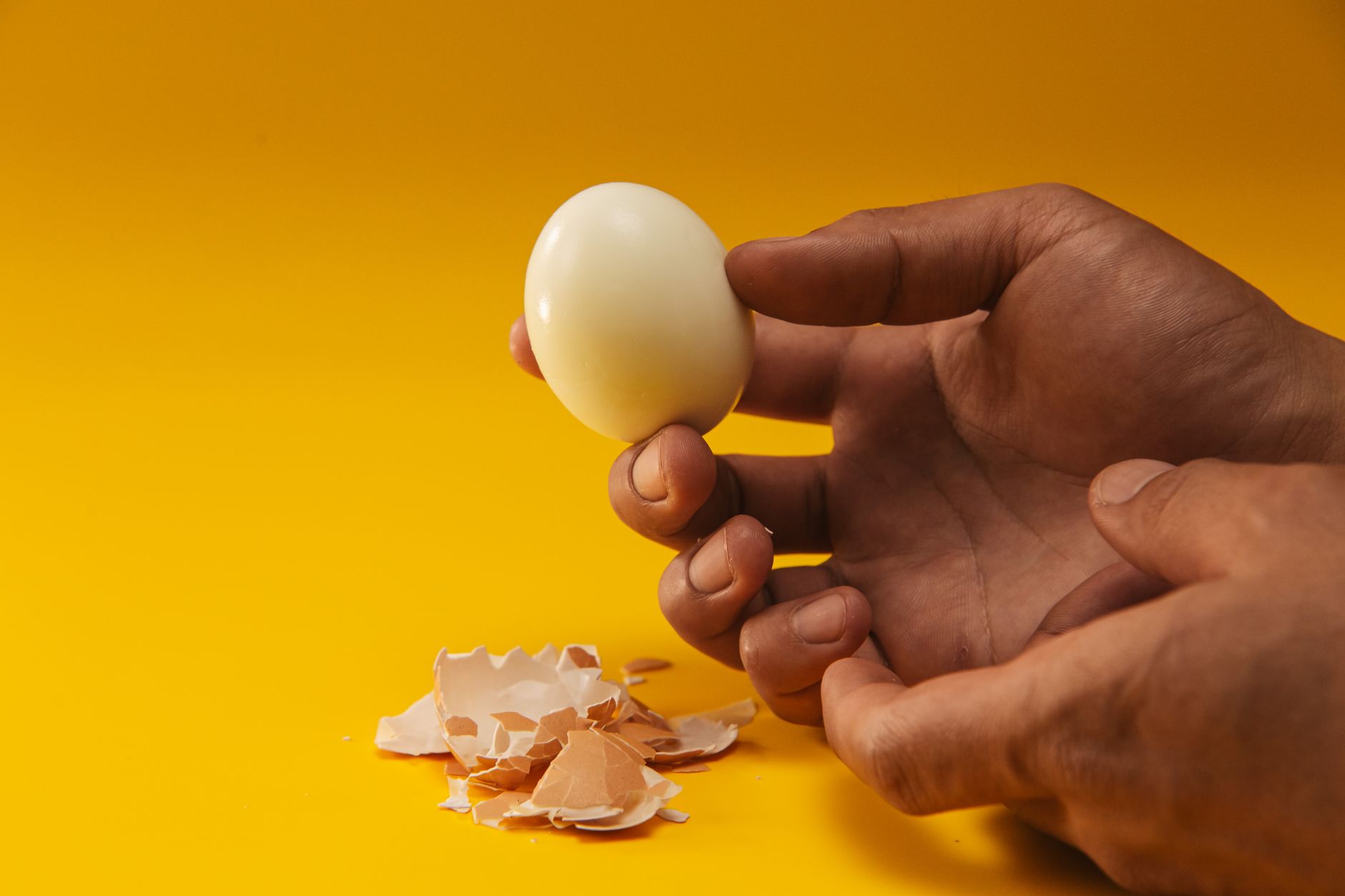
Yes, peeling removes the shells protective barrier, exposing the egg to bacteria and moisture loss. Peeled hard boiled eggs should be kept refrigerated in sealed containers and consumed within a week. Leaving peeled eggs out longer than one hour at room temperature increases spoilage risk.
Are Organic or Free-Range Eggs Safer to Hard Boil and Store?
Organic or free-range eggs can be equally safe if handled properly. Their nutrient profile or farming methods don‘t change the fundamental safety rules for hard boiled eggs. Always follow storage times and refrigeration guidelines regardless of egg type for best results.
How Can You Tell if Your Eggs Are Halal Certified?
Look for official Halal certification logos from bodies such as JAKIM (Malaysia), HMC (UK), or IFANCA (USA) on the packaging. Certified eggs meet strict criteria, ensuring they are free from prohibited substances and handled per Halal standards. Purchasing Halal-certified eggs adds an additional layer of trust regarding safety and ethical sourcing.
What Are the Most Common Mistakes Leading to Hard Boiled Egg Food Safety Issues?
Common mistakes include leaving eggs out too long before refrigeration, peeling eggs too early, storing eggs near strong-smelling foods (which transfer odors), and not labeling storage dates. Maintaining proper timelines, keeping eggs cold, and storing them in airtight containers help avoid spoilage and contamination.
Pro Tip: Handling Hard Boiled Eggs Safely
A frequent oversight is peeling eggs too early or preparing large batches without immediate refrigeration. To avoid compromising hard boiled eggs safety, peel just before consumption whenever possible. Also, using a bowl of ice water immediately after boiling stops cooking and cools eggs quickly, reducing bacterial risk and ensuring cleaner handling.
More You Might Like
If youre interested in learning how to interpret food product labels better, take a look at the Honey nut cheerios nutrition label. It explains how to spot key allergens and nutrition details clearly.
For a broader perspective on avoiding unhealthy options, this guide on Processed foods highlights what to watch for to stay on a wholesome, Halal-compliant diet.
Conclusion
Hard boiled eggs safety means knowing not to leave eggs at room temperature more than 2 hours and refrigerating them promptly. Proper storage techniques help you enjoy your eggs without worry while preserving their taste and quality. Next time you prepare or buy eggs, check the label for Halal certification and remember these tips. Share your own egg storage tips or questions with uswere here to help!
FAQs
Is hard boiled eggs safety actually Halal — what should I check on the label?
Yes, hard boiled eggs safety is important for Halal diets. Look for Halal certification logos on packaging, such as JAKIM, HMC, or IFANCA, ensuring eggs comply with dietary laws and safety standards.
How long can you store hard boiled eggs after peeling?
Peeled hard boiled eggs should be stored in an airtight container in the refrigerator and consumed within 7 days to maintain safety and freshness.
How does hard boiled eggs safety compare with raw eggs at room temperature?
Hard boiled eggs spoil faster at room temperature because the protective shell and membranes weaken after boiling, making them more prone to bacterial growth compared to raw eggs.
Can you eat hard boiled eggs left out overnight?
No, hard boiled eggs left out at room temperature for more than 2 hours are unsafe to eat due to rapid bacterial growth that could cause food poisoning.
Where can I buy Halal certified hard boiled eggs safely?
You can find Halal certified eggs at specialty grocery stores, supermarkets with Halal sections, or online retailers that clearly label eggs with trusted Halal certification logos.


