Have you ever bitten into a watermelon-flavored candy or taken a sip of a watermelon drink and felt something was off? Youre not alone. That strange disconnect between the bright, juicy fruit and the artificial version is real. The watermelon flavor taste is surprisingly complex, and capturing it in a lab or a factory is a messy challenge. Lets break down why your favorite watermelon snacks miss the markand what to look for if you want a closer match.
Why Is Watermelon Flavor Taste So Hard to Replicate?
What Makes Real Watermelon Flavor Unique?
Real watermelon contains over 90% water, which dilutes its flavor compounds. The fruits taste comes from a delicate balance of sugars (fructose, glucose), organic acids (citric, malic), and volatile aroma chemicals. Key compounds include cis-3-hexenal (grassy, green notes) and aliphatic aldehydes that give that fresh, watery sweetness. According to a 2019 study published in the Journal of Agricultural and Food Chemistry, the exact ratio of these compounds changes as the fruit ripensand thats nearly impossible to replicate with synthetic blends. The texture also influences perception: a juicy, crisp bite releases flavor gradually, while a hard candy releases everything at once.
Why Do Artificial Watermelon Flavors Taste Different?
Most artificial watermelon flavor relies on a single dominant chemical: ethyl butyrate (pineapple-like) or methyl anthranilate (grape-like). These are cheap, stable, and easy to produce. But they lack the subtle floral and melon-like notes of natural watermelon. Manufacturers often add high amounts of sugar or citric acid to mask the flatness. The result is a candy that tastes more like a generic fruit punch than the real thing. Watermelon flavor chemicals used in confectionery rarely include the secondary compounds that give fresh watermelon its refreshing finish.
Examples of Key Watermelon Flavor Chemicals
| Natural Compound | Role | Common Artificial Substitute |
|---|---|---|
| Cis-3-hexenal | Grassy, green aroma | Hexenal (synthetic) |
| (Z)-6-nonenal | Melon-like, waxy note | Often omitted |
| Ethyl butyrate | Fruity, pineapple-like | Used in 80% of candies |
| Methyl anthranilate | Grape candy flavor | Used in cheaper products |
How Does Flavor Perception Differ in Watermelon Candy vs. Fresh Fruit?
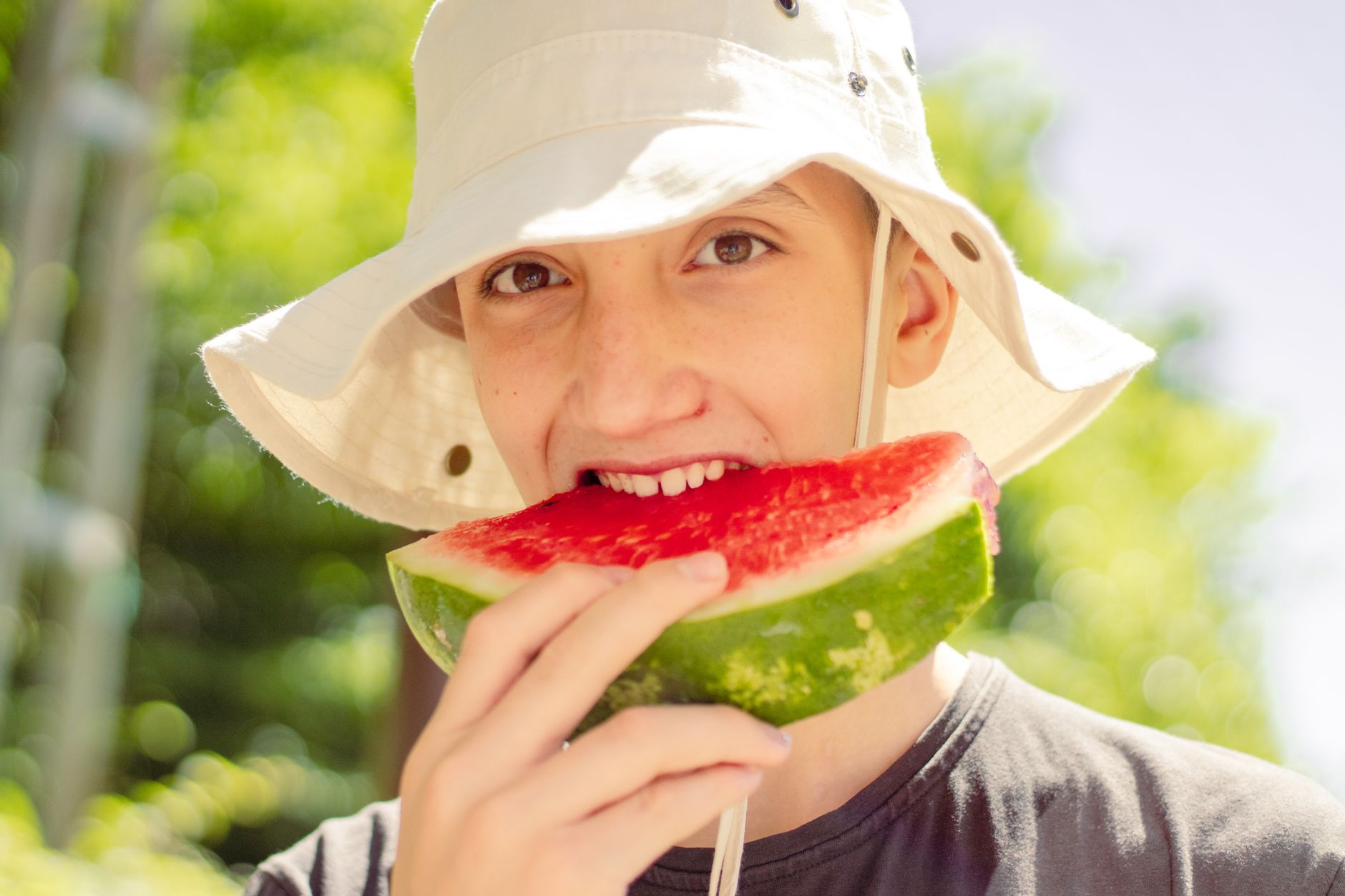
When you eat fresh watermelon, the flavor builds slowly as you chew. The water releases volatile compounds, and the sugar level is balanced (about 68g per 100g). In contrast, a watermelon candy flavor hits your tongue instantly with intense sweetness (often 7090g sugar per 100g) and a single aroma burst. That imbalance creates the classic fake taste. Many drink brands add citric acid to mimic the fruits acidity, but the mouthfeel remains thin and syrupy. Try a side-by-side taste test: a slice of cold watermelon vs. a watermelon jellybean. The difference is stark.
Common Misconceptions About Watermelon Flavor Taste
Is Artificial Watermelon Flavor Bad or Unsafe?
Nomost artificial flavors are approved by food safety authorities like the FDA and EFSA. They are chemically identical to natural compounds in many cases. However, the term artificial doesnt mean better or worse; it just means the flavor was created in a lab rather than extracted from fruit. For Halal-conscious consumers, the source of the flavor carrier (alcohol-based vs. vegetable-based) matters. Always look for certification from bodies like JAKIM or IFANCA on the label.
Why Do Watermelon Flavor Drinks Often Taste Sweeter or Overpowering?
Watermelon flavor drinks are formulated to stand out against ice, carbonation, or other ingredients. Manufacturers boost the flavor intensity by 3050% compared to fresh fruit, and add sweeteners (sugar, high-fructose corn syrup, or stevia) to compensate for the lack of natural juiciness. Some brands use natural flavor labels but still rely on synthetic enhancers like ethyl vanilla. The result is often cloying. Check the ingredients order: if sugar or syrup appears first, the drink will taste much sweeter than real watermelon.

How Can Watermelon Flavor Taste Be Improved in Artificial Products?
What Are Flavor Chemists Doing to Capture Real Watermelon Taste?
Flavor scientists are now using gas chromatography-olfactometry to identify trace compounds that were previously overlooked. Theyve discovered that adding a tiny amount of (Z)-6-nonenal (a melon-like aldehyde) and gamma-decalactone (peach-like) brings artificial watermelon closer to the real profile. Some companies are also experimenting with natural fermentation extracts to produce a more rounded flavor. However, cost remains a barrierthese compounds are expensive to synthesize or extract.
Are Natural or Clean Label Watermelon Flavors Better?
Natural watermelon flavors come from steam distillation of the fruit peel or pulp, but the yield is tiny (0.001% by weight). That makes them 1020 times more expensive than artificial versions. Clean label products often combine natural extracts with fruit juice concentrates to boost authenticity. For instance, brands like Snapples Watermelon Lemonade use watermelon juice concentrate as a first ingredientbut still add natural flavors to compensate. Your best bet is to look for products that list watermelon juice or watermelon puree near the top of the ingredient list.
How to Choose Watermelon Flavored Products That Taste Better
- Check the ingredient list: real juice or puree should be within the first three ingredients.
- Avoid products with artificial flavor alonelook for natural flavor with other natural flavors.
- Opt for freeze-dried watermelon snacks or fruit leathersthey retain more of the fresh taste.
- For drinks, choose those with less than 8g sugar per 100ml (similar to fresh watermelon).
- Consider Halal-certified optionsmany artificial flavors use alcohol as a solvent; certified brands use vegetable glycerin.
Pro Tips for Spotting Better Watermelon Flavor Products
Most people overlook the role of acidity. Real watermelon has a pH of 5.25.6mildly acidic. If a candy or drink tastes harsh or sour, it contains too much citric or malic acid. Cheap versions often add citric acid aggressively to fake freshness. One expert tip: look for watermelon flavor with other natural flavors on the labelthis often indicates a more complex blend. The biggest mistake buyers make is assuming natural flavor guarantees authenticity. It doesntit only means the flavor source is natural, but it might still be a single compound like ethyl butyrate from natural fermentation.
If you enjoy exploring flavor comparisons, you might also like our Halloween candy ranking or learn about caffeine in chocolate.
Is artificial watermelon flavor Halal?
Yes, it can be, but only if the flavor carrier (usually propylene glycol or ethanol) is Halal-compliant. Look for certification logos from JAKIM, HMC, or IFANCA. If the label doesnt show a logo, check the ingredients for natural flavors and call the manufacturer to confirm no alcohol-based solvents were used. Most reputable Halal candy brands use vegetable glycerin instead.
Why do some watermelon candies taste like cotton candy?
Many watermelon candies rely on ethyl methyl phenyl glycidate (a strawberry-candy chemical) because its cheaper than true watermelon compounds. That creates a pink, cotton candy-like profile. Brands targeting kids often use this shortcut to increase appeal.
Can I make watermelon flavor at home that tastes real?
Yes. Blend fresh watermelon, strain the juice, and reduce it by half over low heat. Add a pinch of salt and a drop of lemon juice. This syrup tastes much closer to the real fruit than store-bought extracts. Use it in drinks, desserts, or homemade candy.
Which watermelon-flavored products are closest to the real fruit?
Products with real watermelon juicelike Solimo Watermelon Juice Drink (1l) or Bonne Bell Watermelon Lip Smacker (not edible, but flavor is accurate)score high in taste tests. In confectionery, Albanese Watermelon Gummies use a blend of natural and artificial flavors that gets positive reviews.
Does the color of watermelon candy affect taste perception?
Absolutely. Bright red or pink colors create an expectation of strong, sweet flavor. If the taste doesnt match the color, consumers rate it lower. Many brands add red dye 40 and blue 1 to get that neon hue, even if the flavor is mild.
Why do some watermelon drinks leave a bitter aftertaste?
This is often caused by the preservative potassium sorbate (listed as sorbate) or by the artificial sweetener sucralose. When combined with citric acid, these can create a bitter metallic finish. Look for drinks with no preservatives or those sweetened with only fruit juice.
Is fresh watermelon better for you than watermelon-flavored products?
Yes. A 100g serving of fresh watermelon provides 30 calories, 8g sugar, and 0.6g fiber, plus vitamins A and C. Watermelon-flavored candies often contain 300400 calories per 100g, mostly from added sugar, and zero fiber. Drinks vary widelycheck the nutrition label.
Conclusion
The watermelon flavor taste is a complex illusionnatures subtle blend of water, sugar, and volatile chemicals is almost impossible to replicate with synthetic shortcuts. Next time you reach for a watermelon candy or drink, read the ingredient list carefully. Look for real juice, simple ingredients, and Halal certification. The real fruit is still your best bet, but understanding the science helps you pick products that come closer to that perfect slice of summer. What watermelon-flavored product surprised you recently? Share your experience in the comments below.
FAQs
Is watermelon flavor taste actually Halal — what should I check on the label?
Yes, it can be Halal if the flavor carrier (like propylene glycol or ethanol) is Halal-compliant. Always look for certification logos from JAKIM, HMC, or IFANCA. If no logo appears, check the ingredients for natural flavors and contact the manufacturer to confirm no alcohol-based solvents were used. Most reputable Halal candy brands use vegetable glycerin instead.
Why do some watermelon candies taste like cotton candy?
Many watermelon candies rely on ethyl methyl phenyl glycidate, a strawberry-candy chemical, because it is cheaper than true watermelon compounds. This shortcut creates a pink, cotton candy-like profile. Brands targeting kids often use this to increase appeal, sacrificing authenticity for taste.
Which watermelon-flavored products are closest to the real fruit?
Products with real watermelon juice, such as Solimo Watermelon Juice Drink or Bonne Bell Watermelon Lip Smacker (non-edible but accurate flavor), score highest in taste tests. In confectionery, Albanese Watermelon Gummies use a blend of natural and artificial flavors that receives positive reviews for closeness to fresh fruit.
How can I choose watermelon-flavored products that taste better?
Check the ingredient list: real juice or puree should be within the first three ingredients. Avoid products with only artificial flavors—look for natural flavor with other natural flavors. Opt for freeze-dried watermelon snacks or fruit leathers. For drinks, choose those with less than 8g sugar per 100ml and no harsh citric acid overload.
Is fresh watermelon better for you than watermelon-flavored products?
Yes. A 100g serving of fresh watermelon provides only 30 calories, 8g sugar, and vitamins A and C, plus fiber. Watermelon-flavored candies often contain 300–400 calories per 100g, mostly from added sugar, with zero fiber. Drinks vary widely, so always check the nutrition label for healthier choices.