Walking through the confectionery aisle can feel overwhelming. You see shiny wrappers, bold claims, and plenty of price tags. But when you want real quality, you turn to European chocolate brands. These names carry centuries of tradition, strict ingredient standards, and a taste that simply stands apart. Whether you are shopping for yourself or searching for a thoughtful gift, understanding what makes these chocolates special helps you choose wisely. Let‘s explore the top players, what to look for on the label, and how to enjoy them responsibly.
What Defines the Best European Chocolate Brands?
What makes European chocolate unique compared to others?
European chocolate stands out because of its higher cocoa butter content and strict origin rules. Many countries enforce quality standards for example, Belgian chocolate must contain at least 35% cocoa solids. Swiss chocolatiers pioneered conching, the process that creates that velvety smooth texture. The result is a cleaner, richer flavor with fewer additives. According to the European Cocoa Association, EU regulations limit the use of vegetable fats other than cocoa butter, keeping the product pure.
How to recognize luxury chocolate brands from Europe?
Luxury European chocolate brands often share certain traits: single-origin cocoa, minimal ingredients, and elegant packaging. Look for terms like bean-to-bar, grand cru, or couverture. Brands like Valrhona, Amedei, and Pierre Marcolini list origin and harvest year on their wrappers. The price tag reflects careful sourcing and small-batch production. If a chocolate bar has a long list of artificial flavors or fillers, its probably not premium.
Why are some European chocolates more expensive?
Cost comes from three main factors: cocoa bean quality, production time, and certification fees. Fine-flavor cocoa from specific regions (like Madagascar or Ecuador) costs three to four times more than bulk cocoa. Artisanal makers then conch the chocolate for 24 to 72 hours, which consumes energy and labor. Fair Trade and organic certifications add overhead. As one Swiss chocolatier told me, You pay for the craftsmanship, not just the cocoa.
Top European Chocolate Brands You Need to Try
Which are the most famous European chocolate brands?
Lindt (Switzerland) leads with its smooth melting truffles and wide availability. Godiva (Belgium) offers premium gift boxes with ganache-filled pralines. Valrhona (France) supplies many professional pastry chefs. Other key names include Toblerone (Switzerland), Milka (Germany), and Cadbury (UK). Each has a distinct style Lindt is creamy, Godiva is buttery, Valrhona is intensely fruity. You can find most of them in specialty stores or online retailers that ship halal-certified products.

What are the best European chocolates for daily indulgence?
For everyday eating, choose brands with a good balance of quality and price. Milka bars are affordable, creamy, and come in many flavors. Lindt Excellence bars offer high cocoa content without a luxury price tag. Cte dOr (Belgium) has intense dark chocolate at a reasonable cost. Remember to check the sugar content a typical 100g bar may contain 3040g of sugar. Enjoy a square or two, not the whole bar at once.
What are top luxury European chocolate brands for gifting?
When you need something special, consider Amedei (Italy), La Maison du Chocolat (France), or Neuhaus (Belgium). Amedeis Porcelana bar is made from rare wild cocoa and comes in a numbered box. La Maison du Chocolat offers truffles with fresh cream and butter. Neuhaus uses a secret family recipe for its praline shells. These brands invest in elegant packaging, making them ideal for birthdays, holidays, or business gifts.
How to Choose and Enjoy European Chocolate Responsibly
What are the health benefits and risks of eating European chocolate?
Dark European chocolate (70% cocoa or more) contains flavonoids that support heart health and may improve blood flow, according to a 2022 study in the Journal of Nutrition. However, the same chocolate also delivers 500600 calories per 100g, plus saturated fat and sugar. Overeating can lead to weight gain and blood sugar spikes. A reasonable serving is 2030g per day about two squares. Balance is key, especially for those managing diabetes or cholesterol.
How to identify authentic European chocolates in the market?
Fake or imitation products often use palm oil instead of cocoa butter, add hydrogenated fats, or mislabel origin. To spot fakes: read the ingredient list real European chocolate lists cocoa butter, sugar, and cocoa mass first. Watch for compound chocolate or chocolatey coating. Also, look for a clear Halal certification logo if that matters to you. A genuine European brand will have a contact address on the wrapper, not just a distributor.
How to store European chocolates to maintain quality?
| Do | Dont |
|---|---|
| Store at 1820C (6568F) | Refrigerate unless necessary |
| Keep in a dark, dry cupboard | Expose to sunlight or heat |
| Seal tightly after opening | Leave open near strong odors |
| Consume within 1218 months | Freeze chocolate with fillings |
Chocolate can last 1218 months if stored properly. If you see a white bloom on the surface, its fat or sugar rising still safe to eat, but the texture may be grainy. Keep the bar away from onions, spices, and coffee, as chocolate absorbs odors easily.
Buyers Checklist: What to Look for on a European Chocolate Label
| Certification | Price Range | Common Formats | Shelf Life | Key Allergens |
|---|---|---|---|---|
| Halal (JAKIM, IFANCA, HMC) | $3$15 per 100g | Bars, truffles, spreads, drinking chocolates | 1218 months unopened | Milk, soy, nuts, gluten (in some flavors) |
| Fair Trade / Rainforest Alliance | $4$20 per 100g | Single-origin bars, gift boxes | 1824 months | Milk, soy, tree nuts |
| Organic (EU Organic, USDA) | $5$25 per 100g | Dark chocolate, raw chocolate | 1218 months | May contain traces of milk |
| Direct Trade / Bean-to-Bar | $8$30 per 100g | Limited edition bars, 70%+ cocoa | 12 months | Often nut-free facilities |
When reading the label, check the ingredient order: cocoa mass, sugar, cocoa butter, and possibly emulsifier (soy lecithin). Avoid brands that list vegetable oil before cocoa butter. For halal assurance, look for a certified logo as defined by JAKIM or IFANCA standards not just a generic no alcohol claim.
Expert Tips for Chocolate Lovers and Collectors
How to pair European chocolates with drinks or foods?
Match dark chocolate (7085% cocoa) with red wine like Cabernet Sauvignon or a robust espresso. Milk chocolate pairs well with oaked Chardonnay or a creamy latte. White chocolate works best with light teas or champagne. For cheese, try dark chocolate with aged Gouda or blue cheese the bitterness cuts through the fat. You can also use high-quality couverture for baking; it melts more evenly than regular chocolate.
How to start your own European chocolate collection?
Begin with three categories: a Swiss milk chocolate (like Lindt), a Belgian dark (Cte dOr or Godiva), and a French single-origin (Valrhona or Bonnat). Taste them side by side. Note the texture, sweetness, and finish. As you grow, look for limited-edition seasonal bars from Amedei or Pralus. Store them in a cool, dark place, and keep a journal of your tasting notes. Many collectors join online groups to swap reviews and find rare batches.
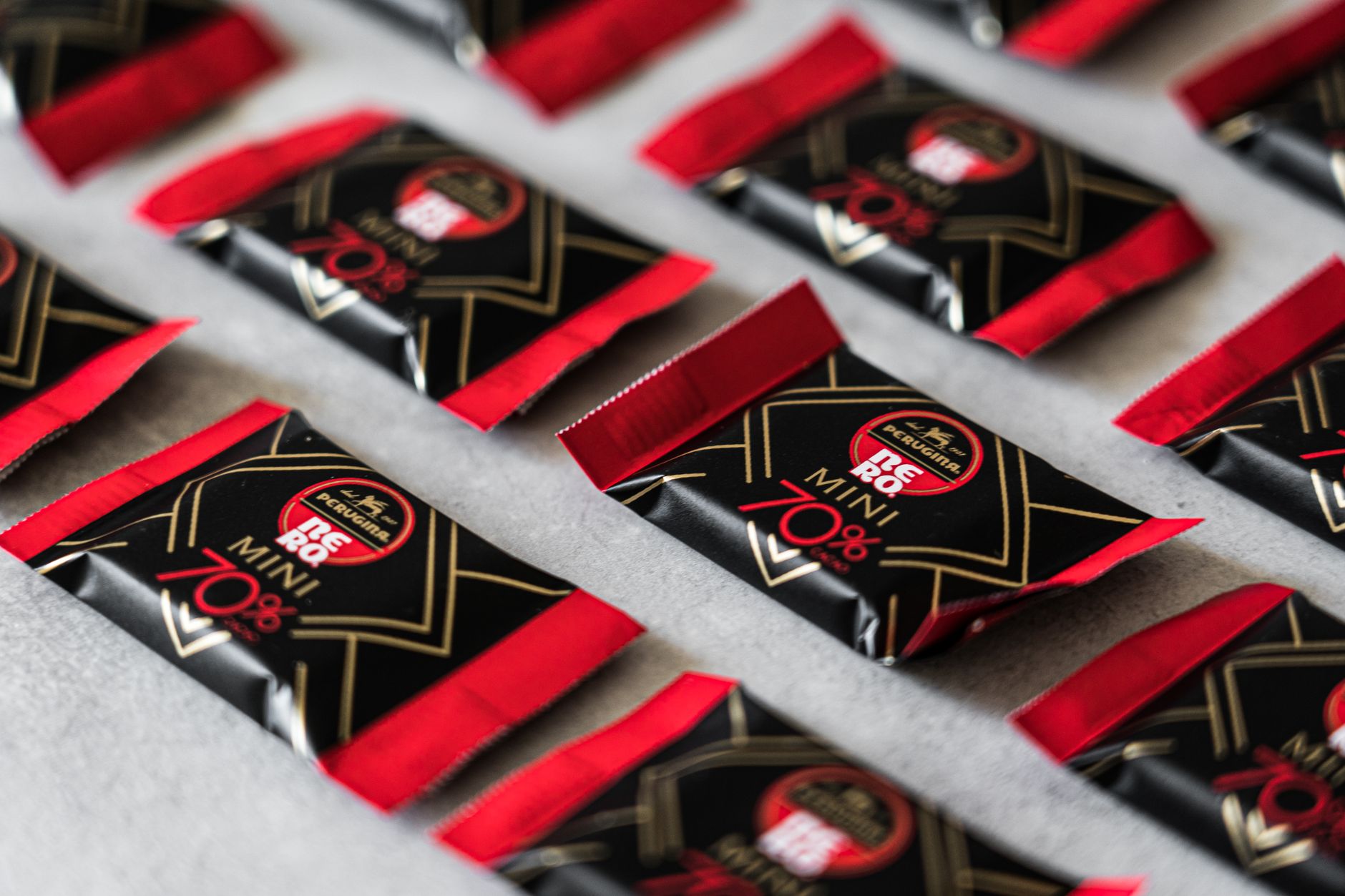
Most overlooked buying mistake
Many shoppers assume a higher cocoa percentage always means better quality. That is not true. A 70% bar from a mass producer may taste bitter and chalky, while a 50% bar from a craft maker can be smooth and fruity. Always check the brands reputation and the bean origin first. Cheap versions disappoint because they use lower-grade cocoa and add extra sugar to mask harsh flavors.
Is European Chocolate Actually Halal What Should I Check?
Is European chocolate actually Halal what should I check?
Not all European chocolate is Halal. Some brands use alcohol-based flavorings (like vanilla extract) or emulsifiers from non-Halal sources. Also, white chocolate and milk chocolate may contain whey from non-zabihah animals. Always look for a recognizable Halal certification from a trusted body such as JAKIM, IFANCA, or HMC. If the label only says suitable for vegetarians, that does not guarantee Halal. When in doubt, contact the manufacturer directly or choose a brand that explicitly states Halal-certified on the package.
How can I tell if a European chocolate brand uses alcohol?
Read the ingredient list carefully. Alcohol may appear as ethyl alcohol, flavoring (if not otherwise specified), or spirits in filled chocolates. Some liqueur-filled chocolates obviously contain alcohol avoid those. Dark chocolate from most mainstream brands (Lindt, Milka, Cadbury) typically does not contain added alcohol, but always verify. Brands that offer halal-certified versions often publish a list on their website.
Which European chocolate brands are safest for people with nut allergies?
None can be guaranteed nut-free unless specifically labelled. Many European facilities process milk and tree nuts on the same lines. Risk varies by brand: Lindt and Godiva openly state they may contain traces of nuts. Some smaller artisanal makers (like Chocolat de Kat) claim dedicated nut-free lines but you still need to check each batch. If your allergy is severe, contact the manufacturer directly before purchasing.
What is the best way to melt European chocolate for baking?
Chop the chocolate into uniform pieces. Use a double boiler or a microwave at low power (30-second intervals, stirring each time). Never let water touch the chocolate even a drop can cause seizing. Heat to 4548C (113118F) for dark chocolate, then cool to working temperature. For a glossy finish, temper the chocolate by seeding with unmelted pieces. This takes practice but yields professional results.
Can I freeze European chocolate to extend its shelf life?
Yes, but only if the chocolate is plain (no fillings) and tightly wrapped. Freezing can cause condensation, leading to sugar bloom. To minimize risk, seal the bar in a vacuum bag or double-wrap it in plastic and foil. Thaw in the refrigerator overnight, then bring to room temperature before opening. Expect some texture change. Never freeze chocolate with cream or fruit fillings they will separate.
Why do some European chocolate bars have a sour taste?
Sourness usually indicates under-fermented cocoa beans or improper storage. High-quality European makers carefully select and ferment beans to develop balanced acidity. A slight fruity tang is normal for single-origin bars from Madagascar or Tanzania. But if the sourness is sharp or unpleasant, the batch may be defective. Avoid buying bars that have bloom or expy dates more than two years away older chocolate can turn acidic.
What is the difference between Belgian and Swiss chocolate?
Belgian chocolate traditionally uses a high percentage of cocoa butter, giving it a melt-in-the-mouth texture. It often contains more milk solids, resulting in a creamier profile. Swiss chocolate is famous for its extra-smooth finish due to conching for 24 hours or longer. Swiss makers also tend to use higher cocoa content for their dark varieties. Both are excellent; your choice depends on whether you prefer creamy richness (Belgian) or silky intensity (Swiss).
More You Might Like
If you enjoyed this guide, you might also appreciate our article on chewing gum brands a deep dive into ingredients, sugar content, and halal options for fresh breath. Another helpful read is our review of white chocolate brands, where we compare cocoa butter content and flavour profiles across Europe.
Conclusion
Exploring European chocolate brands opens up a world of rich flavours, careful craftsmanship, and honest ingredients. Whether you pick a Swiss smooth bar or an intense Belgian dark, you are choosing a product built on tradition. Always check the label for halal certification, cocoa percentage, and additive list. Next time you shop, take an extra minute to read the fine print your taste buds and your health will thank you. What is your favourite European chocolate brand? Share your thoughts in the comments below.
FAQs
Is European chocolate brands actually Halal — what should I check on the label?
Not all European chocolate is Halal. Some use alcohol-based flavorings or non-zabihah whey. Look for a recognized Halal certification logo (e.g., JAKIM, IFANCA, HMC) on the package. Avoid relying solely on “suitable for vegetarians”. If unsure, contact the brand or choose a certified line.
How long does European chocolate last after opening the package?
Once opened, properly stored European chocolate stays fresh for 12–18 months. Keep it in a sealed container at 18–20°C (65–68°F) away from light and strong odors. If bloom appears (white spots), it’s safe but texture may change. Refrigeration is not recommended unless necessary.
What is the main difference between Belgian and Swiss chocolate?
Belgian chocolate has a higher cocoa butter content, giving a creamy, melt-in-mouth texture. Swiss chocolate is known for extra-smooth texture due to longer conching (24+ hours). Belgian leans creamy, Swiss leans silky intense. Both are premium but suit different taste preferences.
Is it safe to eat dark European chocolate every day?
Yes, in moderation. Dark chocolate with ≥70% cocoa offers heart-friendly flavonoids, but it’s also high in calories and saturated fat. Stick to 20–30g (about 2 squares) per day. Monitor sugar intake (30–40g per 100g bar) and consult a doctor if you have diabetes or cholesterol concerns.
Where can I buy authentic European chocolate brands?
You can find them in specialty confectionery stores, upscale supermarkets, and online retailers that offer halal-certified products. Look for official brand websites or authorized distributors. Check for clear certification marks and a manufacturer contact address on the wrapper to avoid imitations.