Rendering beef fat is a simple way to create rich, flavorful beef tallow that adds depth to your cooking. Using a slow cooker makes this process effortlessset it up and return hours later to find beautifully rendered fat ready to use. Whether you‘re curious about how to repurpose beef trimmings or want to explore healthier cooking fats, learning how to render beef fat this way is a game changer for your kitchen.
Beef Tallow Benefits
What Is Beef Tallow and Why Use It?
Beef tallow is the clean, purified fat rendered from beef. It has been used for centuries in both cooking and skincare. Rich in saturated fats, tallow boasts a high smoke pointaround 400F (204C)which makes it excellent for frying and roasting. It imparts a velvety, beefy flavor that elevates simple dishes like roasted potatoes, baked goods, and even crispy fried snacks.
Historically, tallow was a staple fat before modern vegetable oils became popular. Today, chefs and health-conscious home cooks appreciate tallow for its natural composition and stability when heated. As per USDA FoodData Central, 100 grams of beef tallow contains roughly 884 calories and zero carbohydrates or proteins, making it a pure fat source that complements low-carb or ketogenic diets.
Health Considerations: Benefits and Risks of Cooking Beef Fat
Beef tallow contains mostly saturated fats, which are sometimes viewed with caution. Yet, recent studies show moderate consumption of such fats within a balanced diet does not necessarily increase heart disease risk, especially when you choose high-quality, unprocessed fats.
The high smoke point means tallow doesnt break down easily under heat, reducing harmful free radicals compared to some vegetable oils. It also contains fat-soluble vitamins like A, D, E, and K in small amounts.
On the flip side, overconsumption of saturated fat can raise cholesterol levels. So, its best to enjoy beef tallow as part of a diverse, nutrient-rich diet. For Halal-conscious consumers, always check for Halal meat sources and certifications like JAKIM or HMC to ensure the rendering fat is ethically sourced.
Expert Insight
Nutritionists advise using tallow sparingly while culinary experts praise its versatility. Chef Monique from a popular Halal kitchen says, Rendered beef fat is a pantry secret for deep flavor and perfect crispness. Just remember, quality raw fat makes all the difference.
Rendering Beef Fat Step-by-Step
What Type of Beef Fat Should You Use?
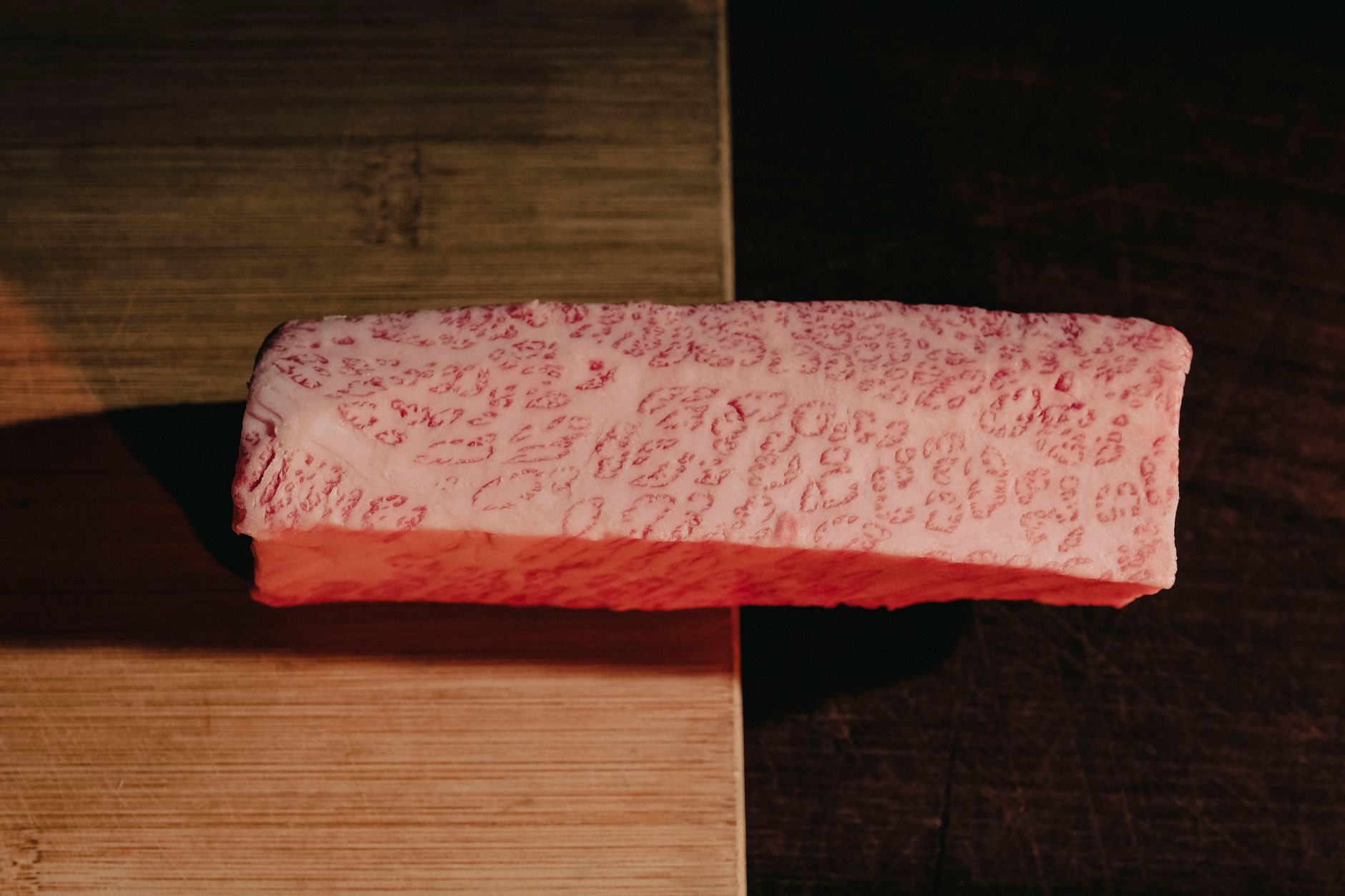
If you want to render beef fat, start with suet or trimmings from cuts like brisket, chuck, or fat caps from roast cuts. Suet is the hard fat found around the kidneys and loins and yields clean, pure tallow. When shopping, choose trims that are fresh, white to pale cream in color, and free of any crazy odors.
Local butchers often sell suitable fat byproducts, and picking fat from Halal-certified suppliers can guarantee standards that meet Islamic dietary laws.
Preparing Your Beef Fat for Rendering
Begin by chilling the fat so it firms up, making it easier to cut. Using a sharp knife, trim off any residual meat or blood spots. Cut the fat into small cubes, about 1-inch pieces, to maximize surface area. This helps the fat melt evenly in the slow cooker without burning or sticking.
Step-by-Step Slow Cooker Rendering Process
- Place Fat Cubes in Slow Cooker: Fill the slow cooker insert with the beef fat cubes, spreading evenly.
- Set Temperature to Low: Choose the LOW setting, usually around 200F (93C), ideal for slow, gentle melting.
- Cook for 6-8 Hours: Let the fat gradually melt. Stir every 1-2 hours to promote even rendering and prevent sticking.
- Visual Cues: When most of the fat has liquified and pieces of cracklings (solid residue) are light golden and crispy, rendering is complete.
- Strain the Liquid Tallow: Using a fine mesh or cheesecloth-lined colander, pour the hot fat into a heatproof container, separating out the cracklings.
- Cool and Store: Let the tallow cool to room temperature before sealing the container.
| Step | Temperature Setting | Time Required | Notes |
|---|---|---|---|
| Start Rendering | Low (200F / 93C) | 6-8 hours | Stir every 1-2 hours |
| Optional Quick Render | High (300F / 149C) | 3-4 hours | Monitor closely to avoid burning |
Real Experience
Many new cooks wonder why the fat doesn‘t liquify quickly. The key is patienceslow, low heat prevents burnt flavors. Also, some beef fat may have connective tissue that takes longer to render. If you notice thick solids, just keep stirring gently and extending the time.
Tallow Uses and Storage
How to Store Rendered Beef Tallow Safely
Once strained, beef tallow sets solid at room temperature with a creamy white appearance. Store it in airtight glass jars or food-grade containers. At room temperature, tallow can keep up to 3 months in a dark, cool spot. Refrigeration extends shelf life to 6 months, while freezing can preserve tallow for over a year without flavor loss.
Always use clean utensils to scoop tallow to avoid contamination. If you spot discoloration or off odors, it has likely spoiled and should be discarded.
Cooking with Beef Tallow: Dos and Don‘ts
Tallow shines for frying because of its rich flavor and stability. Use it to fry potatoes, season your cast iron pans, or enhance savory baked goods. However, avoid overheating beyond its smoke point to prevent bitterness. Start with a moderate temperature, around 375-400F. Remember, the purer the fat, the cleaner the flavor.
Try frying homemade chicken fingers in beef tallow for a crispy, tender finish imbued with natural beefy aroma. If you like baking, swap butter or shortening for tallow in biscuit recipes it produces a flakier, golden crust.
Simple Beef Tallow Recipe to Try
| Prep Time | Cook Time | Total Time | Servings | Calories (per serving) | Diet |
|---|---|---|---|---|---|
| 10 minutes | 25 minutes | 35 minutes | 4 | 220 | Halal, Gluten-Free |
Beef Tallow Roasted Potatoes
- 4 medium potatoes, cubed
- 3 tbsp rendered beef tallow
- 1 tsp garlic powder
- 1 tsp smoked paprika
- Salt and freshly ground pepper, to taste
Instructions:
- Preheat oven to 400F (204C).
- Toss potato cubes with beef tallow, garlic powder, paprika, salt, and pepper until evenly coated.
- Spread potatoes on a baking sheet in a single layer.
- Roast for 20-25 minutes, flipping halfway, until golden and crispy.
- Serve hot, enjoy the rich, savory flavor.
Troubleshooting Rendering Issues
Why Does My Beef Fat Smell or Taste Off?
A rancid or sour smell usually means the fat was old or improperly stored before rendering. Always use fresh fat from trusted suppliers. Poorly cleaned fat with leftover meat scraps can also spoil the flavor during cooking.
How to Fix Grainy or Cloudy Tallow
Graininess occurs when fat cools too quickly or contains impurities. Reheat gently and strain again through fine cheesecloth. For crystal-clear tallow, a second pass of rendering helps remove solids.
What To Do If Your Slow Cooker Overheats
Slow cookers vary in heat output. If your cooker exceeds low settings and scorches the fat, try stirring more often or switching to a more reliable slow cooker model. Alternatively, use a double boiler method for smaller amounts.
When is the best time to eat or cook with rendered beef fat?
Rendered beef fat is best used in cooking at any time when you want to add rich flavor and crispiness. It works perfectly for high-heat frying, roasting, or seasoning pans. Use within a day or two after opening for freshest taste, or store well for months.
Is rendered beef fat actually Halal what should I check?
To confirm your beef fat is Halal, ensure its sourced from certified Halal meat suppliers verified by bodies like JAKIM, HMC, or IFANCA. Look for the Halal certification logo on packaging or ask your butcher directly to avoid cross-contamination with non-Halal meat.
Can I render other animal fats the same way?
Yes, the slow cooker technique works for other suet or fat types, such as lamb or chicken fat. Each produces a unique flavor and smoke point, so adjust cooking temps slightly depending on fat type.
How do I know when the tallow is fully rendered?
When the liquid fat is clear with no cloudy or milky bits and the solids at the bottom are golden and crisp, rendering is complete. The fat should pour easily and cool into solid white blocks.
What containers are best for storing beef tallow?
Glass jars with airtight lids are ideal since they‘re non-reactive and durable. Plastic containers designed for food storage work but avoid thin or unsealed types to prevent rancidity.
Can I use beef tallow for skincare?
Yes, traditional skincare uses beef tallow for its moisturizing properties. Use only clean, unseasoned tallow and patch test first. Many prefer to mix it with essential oils for added benefits.
Is homemade rendered fat better than store-bought?
Homemade tallow often has a fresher, purer flavor without added preservatives compared to commercial versions. Rendering at home also lets you control fat quality and source, important for both health and Halal assurance.
Pro Tips for Rendering Beef Fat Perfectly
- Use chilled fat: Slightly frozen fat cubes render more evenly and reduce stuck bits.
- Dont rush the process: Low and slow heat preserves flavor and keeps the tallow clear.
- Save the cracklings: Use crunchy rendered bits as a snack or salad topping for extra texture and flavor.
- Store properly: Label containers with date rendered and rotate stock to maintain freshness.
For cooking inspiration beyond beef tallow, try juicy techniques for a perfect blue rare steak.
More You Might Like
- Discover how choosing quality Halal meat impacts your cooking and health.
- Explore traditional recipes that use rendered fats for authentic flavor and richness.
Rendering beef fat in a slow cooker gives you an easy way to enjoy flavorful, versatile beef tallow. Try this method with Halal-certified fat sources for a trusted, quality product. Once you make your own tallow, experiment with frying or baking to experience the full culinary benefits. If you have any tips to share or questions, feel free to leave a comment below!
FAQs
When is the best time to eat or cook with rendered beef fat?
Rendered beef fat is best used in cooking whenever you want to add rich flavor and crispiness. It works great for frying, roasting, and pan seasoning. Use it within a day or two after opening for optimal freshness, or store it properly to enjoy for months.
How long does rendered beef fat last after opening?
Stored in an airtight container, rendered beef fat lasts about 3 months at room temperature in a cool, dark place. Refrigeration can extend the shelf life to around 6 months, while freezing preserves it for over a year without losing flavor.
What is the difference between rendered beef fat and other cooking fats?
Rendered beef fat, or tallow, has a higher smoke point and richer flavor compared to many vegetable oils or butter. It contains mostly saturated fats, making it stable at high heat and ideal for frying. Unlike many common fats, it is free from carbohydrates and proteins.
Is it safe to consume rendered beef fat daily?
Moderate consumption of rendered beef fat is safe within a balanced diet. It is mostly saturated fat but recent studies show it poses minimal heart risk when eaten in moderation. Choose high-quality, unprocessed tallow and use it as part of diverse meals.
Where can I buy quality beef fat for rendering?
Quality beef fat can be purchased from local butchers, Halal-certified meat suppliers, or specialty stores. Always check for freshness, a clean pale appearance, and proper Halal certification to ensure ethical sourcing and good quality.