Swapping one sugar for another sounds simple, but it can ruin a recipe if you don‘t understand the differences. Brown sugar brings moisture and a deep caramel flavor, while white sugar delivers clean sweetness and crisp texture. Knowing when and how to use sugar substitution correctly keeps your baked goods tender, your sauces balanced, and your results consistent every time. Let‘s break down exactly what changes when you swap them.
Understanding the Key Differences
What Is Brown Sugar and How Is It Made?
Brown sugar is white sugar with molasses added back in. The molasses content ranges from 3.5% (light brown) to 6.5% (dark brown). This small addition changes everything: it adds moisture, acidity, and a rich, toffee-like flavor. Commercial brown sugar is made by mixing refined white sugar with cane molasses, then drying it to a specific grain size. Because molasses is hydroscopic, brown sugar retains moisture and keeps baked goods soft and chewy.
What Is White Sugar and How Does It Differ?
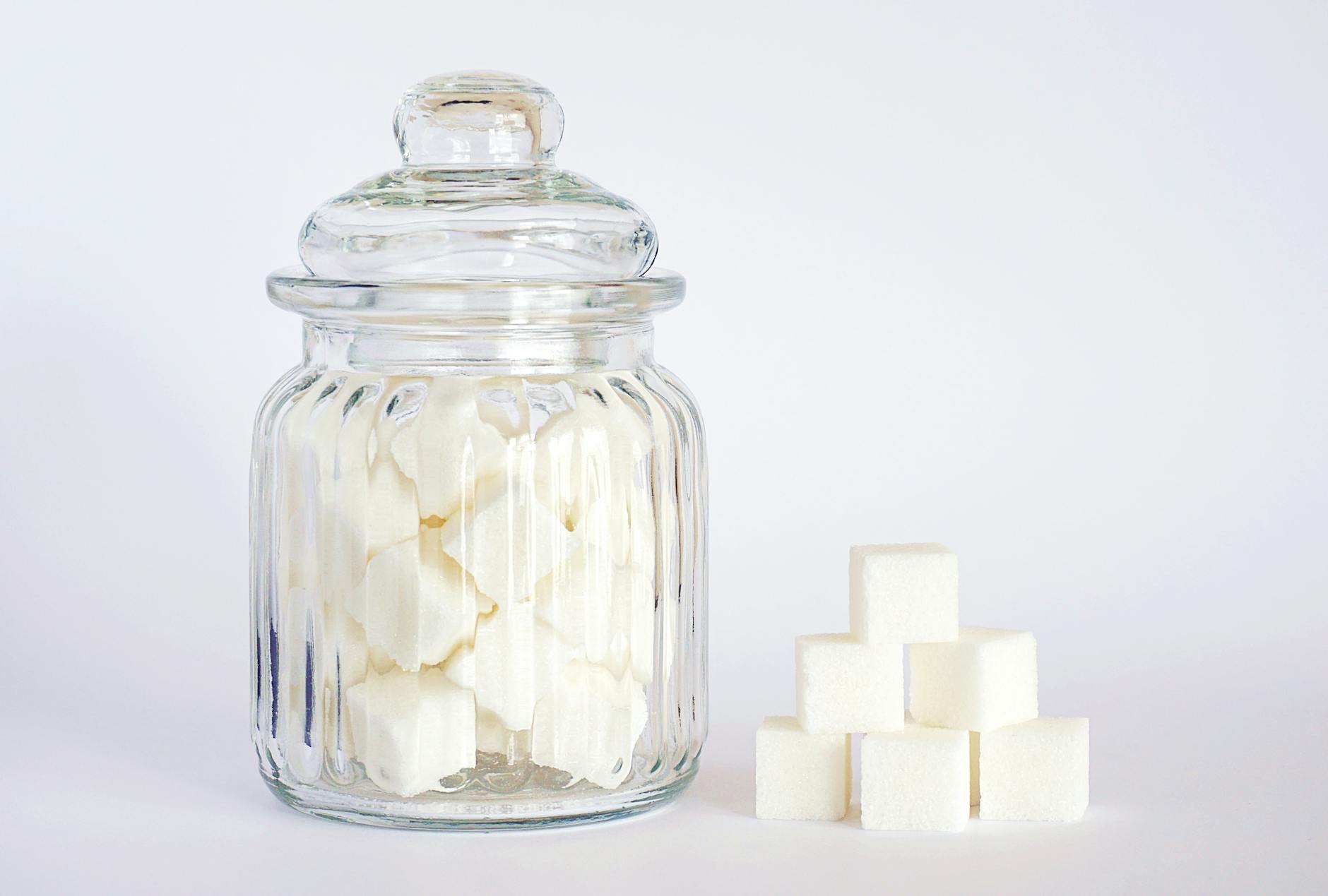
White sugar (granulated sugar) is pure sucrose, refined to remove all molasses. It has no moisture, no acidity, and a neutral flavor. White sugar crystals are larger and more angular than brown sugar, which affects how they cream with butter and how they dissolve in batters. According to the USDA FoodData Central, white sugar contains 99.8% sucrose and virtually no minerals, while brown sugar provides small amounts of calcium, potassium, and iron from molasses.
Flavor and Texture Impact in Baking and Cooking
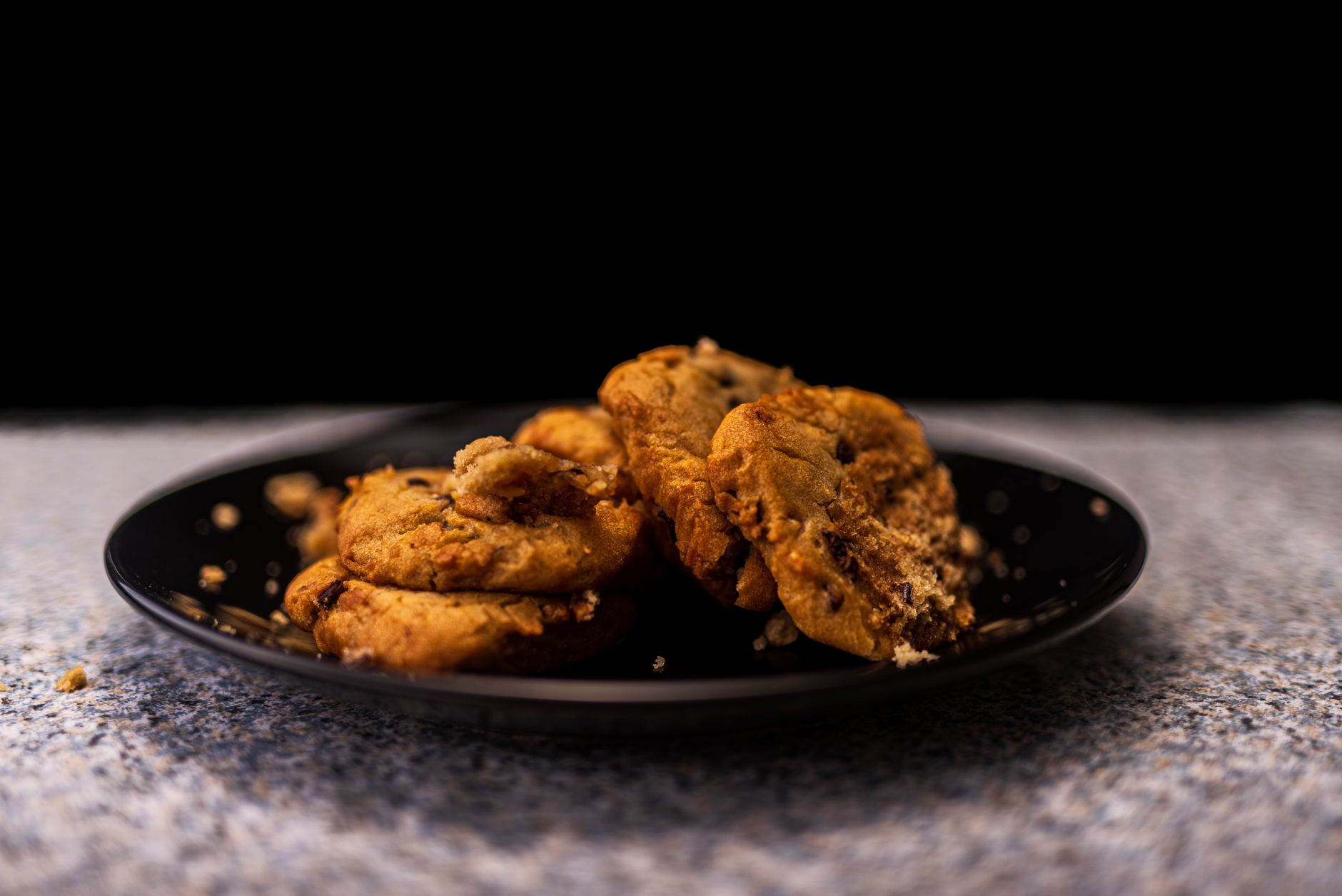
Brown sugar adds depth to cookies, cakes, and glazes. Its molasses content reacts with baking soda to produce carbon dioxide, which helps with leavening and browning. White sugar, being neutral, lets other flavors shine ideal for delicate cakes, meringues, and candies. The moisture in brown sugar yields softer, denser textures; white sugar creates crisper edges and lighter crumb. A classic example: chocolate chip cookies made with all brown sugar turn out soft and chewy, while cookies made with all white sugar spread thin and become crispy.
How to Substitute Sugar Types Without Losing Quality
Know that a 1:1 swap works most of the time, but expect changes
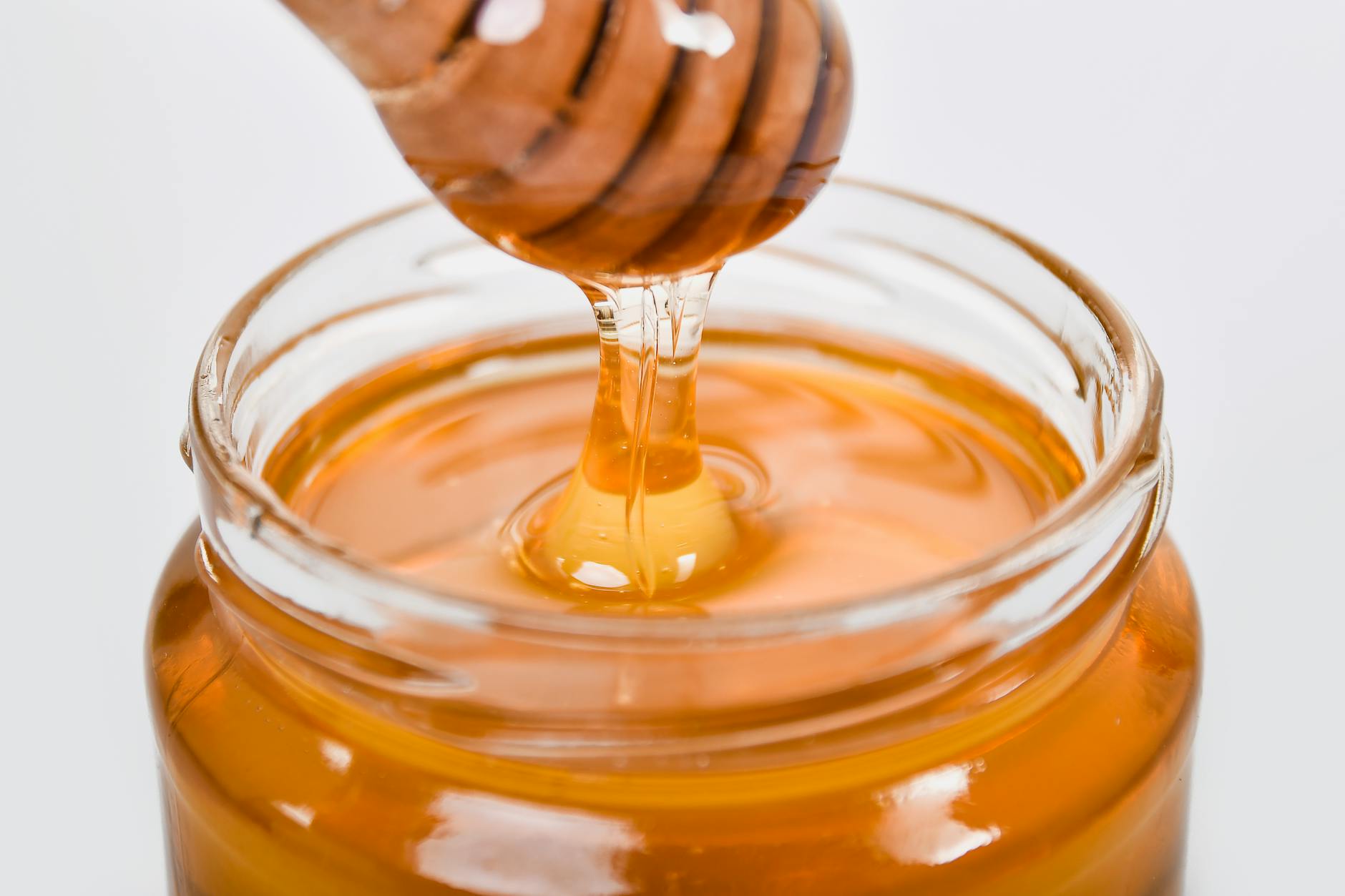
When you substitute brown sugar for white sugar at a 1:1 ratio, the flavor goes deeper, the texture becomes moister, and the color darkens. The opposite swap white for brown results in a drier, less flavorful end product. For recipes where moisture is critical (like moist banana bread or sticky toffee pudding), avoid replacing brown sugar entirely with white. A workaround: add 1 to 2 tablespoons of molasses or honey per cup of white sugar to mimic brown sugar‘s effect. If you need to ripen bananas faster for a substitution recipe, a quick trick can help you get them ready in minutes.
Adjusting Recipes When Substituting: Tips and Tricks
If you swap sugars, adjust your liquids. Brown sugar adds moisture, so reduce other liquids by 1 to 2 tablespoons per cup when using it as a substitute. For white sugar substitutions, increase liquid slightly. Baking time may also shift: brown sugar batters tend to brown faster, so check 23 minutes early. For stovetop sauces, brown sugar dissolves slower and can create a thicker consistency. Always taste and adjust spices the molasses in brown sugar can mute delicate flavors like vanilla or cinnamon.
Alternative Sugar Substitutes to Consider
Coconut sugar works as a 1:1 swap for brown sugar, with a similar moisture content and low glycemic index. Maple sugar offers a distinct smoky sweetness use it in place of white sugar but reduce liquid by 1 tablespoon per cup. Honey is 20% water and sweeter than sugar, so reduce other liquids by cup and lower the oven temperature by 25F to prevent over-browning. For Halal-conscious consumers, note that some refined white sugars are processed with bone char (a non-Halal substance). Look for certified brands with logos from JAKIM, IFANCA, or HMC to ensure purity.
When and Why to Choose One Sugar Over the Other
Flavor Goals When Brown Sugar Makes Sense
Choose brown sugar when you want depth: molasses cookies, barbecue sauces, baked beans, gingerbread, and caramel-based desserts. The acidity in molasses also tenderizes gluten, which gives cakes a finer crumb. If a recipe calls for "packed brown sugar," press it firmly into the measuring cup to eliminate air pockets that ensures the correct moisture ratio.
White Sugar in Recipes When Simplicity Is Key
White sugar is essential for items where color and texture matter: meringues, angel food cake, white buttercream, fruit preserves, and simple syrups. It dissolves cleanly, caramelizes at a higher temperature, and does not alter the color of light batters. For macarons, only white sugar will give you the smooth, shiny shell you need.
Nutritional and Health Considerations
Brown sugar contains slightly more minerals than white sugar, but the differences are minimal you would need to eat several cups to see any benefit. Both have about 15 calories per teaspoon. The glycemic index of brown sugar (64) is similar to white sugar (65). For Halal-friendly baking, the bigger concern is processing. Unrefined sugars like jaggery or muscovado are naturally molasses-rich and typically Halal, but always check the label for certification.
Common Questions About Sugar Substitution
Is brown sugar actually Halal what should I check?
Plain brown sugar is made from refined white sugar and molasses, both of which are inherently Halal. However, the white sugar used as a base may have been filtered through bone char (from non-Halal slaughtered animals). To be safe, look for certification from bodies like JAKIM, IFANCA, or HMC. Many organic or vegan-labeled brown sugars skip bone char entirely. If the package does not state a certification, contact the manufacturer directly.
Does brown sugar make baked goods chewier than white sugar?
Yes. The molasses in brown sugar attracts and holds moisture, creating a softer, denser, and chewier texture. White sugar encourages spread and crispness. For cookies, using all brown sugar results in a thick, almost fudgy center; using all white sugar yields thin, crispy edges. A 50/50 blend gives you the best of both worlds: a chewy center with lightly crisp edges.
Can substituting sugar affect cooking time?
It can. Brown sugar promotes faster browning due to the Maillard reaction with molasses. If you substitute brown sugar for white in a cake or cookie recipe, check for doneness 23 minutes earlier than the original time. The reverse swap (white for brown) may require an extra 2 minutes of baking. Always use a toothpick test or internal temperature to confirm.
How does sugar substitution affect caramelization and browning?
Brown sugar caramelizes at a slightly lower temperature than white sugar because the molasses contains reducing sugars that brown quickly. This means baked goods with brown sugar will darken faster. For stovetop caramels, brown sugar gives a deeper color and richer flavor, while white sugar produces a clean, light amber. If you want a light golden crust, stick with white sugar.
What‘s the best type of sugar to use for specific recipes?
Here is a quick guide:
| Recipe Type | Recommended Sugar | Why |
|---|---|---|
| Chocolate chip cookies | 50% brown, 50% white | Chewy center, crispy edges |
| Angel food cake | White sugar only | Needed for height and texture |
| Barbecue sauce | Brown sugar | Depth and stickiness |
| Meringue | White sugar | Dissolves completely, stable peaks |
| Banana bread | Brown sugar | Moisture and rich flavor |
| Simple syrup | White sugar | Neutral, clear syrup |
Can I substitute powdered sugar for granulated in a recipe?
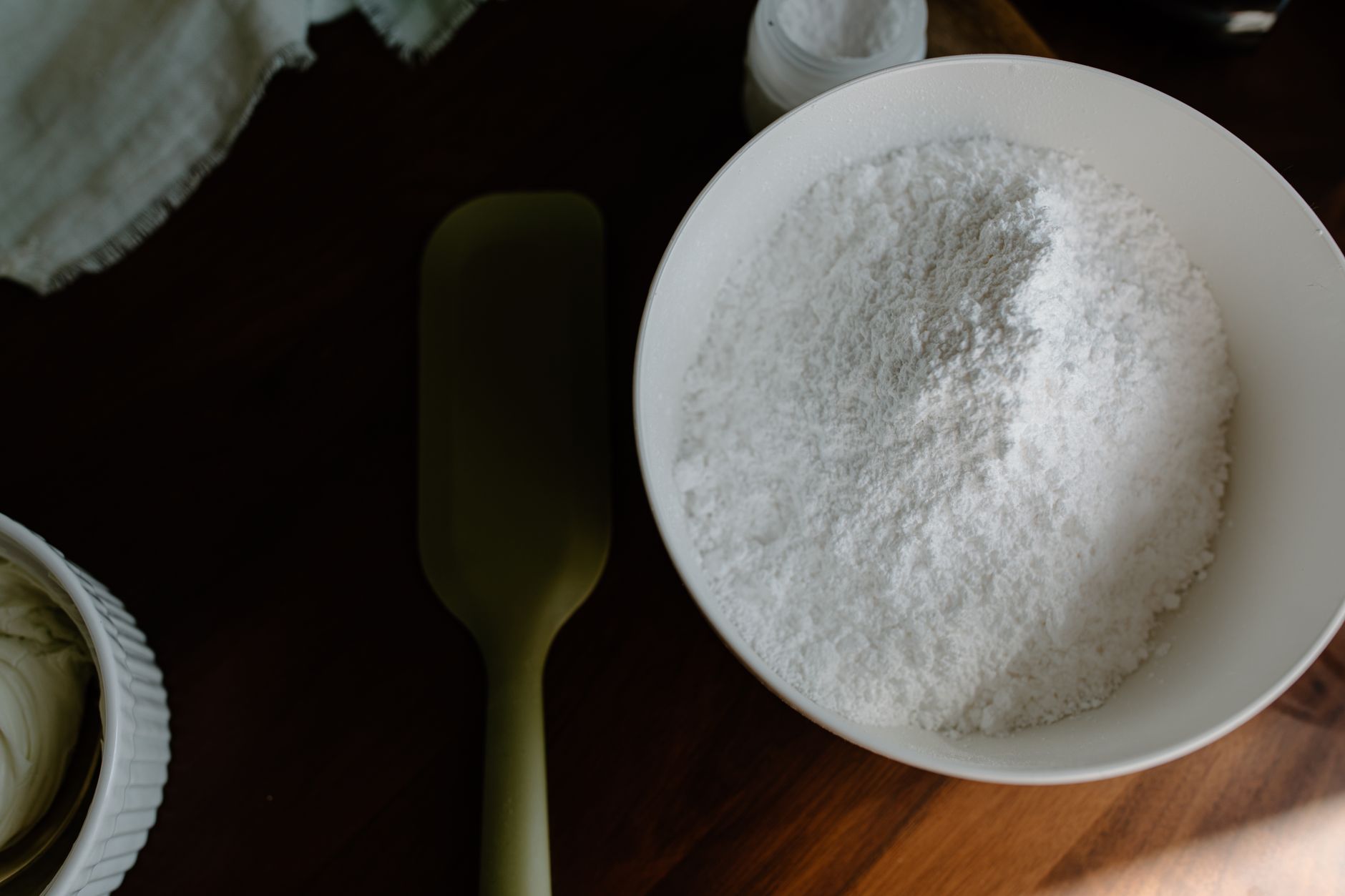
Not directly. Powdered sugar contains cornstarch (about 3%) and is much finer. Substituting it for granulated will change texture and sweetness. For frostings and glazes, powdered sugar is ideal. If you need to replace granulated sugar with powdered, use 1 cups powdered for every 1 cup granulated, and reduce liquids in the recipe by 12 tablespoons to account for the cornstarch.
Does sugar substitution work in yeast doughs?
Yes, but with caution. Both brown and white sugar feed yeast, but brown sugar‘s acidity can slightly slow fermentation. In bread recipes, using brown sugar adds a subtle caramel note and helps the crust brown. Reduce the water by 1 tablespoon per cup of brown sugar used, since the molasses brings extra moisture. For enriched doughs like brioche, brown sugar works beautifully.
What‘s the easiest way to soften hardened brown sugar for substitution?
Place the hardened brown sugar in a microwave-safe bowl, cover with a damp paper towel, and microwave on high for 20 seconds. Fluff with a fork. Alternatively, place a slice of fresh bread in the bag overnight. For a faster option, grate the block on a box grater it will measure accurately. Never add extra liquid to soften it; that changes the moisture ratio.
Pro Tips for Better Sugar Substitution
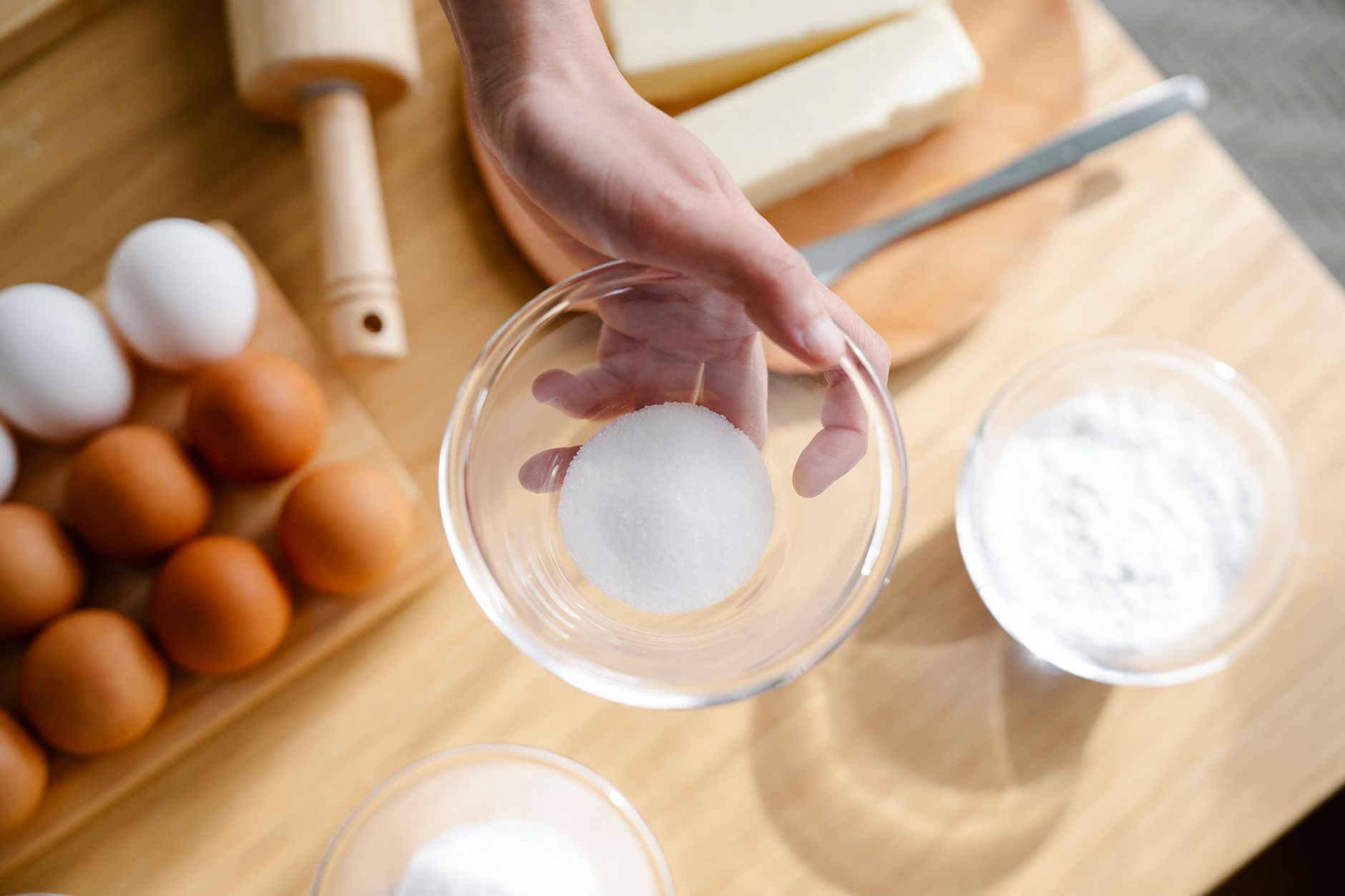
Most home cooks overlook the impact of sugar type on leavening. Brown sugar is slightly acidic, which reacts with baking soda to create lift. If you swap white for brown in a recipe that uses baking soda, add teaspoon of lemon juice or vinegar per cup of white sugar to restore acidity. Another common mistake: using dark brown sugar when light is called for. Dark brown has more molasses and can overpower delicate flavors like vanilla. Stick to light brown unless you want a bold molasses taste. Expert upgrade: toast your white sugar in a dry pan until it turns light amber (about 5 minutes on medium heat) to create a DIY "brown" sugar flavor without adding moisture great for dry rubs and shortbread.
When you use parchment paper microwave for reheating baked goods that contain substituted sugars, make sure you follow safety guidelines to avoid burning or sticking.
More You Might Like
Check out our guide on how to ripen bananas faster a perfect companion for banana bread recipes that rely on brown sugar substitution.
Learn about parchment paper microwave safety tips to keep your reheated goods from sticking or catching fire.

Conclusion
Mastering sugar substitution means understanding that brown and white sugar are not interchangeable in all recipes but with a few adjustments, you can swap them confidently. Consider moisture, acidity, flavor, and browning every time you reach for a different sugar. Next time you bake, check your label and think about what your recipe really needs. If you have a favorite substitution trick, share it in the comments below.
FAQs
Is sugar substitution actually Halal — what should I check on the label?
Plain brown and white sugars are inherently Halal, but some white sugar is processed using bone char from non-Halal animals. Look for certification from JAKIM, IFANCA, or HMC. Organic or vegan-labeled sugars typically avoid bone char. If the package lacks a certification, contact the manufacturer directly to confirm.
Does brown sugar make baked goods chewier than white sugar?
Yes. The molasses in brown sugar attracts and holds moisture, creating a softer, denser, and chewier texture. White sugar encourages spread and crispness. A 50/50 blend of brown and white sugar gives you a chewy center with lightly crisp edges.
Can substituting sugar affect cooking time?
Yes. Brown sugar promotes faster browning due to the Maillard reaction with molasses. If you swap brown for white, check for doneness 2–3 minutes earlier. The reverse swap may require an extra 2 minutes. Always use a toothpick test or internal temperature to confirm.
How does sugar substitution affect browning and caramelization?
Brown sugar caramelizes at a slightly lower temperature than white sugar because molasses contains reducing sugars that brown quickly. Baked goods with brown sugar will darken faster. For a light golden crust, stick with white sugar. Brown sugar gives deeper color and richer flavor to caramels.
What is the best way to store brown sugar to keep it soft for substitution?
Store brown sugar in an airtight container at room temperature. To soften hardened sugar, microwave it with a damp paper towel for 20 seconds, or place a slice of fresh bread in the bag overnight. Never add extra liquid, as that changes the moisture ratio needed for recipes.