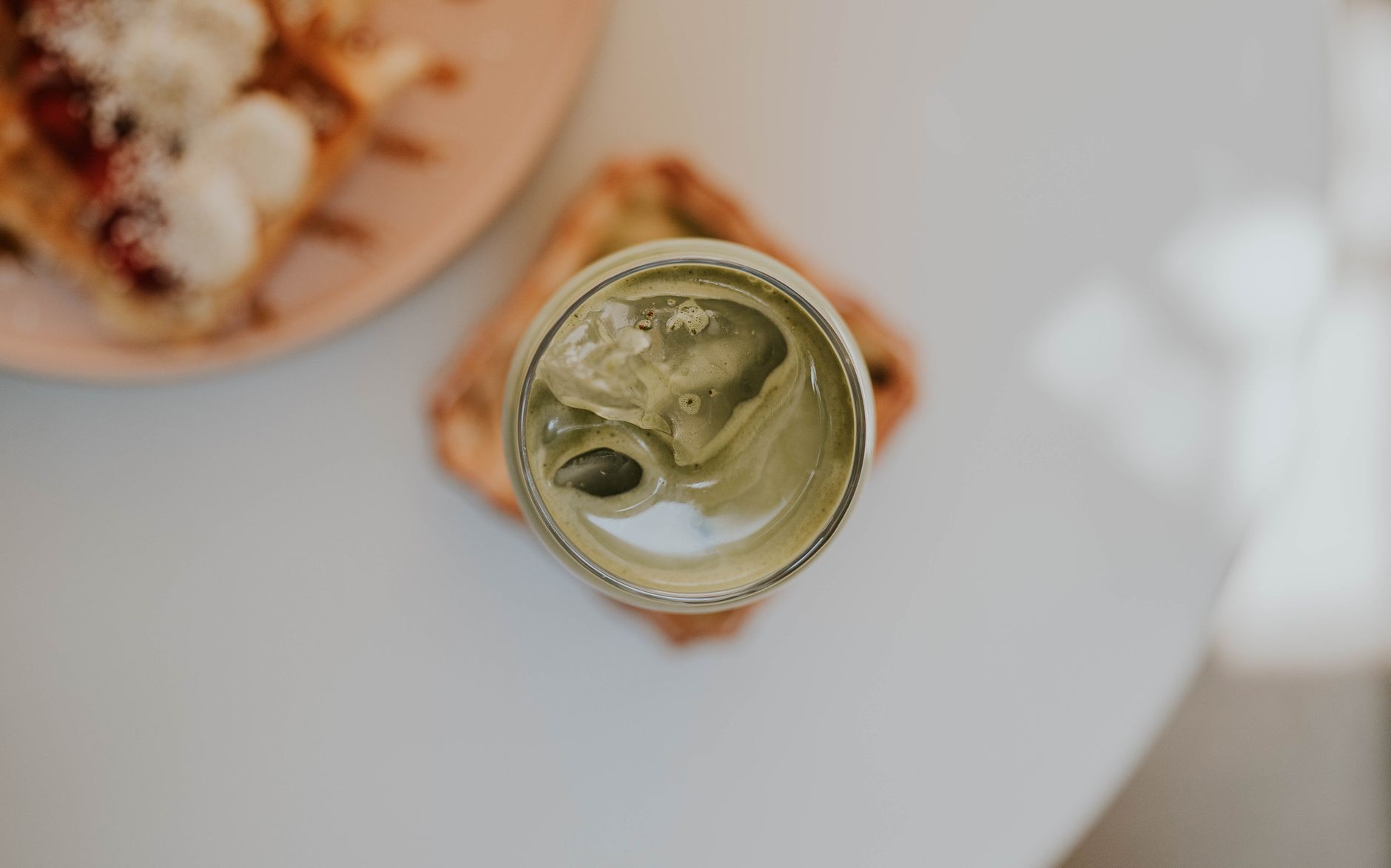
So, youve probably enjoyed a little matcha dessert here and there maybe a chewy matcha cookie or a velvety slice of matcha cake and suddenly wondered, Wait, how much caffeine am I getting from this? Trust me, Ive been there. Matcha desserts are such a treat, but unlike your usual sweet, they come with a sneaky caffeine kick thats not always obvious. Lets just cut to the chase: yes, matcha desserts do contain caffeine, but the exact amount can vary quite a bit depending on how theyre made.
Now, before you toss that cookie or ditch the cake, heres the good news its not as scary or confusing as it sounds. Understanding the caffeine in matcha desserts can actually help you enjoy them without those jittery jitters or a caffeine crash later on. So, if youre curious about the matcha caffeine amount in your favorite sweets or just want to get the lowdown on caffeine in desserts in general, youre in the right place. Lets break this down in a way thats easy, honest, and even a little fun.
Caffeine Content
How Much Caffeine Is in Matcha Desserts, Really?
Heres the thing about caffeine in matcha desserts its far from a one-size-fits-all number. Depending on the recipe, the caffeine content can shift, sometimes quite a bit. If we take matcha cookies as an example, the caffeine can range anywhere from about 20 milligrams to as much as 180 milligrams per dozen. See, when you eat a cookie or a scoop of matcha-flavored ice cream, the amount of matcha powder used and how concentrated it is makes all the difference.
Consider also the serving size. A single small cookie wont hit you as hard as a large, thick slice of matcha cheesecake, even if both use matcha powder. Since the caffeine in matcha comes primarily from the tea leaves themselves, more powder equals more caffeine, obviously.
But hey, why does this range feel so broad? Well, homemade recipes differ, and commercial bakeries may use different grades of matcha powder, some richer in caffeine than others. Plus, some desserts sneak in extra caffeine or even mix matcha with chocolate or coffee flavors, adding to the total caffeine load.
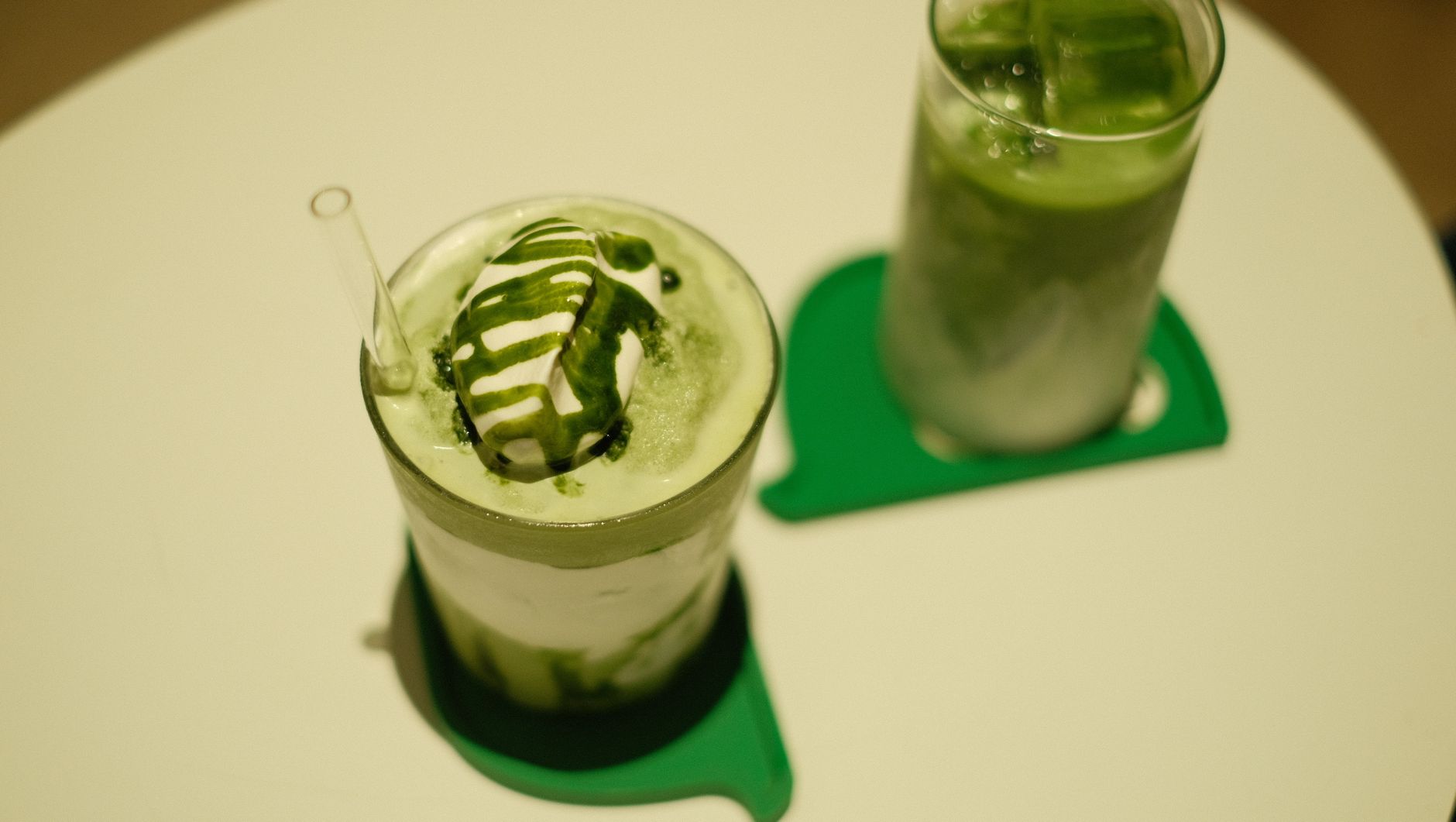
Matcha Cookie Caffeine vs. Other Desserts
Wondering how matcha cookie caffeine compares to other dessert favorites? Lets put it into perspective. If you grab a dozen regular chocolate chip cookies, the caffeine content is practically zilch unless, of course, youre a chocolate fiend and those contain dark chocolate chunks. On the other hand, desserts with coffee flavors or espresso-soaked layers can pack more of a caffeine punch than your average matcha treat.
| Dessert Type | Approximate Caffeine Content |
|---|---|
| Matcha Cookies (per dozen) | 20 - 180 mg |
| Chocolate Chip Cookies (per dozen) | 0 - 20 mg (depending on chocolate content) |
| Coffee-flavored Cake (per slice) | 30 - 90 mg |
| Chocolate Brownies (per serving) | 10 - 50 mg |
The big takeaway? Matcha desserts can deliver caffeine levels comparable to or even surpass some coffee-infused cakes, depending on how much matcha powder is involved. Of course, some people experience the caffeine from matcha quite differently than from coffee due to the natural presence of L-theanine an amino acid that tends to mellow out caffeines edge, making it feel smoother and less jittery.
Benefits vs. Risks
The Bright Side: Benefits of Caffeine in Matcha Desserts
Look, caffeine often gets a bad rap, but when its paired with matchas unique qualities, its a little different. Thanks to L-theanine, matchas caffeine tends to come with a calm focus rather than the frantic energy coffee sometimes delivers. That means a matcha dessert can offer a gentle energy boost and improve alertness without the rollercoaster crash some folks dread.
Plus, matcha is packed with antioxidants called catechins, which are known to help combat inflammation and support overall health. So, when you indulge in a matcha cookie or mousse, youre not just getting caffeine youre also treating yourself to some antioxidant perks.
Of course, every bite still counts, and the quality of the matcha powder used makes a difference. Higher-grade matcha the kind used for traditional tea ceremonies tends to have more caffeine and antioxidants compared to lower-grade culinary matcha thats often found in desserts. So, desserts made with premium matcha powder might give you that extra oomph in both flavor and caffeine.
The Other Side: Risks and Things to Watch Out For
Now, I want to be real with you. Just like any caffeine source, matcha dessert caffeine isnt without its potential downsides, especially if youre not used to caffeine or if youre eating these treats late in the day. Too much caffeine can cause jitters, upset your sleep, or make your heart race nothing fun.
This is especially true for sensitive groups like pregnant women, kids, or individuals who are naturally more caffeine-sensitive. (If youre pregnant, you might want to check out this helpful guide on best foods to eat while pregnant that touches on caffeine too.)
So yeah, moderation is definitely the key here. Knowing your limits and checking how much caffeine is in your dessert helps you dodge those cranky, jittery feelings. Dont use matcha desserts as your main caffeine source, but enjoy them as the special occasional treat they were meant to be.
How to Enjoy Matcha Desserts and Keep Caffeine in Check
Wondering how to strike that perfect balance? Here are a few easy tips that I personally swear by:
- Portion control helps: A small matcha cookie or a tiny slice means less caffeine, so start with a modest serving.
- Choose wisely: Look out for desserts that use culinary-grade matcha powder, which generally has less caffeine than premium ceremonial grade.
- Time it right: Avoid matcha desserts late at night if youre sensitive to caffeine.
- Mix it up: Balance your caffeine intake with treats that dont have caffeine say, a classic vanilla cake or even something savory like a meat loaf if youre feeling quirky!
With these tips, you can savor matcha cookie caffeine and other matcha-infused desserts without feeling like you accidentally high-tailed it into a caffeine overload.

Baking and Alternatives
Does Baking Change the Caffeine Level?
This is one of those you might not have thought about it questions does baking reduce caffeine in matcha desserts? Short answer: not really. Caffeine is a pretty stable compound, and the heat from baking doesnt break it down enough to significantly lower its content. So, whether youre munching on matcha cookies fresh out of the oven or a chilled matcha pudding, the caffeine level is mostly intact.
Looking for Lower-Caffeine Matcha Dessert Options?
If caffeine sensitivity is a big deal for you or if you just want to cut back, good news: there are some ways around it.
- Decaffeinated matcha powders: Yep, these exist. They still give that vibrant green color and earthy flavor without the caffeine buzz.
- Alternative green tea powders: Some varieties have naturally lower caffeine you just have to seek them out.
- Smaller portions or mixed desserts: Desserts combining matcha with non-caffeinated ingredients help dilute the overall caffeine load.
Heres the thing when you understand whats inside your treat, you feel a lot better about what youre eating. No surprises, no guesswork.
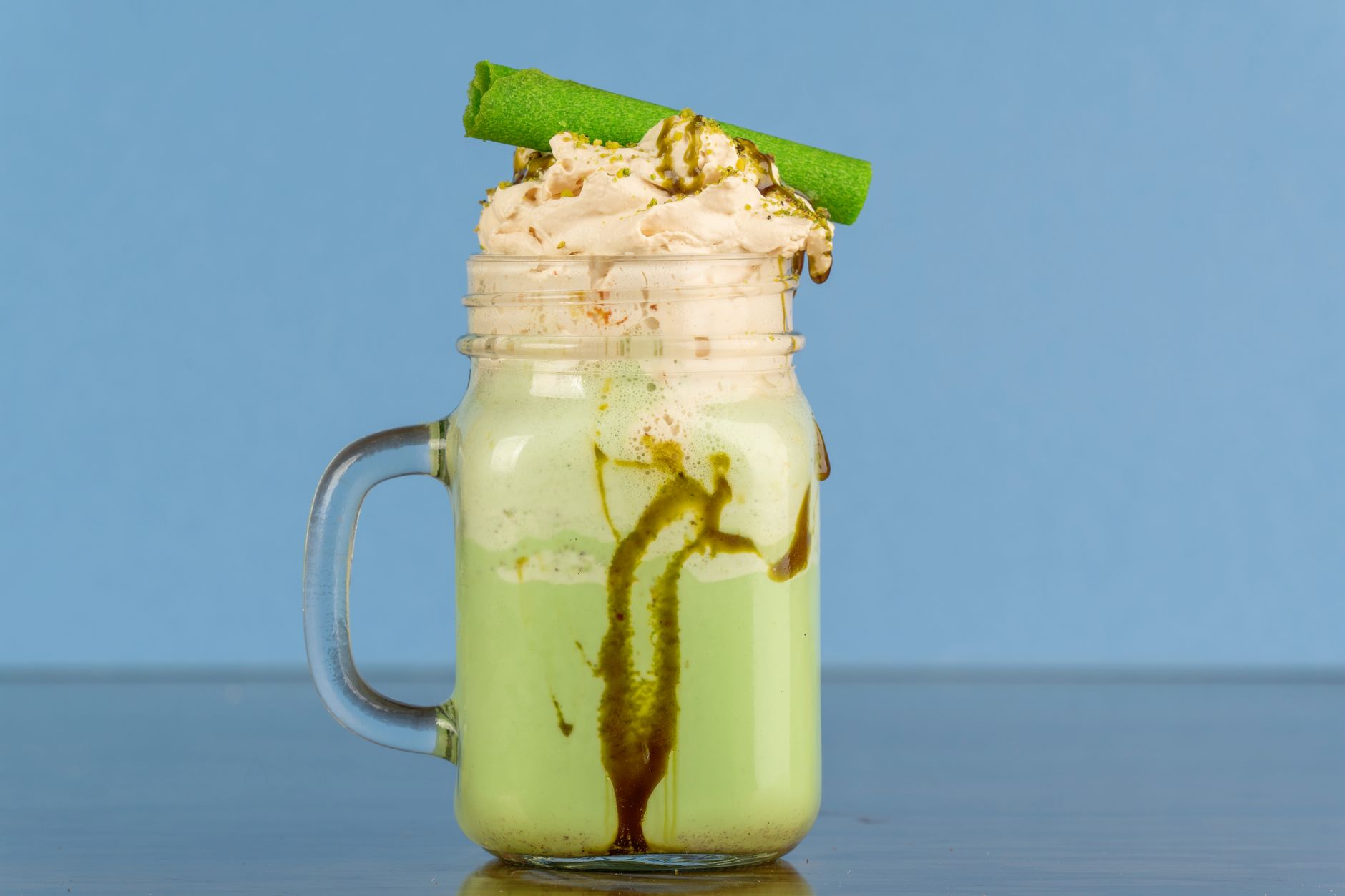
Real Talk and Takeaways
At the end of the day, matcha dessert caffeine isnt something to freak out about but its definitely worth understanding if you want to enjoy these treats fully and comfortably. I hope this little caffeine deep dive helps you feel more confident about indulging in your next matcha cookie or green tea tart.
Remember, the caffeine in matcha desserts varies sometimes its quite low, other times it sneaks up close to what youd find in a strong cup of coffee. And thanks to the calming influence of L-theanine, the caffeine highs here might feel a bit gentler than your average brew.
So next time youre eyeing that matcha dessert case, you can enjoy your sweet moment, knowing exactly what youre in for. Curious how matcha's caffeine compares to other treats? Or got your own story about a surprising caffeine kick from a dessert? Drop your thoughts and questions below Id love to hear what you think!
FAQs
Do all matcha desserts contain caffeine?
Yes, all matcha desserts contain some caffeine because matcha powder is made from green tea leaves, which naturally have caffeine content.
How much caffeine is typically in a matcha cookie?
Caffeine in matcha cookies can range from about 20 mg to 180 mg per dozen, depending on the amount and type of matcha powder used.
Does baking reduce the caffeine content in matcha desserts?
No, caffeine is quite stable during baking, so the caffeine content in matcha desserts generally remains the same after baking.
Are there matcha dessert options with less caffeine?
Yes, you can find decaffeinated matcha powders or use smaller portions and blended recipes to reduce caffeine in your matcha desserts.
How does matcha caffeine compare with coffee caffeine in desserts?
Matcha caffeine can be comparable to or even higher than some coffee-flavored desserts, but its effects are usually smoother due to L-theanine.