You pick up a package of corned beef at the store and wonder where the name comes from. It looks nothing like corn, and it has no connection to Cornwall, England. The real Corned Beef Meaning is simpler and more practical than you might think. It all goes back to one key ingredient: large salt crystals that were once called corns of salt. This article will walk you through the history, the curing process, what to look for on the label, and how to make the best choice for your kitchen.

The True Meaning Behind Corned Beef
The Corned Beef Meaning: Salt Crystals
The word corned comes from an old English term for any small, hard particlelike a grain of sand or a kernel of salt. Before refrigeration, butchers and home cooks preserved beef by packing it with large, coarse salt crystals that looked like corn kernels. These corns of salt drew moisture out of the meat and stopped bacteria from growing. So the Corned Beef Meaning is literally beef preserved with corns of salt. No corn, no Cornwalljust clever food science from centuries ago.
Common Myths About the Name
One of the most persistent myths is that corned beef got its name from Cornwall, a region in southwest England. That confusion probably happened because both words sound similar. Another myth says corned beef is made from corn-fed cattle. Not true. The cattle are usually grass-fed or grain-finished, but corn in the name has nothing to do with feed. Once you understand the salt-crystal origin, these myths fall away.
The History of Corned Beef
Origins in Europe and Irish American Influence
Corned beef has deep roots in European preservation. Irish farmers cured beef with salt to make it last through winter. When Irish immigrants moved to America in the 19th century, they found cheaper beef available and adapted their recipes. They often boiled the cured brisket with cabbagea meal that became a Saint Patricks Day staple. Today, corned beef and cabbage is an Irish American classic, even though its less common in Ireland itself.
Corned Beef in Maritime History
Long before refrigeration, ships relied on salted meats for long voyages. Corned beef was a key provision for sailors because it stayed edible for months. The British Navy issued corned beef to crews, and it became a symbol of survival at sea. This maritime tradition helped spread the curing method to ports around the world, including Southeast Asia, where local halal versions later emerged.
What Is Corned Beef? - The Process and Ingredients
Basic Ingredients: Beef, Salt, and Spices
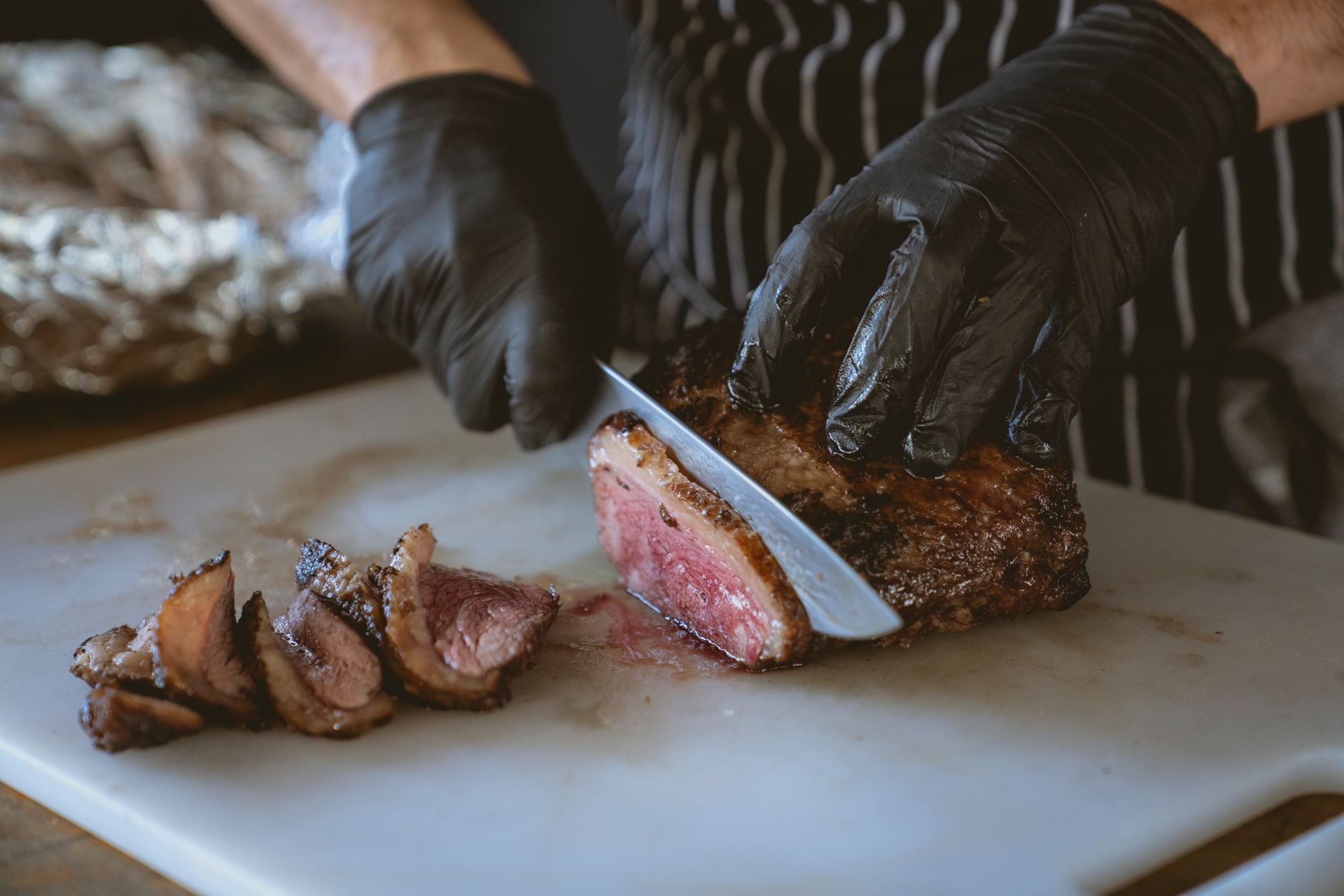
Corned beef starts with a cut of beef, usually brisket or round. The meat is submerged in a brine made of water, salt, sugar, and a mix of spices like peppercorns, bay leaves, cloves, and allspice. Sometimes pink curing salt (sodium nitrite) is added to keep the meat pink and prevent botulism. The beef sits in this brine for 510 days, allowing the salt and spices to penetrate deeply.

Traditional vs. Modern Production
Traditional corned beef uses whole muscle brisket and a wet brine. Modern mass production often injects brine into the meat to speed up the process, which can make the texture softer and less flavorful. Some manufacturers also add phosphates and flavor enhancers. The table below summarizes the main differences:
| Aspect | Traditional | Modern |
|---|---|---|
| Curing time | 510 days | 12 days with injection |
| Ingredients | Salt, sugar, spices | + nitrites, phosphates, flavors |
| Texture | Firm, slightly chewy | Softer, more processed |
| Flavor | Deep, complex | Salty, uniform |
Benefits and Risks of Corned Beef
Nutritional Benefits
Corned beef is rich in proteinabout 2025 grams per 100 grams. It also provides iron, zinc, and B vitamins, especially B12. For people who need a dense source of energy and muscle-building nutrients, corned beef can be a good option. According to the USDA FoodData Central, a 3-ounce serving of cooked corned beef contains roughly 210 calories and 15 grams of fat, with a significant portion of that being saturated fat.
Potential Health Risks
The main downside is high sodium. A single serving can contain over 900 mg of sodiumabout 40% of the daily limit. Processed meats like corned beef are also classified by the World Health Organization as Group 1 carcinogens when consumed in high amounts over time, due to nitrites and other compounds. That doesnt mean you have to avoid it entirely, but moderation matters.
How to Enjoy Corned Beef Healthily
Choose a low-sodium version if available, and rinse the meat before cooking to remove some of the surface salt. Pair it with vegetables like cabbage, carrots, and potatoes to balance the meal. Limit your portion to 34 ounces per serving, and dont eat it daily. If youre watching your blood pressure, check the label carefully.
What to Look For When Buying Corned Beef
Reading the Label: Key Certifications and Ingredients
When you pick up a package of corned beef, start by checking the ingredient list. The first ingredient should be beef, not water or brine. Look for brisket or round as the cut. Then examine the salt contentideally under 600 mg per 100 grams. For halal buyers, look for certification logos from recognized bodies such as JAKIM, HMC, or IFANCA. Some brands label their product as halal corned beef without certification; that claim alone is not reliable. Also watch for misleading terms like corned beef style or pressed corned beef, which may contain fillers.
Buyers Checklist Table
| Certification | Price Range | Common Formats | Shelf Life | Key Allergens |
|---|---|---|---|---|
| JAKIM, HMC, IFANCA (Halal) | $4$9 per lb (raw) | Raw brisket, canned, sliced | Raw: 57 days (refrigerated), Canned: 25 years | None typical (check for celery powder if allergic) |
| USDA inspected (non-halal) | $3$7 per lb (raw) | Same | Same | Same |
How to Store Corned Beef Properly
Raw corned beef should be kept in the coldest part of your refrigerator, ideally at or below 40F (4C). It will stay fresh for 57 days if the package is sealed. Once opened, use it within 34 days. Canned corned beef can last 25 years in a cool, dark pantry; after opening, transfer leftovers to a sealed container and refrigerate for up to 5 days. If you want to freeze raw corned beef, wrap it tightly in freezer paper or a vacuum bagit will stay good for 23 months. To thaw, place it in the refrigerator for 24 hours.
Expert Insights on Corned Beef Meaning
Food historian Dr. Rachel Laudan notes that the term corned appears in English cookbooks as early as the 17th century. She explains that the corn referred to the size of the salt grains, not the type of salt. Modern chefs echo this: the best corned beef comes from a slow, traditional brine that allows the salt crystals to work their magic over a week. If you want authentic flavor, avoid flash-cured products.
Is Corned Beef Actually Halal What Should I Check?
Not all corned beef is halal. To confirm, look for a halal certification logo from a trusted body like JAKIM or IFANCA on the package. Also check the ingredient list for alcohol-based vinegar or non-halal gelatin. Avoid brands that merely say halal without a certificate. Some canned corned beef from Muslim-majority countries like Indonesia carries official halal logos.
When Is the Best Time to Eat Corned Beef?
Corned beef is traditionally enjoyed around Saint Patricks Day, but it works well as a hearty meal any time of year. Many people prefer it for Sunday dinners or holiday brunches. Since its a preserved meat, its also convenient for camping trips or emergency food storesjust make sure its canned if you want long shelf life.
Can Corned Beef Be Made at Home?
Yes, you can cure your own brisket at home. Youll need a brine with water, kosher salt, curing salt (pink salt No. 1), sugar, and spices. Submerge the meat and refrigerate for 510 days, flipping every other day. Then rinse and cook slowly in water or broth. Homemade corned beef often tastes less salty and more flavorful than store-bought versions.
What Is the Difference Between Corned Beef and Pastrami?
Both start as brined beef, but pastrami is dry-rubbed with spices after curing and then smoked. Corned beef is simply boiled or braised. Pastrami has a black peppery crust and smoky flavor; corned beef is more straightforwardly salty and tender. The meat cut is also differentcorned beef is usually brisket, while pastrami often uses navel or round.
How Do You Cook Corned Beef Without It Becoming Tough?
Corned beef should be cooked low and slow. Simmer it in water or broth at 180200F (8293C) for 34 hours, depending on size. Never boil aggressively, because high heat makes the collagen tighten and turns the meat tough. Adding a tablespoon of vinegar or pickling spice to the water helps tenderize it naturally.
Is Canned Corned Beef the Same as Fresh Corned Beef?
No. Canned corned beef is finely chopped, cooked, and packed with more fat and moisture. Fresh corned beef is whole muscle, more fibrous, and requires cooking. Canned corned beef is ready to eat (or fry quickly), while fresh must be boiled or braised for hours. The flavor and texture are quite different.
Can I Freeze Leftover Cooked Corned Beef?
Yes. Slice or shred the leftover meat, place it in an airtight container or freezer bag, and freeze for up to 3 months. Thaw in the refrigerator overnight before reheating. The texture may soften slightly, but it remains good for sandwiches, hash, or soups.
Pro Tips for Buying the Best Corned Beef
The most overlooked mistake shoppers make is choosing a corned beef product that is actually just brine-injected beef with no real curing time. These often have a mushy texture and taste overly salty without depth. Cheap versions also tend to use lower-quality cuts like chuck instead of brisket, which can be fatty and gristly. An expert tip: look for brisket flat on the labelits leaner and slices more evenly. If you see point cut, it has more fat and suits shredding better.
More You Might Like
Learn how to check the halal status of other meat products in our guide on Kirkland costco product halal fresh lamb. Youll find tips on reading labels and verifying certifications. Also, if youre looking for quick meal ideas, read our article on how to cook frozen chicken safely and deliciously.
Conclusion
Now you know the real Corned Beef Meaningits all about the coarse salt crystals that preserved this meat for centuries. Whether youre buying it for a Saint Patricks Day dinner or just a hearty sandwich, understanding the history and the label helps you choose wisely. Next time youre at the store, check the certification, read the ingredient list, and pick a product that matches your flavor and health needs. Leave a comment below with your favorite way to enjoy corned beef.
FAQs
Is Corned Beef Meaning actually Halal — what should I check on the label?
Not all corned beef is halal. Look for a certification logo from JAKIM, IFANCA, or HMC on the package. Also check the ingredient list for alcohol-based vinegar or non-halal gelatin. Avoid brands that merely claim "halal" without a certificate. Some canned corned beef from Muslim-majority countries like Indonesia carries official halal logos.
How long does corned beef last after opening?
Once opened, raw corned beef should be used within 3–4 days. Cooked corned beef leftovers can be refrigerated in a sealed container for up to 5 days. Canned corned beef, after opening, should be transferred to a container and refrigerated for up to 5 days. For longer storage, freeze raw corned beef for 2–3 months.
What is the difference between corned beef and pastrami?
Both start as brined beef, but pastrami is dry-rubbed with spices after curing and then smoked, while corned beef is simply boiled or braised. Pastrami has a black peppery crust and smoky flavor; corned beef is more straightforwardly salty and tender. Corned beef is usually brisket, while pastrami often uses navel or round.
Is it safe to eat corned beef every day?
Corned beef is high in sodium and classified as a processed meat. The World Health Organization recommends limiting processed meat intake due to associated health risks. Enjoy corned beef in moderation — no more than a few times per month — and pair it with vegetables. If you have high blood pressure, check the sodium content carefully.
Where can I buy halal corned beef?
Halal corned beef is available at specialty halal grocery stores, online retailers, and some supermarkets with halal sections. Look for certification logos from JAKIM, IFANCA, or HMC on the package. Popular brands from Indonesia and Malaysia, such as Pronas or Ayam Brand, are widely available and carry official halal certification.