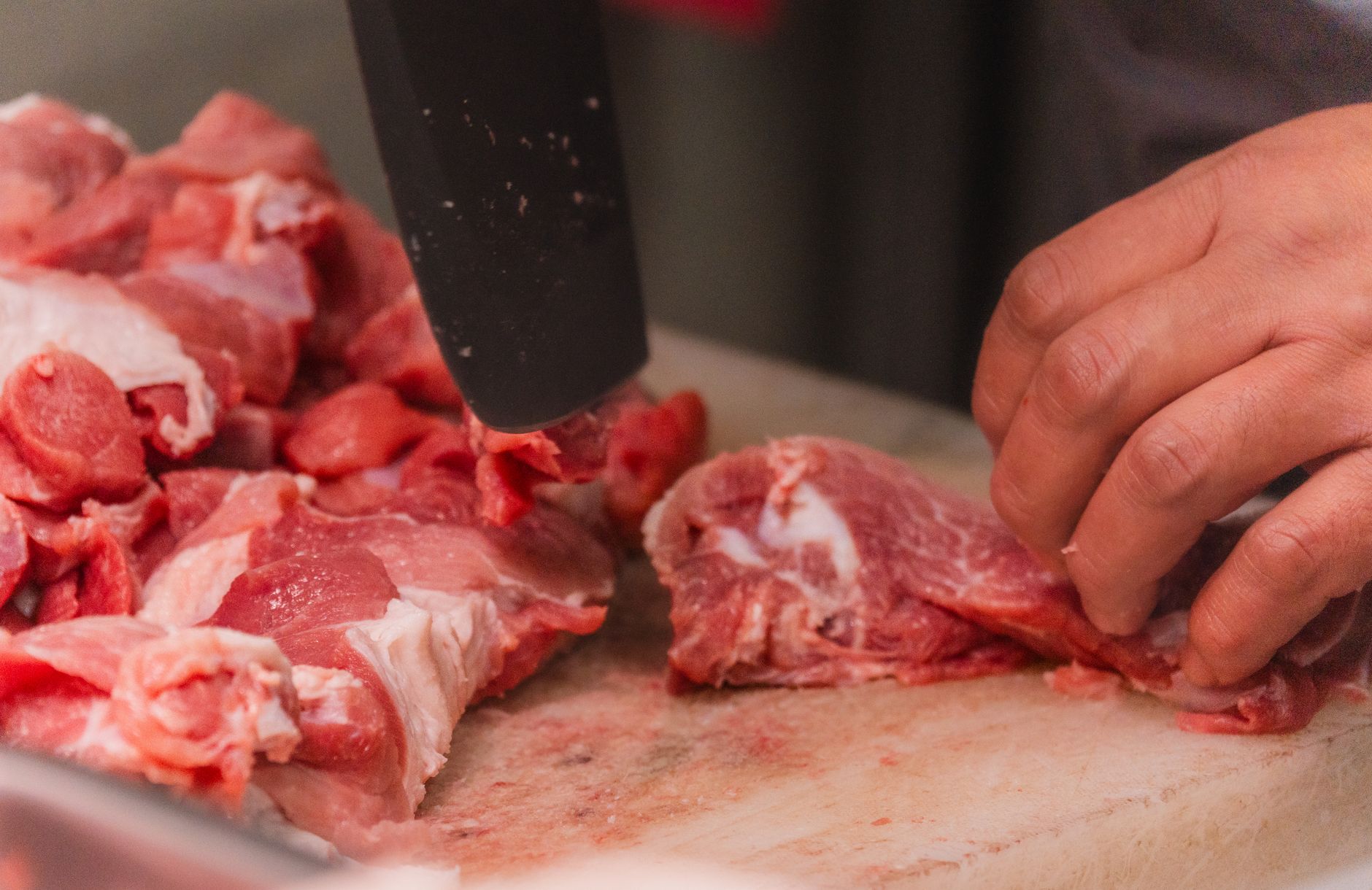
You pick up a package labeled "uncured bacon" and wonderdoes that mean it‘s raw, chemical-free, or just a marketing trick? The truth is simpler and more surprising. Uncured bacon meaning refers to bacon that is cured using natural sources of nitrates, like celery powder or sea salt, rather than synthetic sodium nitrite. Many shoppers assume "uncured" equals preservative-free, but the reality is that all bacon must be cured to be safe. Let‘s break down what this label really signifies, how it affects your health, and whether uncured bacon fits a Halal-conscious kitchen.
What Does "Uncured Bacon" Really Mean?
Is Uncured Bacon Actually Cured?
Yes, uncured bacon is still curedjust with natural ingredients. The USDA defines "uncured" as bacon that has not been treated with any synthetic nitrites or nitrates. Instead, manufacturers use celery powder, celery juice, or sea salt, which naturally contain nitrates. During processing, those natural nitrates convert to nitrites, performing the same curing function. So when you see "uncured," think "naturally cured." The term is a legal distinction, not a description of the final product. According to USDA Food Safety guidelines, all bacon must be cured to prevent botulism and preserve color. Uncured bacon simply skips the chemical additives.
What Are the Typical Ingredients in Uncured Bacon?
Check the label of uncured bacon and youll usually find a short list: pork, water, sea salt, organic cane sugar, celery powder, and occasionally cherry powder or spices. The absence of sodium nitrite (E250) or sodium nitrate is the key difference. Some brands add natural smoke flavor or rosemary extract for preservation. Because the natural nitrate source is less consistent, the curing process takes longeroften 1224 hours compared to a few hours for conventional bacon. This slower method yields a slightly different flavor and texture, which well explore next.
Cured vs Uncured Bacon: Whats the Difference?
The Curing Process Explained
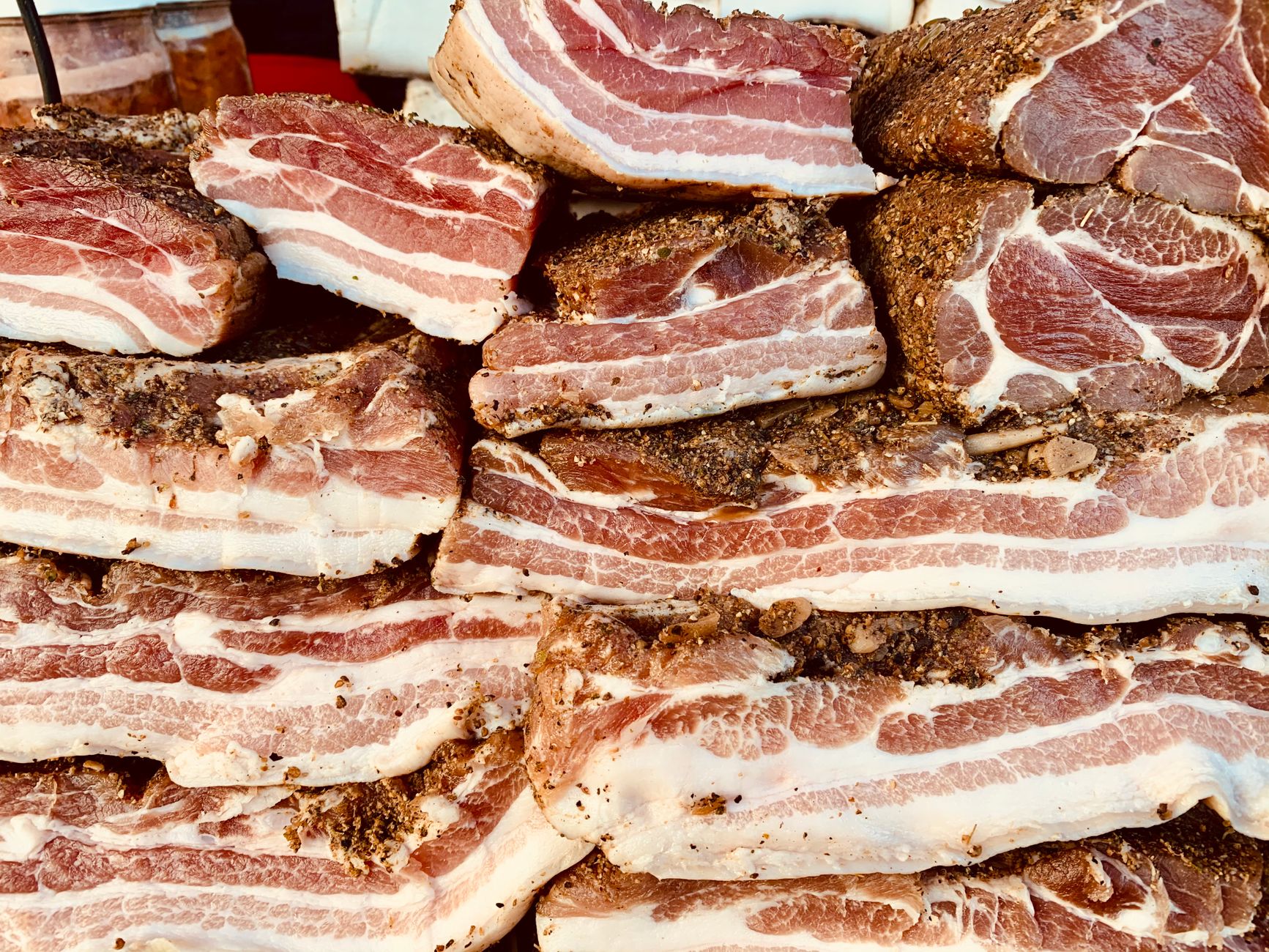
Traditional cured bacon is injected or dry-rubbed with a mixture that includes synthetic sodium nitrite. This speeds up the curing and gives bacon its characteristic pink color and long shelf life. Uncured bacon relies on a natural nitrate sourceusually powdered celerywhich must be mixed with a starter culture (like a bacterial culture) to convert nitrates to nitrites. This process is slower and more variable. The final product often looks more grayish-pink and may have a less uniform color. For a deeper look at processed meats, check out our guide on Arby‘s roast beefa popular option that also raises questions about curing.
Taste and Texture Differences Between Cured and Uncured Bacon
Uncured bacon tends to have a milder, less salty flavor with a slightly earthier note from the celery. It also crisps up faster because it contains less added water. Many home cooks describe it as "cleaner" tasting, with a softer chew when cooked to the same crispness. Conventional bacon, by contrast, has a sharper saltiness and a more uniform snap. If you prefer a subtler pork flavor that isn‘t overwhelmed by salt, uncured bacon is a good choice.
Shelf Life and Food Safety Considerations
Because uncured bacon lacks synthetic preservatives, its shelf life is shortertypically 57 days after opening when refrigerated (similar to conventional 710 days). Unopened packages last about 12 months in the fridge. For longer storage, freeze it for up to 6 months. The natural nitrate level is still sufficient to inhibit harmful bacteria, but you must follow standard food safety: cook to 145F (63C) internal temperature. The risk of spoilage is slightly higher if the package is not sealed properly, so always check for off-odors or slime.
Is Uncured Bacon Better for You? Pros and Cons
Potential Health Benefits of Uncured Bacon
The main draw for health-conscious consumers is the absence of synthetic nitroso compounds, which have been linked to some cancers in high intake. Using natural celery powder means you‘re avoiding a chemically processed additive. Additionally, uncured bacon often has a cleaner ingredient listno artificial colors, flavors, or phosphates. Some studies suggest that the nitrates from vegetables (like celery) may be less harmful than synthetic ones, though the evidence is not definitive. For Halal eaters, uncured bacon is also less likely to contain pork-derived processing aids that could be questionable, though you still need to check the Halal certification.
Risks & Misconceptions About Uncured Bacon
It‘s a mistake to think uncured bacon is automatically healthy. It still contains saturated fat and high sodiumaround 420mg per two slices on average. The natural nitrates in celery are chemically identical to synthetic ones after conversion. A 2019 review in the Journal of the Academy of Nutrition and Dietetics found no significant difference in nitrate/nitrite levels between cured and uncured bacon at the point of consumption. So the health advantage is marginal at best. Furthermore, uncured bacon is not always lower in caloriescheck the label. The real benefit is ingredient transparency, not a free pass to eat unlimited bacon.
Summary Table: Cured vs Uncured Bacon Nutritional Comparison (per 2 slices)
| Nutrient | Cured Bacon | Uncured Bacon |
|---|---|---|
| Calories | 8090 | 8595 |
| Total Fat | 67g | 67g |
| Sodium | 400450mg | 380420mg |
| Sugars (added) | 0.51g (from sugar or syrup) | 0.51g (from cane sugar) |
| Synthetic Nitrites | Yes (sodium nitrite) | No (natural celery powder) |
| Preservatives | BHT, TBHQ sometimes | Usually none besides salt |
How to Identify Truly Uncured Bacon at the Store?
Start by reading the ingredients list, not just the front label. Look for "uncured" in the product name, then check that sodium nitrite or sodium nitrate does not appear. Instead, you‘ll see "celery powder" or "cultured celery extract." The term "no nitrates or nitrites added" is a legal claim, but it‘s followed by an asterisk that says "except those naturally occurring in celery." This is the key detail. For Halal certification, look for a trusted logo such as JAKIM, IFANCA, or HMC. Uncured bacon may also be labeled "organic" or "pasture-raised," which adds another layer of quality but does not guarantee Halal status. Avoid brands that use "natural flavors" without specifying sources, as those could include non-Halal carriers.
Buyers Checklist for Uncured Bacon
| Certification | Price Range | Common Formats | Shelf Life (unopened) | Key Allergens |
|---|---|---|---|---|
| USDA Organic, Non-GMO Verified, Halal (JAKIM, IFANCA) | $7$12 per 12 oz pack | Thick-cut, thin-cut, center-cut | 12 months in fridge | None typically (check for soy, gluten in added flavorings) |
Can I Use Uncured Bacon the Same Way as Regular Bacon?
Absolutely. Uncured bacon works perfectly for frying, baking, crumbled on salads, wrapped around dates, or added to stews. Because it renders less fat than some conventional brands, you may need to adjust cooking time slightlyabout 12 minutes less for the same crispness. For recipe inspiration, try it in a classic BLT or a hearty carbonara. If you love hot dogs, you might also be curious about our guide on best hot dogs for clean-label options.
Buying Tips for Uncured Bacon
The most overlooked mistake: assuming "uncured" means no nitrates at all. Don‘t fall for thatnatural nitrates are present. Cheap brands often use lower-quality pork or add more sugar to mask off-flavors. Spend the extra dollar for a brand that lists the source of celery (preferably organic) and uses no artificial preservatives. An expert tip: if you‘re buying uncured bacon for the first time, look for "applewood smoked" or "maple" varietiesthe smoke adds complexity that balances the milder cure. Avoid any package that feels tacky or shows excessive liquidsigns of poor handling or aging.
Is Uncured Bacon Actually Halal What Should I Check?
Yes, uncured bacon can be Halal, but you must verify two things: the pork source must be from a Halal-slaughtered animal, and the curing ingredients (sugar, celery powder, cultures) must not contain alcohol-based solvents. Look for a clear Halal certification logo on the package, such as IFANCA (Islamic Food and Nutrition Council of America) or JAKIM (Malaysia). Uncured bacon from major brands like Niman Ranch or Applegate often carries Halal certification, but always double-check because "natural" does not equal "Halal." If you‘re uncertain, contact the manufacturer directly.
When is the best time to eat uncured bacon?
Uncured bacon is versatile enough for any meal. Enjoy it at breakfast with eggs and toast, or use it as a flavor boost in lunch sandwiches and dinner pasta dishes. Because it has a milder taste, it also works well in salads where you don‘t want the salt to dominate. If you‘re meal-prepping, cook a batch on Sunday and store in the fridge for 57 daysthen reheat quickly for busy mornings.
How does uncured bacon compare to turkey bacon?
Turkey bacon is made from ground turkey, not pork, and usually contains less fat (about 30 calories per slice versus 4050 for uncured pork bacon). However, turkey bacon often has more sodium and additives to mimic pork texture. Uncured pork bacon has a richer, more authentic bacon flavor and crisps up better. For Halal eaters, turkey bacon is a common alternative because pork is not used at all. Choose based on your dietary goals: fewer calories go with turkey; full flavor goes with uncured pork.
Can uncured bacon be frozen?
Yes, freezing uncured bacon works well. Wrap the package tightly in freezer paper or a zip-top bag, removing as much air as possible. It will keep for up to 6 months without significant quality loss. To thaw, move it to the refrigerator overnight. Avoid refreezing once thawed, as texture can become dry. For convenience, you can also freeze cooked bacon slices between parchment papergrab a few as needed.
Is there a nitrate-free bacon option that is truly uncured?
Strictly speaking, no. Even "uncured" bacon contains natural nitrates. Some niche products like "salt-cured only" bacon exist but are extremely rare and must be consumed within days. The USDA requires a curing process for all commercial bacon to prevent botulism. So if you‘re seeking zero nitrates, you would need to eat fresh pork belly, which is technically not bacon. For most people, uncured bacon offers the closest alternative with a natural curing source.
What does "no artificial preservatives" mean on uncured bacon?
This claim means the bacon does not contain synthetic preservatives like BHT, BHA, or sodium nitrite. Instead, it relies on the natural antimicrobial properties of salt, celery, and sometimes rosemary extract. However, celery powder itself is considered a "natural preservative" because it contains nitrates. So the bacon is still preservedjust not with synthetic chemicals. This is an important nuance if you are trying to avoid all preservatives entirely.
Can I find uncured bacon that is also low sodium?
Yes, several brands offer uncured bacon with reduced sodiumlook for "lower sodium" or "25% less sodium" on the label. True low-sodium uncured bacon contains about 300mg per serving versus the typical 420mg. Keep in mind that lower sodium can affect the curing process and may shorten shelf life slightly. Brands like Pederson‘s Farms and Wellshire Farms produce such options. Always check the nutrition facts panel because "uncured" does not automatically mean low sodium.
How should I store uncured bacon after opening?
Keep the package tightly sealed with the original wrapping or transfer to an airtight container. Store in the coldest part of the refrigerator (below 40F). Use within 57 daysany longer and oxidation may cause off-flavors. If you see any greenish tint or sour smell, discard it. For extended storage, portion and freeze immediately after opening.
Conclusion
Understanding uncured bacon meaning helps you make smarter choices at the meat counter. It‘s not "uncured" in the literal senseit‘s naturally cured with celery and salt, offering a cleaner ingredient list without synthetic nitrites. For Halal-conscious shoppers, uncured bacon can be a great fit if you verify the certification. Next time you‘re shopping, take a second to read the label: note the source of nitrates and look for that trusted Halal logo. Your breakfastand your peace of mindwill thank you. Have you tried uncured bacon? Share your experience or favorite recipe in the comments.

More You Might Like
If you enjoyed this deep dive into bacon labels, you might also like our article on Arby‘s roast beefsurprising facts about how it‘s processed and whether it fits a clean diet.
For another flavorful processed meat, read our guide to Best hot dogswe break down natural casing, uncured options, and Halal-certified picks.
FAQs
Is uncured bacon meaning actually Halal — what should I check on the label?
Yes, uncured bacon can be Halal if the pork comes from a Halal-slaughtered animal and the curing ingredients contain no alcohol-based solvents. Always look for a trusted Halal certification logo like IFANCA or JAKIM on the package. Even if labeled "natural" or "organic," it is not automatically Halal. Contact the manufacturer if the logo is missing.
How long does uncured bacon last after opening?
After opening, store uncured bacon tightly sealed in the refrigerator at or below 40°F. It stays fresh for 5 to 7 days. Check for off-odors, slime, or greenish tint before cooking. For longer storage, freeze it immediately after opening in an airtight bag for up to 6 months.
How does uncured bacon differ from turkey bacon?
Uncured bacon is made from pork belly and cured with natural celery powder, giving a rich, authentic bacon flavor and crispy texture. Turkey bacon is made from ground turkey, lower in fat (about 30 calories per slice), but often higher in sodium and additives. Choose uncured for full flavor or turkey for fewer calories and no pork.
Is it safe to eat uncured bacon daily?
While uncured bacon avoids synthetic nitrites, it is still high in saturated fat and sodium (about 420mg per two slices). The natural nitrates from celery are chemically similar to synthetic ones after conversion. Eating it daily in large amounts may increase health risks. Enjoy it as an occasional treat rather than a daily staple.
Where can I buy uncured bacon with Halal certification?
Look for brands like Niman Ranch, Applegate, or Pederson’s Farms that carry Halal certification logos such as IFANCA or HMC. Many health food stores, Whole Foods, and online halal meat retailers stock certified uncured bacon. Always check the packaging for the certification mark and verify the pork source is Halal-slaughtered.