If you enjoy cheese, you might not always realize just how processed some products labeled as cheese really are. Processed cheese products often contain added chemicals, preservatives, and fillers that can affect both taste and your health. Knowing which processed cheese products to avoid buying can help you make smarter, healthier choices without giving up the creamy, satisfying flavors you love.
What Are Processed Cheese Products?
Definition and Common Types
Processed cheese products are cheese-like foods made by blending natural cheese with various other ingredients. These ingredients often include emulsifiers, salts, preservatives, and sometimes artificial colors or flavorings. Typical processed cheese products include classic American cheese slices, spray cheese or cheese aerosol, processed cheese spreads, shredded cheese blends with anti-caking agents, and many vegan cheese alternatives.
How Processed Cheese Differs from Natural Cheese
Natural cheese is made by curdling milk and aging it, with relatively few added ingredients. Processed cheese, on the other hand, undergoes additional treatments and blending to extend shelf life, improve meltability, and alter texture. Additives like sodium citrate improve melting properties, while preservatives extend freshness. While convenient, these changes often reduce nutritional value and introduce substances that may impact health negatively.
Expert Insight: Nutritional Breakdown Comparison Table
| Nutrient | Natural Cheese (per 30g) | Processed Cheese (per 30g) |
|---|---|---|
| Calories | 100-120 kcal | 110-140 kcal |
| Total Fat | 8-10 g | 9-12 g |
| Sodium | 150-200 mg | 400-500 mg |
| Additives | Minimal (enzymes, cultures) | Emulsifiers, preservatives, colorants |
Health Risks Associated With Processed Cheese Products
Why Some Processed Cheese Products Are Considered Unhealthy
Processed cheese products often contain high amounts of sodium and saturated fats, which can contribute to high blood pressure and cardiovascular issues. Additionally, food additives used to stabilize and preserve these productssuch as emulsifiers and artificial coloringsmay affect digestion or trigger sensitivities in some people.
Common Cheese Health Risks: What Science Says
Research has linked excessive intake of processed cheese to increased risks of heart disease, obesity, and hypertension. According to studies cited in the USDA FoodData Central, the sodium levels in processed cheese can be two to three times higher than in natural cheese, posing potential hazards if consumed frequently. Synthetic additives found in some processed cheeses have also been associated with inflammation and altered gut health in animal studies.
Real-World Examples & Case Studies
Nutritionists often advise clients to avoid processed cheese slices and spreads due to their additive profiles. A 2021 analysis showed people replacing processed cheese with natural cheese experienced improved blood pressure readings and reduced inflammatory markers. Personal anecdotes from dietitians emphasize a noticeable difference in digestion and energy levels after eliminating or reducing processed varieties.

The "Bad Cheese Products" and Unhealthy Cheese Brands to Avoid
1. American Cheese
American cheese slices are among the most well-known processed cheese products. They often contain milk protein concentrates, emulsifiers, artificial colors (such as annatto or yellow dye), and stabilizers. Many brands add phosphate salts to improve melting, increasing the sodium load significantly.
2. Spray Cheese
Spray cheese or aerosol cheese is prized for convenience but raises major quality concerns. It contains propellants, artificial flavors, and stabilizers to maintain texture and shelf life. The packagings plastic components may also be problematic for environmentally conscious buyers.
3. Shredded Cheese Blends
Pre-shredded cheeses often include anti-caking agents like cellulose powder and preservatives such as natamycin to prevent mold. These additives can alter flavor and texture. Beware of blends claiming 100% real cheese but featuring suspiciously long ingredient lists.
4. Processed Vegan Cheese Alternatives
While vegan processed cheeses avoid dairy, many rely heavily on coconut oil, starches, and artificial flavors. Their saturated fat content can be just as high, and some contain synthetic emulsifiers to mimic dairy cheeses melt and stretch.
5. Some Types of Dried Parmesan
Powdered Parmesan cheese sold in shakers is often dehydrated beyond recognition and combined with anti-caking agents and preservatives. These processing methods strip away natural enzymes and nutrients found in fresh Parmesan.
6. Processed Cheese Spreads
Spreads frequently include stabilizers, thickeners, and flavor enhancers to maintain a consistent texture. Many brands use genetically modified ingredients or artificial dyes to deepen color.
Comparison Table of Popular Processed Cheese Brands
| Brand | Key Ingredients | Health Concerns |
|---|---|---|
| Brand A American Cheese | Milk protein concentrate, sodium phosphate, annatto dye | High sodium, artificial color |
| Brand B Spray Cheese | Propellant, stabilizers, artificial flavors | Processed additives, environmental concerns |
| Brand C Shredded Blend | Cellulose, natamycin, fillers | Preservatives, additive overload |
| Brand D Vegan Cheese | Coconut oil, starch, emulsifiers | Saturated fat, synthetic additives |

How to Identify and Avoid Unhealthy Processed Cheese Products
Reading Labels Like a Pro
Identifying unhealthy processed cheese products begins with careful label reading. Look beyond claims of 100% real cheese to check all ingredients. Avoid those listing sodium phosphate, sodium citrate, potassium sorbate, artificial dyes (like Yellow 5 or annatto), and unexpected fillers like cellulose.
Check nutritional facts for sodium content per serving. Processed cheeses often contain 400500mg of sodium per 30g serving. If sodium tops 300mg, consider it high. Also watch for saturated fat values above 6g per serving are common in processed varieties.
Finally, seek Halal certification logos such as JAKIM, HMC, or IFANCA to ensure the cheese complies with your dietary and religious standards.
Choosing Better Alternatives
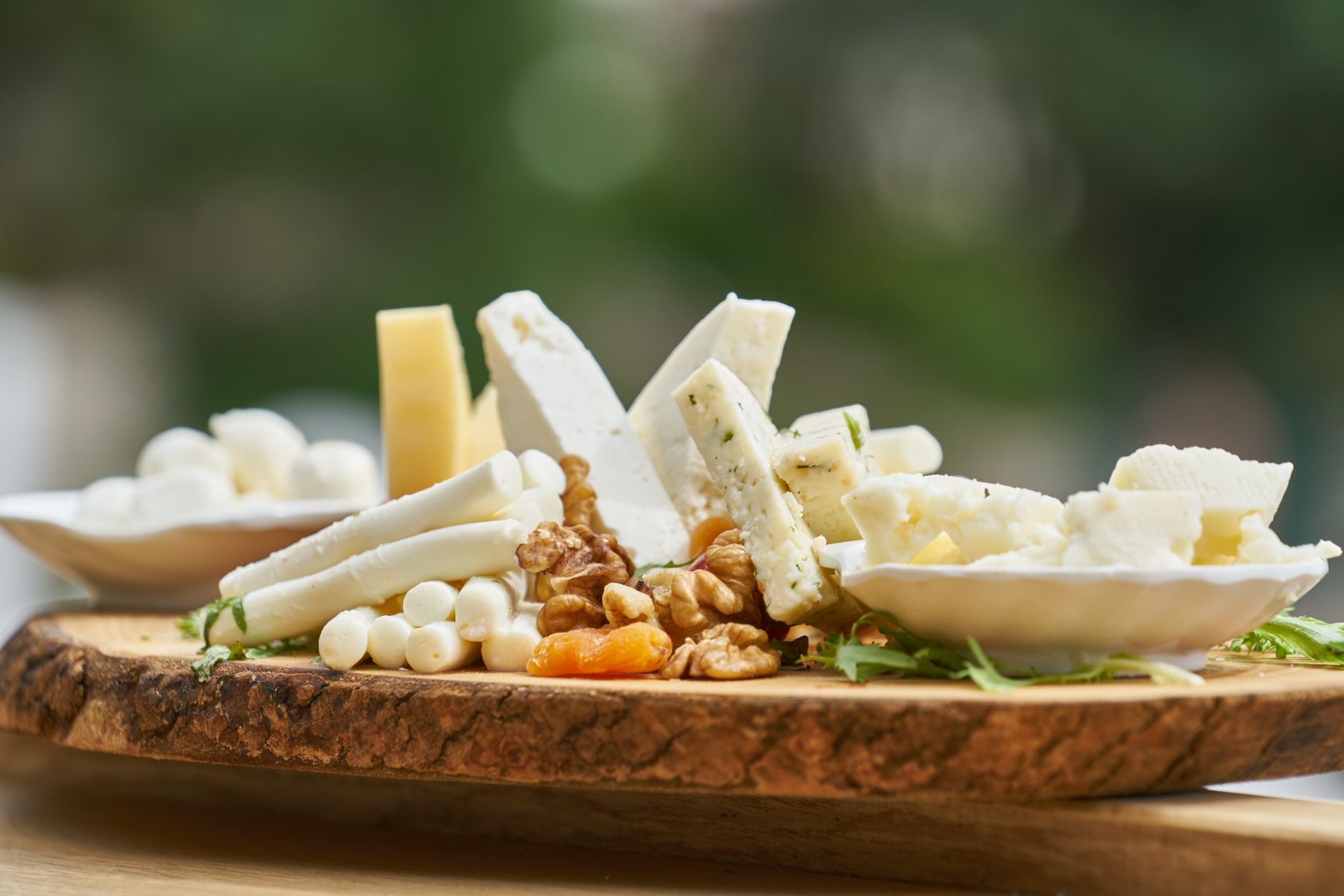
Opt for natural cheese varieties with minimal ingredients typically milk, salt, enzymes, cultures. Fresh mozzarella, aged cheddar, or simple goat cheese offer clean labels and more nutrients. Remember, natural cheese can last 34 weeks properly refrigerated, compared to 12 weeks for processed spreads.
For helpful label interpretation, visit the Milk nutrition label guide. If you prefer lower-fat or soft textures, check out trustworthy Cottage cheese brands known for clean ingredients and Halal certification.
Buyer‘s Checklist: Processed Cheese Products
| Certification | Price Range | Common Formats | Shelf Life | Key Allergens |
|---|---|---|---|---|
| Check JAKIM, HMC, IFANCA logos | $2$6 per 200g pack | Slices, shreds, spreads, spray | 12 weeks refrigerated, unopened | Milk, soy lecithin in some blends |
Why Understanding Processed Cheese Products Matters for Your Health
Balancing Enjoyment and Nutrition
Cheese can be part of a healthful dietyou dont need to avoid it completely to stay healthy. Knowing which processed cheese products to avoid prevents unnecessary intake of additives and excess sodium that can harm your heart and digestion.
Building a Healthier Diet with Cheese in Moderation
Incorporating natural cheeses while monitoring portion size helps you enjoy creamy, savory flavors without overloading on saturated fat or synthetic ingredients. Combine cheese with fresh vegetables, whole grains, and balanced meals for the best results.
Frequently Asked Questions About Processed Cheese and Health
Is processed cheese products actually Halal what should I check?
Check for Halal certification logos from trusted bodies like JAKIM, HMC, or IFANCA on the packaging. Ingredients such as animal rennet may not be Halal, so verified certification ensures compliance with dietary laws.
Can processed cheese be part of a healthy diet?
Occasional consumption of processed cheese is unlikely to harm most healthy adults, but frequent intake may contribute to high sodium and saturated fat levels. Moderation is key, alongside choosing natural cheeses when possible.
Is all processed cheese bad for you?
Not necessarily. Some processed cheeses have cleaner ingredient lists and lower additives, but many contain preservatives and artificial flavorings. Always read labels and prioritize minimal processing.
How can I tell real cheese from processed cheese?
Real cheese labels usually list only milk, salt, enzymes, and cultures. Processed cheeses include emulsifiers, stabilizers, and preservatives. Look for ingredient simplicity as a quality signal.
Why do processed cheeses have a longer shelf life?
Preservatives like sorbic acid and stabilizers inhibit mold and spoilage bacteria, allowing processed cheeses to last weeks longer than fresh natural cheeses when unopened.
Are vegan processed cheese alternatives healthier?
They avoid dairy but can be high in saturated fat and synthetic additives. Their healthfulness depends on ingredients; look for options with whole food bases and minimal processing.
Whats the best way to store processed cheese products?
Keep them sealed tightly in the refrigerator at or below 4C (39F). Use within 710 days after opening to maintain quality and reduce spoilage risks.
Pro Tips for Choosing Processed Cheese Products
The most overlooked mistake shoppers make is trusting marketing claims like natural or real cheese without reading the ingredient list. Cheap versions often contain more fillers and additives, sacrificing taste and nutrition. An expert tip: compare sodium and fat contents across brands and select the lowest values to minimize health risks.

More You Might Like
Discover how to interpret a Milk nutrition label to spot hidden ingredients and nutrients. Also, explore trusted Cottage cheese brands known for their purity and Halal certification.
Conclusion
Processed cheese products can be convenient and tasty, but knowing which ones to avoid protects your health and ensures you enjoy cheese guilt-free. Next time you shop, check the label closely for additives, sodium, and certification logos. Making mindful choices lets you savor cheese in a healthier way. Feel free to share your experiences or questions about processed cheese products below!
FAQs
Is processed cheese products actually Halal — what should I check on the label?
To confirm processed cheese products are Halal, look for certification logos from trusted bodies such as JAKIM, HMC, or IFANCA. Check ingredients for animal rennet or other non-Halal components. Verified certification ensures compliance with dietary Islamic laws and standards.
What is the shelf life of processed cheese products after opening?
Once opened, processed cheese products should be kept tightly sealed in the fridge at or below 4°C (39°F) and consumed within 7 to 10 days to maintain quality and reduce spoilage risks.
How does processed cheese differ from natural cheese?
Processed cheese is made by blending natural cheese with additives like emulsifiers, preservatives, and colorings to extend shelf life and improve texture. Natural cheese is simpler, aged milk with minimal ingredients, generally offering better nutrition.
Is it safe to consume processed cheese products daily?
Regular daily consumption of processed cheese is not recommended due to high sodium, saturated fats, and additives. Moderate intake is better, with preference for natural cheeses to minimize health risks.
Where can I buy healthy or Halal-certified processed cheese products?
Look for processed cheese products in supermarkets or specialty stores that display Halal certification logos. Organic and natural cheese sections may also offer cleaner, safer processed cheese alternatives.