Pho vs ramentwo beloved noodle soups that often get confused. Both feature steaming bowls of noodles in broth, but the similarities largely end there. Pho is a Vietnamese staple with a light, aromatic broth and fresh herbs, while ramen is a Japanese classic known for its rich, bold flavors and hearty toppings. Knowing the difference can help you appreciate each dishs unique taste, ingredients, and cultural background when you choose your next meal.
Key Differences
Main Ingredients in Pho vs Ramen
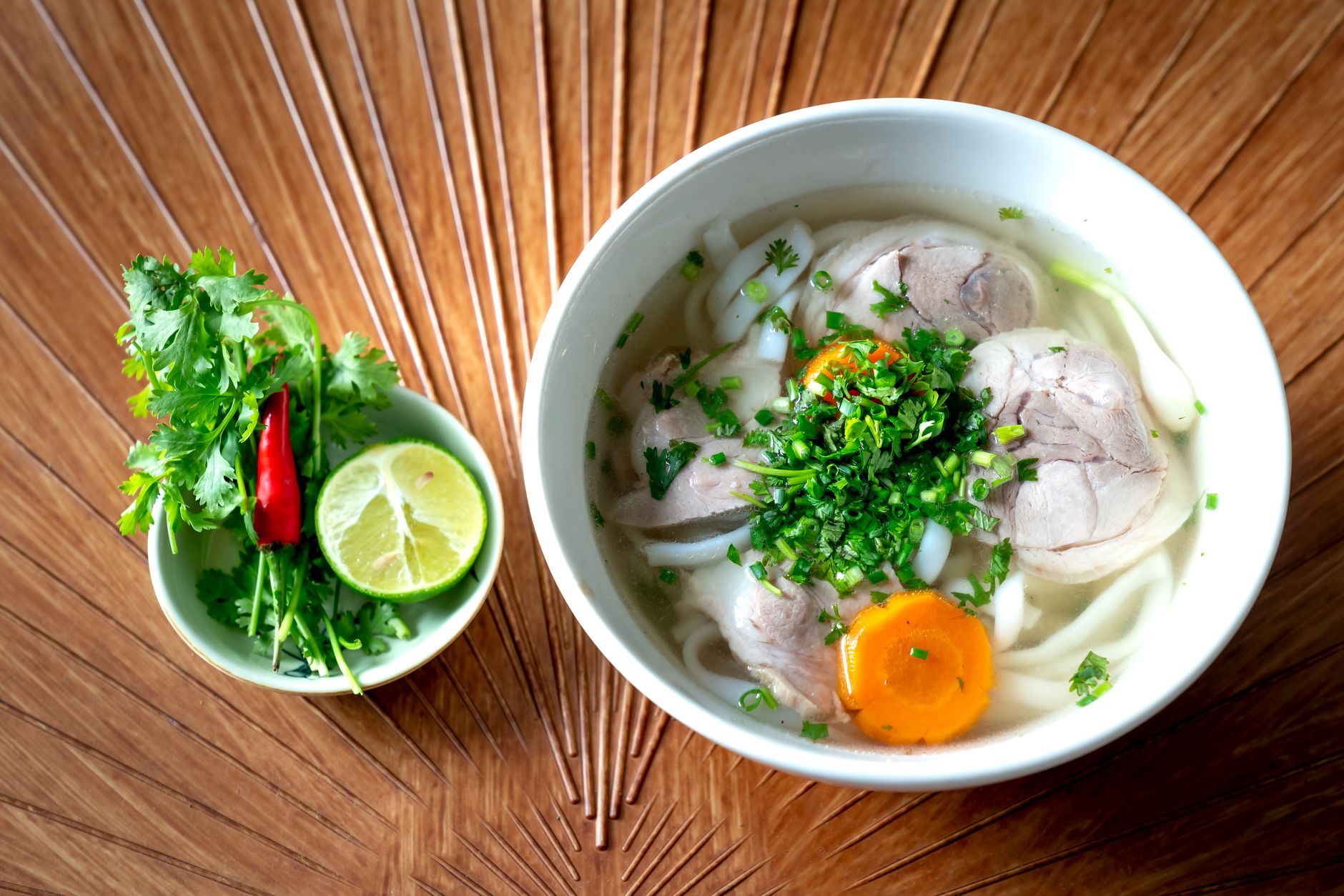
The first thing to notice about pho and ramen is their core ingredients. Pho is made with rice noodles, resulting in a delicate, slippery texture. The broth is typically clear and simmered slowly with beef or chicken, infused with spices like star anise and cinnamon. Fresh herbs such as basil, cilantro, and mint, alongside lime wedges, bean sprouts, and thinly sliced meat, complement its clean, bright flavor.
Ramen, on the other hand, uses wheat-based noodles that are firmer and chewier. The broth tends to be much richer. Popular variations include tonkotsu (creamy pork bone broth), shoyu (soy sauce), and miso, offering a range from salty to umami-packed depths. Toppings are heartier: think chashu pork, soft-boiled eggs, nori seaweed, bamboo shoots, and green onions, making each bowl deeply satisfying.
These ingredients not only define taste but also reflect the contrasting culinary roots of Vietnam and Japan, emphasizing phos fresh, herbal qualities against ramens complex richness.
How Broths Differ
At the heart of pho is a clear, fragrant broth. Its slowly simmered for hours using beef bones or chicken, along with spices like star anise, cinnamon, cloves, and ginger. The result is a light but aromatic soup that feels refreshing and mild on the palate.
Ramen broth, in contrast, covers a spectrumfrom the milky, collagen-rich tonkotsu broth made by boiling pork bones for up to 18 hours, to clearer soy sauce-based (shoyu) or fermented soybean paste-based (miso) broths. These broth styles tend to be richer and heavier. According to culinary experts, ramen broth aims to be full-bodied and velvety, often oily but packed with umami flavor.
These differences mean pho offers a clean, bright broth experience, whereas ramen delivers boldness and depth with every sip.
Pho Noodles vs Ramen Noodles
Phos noodles are crafted from rice flour, making them thin, flat, and translucent. Their silky texture contrasts nicely with the warm broth and fresh garnishes. They cook quickly and absorb broth flavors delicately without becoming heavy.
Ramen noodles are made from wheat flour and often contain kansui, an alkaline mineral water adding chewiness and a slightly yellow hue. They can be straight, wavy, thin, or thick, depending on regional style. This chewiness provides a pleasant mouthfeel that stands up to ramens denser broth and substantial toppings.
For enthusiasts exploring Halal-certified noodles, ensure that wheat noodles or rice noodles come from traceable sources adhering to certification standards such as JAKIM or IFANCA. This ensures no prohibited ingredients or cross-contamination.
Traditional Toppings Compared
When it comes to toppings, pho stays simple yet fresh. Common additions include thin slices of cooked or raw beef, fresh bean sprouts, lime wedges, Thai basil, and thinly sliced chilies. These ingredients are typically added at the table, allowing you to customize each bite.
Ramen toppings are more varied and cooked into the dishs richness. Expect slices of tender chashu pork, a marinated soft-boiled egg with a custardy yolk, nori sheets, bamboo shoots (menma), and scallions. These components contribute texture contrasts alongside the broths flavor.
This variety in toppings makes ramen an indulgent meal, whereas pho is brighter and more herbaceous.

Cultural and Eating Experience
Eating Pho vs Ramen
Pho is traditionally enjoyed as a breakfast or lunch dish in Vietnam. It is light enough to energize you without feeling heavy. The fresh herbs and condiments mean each bowl is interactive; you adjust flavors with lime, chili, and sauces to your liking. Pho dining is relaxed and often communal, emphasizing the fresh, natural balance of flavors.
Ramen, by contrast, is more commonly eaten as a lunch or dinner dish in Japan. Many regional variations exist, from Hokkaidos miso ramen to Kyushus tonkotsu. Its a warming, filling meal designed to satisfy after a long day. Many ramen shops even specialize in particular broth or noodle types, making it a culinary adventure.
In Halal communities, ramens ingredients require extra attention, especially with pork-based broths. Halal-certified restaurants often substitute pork with chicken or beef broth to cater to dietary needs.
Cultural Significance
Pho embodies Vietnams street food culture and is considered a national symbol. Its roots stretch from the early 20th century, uniting French culinary influences with Vietnamese flavors. Youll find pho stalls bustling in neighborhoods, where it serves as a daily ritual.
Ramens origin is rooted in Chinese influence, but it has evolved into a symbol of Japanese culinary pride. Each region boasts unique styles reflecting local tastes. This evolution has given rise to ramens immense global popularity, spawning countless fusion dishes worldwide.
Both dishes tell stories of migration, cultural exchange, and local identity through their ingredients and preparation styles.

Health Considerations
Nutritional Benefits
Pho is generally low in fat and calories. A typical bowl contains around 350450 calories depending on meat choice. Its rich in lean protein, especially when made with chicken or lean beef, and includes fresh herbs packing antioxidants and vitamins. Phos broth is also often lower in sodium compared to ramen, which can be a plus for health-conscious eaters.
Ramen is calorie-dense, often exceeding 600 calories per bowl due to its oily broth and fatty toppings like pork belly. However, its a good source of protein and carbs, providing energy and satiety. Some ramen styles incorporate fermented miso, which can aid digestion.
For those mindful of Halal consumption, choosing certified Halal meats and broths ensures no additives or ingredients counter to Islamic dietary laws.
Potential Health Drawbacks
Phos broth sometimes contains monosodium glutamate (MSG), which some people prefer to avoid or monitor. Its wise to clarify with Halal-certified vendors about MSG use.
Ramens higher sodium levelsanywhere from 800 mg to over 1500 mg per serving depending on stylecan be a concern for those watching blood pressure. Also, the saturated fat from pork-based broths may not suit everyone. Moderation and balancing ramen with lighter meals like salads or fresh fruits is best.
Choosing authentic Halal-certified ramen made with chicken or beef broth can reduce some of these concerns and provide healthier alternatives.
Choosing Pho or Ramen
Which to Pick When?
If you want something light, fresh, and customizable, pho is the perfect choice. It works well for breakfast or a quick lunch. It suits those looking for lower fat and more herbal flavors.
Ramen is ideal when you crave something hearty and warming, with complex flavors and filling toppings. Its wide variety means you can find something mild or intense, depending on your appetite.
In Muslim households or for Halal consumers, checking for certification logos like JAKIM, HMC, or IFANCA on packaged noodles and broths is key. Many restaurants now offer Halal-certified options, giving you more freedom to enjoy authentic tastes.
Can You Combine Pho and Ramen?
Creative cooks have been experimenting with fusion bowls blending phos fresh herbs with ramens rich broth, or substituting wheat noodles for rice noodles in a traditional broth. While purists might resist, these innovations introduce new textures and flavors, keeping food exciting.
Trying fusion recipes at home inspired by both dishes lets you control ingredients and ensure they meet your Halal and health preferences. This can be a fun way to upgrade your kitchen skills and impress guests.
Freezer breakfast sandwiches also offer convenient ways to enjoy Halal-certified meals when short on time.
Pro Tips for Enjoying Pho and Ramen
For pho, adding fresh herbs just before eating preserves their vibrancy. Dont forget to squeeze lime and add chili for balanced acidity and heat.
With ramen, stir gently to blend broth and toppings without breaking delicate noodles or eggs. Sampling various regional styles will help you discover your favorite flavor profile.
When buying Halal-certified instant noodles or soup bases, always check the packaging carefully. Avoid products with unspecified meat sources or artificial additives to maintain dish authenticity and safety.
More You Might Like
If you enjoy thoughtfully prepared meals, try these meal prep breakfast sandwichesperfect for busy mornings with Halal-certified ingredients.
When is the best time to eat pho or ramen?
Pho is generally enjoyed for breakfast or lunch due to its lightness, while ramen is more common for lunch or dinner because of its hearty and filling nature. Of course, personal preference plays a role. Both can be enjoyed any time you desire a warm, comforting meal.
Is pho or ramen actually Halalwhat should I check?
Ensure the meat and broth used in pho or ramen come from Halal-certified sources. Look for certification logos such as JAKIM, HMC, or IFANCA on packaged products or inquire at restaurants. Avoid broths containing pork or alcohol-based ingredients.
Can I make pho or ramen at home easily?
Yes, with the right ingredients and time, you can craft authentic pho or ramen at home. Pho broth requires slow simmering spices for several hours, while ramen broth can be prepared with smaller ingredients batches depending on style. Both dishes benefit from fresh, quality ingredients.
Are gluten-free options available for pho and ramen?
Pho noodles are naturally gluten-free, made from rice flour. Ramen noodles traditionally contain wheat, but several brands now offer gluten-free versions made from alternative flours. Always check packaging carefully for gluten-free certification.
What Halal certification standards apply to pho and ramen?
Products and ingredients should meet standards set by recognized bodies such as Malaysias JAKIM, the Halal Monitoring Committee (HMC), or IFANCA. These certifications ensure all components comply with Islamic dietary laws from sourcing to packaging.
How should leftovers of pho or ramen be stored?
Store broth and noodles separately in airtight containers. Pho broth keeps for up to 4 days refrigerated; noodles for 2 days. Ramen broth retains quality for 34 days refrigerated, noodles for 2 days. Reheat on medium heat for 57 minutes, avoiding overcooking noodles.
Can I find Halal-certified pho and ramen in supermarkets?
Yes. Many halal-certified instant noodles and soup bases for pho and ramen are becoming widely available. Always check for authentic Halal logos and avoid products with ambiguous ingredient lists or additives.
Conclusion
Pho vs ramen presents two distinct, delicious worlds of noodle soups. Pho offers a fresh, light, and herbaceous experience, while ramen delivers bold, rich, and satisfying flavors. Knowing their differences helps you choose based on your taste and health preferences. Next time youre at the grocery store or restaurant, take a closer look at ingredients and certifications to enjoy these dishes with confidence and appreciation.
FAQs
Is pho vs ramen actually Halal — what should I check on the label?
To ensure pho or ramen is Halal, verify the meat and broth are from Halal-certified sources. Look for logos like JAKIM, HMC, or IFANCA on packaging or menus. Avoid broths with pork or alcohol-based ingredients to comply with Islamic dietary laws.
When is the best time to eat or drink pho vs ramen?
Pho is traditionally enjoyed for breakfast or lunch due to its light, fresh qualities. Ramen is commonly eaten at lunch or dinner because it is heartier and more filling. However, both can be enjoyed anytime you want a warm, comforting meal.
How long do pho and ramen leftovers last after opening?
Store broth and noodles separately in airtight containers. Pho broth lasts up to 4 days refrigerated; pho noodles for 2 days. Ramen broth keeps 3–4 days refrigerated; ramen noodles also last about 2 days. Reheat gently to avoid overcooking noodles.
What is the main difference between pho and ramen noodles?
Pho noodles are thin, flat, and made from rice flour, giving them a delicate texture. Ramen noodles are wheat-based, chewier, and often made with alkaline water (kansui), providing a firmer bite that stands up to richer broths and toppings.
Where can I buy Halal-certified pho and ramen products?
Halal-certified pho and ramen noodles, broths, and instant products are available at specialty grocery stores, halal markets, and some major supermarkets. Always check packaging for Halal certification marks like JAKIM, HMC, or IFANCA to ensure authenticity.