If youve ever stared at the meat counter wondering if spare ribs or baby back ribs are the better pick, youre not alone. While both ribs come from the pig and look deliciously similar, the differences can change how youll cook them, how much you pay, and ultimately the flavor and texture youll enjoy. Spare ribs vs baby back might seem like a simple choice, but knowing their unique qualities actually helps you make smarter buys and tastier meals.
Whether youre planning a weekend barbecue or a slow-cooked dinner, understanding how baby backs and spare ribs compare can save you from overcooking or missing out on the richness you crave. So lets break it down and figure out which rib fits your plate best.
Basic Rib Types
What Defines Spare Ribs vs Baby Back Ribs?
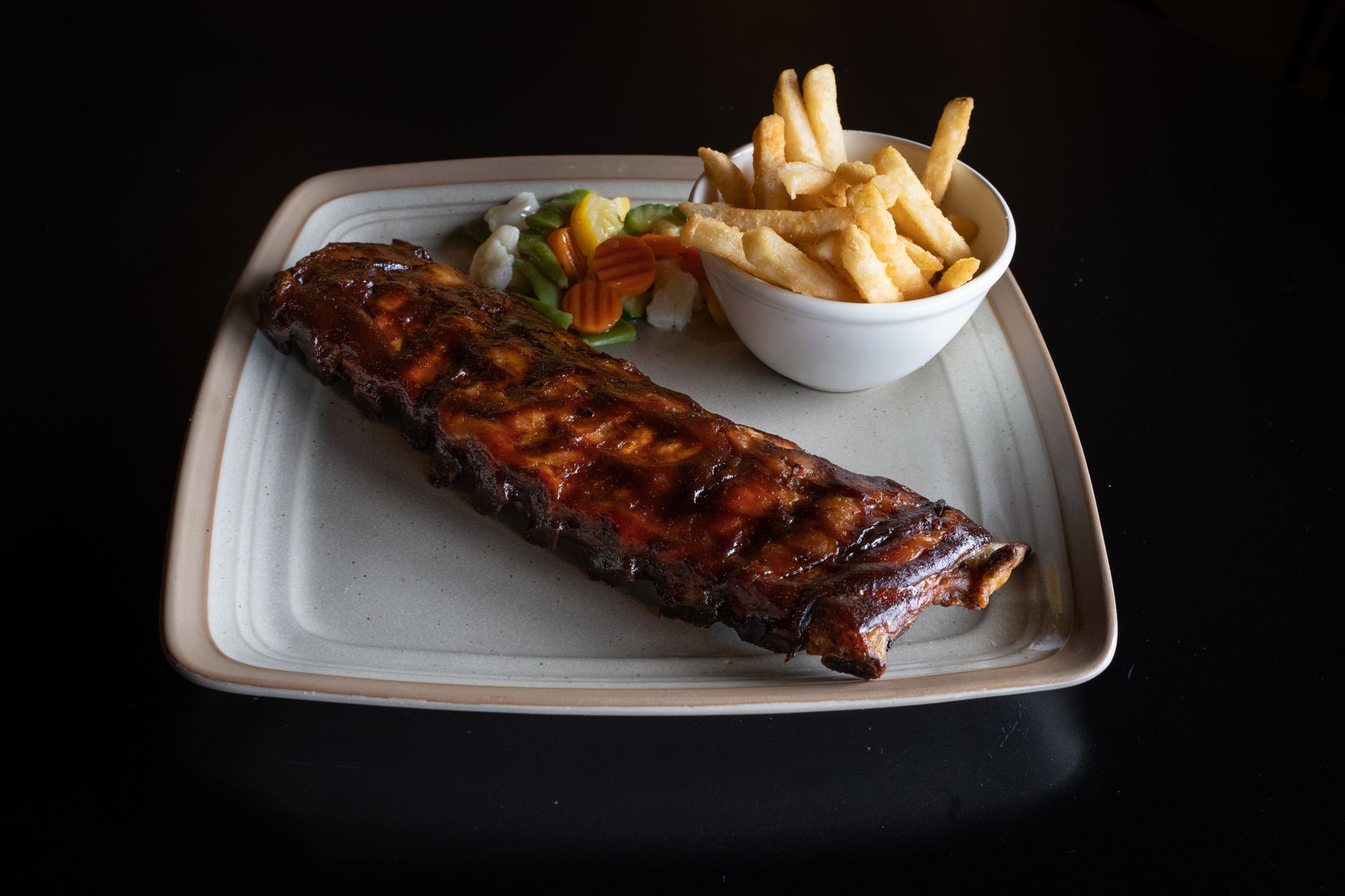
At the most basic level, baby back ribs come from the top of the rib cage, just below the loin muscle, near the pigs spine. They curve along the backbone, hence the back in their name. Spare ribs, meanwhile, are cut from the lower section of the rib cage, closer to the belly. This is a fattier area with more bone exposed compared to baby backs.
This difference in location means baby back ribs tend to be shorter, with smaller bones and leaner meat packed tightly between them. Spare ribs have larger bones and more connective tissue, often with extra cartilage near the breastbone area, but they carry richer fat marbling that adds flavor.
Why Does It Matter?
Knowing where these ribs come from lets you understand their texture, fat content, and cooking needs. Baby back ribs are leaner and tender, so they cook faster and often grill well. Spare ribs need more time for the fat and cartilage to break down, making slow smoking or braising ideal.
Getting familiar with these traits improves your cooking results and helps you choose ribs that match your taste and time.
Meat and Fat Content
Baby Back Ribs Are Meatier, Spare Ribs Have More Fat
Baby back ribs usually carry a bit more lean, tender meat compared to their size. They are prized for that clean, mild pork flavor that stays juicy but not greasy. On the other hand, spare ribs pack more meat overall but include a higher fat content and connective tissues that require patience to tenderize fully.
| Characteristic | Baby Back Ribs | Spare Ribs |
|---|---|---|
| Meat Quantity | Leaner, tender meat around smaller bones | More meat but fattier cuts |
| Fat Content | Lower fat content | Higher fat and connective tissue |
| Bone Size | Smaller, curved bones | Larger, flatter bones |
The extra fat in spare ribs gives them a richer flavor when cooked properly. The fat melts slowly during low-and-slow cooking, basting the meat inside and keeping it moist. The leaner baby backs can dry out if overcooked but reward you with a tender bite when grilled or smoked right.
Price Differences
Baby Back Ribs Are More Expensive Than Spare Ribs
Baby back ribs fetch a higher price tag for a few reasons. They contain leaner and more tender meat from a less fatty area, making them more desirable for quick cooking. Butchering them requires precision, and they come in smaller portions, which drives prices up.
Spare ribs, with their larger size and fattier profile, are often sold at a lower cost per pound. Theyre more available in many markets due to their connection to bacon and other pork cuts, making them a budget-friendly option if youre willing to cook low and slow.
Is It Worth Paying More for Baby Back Ribs?
If you want ribs for quick grilling or smoking on a weekend, baby back ribs shine with their tenderness and mild flavor. But if youre aiming for deeply flavorful, fall-off-the-bone meat with rich fat, spare ribs are worth the extra cooking time. Many barbecue enthusiasts swear by spare ribs for that authentic, juicy bite.
Cooking Times and Techniques
Spare Ribs Need Longer Cooking Than Baby Backs
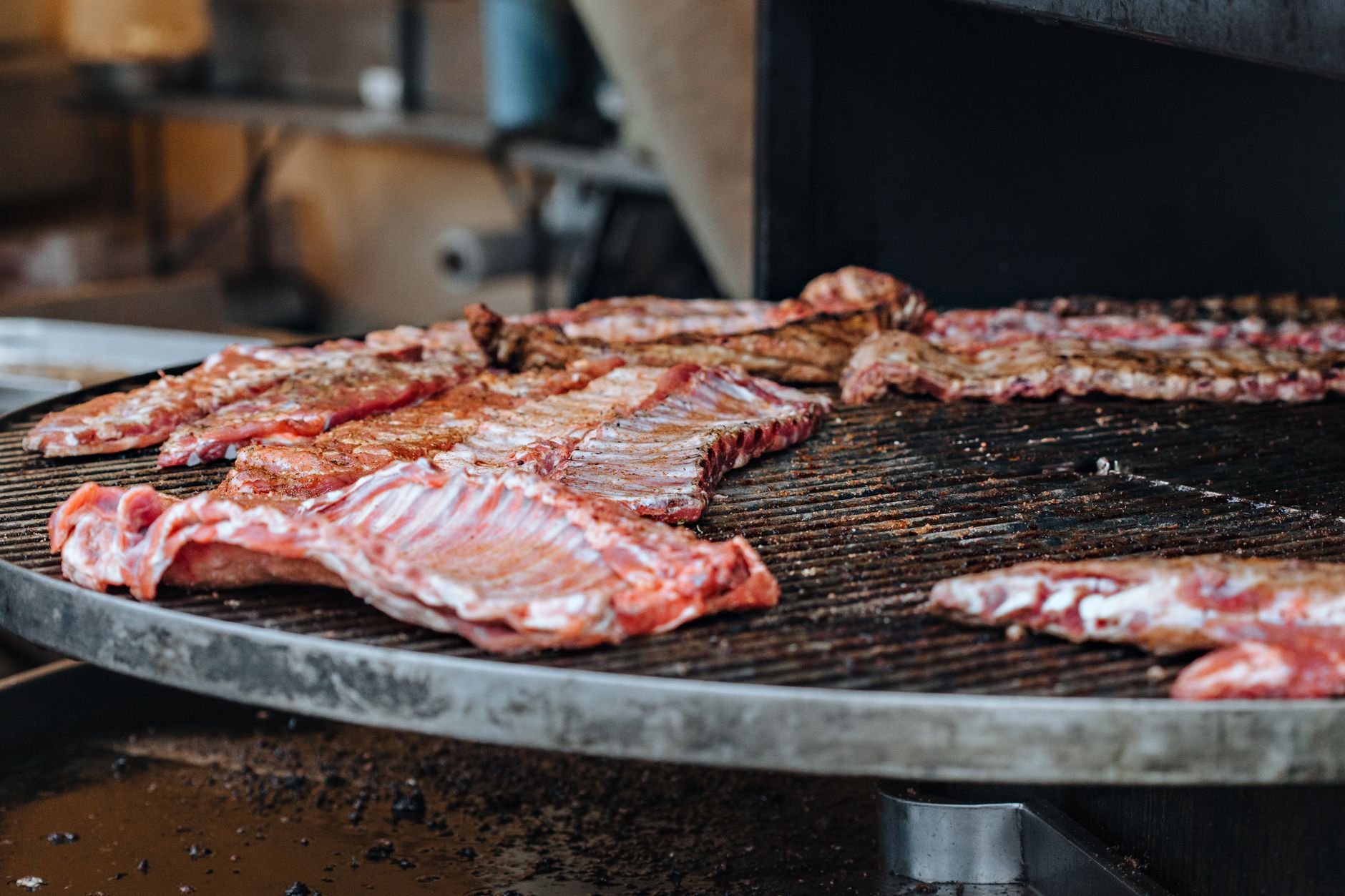
Because spare ribs have more fat and connective tissue, they require longer cooking periods to become tender. Youll want to cook them low and slowusually 4 to 6 hours at about 225250F in a smoker or ovento allow the fat to render fully.
Baby back ribs need less time, often ready between 2 and 3 hours at the same temperature, thanks to their leaner profile. They grill beautifully and take well to a quick smoke finish or a slow bake.
Popular Cooking Methods
- Spare Ribs: Smoking, braising, slow roasting, or sous vide to break down fat and cartilage.
- Baby Back Ribs: Grilling, baking, quick smoking, or even oven roasting at moderate heat.
Both ribs respond well to dry rubs, marinades, or mop sauces. For halal consumers, ensure all seasoning blends and sauces carry proper certification if thats a priority.

Quick Recipes for Spare Ribs and Baby Backs
| Recipe | Prep Time | Cook Time | Total Time | Servings |
|---|---|---|---|---|
| Oven-Baked Baby Back Ribs | 15 minutes | 2.5 hours | 2 hours 45 minutes | 4 |
| Slow-Smoked Spare Ribs | 20 minutes | 5 hours | 5 hours 20 minutes | 6 |
Oven-Baked Baby Back Ribs
- Preheat oven to 275F (135C).
- Remove membrane from ribs; season with dry rub or halal-certified spice blend.
- Wrap ribs tightly in foil and place on a baking sheet.
- Cook for 2.5 hours until tender but not falling apart.
- Unwrap, brush with Halal-certified BBQ sauce, broil for 5 minutes.
- Rest 5 minutes before serving.
Slow-Smoked Spare Ribs
- Prepare smoker to maintain 225F (107C).
- Remove membrane and apply seasoned dry rub with kosher salt, black pepper, and halal-certified spices.
- Smoke ribs for 3 hours, spritzing every 30 minutes with apple juice for moisture.
- Wrap ribs tightly in foil and return to smoker for another 2 hours.
- Unwrap and smoke for 30 more minutes to set a bark crust.
- Rest 10 minutes and slice between bones.
Whether you choose quick oven baking or more involved smoking, always ensure the meat reaches an internal temperature of 190203F to guarantee tenderness, according to USDA guidelines.
Choosing the Best Ribs
What to Consider Before Buying Your Ribs
Your choice depends on budget, cooking patience, and flavor preference. Baby backs suit quick cooks and smaller families or those who prefer lean meat. Spare ribs are ideal for larger gatherings, slow smokers, and lovers of rich, succulent ribs.
For halal consumers, check for trusted certifications like JAKIM, HMC, or IFANCA seals on packaging. These assure the meat aligns with dietary and ethical requirements. Also check freshness by looking for firm, pinkish meat without a strong odor.
| Certification | Price Range | Common Formats | Shelf Life | Key Allergens |
|---|---|---|---|---|
| JAKIM, HMC, IFANCA | $15$30 per rack | Whole racks, trimmed halves | 35 days refrigerated; 6 months frozen | None (pure pork product) |
Best for Beginners vs Experienced Cooks
If youre just starting, baby back ribs are forgiving and easier to cook evenly. Spare ribs challenge you with longer cooking and skillful temperature control, but reward patience with incredible flavor.
And if youre wondering how to keep your meats fresh longer, check out our guide on Cook frozen chicken the principles apply to preserving all halal meats safely.
Frequently Asked Questions
Is spare ribs vs baby back actually Halal what should I check?
Both spare ribs and baby back ribs can be halal if the pig is replaced by halal-certified beef or lamb ribs, since pork is non-halal. Always check for certification logos such as JAKIM, HMC, or IFANCA on packaging, confirming the product complies with Islamic dietary laws. Avoid ambiguity by buying from trusted halal suppliers.
When is the best time to eat ribs?
Ribs are perfect during social meals like weekend barbecues, family gatherings, or festive occasions. Enjoy them when you have time for slow cookingfor spare ribsor when you crave tender, quick grilled baby backs.
How should I store ribs after purchase?
Keep fresh ribs refrigerated at 24C and consume within 35 days. For longer storage, freeze at 18C or below; they stay good for up to 6 months if properly wrapped to avoid freezer burn.
Can I cook ribs from frozen?
Certainly! Cooking ribs from frozen requires longer times and lower temperatures for even heating. For detailed tips on preparing frozen halal meat safely, see our Cook frozen chicken guide.
Whats the best cooking temperature for ribs?
Maintain 225250F (107121C) for low-and-slow cooking, especially for spare ribs. Baby back ribs can handle slightly higher heat but avoid over 300F to prevent drying out.
Are marinades necessary for ribs?
Marinades add flavor and tenderness but arent mandatory. Simple dry rubs or halal-certified BBQ sauces work great. Pay attention to ingredient labels to avoid hidden non-halal components.
Can spare ribs be grilled like baby backs?
Yes, but spare ribs usually need pre-cooking, like boiling or slow roasting, before grilling to ensure tenderness. Baby backs grill well without pre-cooking because theyre leaner and smaller.
Pro Tips for Rib Buyers
- Dont rush the cook: Cheap ribs often come from less tender cuts or poor handling. Investing time in slow cooking transforms spare ribs into buttery, juicy meat.
- Ask your butcher: Request ribs trimmed of excess fat and membranes. This boosts flavor penetration and tenderness.
- Check the seal: For halal consumers, verify the presence of trusted certification sealstrust but verify to keep your meals wholesome and clean.
More You Might Like
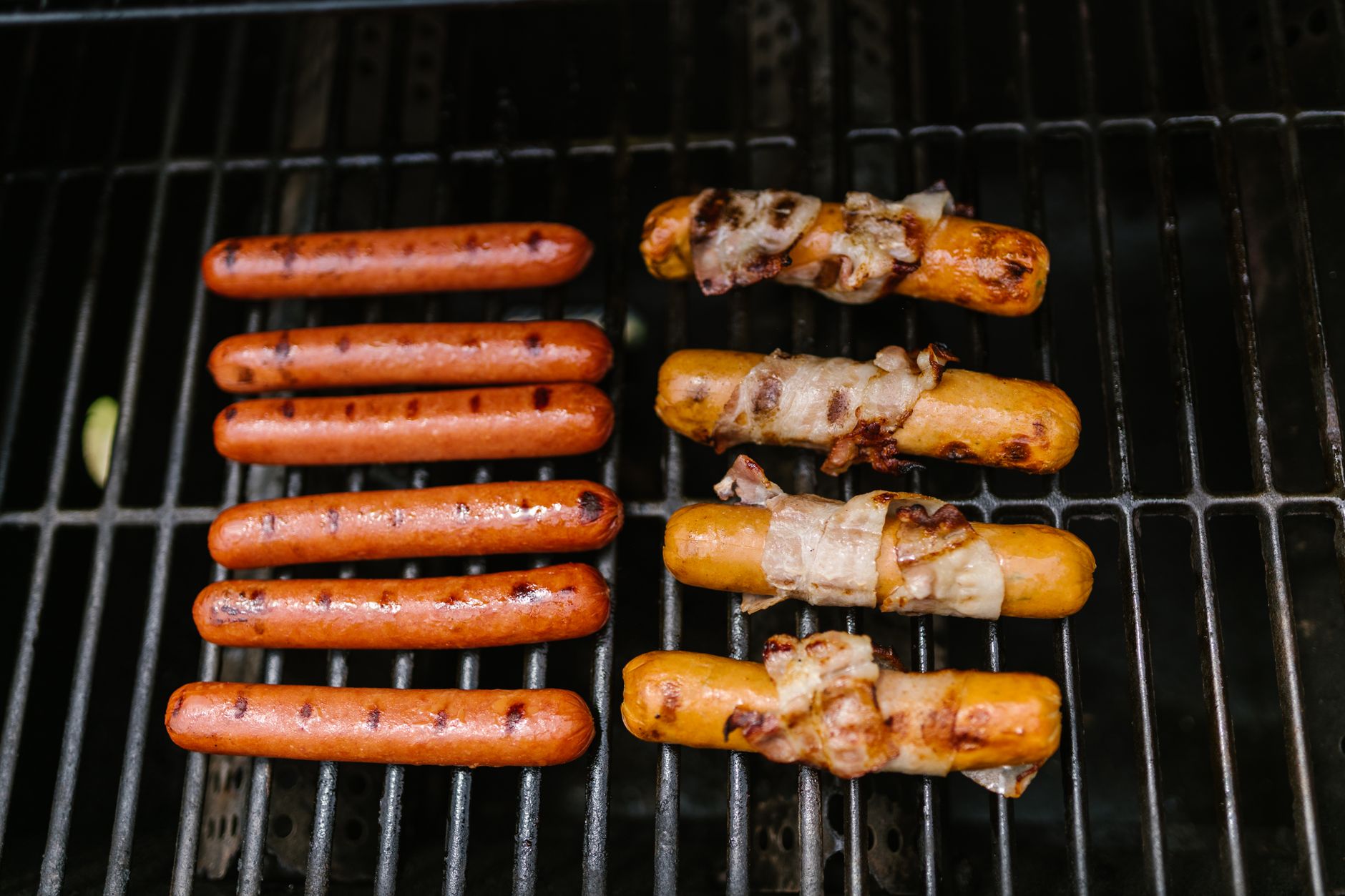
If you want creative meal ideas to pair with ribs, explore our collection of Best hot dogs for quick and flavorful snacks at your next cookout.
Also, for meal prep tips and food safety, our Cook frozen chicken post explains how to handle frozen meats without losing taste or texture.
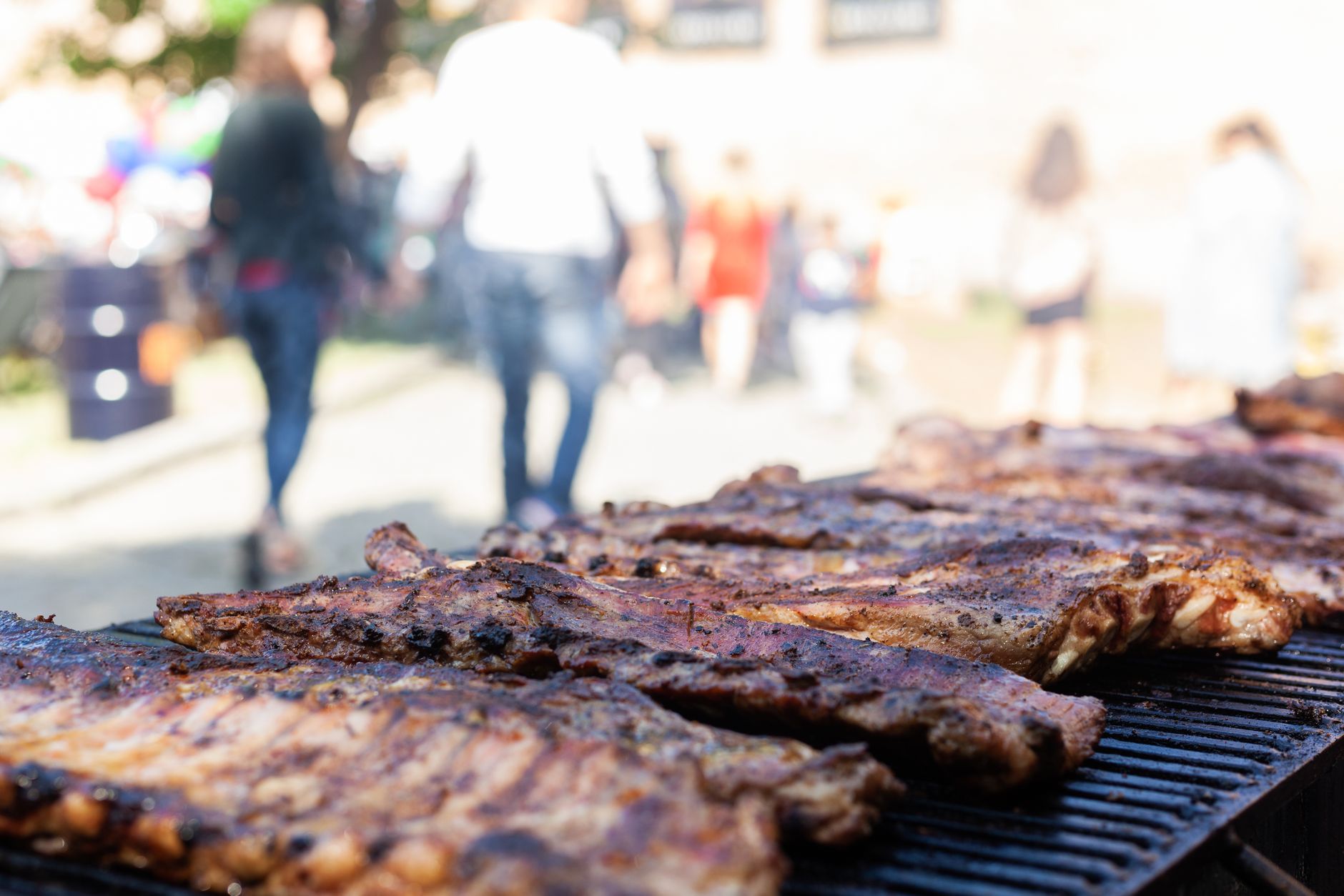
When you next shop for ribs, take a moment to consider the cut carefully. Understanding spare ribs vs baby back matters more than you might thinkits the step that gets you the best flavor, texture, and cooking experience possible. Try both types to find what delights your taste buds most, and enjoy a hearty, Halal-certified meal to share. Wed love to hear which rib recipes you swear byfeel free to leave a comment and share your favorites!
FAQs
Is spare ribs vs baby back actually Halal — what should I check on the label?
Both spare ribs and baby back ribs can be halal if they come from halal-certified beef or lamb, as pork is non-halal. Always look for certification logos such as JAKIM, HMC, or IFANCA to confirm compliance with Islamic dietary laws and buy from trusted halal suppliers.
What is the typical shelf life of ribs after purchase?
Fresh ribs should be refrigerated at or below 4°C and consumed within 35 days. For longer storage, freeze ribs at –18°C or below, where they remain good for up to 6 months if properly wrapped to avoid freezer burn.
How do spare ribs differ from baby back ribs in flavor and texture?
Spare ribs have more fat and connective tissue, giving richer flavor and requiring longer slow cooking. Baby back ribs are leaner and more tender, cooking faster with a milder taste, ideal for quick grilling or smoking.
Is it safe to eat ribs daily as part of a balanced diet?
Ribs can be enjoyed occasionally as part of a balanced diet, but due to their fat content, especially spare ribs, it's best not to consume them daily. Choose leaner cuts like baby backs and control portion sizes for healthier options.
Where can I buy halal-certified spare ribs or baby back ribs?
Halal-certified ribs made from beef or lamb can be found at specialty halal butchers, trusted supermarkets with halal sections, or online halal meat suppliers. Always verify certification seals such as JAKIM, HMC, or IFANCA on packaging.