A bistro restaurant offers more than just French food or a quaint caf vibe. Its a casual spot where simple, affordable dishes meet a warm, inviting atmosphere. Whether youre craving comfort food or a friendly place to gather, understanding what defines a bistro restaurant helps you appreciate why it remains a beloved dining style across the globe.
Defining Bistro Dining
French Bistro Definition: What Makes a Restaurant a Bistro?
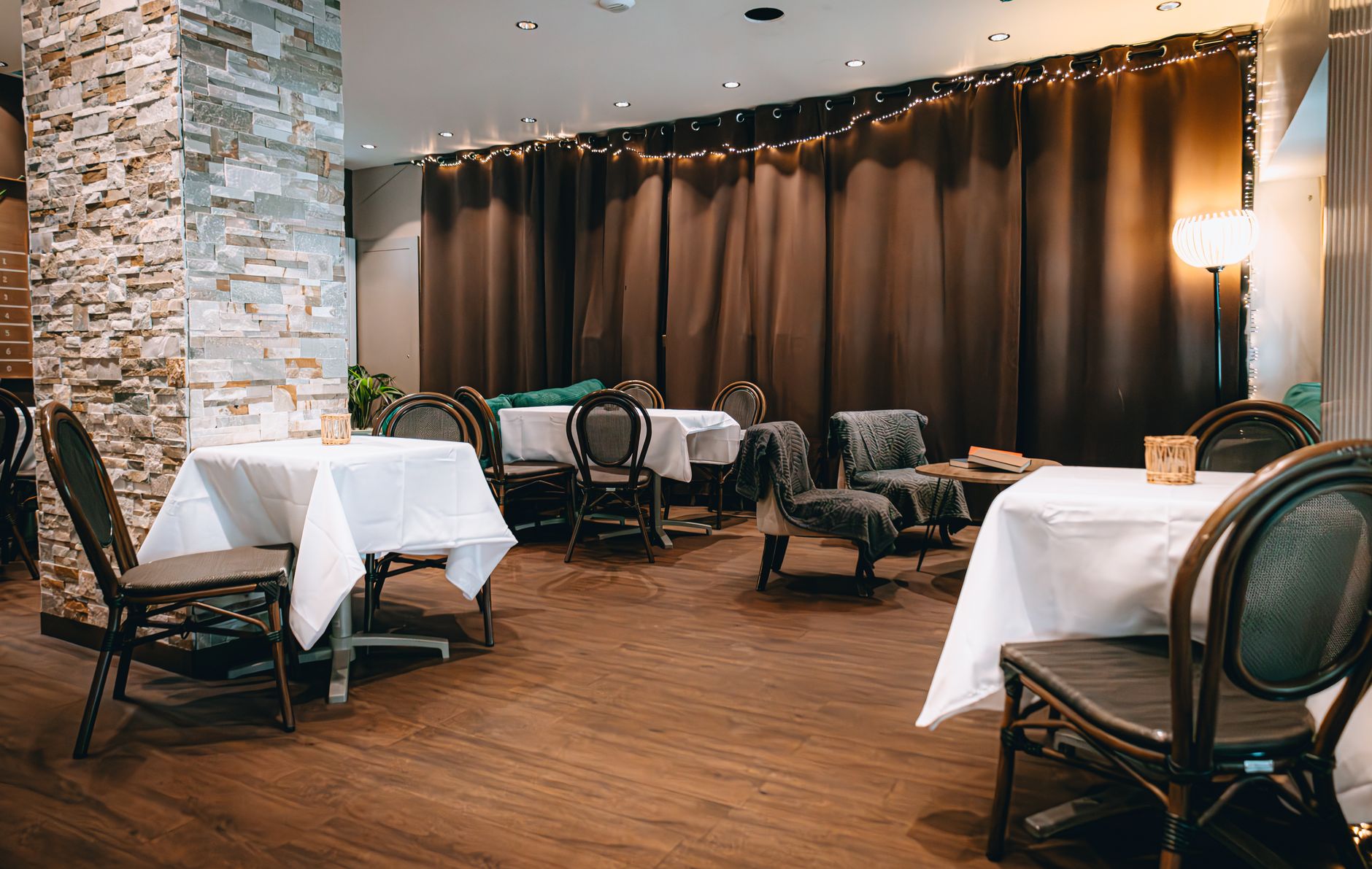
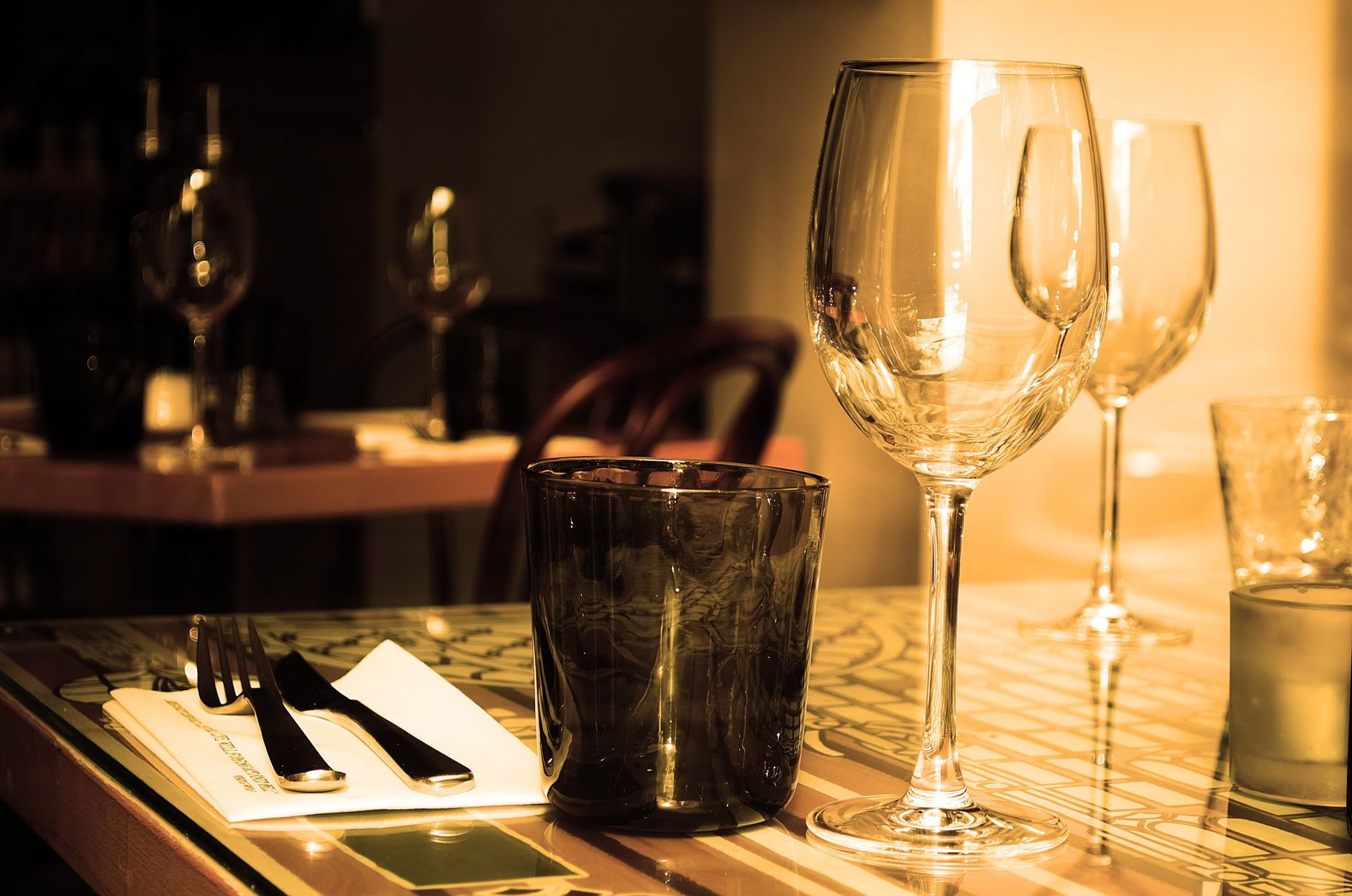
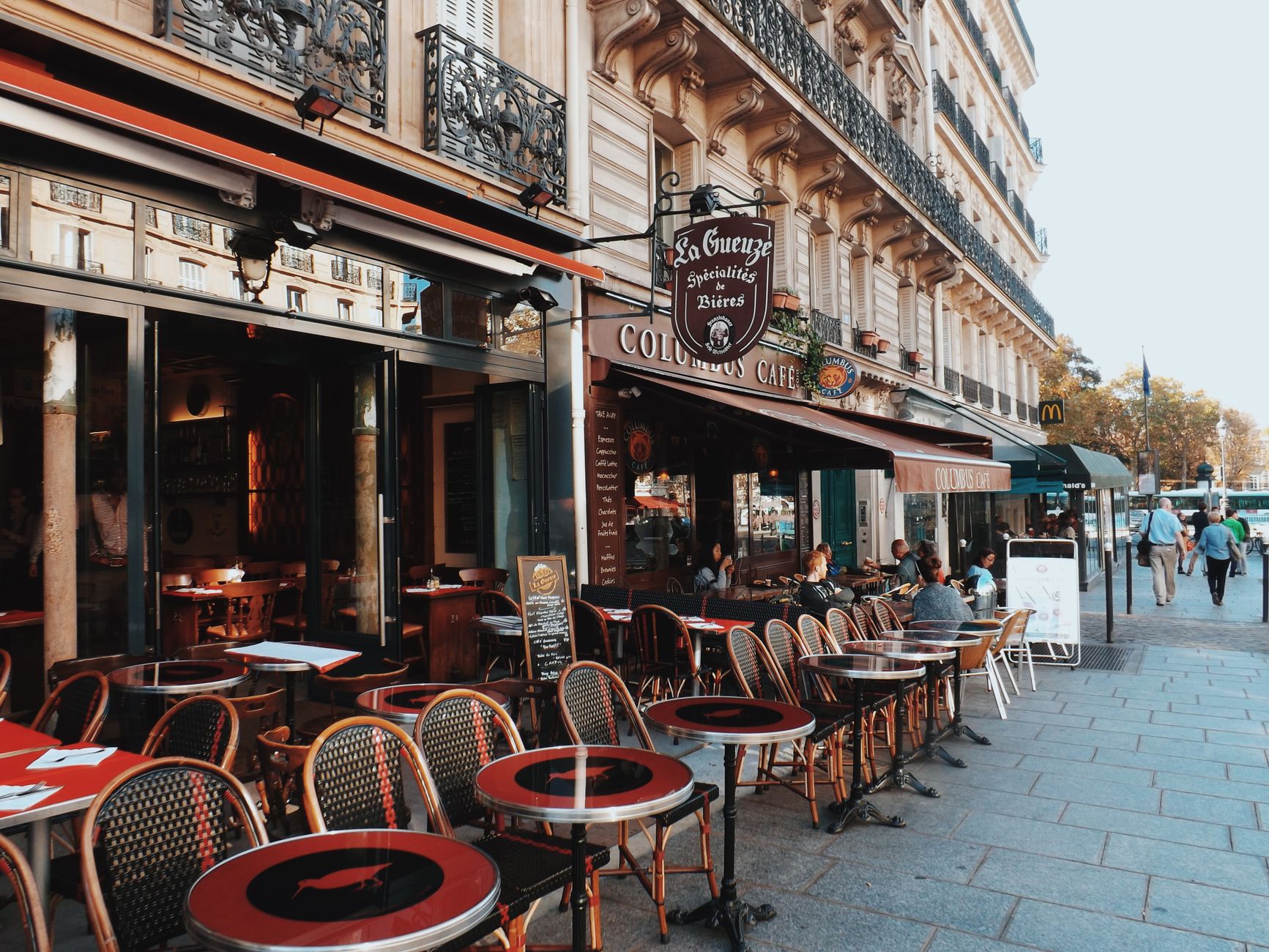
The term bistro restaurant originally referred to small Parisian eateries known for their modest decor and straightforward menus. Traditionally, a bistro featured simple French dishes served in an informal setting. The focus was on comfort and accessibility rather than elaborate presentation. The ambiance is casual yet thoughtfully arrangedwooden tables, vintage chairs, chalkboard menus, and soft lighting all contribute to a relaxed environment.
Experts agree that a true bistro emphasizes unpretentious hospitality and authentic flavors. Culinary historian Jean-Pierre Moine notes, A bistro is where the heart of French dining beats quietly, with emphasis on home-style cooking served by familiar faces.
Types of Bistros Worldwide
While classic French bistros remain iconic, the concept has evolved globally. Today, bistros often blend local cuisines with traditional formats. For example, you might find a Mediterranean bistro in New York serving meze alongside red wine, or a halal bistro in Kuala Lumpur offering Middle Eastern-inspired dishes that follow Halal guidelines.
Bistros adapt depending on their setting: urban bistros may be compact but trendy, while rural ones tend to focus on seasonal and local produce, creating a farm-to-table experience. This flexibility allows the bistro concept to resonate across cultures, all while maintaining its core: simplicity, comfort, and affordability.
Bistro Menu Essentials
Classic Bistro Menu Ideas
A traditional bistro restaurant menu highlights dishes that bring richness without complexity. Classics include coq au vinchicken braised in wine, steak fritesgrilled steak served with crispy fries, and French onion soup topped with melted cheese. These dishes prioritize seasonal and locally-sourced ingredients to ensure freshness and authentic flavor.
Wine often accompanies meals, complementing the dishes with depth and pairing perfectly with the hearty portions. For Halal diners, bistros offering options certified by JAKIM or HMC ensure that meats comply with Islamic dietary standards.
Many bistros also feature simple, vegetarian-friendly salads and cheese plates to lighten the menu, balancing indulgence with health-conscious choices. This approach fits well for diners who seek both taste and mindful eating.
Modern Bistro Menus: Innovation Meets Tradition
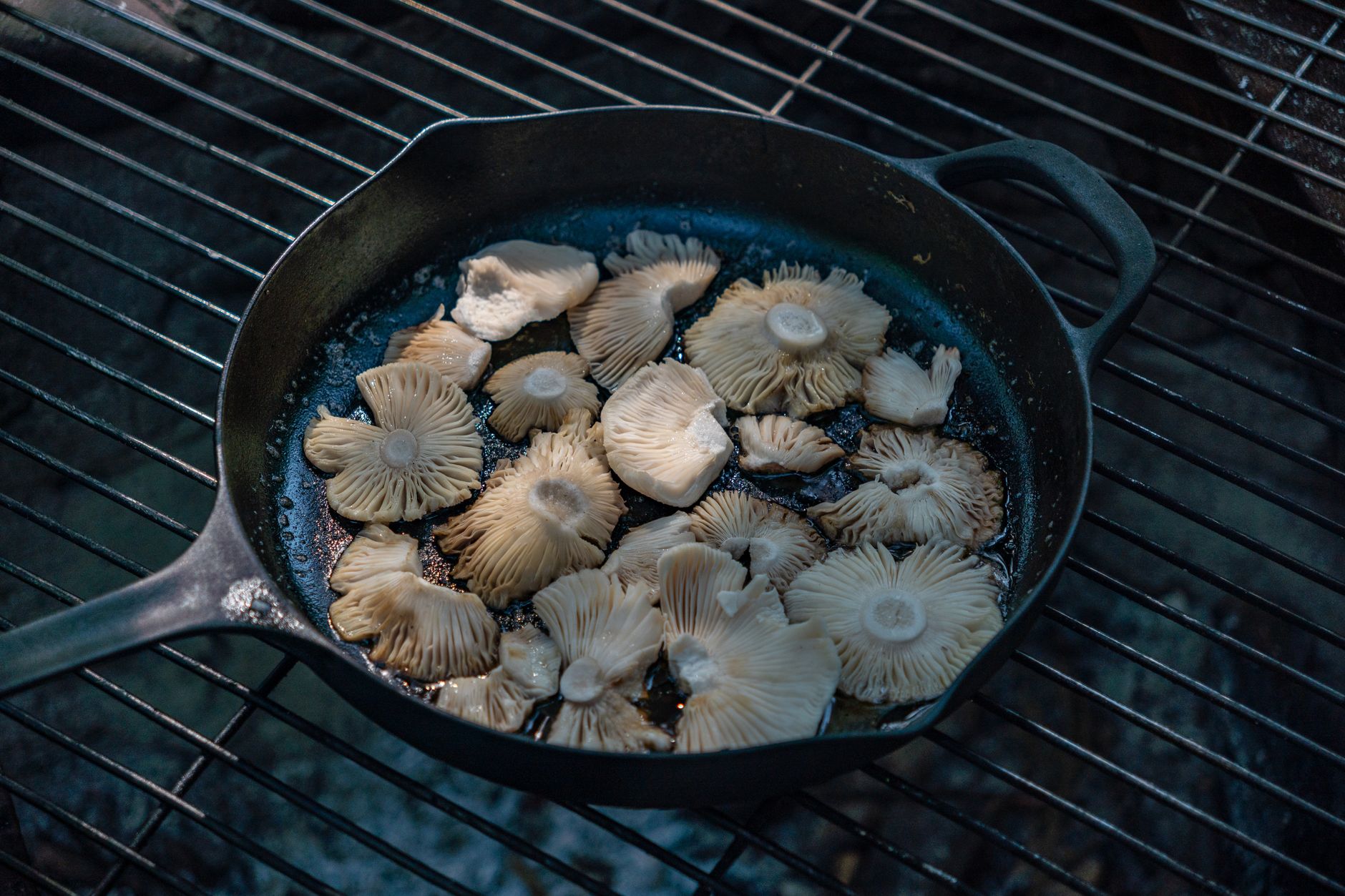
Contemporary bistros merge classic dishes with fresh ideas. You might find vegan coq au vin using mushrooms or gluten-free adaptations of steak frites with baked sweet potato fries. Chefs innovate by incorporating global spices or Halal-certified ingredients, ensuring the menu suits diverse dietary needs.
Consider a bistro blending Middle Eastern flavors like zaatar and sumac into traditional French preparations. This culinary fusion respects heritage while pushing boundaries. Many upbeat bistros now offer seasonal tasting menus or small plates encouraging shared dining experiences.

Bistro Ambiance and Experience
The Cozy Feel of Small French Eateries
The atmosphere defines much of a bistro restaurants appeal. Intimate seating, low-lit rooms, and friendly staff cultivate a welcoming vibe that encourages extended conversations and repeat visits. Patrons often feel like part of a community, returning to their favorite tables and chatting with familiar servers.
This cozy ambiance suits casual socializing without rushing. Many bistros use simple decorexposed brick, vintage posters, or fresh flowersto create a timeless but personal experience.
Casual Dining with Quality
Bistros strike a balance between accessibility and culinary skill. Unlike upscale restaurants, they dispense with formality but never compromise on ingredient quality or cooking expertise. Chefs at bistros often have robust training and use traditional techniques to enhance simple dishes.
For many, the relaxed setting combined with satisfying food creates an experience that is nourishing in both body and spirit. This harmony explains the growing popularity of bistro-style restaurants among health-conscious and Halal diners alike.
Spotting an Authentic Bistro Restaurant
Key Features to Look For
Wondering how to identify a genuine bistro? Look for straightforward menus that showcase fresh, local produce without excessive choices cluttering the list. The dishes should reflect simplicity with balanced flavors, avoiding overly rich sauces or gimmicky presentations.
A true bistros atmosphere is informal but not careless. Friendly service and an emphasis on comfort are giveaways. Check for visible certification if you require Halal optionslogos from JAKIM, IFANCA, or HMC on the menu or packaging instill confidence.
Common Misconceptions
Not every small restaurant calling itself a bistro meets the mark. Cafs typically focus on coffee and light snacks, while brasseries serve larger, sometimes heavier menus. Fine dining establishments have more elaborate presentations and formal service, which bistros consciously avoid.
Beware of restaurants that use bistro as a marketing label without embracing its casual yet authentic spirit. Enjoying the genuine experience is about appreciating the balance of simplicity, warmth, and quality.
Pros and Cons of Bistro Restaurants
Benefits of Bistro Restaurants
- Affordable dining that doesnt sacrifice authentic tastes
- Inviting atmosphere perfect for casual gatherings
- Flexible menus that encourage creativity and seasonal sourcing
- Accessibility for Halal and health-conscious consumers with proper certification
Challenges and Risks
- Maintaining authenticity while adapting to modern tastes
- Operating efficiently in small spaces with limited staff
- Balancing tradition with evolving customer expectations for diversity and dietary needs
What to Look For Table
| Certification | Price Range | Common Formats | Shelf Life | Key Allergens |
|---|---|---|---|---|
| JAKIM, HMC, IFANCA (Halal Certified) | $$ - Affordable to mid-range | Small plates, set menus, daily specials | Fresh daily; 1-3 days if packaged | Dairy, gluten, nuts (depending on dishes) |
Best Foods for Gut Health
Bistros using fermented foods, fresh vegetables, and whole grains support gut health naturally. Including dishes with sauerkraut, pickles, or cultured dairy products can enhance digestion and wellbeing. Check out best foods for gut health to learn more about nourishing ingredients often featured in bistro menus.
Health Foods Stores
If you enjoy bistro-style dishes at home, sourcing high-quality Halal-certified ingredients matters. Visit reputable health foods stores that stock organic produce, clean-label oils, and authentic spices to elevate your cooking.
Is a Bistro Restaurant Actually Halal What Should I Check?
Many bistros offer Halal options, but ensure they bear reputable certification logos like JAKIM, HMC, or IFANCA to verify compliance. Confirm that meats, beverages, and prepared dishes meet Islamic dietary guidelines. If uncertain, ask staff about ingredient sourcing or preparation methods to avoid cross-contamination.
When Is the Best Time to Eat at a Bistro Restaurant?
Lunch and dinner are ideal times to enjoy bistro dining, as menus often change with fresh daily specials. Early evenings suit relaxed social experiences, while weekend brunches may feature lighter or sweet options. Because bistros focus on hospitality, any time you feel like a stress-free meal is perfect.
How Are Bistro Menus Adjusted for Dietary Restrictions?
Many modern bistros include vegetarian, vegan, gluten-free, or Halal-certified dishes to accommodate diverse patrons. Chefs often swap traditional ingredients for plant-based or allergy-friendly substitutes without losing flavor. Its best to inquire about menu options directly for your specific needs.
What Makes Bistro Food Different From Caf Fare?
Cafs generally emphasize coffee, pastries, and light snacks, while bistros provide fuller meals like stews, grilled meats, and salads. Bistros focus less on quick bites and more on a full dining experience grounded in traditional culinary methods.
Can I Recreate Bistro Meals at Home?
Absolutely. Bistro recipes often use simple ingredients and straightforward techniques, making them accessible to home cooks. Focus on fresh, quality ingredients, minimal seasoning, and slow cooking where applicable to replicate bistro charm.
What Should I Expect From Service in a Bistro?
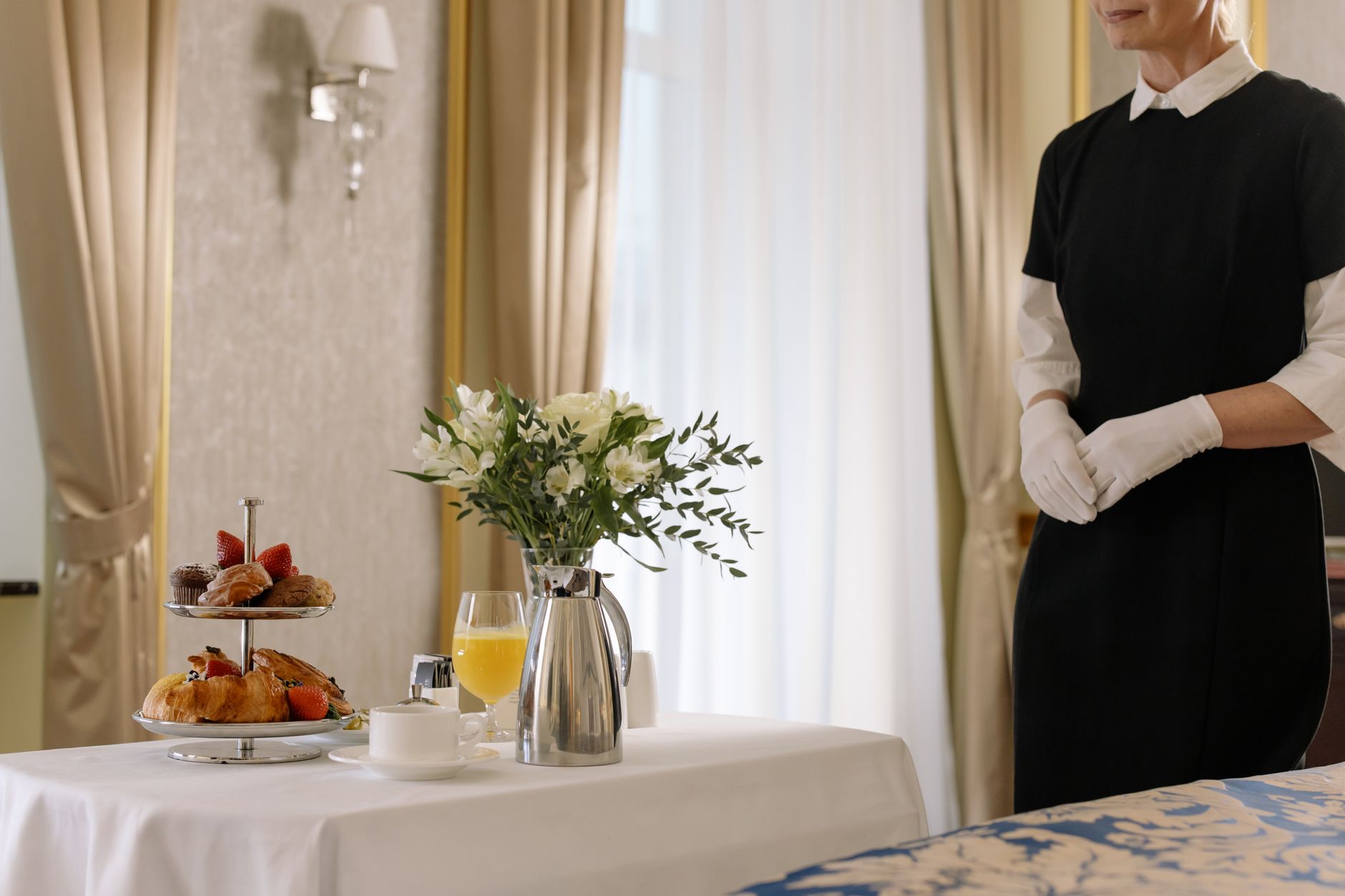
Expect friendly, personalized service without rush. Bistro staff often engage diners warmly, providing recommendations or sharing dish details. The pace is easygoing, welcoming guests to relax and savor their meal comfortably.
How Do Bistros Support Seasonal and Local Food Sourcing?
Many bistros develop menus around what‘s fresh and in season nearby, helping reduce food waste and support local farmers. This approach boosts flavor profiles and aligns with growing sustainability and health-conscious trends.
Expert Tips for Enjoying Bistro Dining
- Dont rush your mealbistro dining shines when savored slowly with conversation.
- Try pairing dishes with recommended wines or non-alcoholic beverages certified Halal, like sparkling water or herbal infusions.
- Look for daily specials reflecting seasonal ingredients for the freshest experience.
- If dietary restrictions apply, call ahead to confirm menu options and Halal certification.
More You Might Like
Explore the benefits of clean eating and can boost your mealtime with best foods for gut health. For sourcing ingredients that fit your lifestyle, check out reliable health foods stores offering certified Halal products.
A bistro restaurant is more than a dining spot its a lifestyle choice embracing comfort, quality, and community. Next time you visit one, enjoy the simple, tasty dishes and welcoming ambiance, or try crafting your own bistro-style meals using fresh, clean-label ingredients. Feel free to share your experience or ask questions in the comments below!
FAQs
Is Bistro restaurant actually Halal — what should I check on the label?
Many bistros offer Halal options, but ensure they display reputable certifications like JAKIM, HMC, or IFANCA. Confirm that all meats and ingredients comply with Islamic guidelines and ask staff about preparation to avoid cross-contamination.
When is the best time to eat or drink at a Bistro restaurant?
Lunch and dinner are ideal as menus often feature fresh daily specials. Early evenings encourage relaxed socializing, while weekend brunches offer lighter or sweet dishes. Bistro dining suits any stress-free moment you want to savor.
What is the typical shelf life of bistro-style dishes after purchase or packaging?
Most bistro dishes are fresh and best eaten the same day. If packaged, they last 1 to 3 days refrigerated. Always check labels and store properly to maintain quality and safety.
How does bistro food differ from typical café fare?
Bistros provide fuller meals like stews, grilled meats, and salads focused on comfort and tradition. Cafés usually serve coffee, pastries, and light snacks emphasizing quick bites rather than full dining experiences.
Where can I buy quality ingredients to recreate bistro meals at home?
Visit trusted health food stores offering organic produce, clean-label oils, and certified Halal spices. These sources help you prepare authentic bistro-style dishes with fresh, nutrient-rich ingredients.