Finding a reliable dark soy sauce substitute can be tricky, especially when you want that rich, intense flavor without gluten. Tamari steps up as one of the best substitutes, offering a deep umami taste and the bonus of being gluten-free. Whether youre cooking stir-fries, marinades, or dipping sauces, knowing how to swap out dark soy sauce for tamari or other alternatives can keep your meals full of flavor and fit your dietary needs perfectly.
Why Tamari Works
What Is Tamari and How It Compares to Dark Soy Sauce
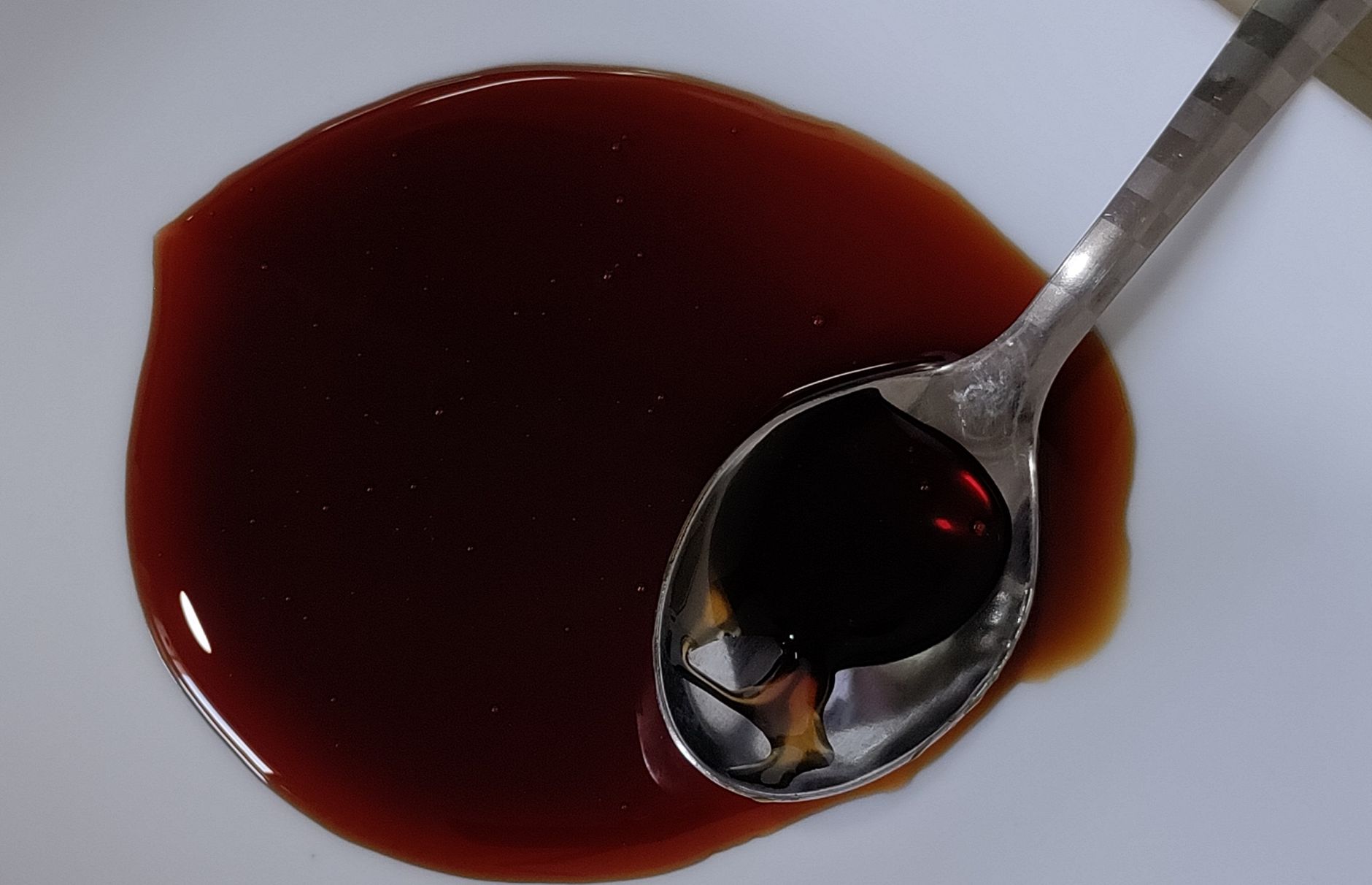
Tamari is a type of Japanese soy sauce that originates from the liquid byproduct of miso paste production. Unlike regular soy sauce, tamari contains little to no wheat, making it a great gluten-free choice. It has a smoother, less salty taste with a slightly thicker texture. This makes tamari a close cousin to dark soy sauce, which is thicker and sweeter due to added molasses or caramel.
The main difference lies in flavor complexity: dark soy sauce offers a rich, almost syrupy sweetness and deeper color. Tamaris flavor is milder but still savory and robust enough to fill that dark soy sauce gap in many recipes. According to USDA FoodData Central, both have similar sodium contents, but many brands offer reduced-sodium tamari options for a healthier twist.
Nutritional and Dietary Benefits of Tamari
For those managing gluten sensitivities or celiac disease, tamari is often the go-to because it‘s certified gluten-free by many reputable bodies like JAKIM or IFANCA. Choosing tamari over dark soy sauce can reduce the risk of gluten cross-contamination, ensuring your meals remain Halal and safe. Some tamari products also contain less salt, which benefits heart-conscious individuals.
The velvety texture and clear labeling typical of premium tamari brands make it easier for health-conscious shoppers to find quality, clean-label soy sauce alternatives. Ready to try tamari? Remember to check the bottle for Halal certification seals such as HMC or JAKIM to match your dietary standards.
How to Use Tamari Instead
Adjusting Flavor and Color in Recipes
You may wonder how to get that familiar deep color and sweetness of dark soy sauce using tamari alone. A simple trick is to add a small amount of brown sugar or molasses to your tamari. Mixing about 1 tablespoon of molasses or dark brown sugar per 3 tablespoons of tamari adds that rich hue and lightly sweet undertone.
Tamari shines in stir-fries, dipping sauces, and marinades. Because its less salty, you might need to use a little more when substituting in recipes. Start with a 1:1 substitution ratio, then adjust based on taste. For dishes calling for dark soy sauces thicker consistency, mix tamari with a bit of cornstarch slurry to help with texture.
DIY Dark Soy Sauce Substitute Recipe
| Ingredient | Amount |
|---|---|
| Tamari | 3 tablespoons |
| Dark brown sugar or molasses | 1 tablespoon |
| Water | 1 teaspoon |
| Cornstarch (optional for thickness) | 1/2 teaspoon |
Instructions: Combine tamari and sugar/molasses in a small bowl. If you want thickness, dissolve cornstarch in water, then stir it in. Heat gently on low for 23 minutes until sugar dissolves and sauce thickens slightly. Cool before using in your recipe.
This formula works for Halal dishes and preserves a close match to the flavor and color of dark soy sauce. Whether its classic Chinese stir-fry, Japanese teriyaki, or Thai dipping sauces, your meals wont miss a beat.
Other Soy Sauce Alternatives
Gluten-Free and Soy-Free Options
If tamari isn‘t available or you need soy-free options, coconut aminos offer a naturally sweet, soy-free alternative made from fermented coconut sap. They have a lower sodium content and a milder taste, making them popular with Paleo and Whole30 diets. However, the flavor is less intense, meaning you might want to use more or combine with a little molasses for depth.
Mushroom soy sauce is another option - it‘s brewed with mushroom extract to enhance natural umami. Its usually slightly thicker and less salty. Though less common, mushroom soy sauce works well if you desire a flavorful substitute and is often Halal certified.
For allergy-sensitive diets, homemade versions using ingredients like beef broth, molasses, and seasoning blends can mimic soy sauces savory notes without soy or gluten. Keep in mind these tend to differ significantly in flavor but can work in a pinch.
When to Avoid Tamari
Tamari is ideal for most, but if you need a stronger, sweeter flavor exactly like dark soy sauce, tamari alone might fall short. Its slightly thinner and less sweet, which may affect recipes that rely heavily on dark soy sauces syrupy texture.
Also, tamari still contains soyif you have a soy allergy, its best to choose soy-free alternatives like coconut aminos. Be sure to review the product label carefully as not all tamari brands are gluten-free. Look for trusted Halal and gluten-free certification logos to ensure quality and safety.
Storage and Usage Tips
Keep Tamari Fresh and Flavorful
Store tamari in a cool, dark place like a pantry before opening. Once opened, refrigeration is recommended to maintain its flavor and freshness. Properly stored, tamari lasts up to 12 months unopened and 6 months refrigerated once opened. This is comparable to dark soy sauces shelf life.
Sealing the bottle tightly prevents oxidation that can dull flavor. If you cook often, pouring small portions into a separate container helps reduce contamination and preserves quality.
Balancing Flavors with Tamari
Since tamari is less sweet and somewhat less intense, balancing recipes with acidic or sweet ingredients boosts flavor harmony. Consider adding rice vinegar, lime juice, or a touch of honey alongside your tamari-based substitutes.
If the overall dish feels flat, a dash of toasted sesame oil or finely minced garlic can lift complexity. Keep tasting as you cookadjusting salt, sweetness, and acidity incrementally is key to getting the right balance.
For stir-fry vegetables or marinated meats, allowing tamari mixtures to rest 1015 minutes before cooking can deepen flavor penetration.
How to Order Quality Ingredients Online
To find high-quality tamari or alternatives, knowing how to order groceries online helps. Check product descriptions carefully for Halal certification marks and ingredient transparency. Reliable sellers also provide shelf life info and allergen warnings, crucial if you manage strict dietary rules.
FAQs
Is dark soy sauce substitute actually Halal what should I check?
Look for certified Halal logos from recognized bodies like JAKIM, HMC, or IFANCA on the bottle. Ingredient lists should be free of non-Halal additives or alcohol used in fermentation. Tamari and many coconut aminos brands often carry Halal certification, making them safer substitutes.
When is the best time to use a dark soy sauce substitute?
Use substitutes anytime a recipe calls for dark soy sauce but you need gluten-free or milder flavor options. Ideal in stir-fries, braises, marinades, and dipping sauces. Substitution is especially useful for gluten-sensitive cooks or those avoiding certain allergens.
Can I use light soy sauce instead of dark soy sauce?
Light soy sauce is saltier and thinner with less sweetness and color. Using it alone changes the flavor and appearance of your dish. Combining it with a sweetener like molasses can help but wont fully replace dark soy sauces depth.
Does tamari have a different sodium content compared to dark soy sauce?
Both often have similar sodium levels, around 9001100 mg per tablespoon. However, some tamari brands offer reduced-sodium options, which can be helpful for low-sodium diets.
Are coconut aminos a safe Halal alternative?
Many coconut aminos products are suitable for Halal diets as they are plant-based and often certified. Always check for a Halal certification logo to confirm compliance.
How do I thicken tamari to match dark soy sauce texture?
Mixing tamari with a cornstarch slurry (1/2 teaspoon cornstarch dissolved in 1 teaspoon water) and heating gently thickens it to a syrupy consistency similar to dark soy sauce.
Can I substitute tamari 1:1 in all recipes calling for dark soy sauce?
Start with a 1:1 swap but taste and adjust if needed. Tamaris flavor is milder, so adding sugar or molasses might improve the match in certain dishes.
Pro Tips for Substituting Dark Soy Sauce
- Many overlook sweetness: adding a bit of brown sugar or molasses to tamari replicates dark soys rich, caramel notes.
- Cheap soy sauces may lack depth and authentic flavorinvest in well-crafted tamari with clear packaging and Halal certification for best results.
- When using coconut aminos, remember to increase quantities slightly for similar saltiness and deepen flavor with a splash of soy sauce or tamari if your diet permits.

More You Might Like
Discover helpful tips on Trump groceries and how Halal certification is applied to everyday food items. You might also find inspiration in learning how to order groceries online for convenient access to Halal and gluten-free products.
Conclusion
For a dark soy sauce substitute that meets gluten-free and Halal requirements without compromising flavor, tamari is a dependable choice. With a few simple tweakslike adding brown sugar or molassesyou can achieve the rich, velvety taste you expect from dark soy sauce in a variety of dishes. Next time you shop, check the label for Halal certification and try using tamari in your favorite recipes. Feel free to share your experiences or ask questions belowyour cooking journey is just beginning.
FAQs
Is dark soy sauce substitute actually Halal — what should I check on the label?
Look for Halal certification logos from recognized bodies like JAKIM, HMC, or IFANCA on the bottle. Ensure the ingredient list does not include non-Halal additives or alcohol used in fermentation. Many tamari and some coconut aminos brands carry Halal certification, making them safe and compliant substitutes.
What is the shelf life of tamari or dark soy sauce substitute after opening?
Once opened, tamari and similar substitutes should be refrigerated and used within 6 months for optimal freshness. Unopened bottles can last up to 12 months stored in a cool, dark place. Proper sealing helps prevent oxidation that dulls flavor.
How does tamari compare to regular dark soy sauce in flavor and use?
Tamari has a milder, less salty flavor and a thinner texture compared to dark soy sauce's rich, sweet, and syrupy profile. It works well in most recipes but may need added brown sugar or molasses to mimic dark soy sauce's deeper taste and color.
Is it safe to use tamari daily for those watching sodium and gluten?
Yes, tamari is often gluten-free and comes in reduced-sodium varieties, making it suitable for gluten-sensitive individuals and those monitoring salt intake. Always check labels for sodium content and certifications to fit your dietary needs.
Where can I buy quality gluten-free tamari or dark soy sauce substitutes?
You can find certified gluten-free and Halal tamari at specialty grocery stores, health food shops, or trusted online retailers. Check product descriptions carefully for Halal certification and allergen information to ensure quality and compliance.