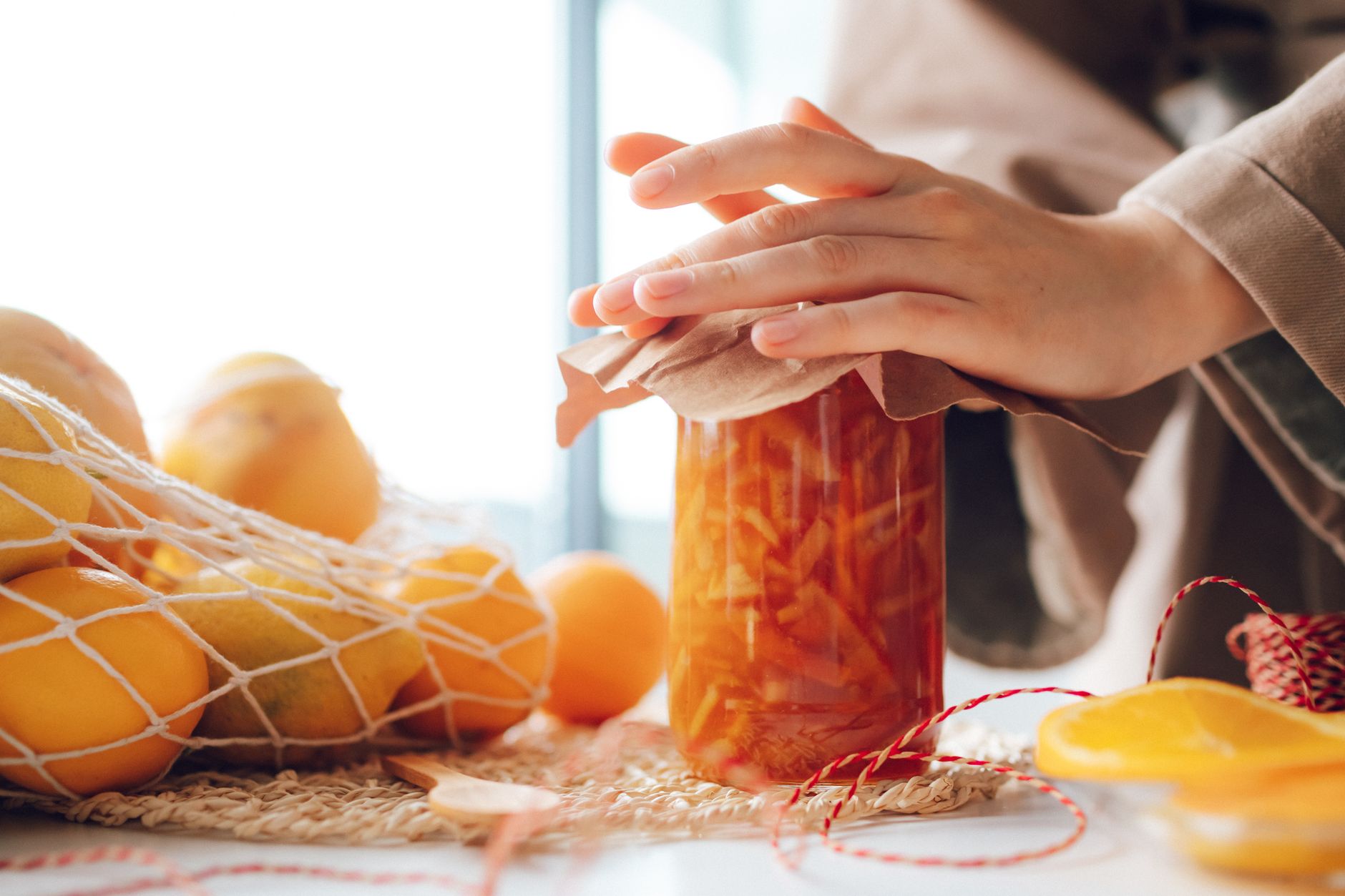
If you love prepping meals ahead or saving leftovers, freezer safe jars can be a game changer. But not every jar handles the freezer well. Straight-sided mason jars stand out because they allow food to expand evenly as it freezes, reducing the risk of cracking or shattering. Choosing the right jar means fewer messes, safer food storage, and better freezer organization for your Halal and health-conscious lifestyle.
Jar Freezer Safety
What Does Freezer Safe Mean for Jars?
When a jar is labeled as freezer safe, it means the container can withstand freezing temperatures without breaking or leaching harmful substances into your food. For jars, this usually involves both the type of glass and the jars shape. Freezing causes liquids to expand by about 9%, so jars must have enough flexibilityeither in material or designto accommodate this expansion safely. Otherwise, you risk cracks or shattering which can spoil your food and make a mess.
Materials and Their Impact
Glass Types vs. Plastic Jars in Freezing Conditions
Plastic containers are often lightweight and less fragile, but they may absorb odors or stains over time. Glass jars offer a cleaner, non-reactive alternative that doesnt retain flavors or odors. However, not all glass is created equal. Some glass jars are thin or irregularly shaped, increasing breakage risk. Plastic may warp or crack in the freezers extreme cold, making quality important regardless of material choice.
Why Tempered Glass Is Preferred
Tempered glassused in many mason jarsis specially treated to increase strength and thermal shock resistance. This treatment helps the jar handle sudden temperature changes from hot to cold or vice versa. Because of this, tempered straight-sided mason jars remain intact during freezing and thawing cycles, especially when used properly with headspace for expansion.
Why Straight-Sided Mason Jars Prevent Breakage
Headspace and Food Expansion Explained
When freezing foods in jars, leaving enough headspacethe empty space between the food and the jars rimis crucial. Straight-sided jars provide an even, consistent shape that allows food to expand upwards and outwards without creating pressure points. Rounded or irregular jars force uneven expansion, increasing stress on the glass walls and lid seal. With the right headspace and jar shape, you minimize the risk of cracks and leaks.
Benefits of Straight-Sided Mason Jars
Expansion Without Pressure
The key benefit of straight-sided mason jars is their design that allows frozen food to expand without putting pressure on curved surfaces. This reduces the chance of cracks. Unlike wide-mouthed or bulbous jars, their uniform walls distribute the expansion force evenly.
Long-Term Food Quality Preservation
Glass jars create tight seals that protect food from freezer burn and contamination. Since tempered glass is non-porous, it preserves the flavor and texture of your Halal-certified meals and snacks over weeks or even months.
Versatility in Freezing, Storing, and Canning
Straight-sided mason jars do double duty. Not only are they freezer safe, but they also work well for storing dry goods or even traditional canning. This versatility makes them a smart investment for kitchen organization.
Easy Labeling and Stacking
The flat walls of straight jars provide perfect spots for labels or markers. Plus, their uniform shape allows easy stacking, saving valuable freezer space when storing your groceries or leftovers, including Halal-certified items.
Groceries delivered often arrive in packaging that benefits from repacking into freezer-safe containers like these jars for long-lasting freshness.

Risks of Other Jars
Consequences of Non-Freezer Safe Jars
Using jars not designed for freezer use can lead to breaking, cracks, or leaking liquids. Glass that isnt tempered or jars with curved, uneven sides dont handle freezing expansion well. This results in messy spills, food wastage, and potential injury from broken glass.
Problems with Rounded or Regular Jars
Rounded jars cause locked-in pressure spots as frozen food expands against the curved walls. The uneven stress makes those jars prone to shattering. Additionally, their shape often leads to poor headspace control, causing frozen food to push against lids and seals.
Air Pockets & Headspace Issues
Insufficient headspace traps air pockets or compresses food during freezing. This can crack jars or cause seals to fail, letting in moisture and freezer smells. Poor headspace management also accelerates freezer burn, negatively impacting food quality.

Freezing in Mason Jars
Step-by-Step Freezing Guide
- Cool food completely: Let hot dishes reach room temperature (about 12 hours).
- Choose straight-sided mason jars: Avoid jars with curves or bulges.
- Leave headspace: Fill jars leaving 1 to 1.5 inches free to allow expansion.
- Seal loosely: Initially tighten lids only finger-tight to let air escape during freezing.
- Freeze upright: Place jars straight in the freezer away from direct cold blasts.
- After 24 hours, tighten lids: This ensures an airtight seal after food has expanded.
Avoid Cracks and Breakage
Never freeze jars filled to the brim or put hot jars directly into the cold freezer. Sudden temperature changes shock glass, causing cracks. Gradually cool food and maintain proper headspace to protect your jar and its contents.
Thawing Tips
Thaw jars in the fridge overnight or at room temperature for several hours. Avoid microwaving glass jars as rapid heat can cause breakage. Pour thawed contents into a pot or bowl for reheating instead.
Comparing Jar Types
Mason Jars vs. Plastic Containers
Plastic containers are lightweight and less breakable but may stain or absorb odors. Mason jars carry no such risk and are made from food-grade borosilicate glass, ensuring no chemical leaching. However, plastic may offer more flexibility, while glass is more hygienic and eco-friendly.
Straight-Sided vs. Regular Jars
Straight-sided jars fare better in freezing because their even walls distribute expansion forces equally. Regular jars with curves are vulnerable to stress points and cracks. For frequent freezer use, straight-sided mason jars are clearly safer.
| Certification | Price Range | Common Formats | Shelf Life | Key Allergens |
|---|---|---|---|---|
| JAKIM, HMC, IFANCA (Halal certified) | $5$20 per set | 8oz, 16oz, 32oz straight-sided jars | Indefinite for empty jars; frozen foods 36 months | None (glass only) |
| Food-grade plastic (BPA-free) certification | $3$15 per set | Snap-lock containers, freezer bags | 3 months typical for frozen foods | Possible cross contamination if not cleaned |
Following the USDA FoodData Central for food storage guidelines can help ensure safety when freezing Halal groceries or meal preps.
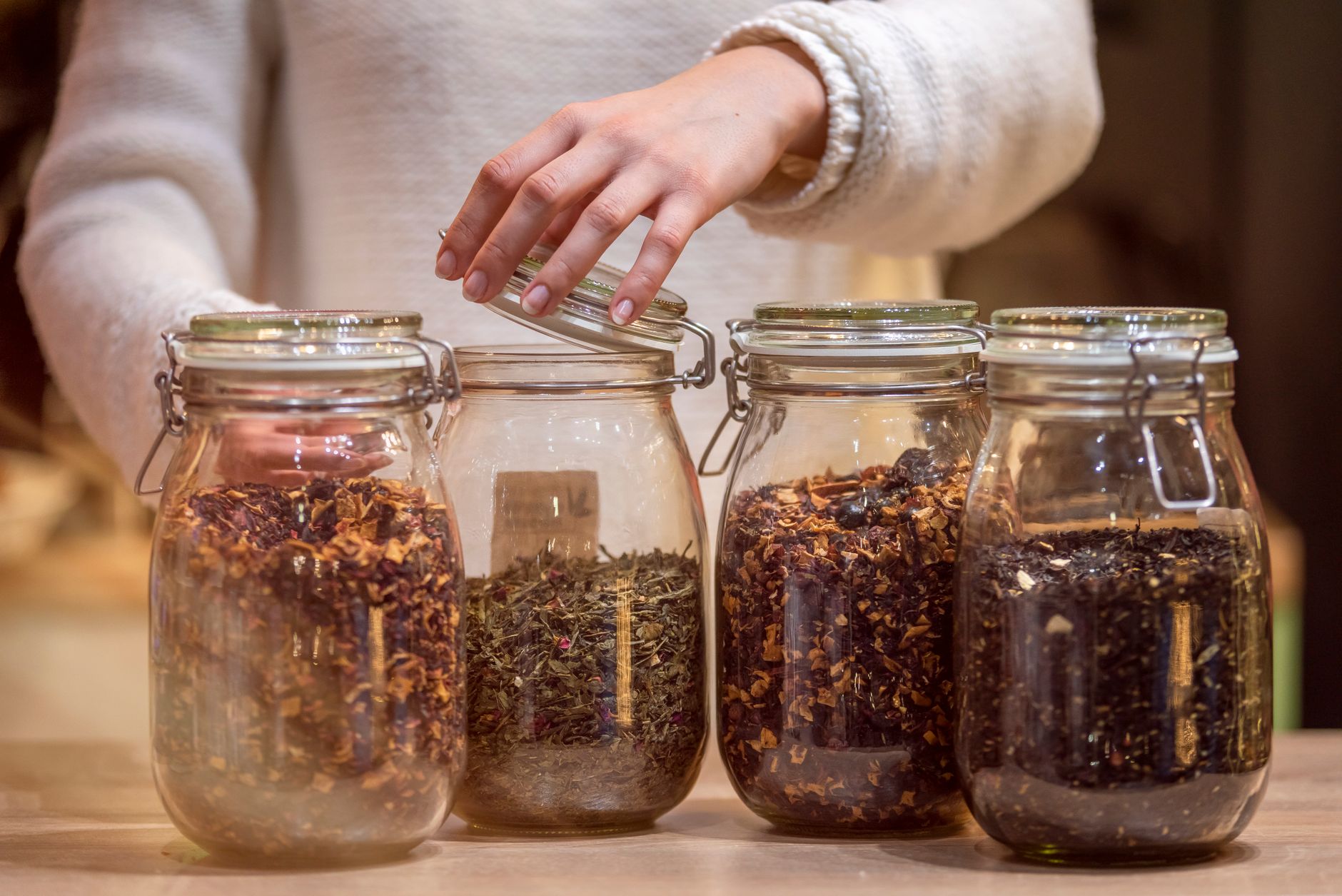
For those curious about production or ingredient sources in your frozen meals, knowing a trusted Subway sauce manufacturer or similar can provide peace of mind regarding Halal compliance and quality.
Most Overlooked Freezer Jar Mistake
Failing to leave adequate headspace is the biggest reason for broken jars. Even the best freezer safe jars shatter when frozen food expands without room to grow. Always leave at least 1 inch of vertical free space when filling.
Why Cheap Jars Disappoint
Lower-cost jars often use thinner glass and inconsistent designs prone to cracking. Investing in reputable mason jars with straight sides and tempered glass saves money and food in the long run.
Expert Tip
Freeze jars on a flat surface without sudden temperature shifts. Gradual cooling and warming protect glass integrity and seal quality. If you want reliable preservation for your Halal and health-conscious meals, these small steps make a big difference.
Is freezer safe jars actually Halal what should I check?
Glass jars themselves do not contain ingredients, so they are inherently Halal. However, when freezing Halal food, ensure any adhesives on labels or lids use Halal-certified materials. For branded products or pre-filled jars, look for certifications like JAKIM, HMC, or IFANCA to guarantee full Halal compliance.
Can you freeze any food in mason jars?
Mason jars can safely freeze liquids, purees, soups, sauces, and soft foods. Avoid freezing whole fruits with pits or foods that expand excessively or contain carbonation, as these might break jars despite proper headspace.
How long does food last in freezer safe jars?
Typically, frozen foods stored in mason jars maintain quality for 3 to 6 months. Use airtight lids and avoid freezer burn by keeping a steady freezer temperature below 0F (-18C).
Can you reuse freezer safe jars repeatedly?
Yes, tempered glass jars can be reused indefinitely if not cracked or chipped. Clean thoroughly between uses with warm, soapy water to maintain hygiene and prevent contamination.
What is the best way to defrost frozen jars?
Thaw frozen mason jars slowly in the refrigerator overnight or on the counter for several hours. Avoid extreme temperature changes that can stress the glass and cause cracking.
Are all mason jars freezer safe?
No. Only straight-sided, tempered glass mason jars designed for thermal shock resistance are truly freezer safe. Jars with curves or made from ordinary glass may shatter when freezing.
Can plastic lids be used with freezer safe jars?
Yes, but plastic lids may warp with freezing. Metal lids with proper sealing inserts often provide a better airtight seal and maintain durability in freezer conditions.
How to label frozen jars?
Use freezer-safe labels or permanent markers on the flat sides of straight jars. Write the content and freezing date clearly to track freshness for Halal meal preps.
More You Might Like
If you‘re interested in convenient home options, see how groceries delivered can simplify stocking up on Halal and health-conscious foods ready for freezing.
Understanding ingredient sources is key to trusted meals. Learn about a reliable Subway sauce manufacturer and their Halal certifications for confidence in flavor and compliance.
Conclusion
Freezer safe jars, especially straight-sided mason jars, keep your frozen Halal foods fresh and safe by allowing proper expansion and minimizing breakage. Always remember the importance of headspace and gradual temperature changes. Next time you prepare freezer meals, try these jars to make your storage cleaner, safer, and more efficient. Your freezerand your familywill thank you.
FAQs
Is freezer safe jars actually Halal — what should I check on the label?
Glass jars themselves are inherently Halal as they contain no animal products. Check that adhesives on labels and lids are Halal-certified, and for pre-filled products, look for certifications like JAKIM, HMC, or IFANCA to ensure full Halal compliance.
How long can food last in freezer safe jars?
Frozen foods in freezer safe jars typically maintain quality for 3 to 6 months when sealed airtight and stored at temperatures below 0°F (-18°C), helping prevent freezer burn and preserve flavor.
What makes freezer safe jars better than plastic containers?
Freezer safe glass jars do not absorb odors or stains and are non-reactive, preserving food flavor and quality better. Tempered straight-sided jars also resist cracking by evenly distributing expansion forces during freezing.
Are freezer safe jars safe for daily reuse?
Yes, tempered glass jars can be reused indefinitely if free from cracks or chips. Thorough cleaning with warm soapy water between uses ensures hygiene and prevents contamination for safe daily food storage.
Where can I buy reliable freezer safe jars?
Quality straight-sided mason jars can be purchased at kitchenware stores, online marketplaces, and specialty shops offering Halal-certified products. Look for tempered glass and Halal certification for confidence.