Your wedding day is a celebration of love, but the food? Thats what keeps the energy alive. Choosing the right wedding food ideas can mean the difference between guests raving about your menu for years or quietly reaching for a snack on the way home. Whether you want a lavish plated dinner or a relaxed grazing station, picking dishes that taste great, look beautiful, and meet dietary needs is key. And if youre planning a Halal wedding, you also want to ensure every bite is certified and trustworthy. Lets walk through the best options to build a menu your guests will genuinely love.
Choosing Your Wedding Food Style
Plated vs buffet vs stations what works best?
Each serving style comes with trade-offs. A plated dinner feels elegant and controlled, but it limits guest choice. Buffets offer variety and speed, but portions can be uneven. Food stations bring energy and customization think taco bars or pasta stations but need careful traffic flow. Your venue size, budget, and guest count will guide you. For a Halal-certified event, buffets and stations also make it easier to label dishes clearly, avoiding cross-contamination concerns.
Most couples today mix styles: a plated main course with a dessert station or appetizer grazing table. That hybrid approach gives you the best of each world.
How food stations change the guest experience
Food stations let people build their own plate. They naturally encourage mingling and create a relaxed vibe. Popular stations include pizza, taco, poke bowl, and sliders. When done right, they reduce waste because guests take only what they want. The challenge is keeping lines short aim for no more than eight people waiting at any one station. Place them around the room, not in one row, and have staff replenish frequently.

Crowd-Pleasing Wedding Menu Ideas
Classic dishes almost everyone loves
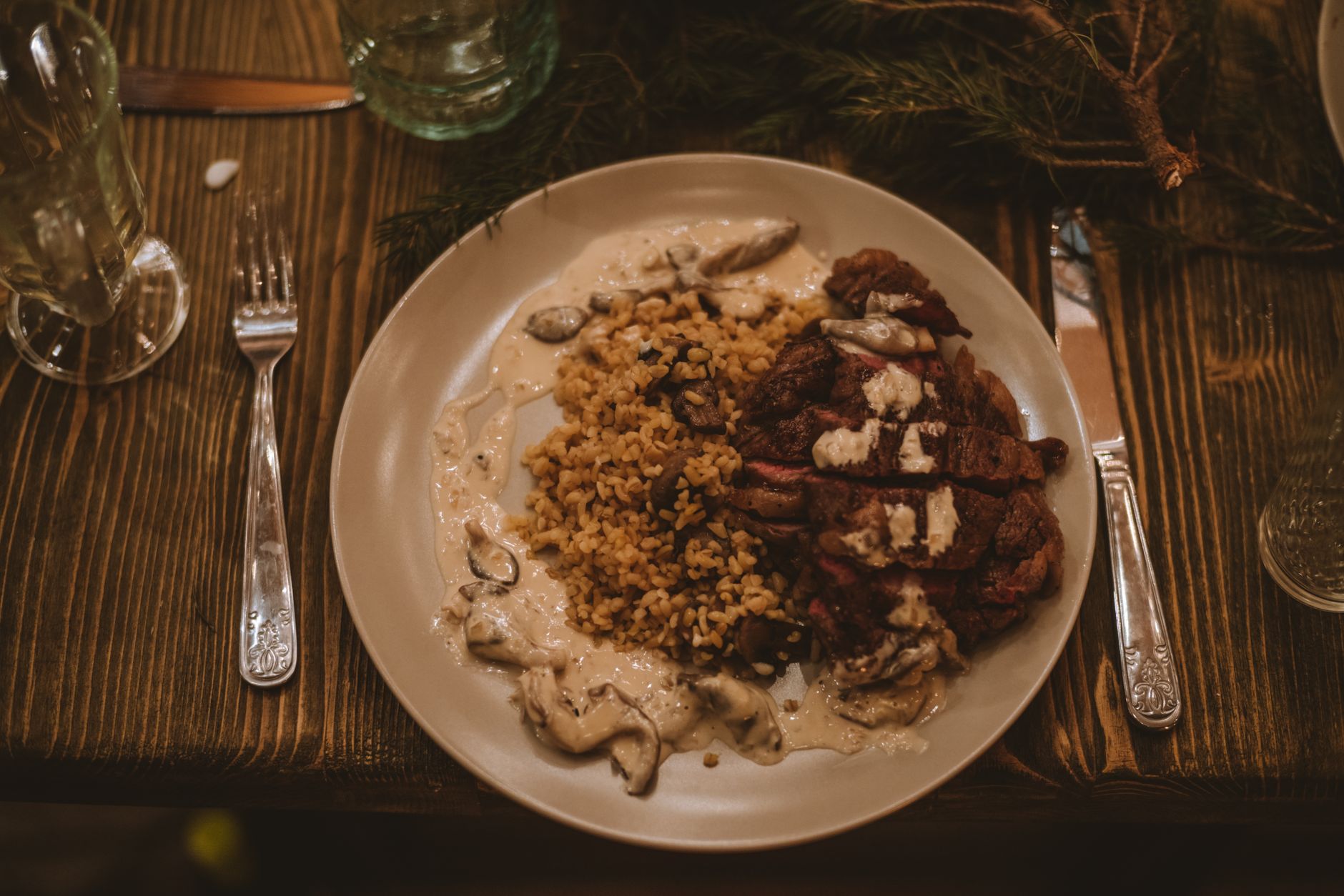
You cant go wrong with herb-roasted chicken, grilled salmon, or a hearty pasta like penne arrabbiata. Add a vegetarian option such as stuffed bell peppers or a creamy mushroom risotto. Keep sauces mild not everyone loves spicy. For Halal weddings, confirm your meat supplier carries proper certification (look for JAKIM, HMC, or IFANCA logos). Serve halal beef sliders or lamb kofta skewers as a nod to tradition without alienating anyone.
Adding unique flavors without scaring guests
Fusion dishes like Korean BBQ tacos, bao buns with hoisin duck, or Middle Eastern mezze platters add personality. Theyre familiar enough to feel safe but different enough to be memorable. Offer a build your own option so picky eaters can stick with basics while adventurous guests explore. You can also tie your menu to your heritage for example, a Moroccan tagine station or Ethiopian injera platter for a personal touch.
If you love Asian-inspired flavors, check out the tobiko flavor profile for ideas on adding subtle seafood umami to appetizers.
Creative Wedding Food Stations
Trending station ideas worth considering
Stations are the biggest food trend right now. Here are top picks:
- Pizza station wood-fired or sheet pan, with toppings like mushrooms, olives, pepperoni (halal), and fresh basil.
- Taco bar soft corn tortillas, spiced chicken, carnitas, or vegan jackfruit, plus salsas and pickled onions.
- Seafood station oysters, shrimp cocktail, and sushi-grade tuna. Ensure all seafood is Halal-compliant (no alcohol-based sauces).
- Sweet station ice cream sundae bar, donut wall, or popcorn station with caramel and cheese flavors.

Integrating stations with other styles
You can start with a plated salad course, then open a grazing station during the reception. Or serve a buffet main course followed by a dessert station at the sweetheart table area. The key is sequencing: guests should move naturally from one food zone to the next. Label each station clearly with dietary icons (e.g., a green leaf for vegetarian, a crescent moon for Halal).
Appetizers and Small Bites
Skewers, cheese boards, and antipasti
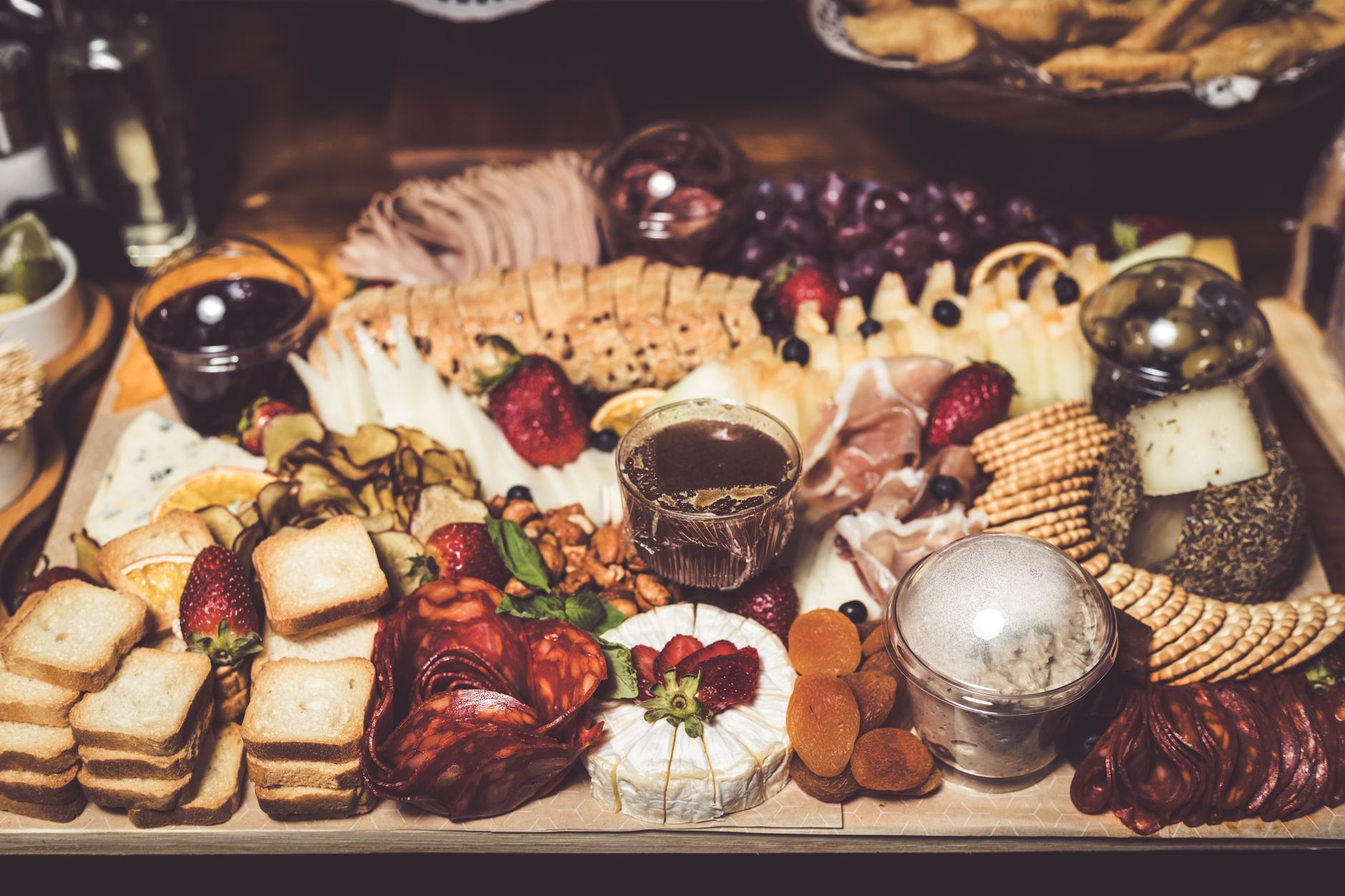
Appetizers set the tone for the reception. Mini chicken satay skewers with peanut sauce, bruschetta with tomato and basil, and stuffed mushrooms are safe bets. A large charcuterie board with Halal-certified cured meats, aged cheeses, dried fruits, and nuts offers visual drama. Build an antipasto station with roasted peppers, marinated artichokes, olives, and grissini. These items are naturally Halal-friendly when sourced carefully.
Accommodating dietary restrictions
Always offer at least one gluten-free and one dairy-free option. Crudit cups with hummus, rice paper rolls with shrimp, and gluten-free flatbreads are easy wins. For nut allergies, keep dishes separate and labeled. Halal weddings often host guests of multiple faiths, so avoid pork and alcohol-based ingredients entirely even in sauces or marinades. Check every condiment label with a certified Halal food list.
Looking for dipping sauce ideas? The Chick-fil-a sauces page has a breakdown of popular flavors that can inspire your own Halal-friendly versions.
Sweet and Savory Combos
Should you serve cupcakes alongside the cake?
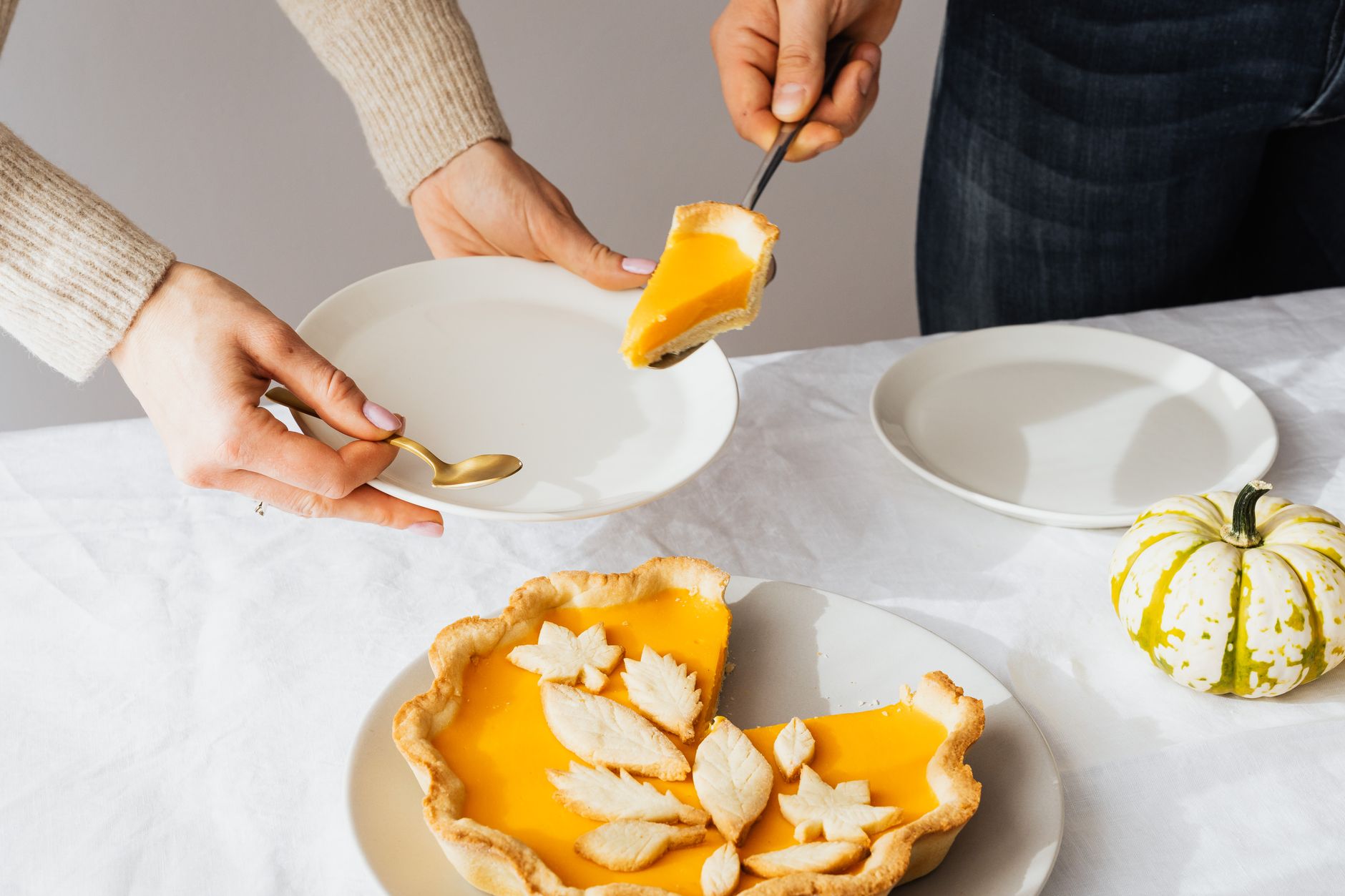
Absolutely. A traditional three-tier cake plus a cupcake tower gives guests individual portions with varied flavors. Cupcakes also work well for late-night snacking. Try flavors like salted caramel, red velvet, or pistachio rose. For Halal baking, confirm gelatine-free and alcohol-free extracts are used many extracts are fine, but check the brand.
Innovative sweet-meets-salty creations
Salt and sugar together create craveable bites. Think chocolate-covered pretzels, maple bacon (with Halal beef bacon), salted caramel popcorn, or goat cheese and honey on crostini. These are easy to serve as small bites or in a dedicated sweets station. They also photograph beautifully for your wedding album.
When dessert stations shine brightest
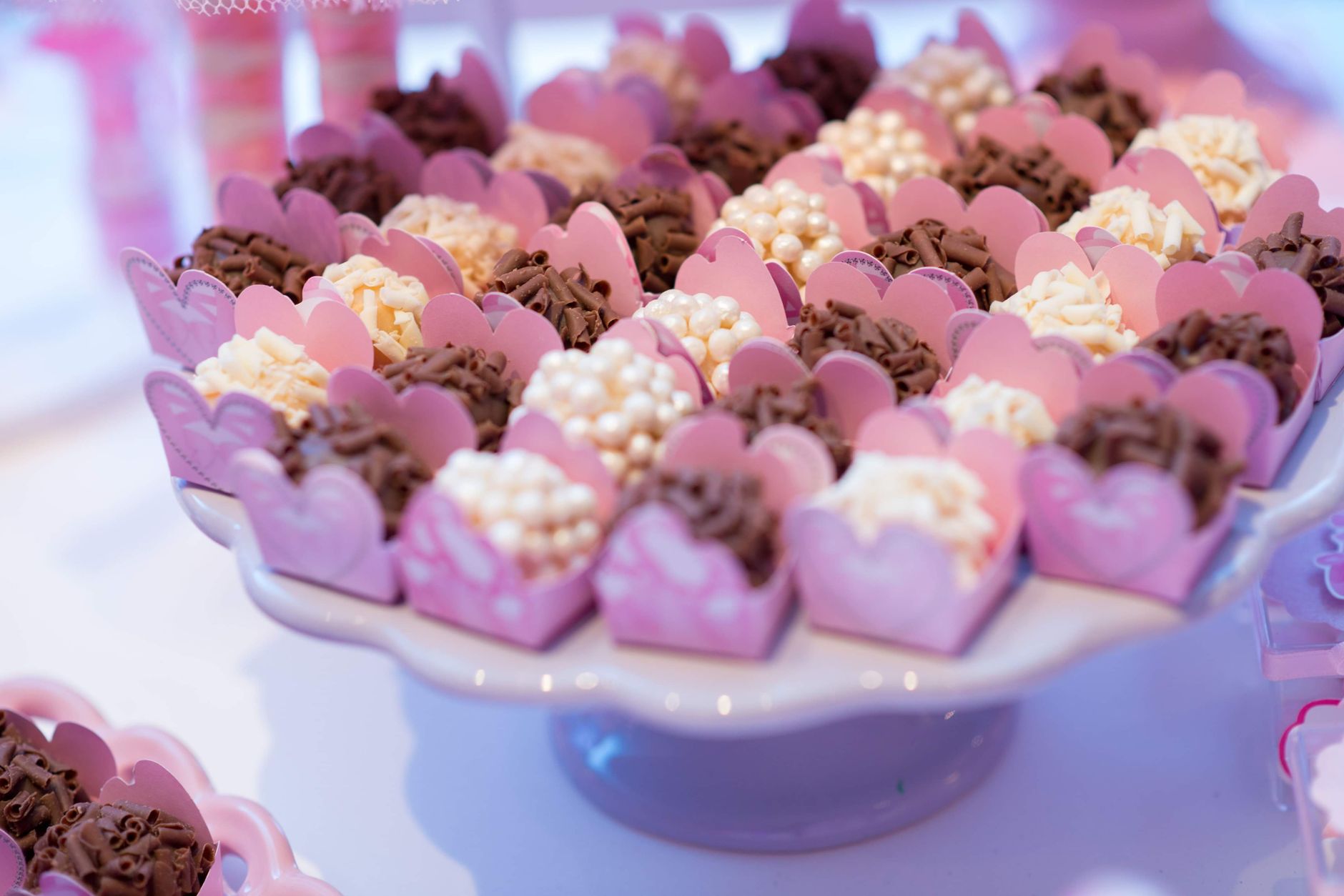
Dessert stations work particularly well for evening receptions or after-dinner coffee breaks. An ice cream bar with six flavors and multiple toppings is a guaranteed hit. Donut walls and macaron towers offer visual impact. Seasonal fruit tarts or churros with chocolate dip add warmth in cooler months. Keep everything bite-sized so guests can try several.
Grilling, Seasonal, and Local Options
Why a grilled food station or seasonal produce works
Outdoor or semi-outdoor venues are perfect for a live grill station. Skewered beef, chicken, and vegetables cooked on the spot create aroma and excitement. Seasonal produce like heirloom tomatoes in summer or roasted squash in fall adds freshness and ties the menu to the time of year. Grilling also makes it easy to keep meats Halal-certified because you control supplier and preparation separately.
Integrating locally-sourced ingredients
Sourcing from local farms or Halal-certified suppliers shows care for quality and community. Mention the farm name or supplier in the menu card guests appreciate traceability. A local honey drizzle over goat cheese or a regional flatbread from a nearby bakery adds a story. This approach also helps you meet Halal standards when you can verify the supply chain.
Pro Tips for Building Your Wedding Menu
Most couples overlook the importance of a tasting menu rehearsal. Schedule a tasting with your caterer at least three months before the wedding. Bring your wedding planner and a trusted friend. Taste every dish chilled and reheated. Ask about ingredient sourcing and Halal certification status. One common mistake: choosing dishes that look great in photos but taste bland when served to 150 people. Avoid heavily sauced items that can separate. Another tip: serve smaller portions and let guests go back for seconds that cuts waste and keeps plated food hot.
When is the best time to serve a heavy meal vs light bites?
If your wedding starts after 6 PM, guests expect a full dinner. For afternoon receptions (14 PM), a mix of substantial appetizers and a dessert station keeps people satisfied without heavy food. Check local dining customs in some cultures, a late-night snack at 10 PM is traditional.
Should I offer a separate Halal station for Muslim guests?
Its a thoughtful approach if you have a large Muslim guest list. A dedicated station with clear signage reduces confusion. But if your entire menu is already Halal-certified, no separate station is needed. Consider labeling each dish so everyone feels comfortable.
Whats the average cost per guest for wedding food?
Expect $50$120 per person for catering, depending on menu complexity and region. Buffets tend to be cheaper than plated dinners. Stations can fall in the middle. For Halal-certified catering, prices may be 1015% higher due to specialized sourcing, but many couples find it worth the peace of mind.
Can I mix Halal and non-Halal dishes in one buffet?
We advise against it due to cross-contamination risks and guest confusion. If some guests require Halal and others dont, either go fully Halal or arrange separate serving tables with clear labeling. A completely Halal menu is simpler and more inclusive.
How many food stations do I need for 100 guests?
Three to five stations work well for 100 people. Each station should serve a different category: one protein (e.g., grilled steak), one starch (e.g., pasta), one vegetable, and one sweet. For a larger crowd, add a fifth station like a build-your-own bowl.
What are easy crowd-pleasing appetizers that hold up well?
Mini spring rolls, bruschetta, cheese puffs, and halal meatballs in tomato sauce stay fresh for up to two hours. Avoid anything that gets soggy quickly, like crostini with wet toppings. Skewers and phyllo-wrapped bites are excellent choices.
How do I handle leftover wedding food?
Coordinate with your venue or a local food bank that accepts prepared Halal meals. Some caterers offer to package leftovers for guests. Otherwise, plan portions carefully many caterers overestimate by 20%. A good rule: 1.5 pounds of food per person for a full meal.
Conclusion
Your wedding menu should reflect your taste, respect your guests needs, and create a joyful experience. With the right wedding food ideas from plated classics to interactive stations and thoughtful seasonal touches you can serve a meal everyone remembers. Start early, taste everything, and always verify certifications. Next time you plan a celebration, let these ideas guide your choices, and enjoy every bite of your big day.
FAQs
When is the best time to serve a heavy meal vs light bites?
If your wedding starts after 6 PM, guests expect a full dinner. For afternoon receptions (14 PM), a mix of substantial appetizers and a dessert station keeps people satisfied without heavy food. Check local dining customs – in some cultures, a late-night snack at 10 PM is traditional.
Should I offer a separate Halal station for Muslim guests?
It's a thoughtful approach if you have a large Muslim guest list. A dedicated station with clear signage reduces confusion. But if your entire menu is already Halal-certified, no separate station is needed. Consider labeling each dish so everyone feels comfortable.
How many food stations do I need for 100 guests?
Three to five stations work well for 100 people. Each station should serve a different category: one protein (e.g., grilled steak), one starch (e.g., pasta), one vegetable, and one sweet. For a larger crowd, add a fifth station like a build-your-own bowl.
What are easy crowd-pleasing appetizers that hold up well?
Mini spring rolls, bruschetta, cheese puffs, and halal meatballs in tomato sauce stay fresh for up to two hours. Avoid anything that gets soggy quickly, like crostini with wet toppings. Skewers and phyllo-wrapped bites are excellent choices.
How do I handle leftover wedding food?
Coordinate with your venue or a local food bank that accepts prepared Halal meals. Some caterers offer to package leftovers for guests. Otherwise, plan portions carefully – many caterers overestimate by 20%. A good rule: 1.5 pounds of food per person for a full meal.