If you ever wonder whether a piece of dark chocolate gives you as much caffeine as that morning cup of coffee, youre not alone. The caffeine content comparison between these two popular treats shows that coffee generally provides a stronger caffeine kick. Still, dark chocolate carries its own mild buzz packed with unique compounds, making it more than just a sweet indulgence.
But the story doesnt end with just caffeine milligrams. Factors like cocoa percentage, serving size, and individual sensitivity all influence how caffeine affects you. Lets break down the caffeine levels in dark chocolate and coffee so you can make informed choices about your daily pick-me-up.
Caffeine Content Basics
How Much Caffeine is in a Typical Cup of Coffee?
A standard 8-ounce (240 ml) cup of brewed coffee typically contains between 95 and 165 milligrams of caffeine, according to the USDA FoodData Central. The exact amount varies depending on the coffee bean type, roast level, and brewing method. For example, espresso, though served in smaller volumes, packs about 63 mg of caffeine per 1-ounce shot.
Cold brew coffee tends to have higher caffeine content due to longer steeping times, while instant coffee usually contains less caffeine per serving. Arabica beans generally have less caffeine than robusta beans, which some blends combine to increase caffeine content.
Whats the Caffeine Content in Dark Chocolate?
The caffeine content in dark chocolate depends mostly on the cocoa percentage. Dark chocolate with around 70% cocoa contains roughly 20 to 25 milligrams of caffeine per 1-ounce (28-gram) serving. As the cocoa content rises to 85% or higher, caffeine content can increase to 30 milligrams or more per ounce.
Milk chocolate, in contrast, typically has under 10 milligrams of caffeine per 1-ounce serving because it contains less cocoa solids. White chocolate contains almost no caffeine since it lacks cocoa solids altogether.
Keep in mind, most chocolate bars weigh 3 to 4 ounces, so the caffeine adds up if you eat the whole bar.
The Chemistry Behind Caffeine in Coffee vs Chocolate
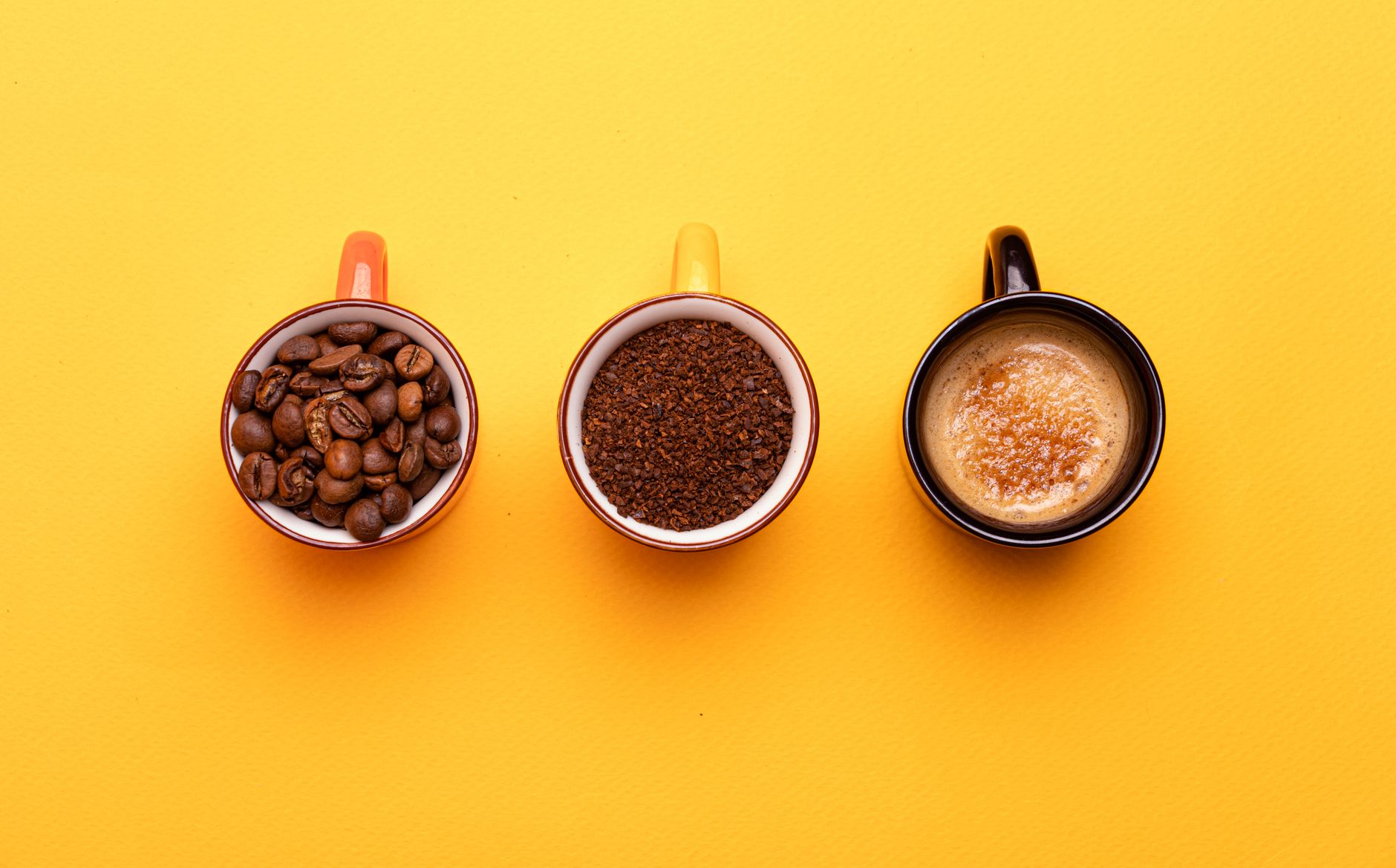
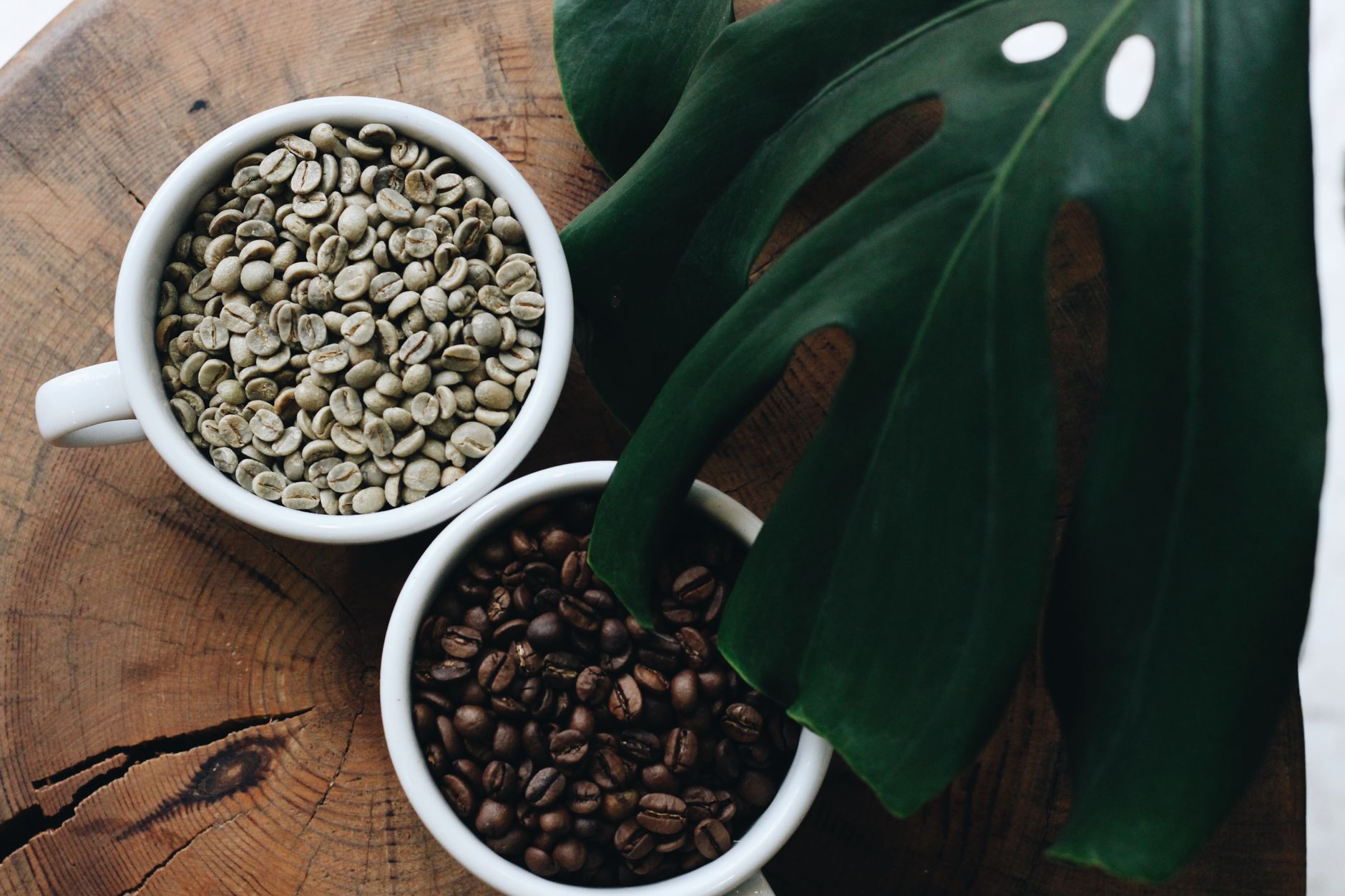
Caffeine in coffee comes from the coffee bean, a seed that naturally contains high caffeine concentrations to deter pests. Coffee delivers a pure caffeine hit that stimulates your central nervous system quickly.
Chocolates caffeine originates from cacao beans, but the stimulant profile is a bit more complex. Besides caffeine, dark chocolate has theobromine, a related compound that produces a milder, longer-lasting stimulant effect. Theobromine is less likely to cause jitters and instead acts as a gentle mood booster.
This blend of caffeine and theobromine means chocolates stimulant effect feels smoother and less intense compared to coffee though it still contributes to alertness.
Comparing Caffeine: Dark Chocolate and Coffee
Side-by-Side Caffeine Content Table
| Beverage / Food | Serving Size | Caffeine (mg) | Variability Notes |
|---|---|---|---|
| Brewed Coffee | 8 oz (240 ml) | 95165 | Varies by bean, roast, brew method |
| Espresso | 1 oz (30 ml) | 63 | More concentrated but smaller volume |
| Dark Chocolate (70% cocoa) | 1 oz (28 g) | 2025 | Depends on cocoa %, brand |
| Dark Chocolate (85%+ cocoa) | 1 oz (28 g) | 30+ | Higher cocoa solids increase caffeine |
| Milk Chocolate | 1 oz (28 g) | 510 | Lower cocoa content |
Realistic Consumption Examples
If you eat four squares of 70% dark chocolate (~1 oz total), youll consume about 20 milligrams of caffeine roughly the same as a 12-ounce can of cola. To match an average cup of brewed coffees caffeine, youd need nearly 4 to 6 ounces of dark chocolate, which is a lot of chocolate calories and fat.
Many people find that eating several squares of chocolate (around 2 to 3 ounces) offers a mild caffeine lift without the stronger stimulation or acidity associated with coffee.
Imagine someone who drinks two cups of coffee per day consuming about 200 to 300 milligrams of caffeine. To match that with dark chocolate alone, theyd need a large amount of high-percentage cocoa chocolate not always practical or desirable.
Why Serving Size and Context Matter
Caffeine absorption is faster in coffee due to its liquid form, stimulating your system within 15 to 45 minutes. Chocolates caffeine is absorbed more slowly because it requires digestion, leading to a gentler, more gradual effect.
Also, the presence of fat and sugar in chocolate slows caffeines release and adds the mood-lifting theobromine effect, resulting in a more sustained buzz without sharp spikes.
This is why many savor chocolate for a relaxing mood boost while relying on coffee for a sharper mental kick.
Health Benefits and Risks
Benefits of Moderate Caffeine Intake
Caffeine, whether from coffee or chocolate, offers several potential health benefits when consumed in moderation. Coffee is well-known for improving alertness, enhancing mood, and providing antioxidants that promote heart health and reduce certain disease risks, according to numerous studies shared by health organizations.
Dark chocolate, especially varieties with 70% cocoa or more, also contains antioxidants like flavonoids. These compounds support vascular health, improve blood flow, and deliver small boosts in mood and concentration. Theobromine adds a pleasant, mild stimulant effect without the jitteriness coffee can cause.
Risks of Excessive Caffeine
Taking in too much caffeine may lead to side effects like rapid heartbeat, anxiety, sleep issues, and digestive discomfort. Coffee, with its higher caffeine load, more commonly causes these issues if overconsumed.
Chocolate is less likely to provoke severe caffeine-related side effects but can contribute to total daily caffeine intake. Excessive consumption also means more sugar and calories, potentially impacting weight and blood sugar.
Who Should Watch Their Caffeine Intake?
Certain groups should monitor caffeine carefully. Pregnant women are advised to limit caffeine intake to under 200 milligrams daily, a limit that includes chocolate as well. Children, people with heart arrhythmias, anxiety disorders, or sleep problems may also need stricter moderation.
Look for Halal-certified coffee and chocolate options, especially from trusted organizations such as JAKIM, HMC, or IFANCA, to ensure products meet your dietary standards without hidden ingredients.
Practical Takeaways
Choosing Your Caffeine Fix
If you want a quick and strong caffeine boost, coffee remains the go-to choice. It delivers a pure, sharp stimulation that wakes you up efficiently. Dark chocolate fits better as a gentle, slower-acting alternative. Its combination of caffeine and theobromine offers a velvety, mood-enhancing effect ideal for snacking.
Some enjoy combining both: a small coffee with a bite of rich chocolate can balance a sharp kick with a smooth finish. If youre curious about other chocolate varieties, check out our guide on Ruby chocolate to discover new taste profiles.
Managing Daily Caffeine Intake
Pay attention to serving sizes and caffeine content on labels. Coffee shop beverages can vary wildly an 16-ounce latte may contain as much caffeine as two cups of brewed coffee. Chocolate products rarely display caffeine amounts but consider cocoa percentage as a clue.
When buying Halal-certified products, check for clear certification logos like JAKIM or HMC to ensure compliance with dietary rules. Avoid mixing high-caffeine drinks late in the day to prevent sleep disruption.
FAQs About Caffeine in Chocolate and Coffee
Can you get addicted to caffeine in chocolate?
Caffeine can lead to mild dependence regardless of the source, but chocolates caffeine amount is usually low enough that addiction risk is minimal. Many more likely develop habitual cravings for chocolates taste and texture rather than caffeine itself.
Does caffeine content vary by chocolate brand?
Yes, caffeine content varies due to differences in cocoa percentage, bean origin, and manufacturing. Premium brands with higher cocoa solids tend to have more caffeine, while cheaper chocolates with additives or more fillers usually have less.
Is caffeine from coffee absorbed faster than from chocolate?
Yes, caffeine from coffee is absorbed quicker because its a liquid. Chocolates caffeine absorption is slower due to fat and sugar content, making its effects more gradual and prolonged.
Does roasting affect caffeine levels in coffee?
Roasting affects coffee flavor more than caffeine content. Darker roasts may have slightly less caffeine by volume but can be more concentrated by weight. Overall differences are minor.
Are there Halal concerns with coffee and chocolate?
Both coffee and chocolate are naturally Halal. However, watch out for added ingredients, flavorings, or emulsifiers that may not be Halal-certified. Always check for recognized Halal logos like JAKIM or IFANCA to be certain.
Can caffeine cause anxiety in sensitive individuals?
Yes, caffeine stimulates the nervous system and can increase anxiety symptoms in sensitive people or those who consume high amounts, especially from coffee.
Is dark chocolate a good choice before workouts?
Dark chocolate may provide a mild energy boost thanks to caffeine and theobromine, along with antioxidants. However, coffee generally provides a stronger stimulant effect for workout performance.

Macaron vs macaroon which is better for caffeine?
While this comparison usually concerns texture and ingredients, macarons often contain less chocolate or none at all compared to macaroons, which sometimes have chocolate. If you want a caffeine boost from desserts, macaroons are more likely to provide it. Learn more about their differences in our detailed Macaron vs macaroon article.
What to Look For When Buying
| Certification | Price Range | Common Formats | Shelf Life | Key Allergens |
|---|---|---|---|---|
| JAKIM, HMC, IFANCA Halal | $3 - $20 per bar / $3 - $10 per coffee pack | Chocolate bars, coffee beans, ground coffee, instant | Coffee: 612 months unopened; Chocolate: 1218 months unopened | Possible nuts, milk, soy lecithin in chocolate |
Looking for Halal-certified caffeine sources means checking certification logos before purchasing. For chocolate, scrutiny of ingredients for milk or emulsifiers is necessary. Coffees bulk packaging often carries clear Halal certification marks for peace of mind.
Pro Tips for Choosing Coffee and Chocolate
- Avoid buying cheap, mass-produced chocolates that hide low cocoa content and fillersthese often have negligible caffeine.
- For coffee, freshly roasted whole beans offer better flavor and consistent caffeine than stale preground options.
- Dark chocolate with 7085% cocoa balances caffeine content, bitterness, and antioxidant benefits.
Conclusion
When it comes to caffeine content comparison, coffee usually delivers a stronger, faster stimulant effect than dark chocolate. But chocolates combined caffeine and theobromine offer a smooth, gentler lift with antioxidant perks. Next time you grab that coffee or chocolate bar, check the label and serving sizes to match your caffeine needs and enjoy both treats responsibly.
FAQs
Is caffeine content comparison actually Halal — what should I check on the label?
Both coffee and chocolate are naturally Halal, but added ingredients or flavorings might not be. Always look for recognized Halal certification logos such as JAKIM, HMC, or IFANCA on packaging to ensure full compliance with dietary standards.
What is the shelf life of coffee and dark chocolate after opening?
Coffee typically lasts 6 to 12 months unopened, but once opened, its best used within a few weeks to maintain freshness. Dark chocolate can last 12 to 18 months unopened and several months after opening when stored properly in a cool, dry place.
How does caffeine in dark chocolate differ from caffeine in coffee?
Caffeine in coffee is absorbed quickly due to its liquid form, providing a fast stimulant effect. In dark chocolate, caffeine absorption is slower because of fats and sugars, combined with theobromine, resulting in a milder, longer-lasting mood boost without intense stimulation.
Is it safe to consume caffeine daily from both coffee and chocolate?
Moderate caffeine intake from coffee and chocolate is generally safe for most adults. However, excessive consumption may cause side effects like anxiety or sleep issues. Pregnant women and sensitive individuals should limit daily caffeine to under 200 mg and consult healthcare providers.
Where can I find Halal-certified coffee and chocolate products?
Halal-certified products are available at specialty stores, trusted online retailers, and supermarkets with dedicated Halal sections. Always check for certification logos like JAKIM, IFANCA, or HMC on packaging to ensure authenticity and compliance with dietary rules.