Switching to natural peanut butter can transform your baking and nourish your body with fewer additives and richer flavor. If youve wondered how to adapt your favorite recipes or what makes natural peanut butter different, youre in the right place. This guide covers everything you need to know to bake successfully with natural peanut butter and enjoy its health perks.
Natural vs Processed
What Sets Natural Peanut Butter Apart?
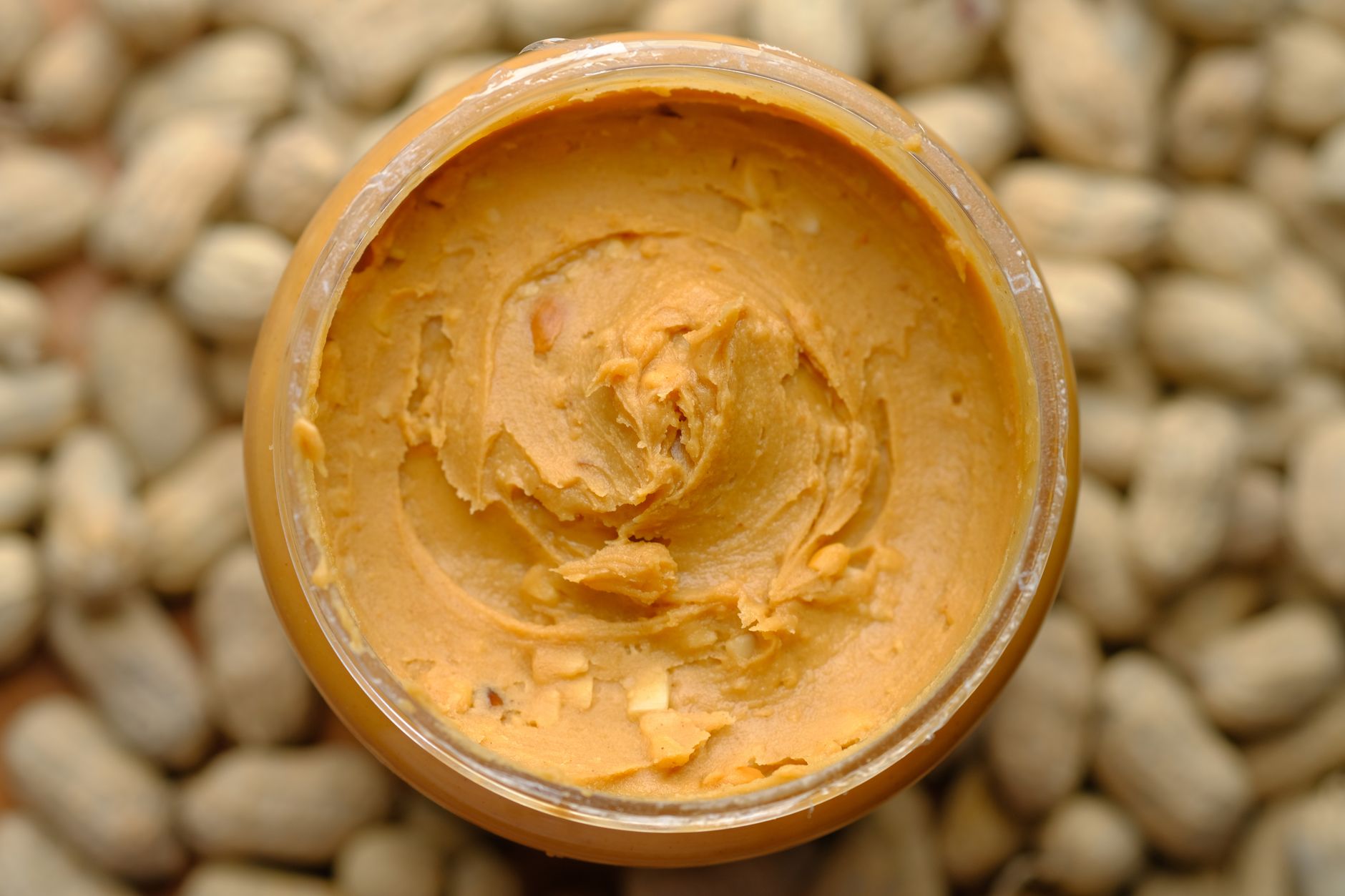
Natural peanut butter is simply ground peanuts, often with a pinch of salt and sometimes a little oil added back in. Unlike processed varieties, it contains no hydrogenated oils, sugars, or excess stabilizers. This purity leads to oil separation, requiring stirring before use.
How These Differences Affect Baking
The lack of additives means natural peanut butter behaves differently in baked goods. It tends to be thinner and oilier, impacting batter texture and moisture levels. This difference can subtly change the crumb and spread of cookies or muffins.
| Feature | Natural Peanut Butter | Processed Peanut Butter |
|---|---|---|
| Ingredients | Peanuts, salt (optional), sometimes oil | Peanuts, sugar, salt, hydrogenated oils, stabilizers |
| Texture | Less stable, oil separates | Thicker, creamy, stable |
| Flavor | Robust, pure peanut taste | Often sweeter, milder |
| Health Profile | Fewer additives, no trans fats | Contains sugars and trans fats |
Substituting Tips
How to Use Natural Peanut Butter in Baking
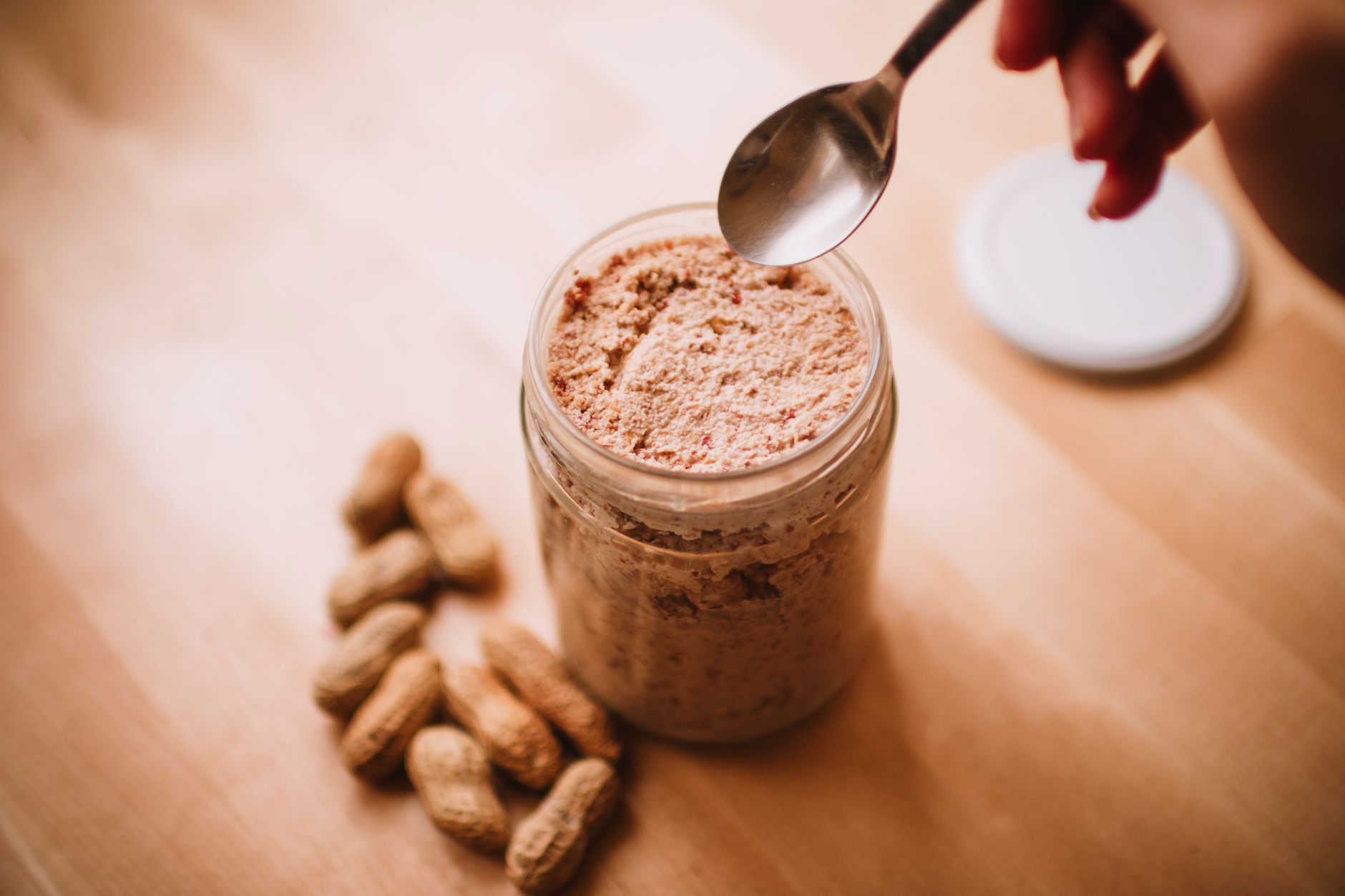
Stir the separated oil back into the jar to restore a creamy consistency before measuring. This helps retain moisture for your baked goods.
Can It Replace Processed Butter 1:1?
In most recipes, yesbut some may require tweaks. Natural peanut butter may thin batters and soften doughs, so reducing liquids slightly or adding a bit more flour can balance textures.
Mixing Techniques for Smooth Peanut Butter
- Warm the jar briefly in hot water for 23 minutes to loosen the oil layer.
- Use a sturdy spoon or spatula to stir thoroughly until uniform.
- If smoother texture is key, blend with a small hand mixer for 30 seconds.
Peanut Butter Recipes That Work Well
- Chewy peanut butter cookies
- Moist peanut brownies
- Fluffy peanut butter muffins
Baking Tips
How to Store for Freshness
Keep natural peanut butter tightly sealed at room temperature away from sunlight. Once opened, it lasts about 23 months unopened, and up to 57 days after opening if refrigerated to prevent oil rancidity.
Overcoming Common Challenges
If baked goods turn dry, try adding a tablespoon of honey or yogurt to boost moisture. If too oily or crumbly, mix batters less vigorously and reduce added fats slightly.
Troubleshooting Guide
- Dry texture: Increase wet ingredients or stir oil thoroughly into peanut butter before use.
- Oily batter: Chill dough before baking and use firmer natural peanut butter brands.
- Crumbliness: Add an extra egg or a tablespoon of flaxseed meal for binding.
Recommended Brands for Baking
Look for certified Halal labels such as JAKIM or IFANCA to ensure compliance. Brands that use slow roasting with minimal salt retain better flavor and texture. Avoid cheap brands with added sugars or hydrogenated oils to prevent baking inconsistencies.
Health & Nutrition
Why Choose Natural Peanut Butter?
According to the USDA FoodData Central, natural peanut butter typically contains 78 grams of protein and less than 1 gram of sugar per 2-tablespoon serving. It also contains healthy monounsaturated fats, vitamin E, magnesium, and fiberall without the artificial trans fats or excess sodium common in processed spreads.
Health Considerations
Peanut allergies remain a concern; always check for allergen warnings. Also, natural peanut butter‘s oil content means it is calorie-dense, with about 190200 calories per serving. Moderate consumption fits well in balanced diets.
Balanced Diet Tips
Pair natural peanut butter with whole-grain breads or fruits to balance protein, fiber, and healthy fats. Certified Halal options ensure the product aligns with dietary restrictions.
Is natural peanut butter actually Halal what should I check?
Ensure the peanut butter container displays recognized Halal certification logos such as JAKIM, HMC, or IFANCA. These bodies confirm that manufacturing processes and ingredients comply with Islamic dietary laws. Avoid products with unclear labeling or processed in shared facilities with non-Halal items.
When is the best time to use natural peanut butter in baking?
Natural peanut butter works best when incorporated into batters for cookies, muffins, or brownies just before baking. Use it fresh to preserve its nutty flavor and moisture content. For spreads, consume within 57 days once opened if refrigerated.
How do I prevent oil separation in natural peanut butter?
Store natural peanut butter in a cool, dry place and stir the contents thoroughly after every use. Refrigeration slows oil separation but can cause hardening; let it sit at room temperature before use.
Can natural peanut butter replace all peanut butter in recipes?
Mostly yes, but adjustments may be needed. Thin batters benefit from reducing other liquids by 12 tablespoons, and doughs requiring firmness might need extra flour to compensate for moisture.
What are common baking mistakes with natural peanut butter?
Not stirring oil back in, using it cold straight from the fridge, or substituting without adjusting liquids can cause dry or oily baked goods. Pre-mixing and warming slightly help avoid these issues.
How long does natural peanut butter last once opened?
At room temperature, it keeps for 23 months unopened. After opening, refrigerate to prolong shelf life up to 57 days. Always monitor for rancid smell or off flavors as signs of spoilage.
Can natural peanut butter be used in savory cooking?
Absolutely. Its rich nutty flavor enhances savory sauces, dressings, and marinades. Just ensure no added sugars or preservatives that might alter the dishs profile.
Pro Baking Tips
- Avoid cheap natural peanut butter brands with excessive oil separation; they can disrupt batter texture.
- Warming the peanut butter gently between 95F105F helps achieve a smooth, creamy mix without altering flavor.
- When baking cookies, chilling dough stuffed with natural peanut butter for 30 minutes improves shape and spread.
- Consider pairing natural peanut butter with honey or mashed banana to boost moisture and natural sweetness.
- For clean, Halal-certified baking, always check local certifications and batch traceability of your peanut butter.
More You Might Like
Looking for kitchen hacks? Learn how to wax paper oven safe for easy cleanup when baking sticky treats.
Want to sweeten up your homemade desserts naturally? Discover how to make powdered sugar at home for soft, velvety frostings and glazes.
Conclusion
Natural peanut butter offers a wholesome alternative to processed spreads with richer taste and better ingredients. Knowing how to adjust your recipes and picking certified Halal brands will empower you to bake healthier, tastier treats. Next time you shop, check the label carefully and experiment confidently with natural peanut butter in your kitchen. Wed love to hear how you use itfeel free to share your tips and favorite recipes below!
FAQs
When is the best time to eat or use natural peanut butter?
Natural peanut butter is best used fresh in baking batters like cookies, muffins, or brownies right before baking to preserve its nutty flavor and moisture. For spreads, consume within about 57 days after opening if refrigerated to maintain freshness.
How long does natural peanut butter last once opened?
Unopened natural peanut butter can last up to 23 months at room temperature. After opening, refrigeration extends its shelf life to about 57 days. Always check for rancid smell or off flavors as signs it has spoiled.
What is the difference between natural and processed peanut butter?
Natural peanut butter contains mostly peanuts, sometimes salt and oil, without added sugars or hydrogenated oils. Processed versions often include stabilizers, sugars, and trans fats, resulting in a sweeter, thicker, and more stable texture but less pure flavor and lower health benefits.
Is it safe to eat natural peanut butter daily?
Yes, natural peanut butter can be part of a balanced diet when eaten in moderation. It is nutrient-dense and calorie-rich, so portion control is important. Always be mindful of peanut allergies and avoid if sensitive.
Where can I buy certified Halal natural peanut butter?
Certified Halal natural peanut butter can be purchased at specialty grocery stores, online marketplaces, or halal food shops. Look for recognized certifications such as JAKIM, IFANCA, or HMC on the packaging to ensure compliance with Islamic dietary laws.