You open the pantry, spot a tin of tuna or salmon, and wonder if it can become something more than a rushed sandwich. The answer is yes, and it takes under ten minutes. A canned fish lunch delivers lean protein, healthy fats, and zero kitchen cleanup. Whether you work from home, pack a bag for the office, or need a post-workout meal, this approach saves time without sacrificing nutrition. The trick is knowing which fish to choose, what to pair it with, and how to keep it interesting day after day.
Why Choose Canned Fish for Your Lunch
Canned fish is more than a pantry staple. It is a complete protein source that requires no heat, no stove, and hardly any planning. A single 100-gram serving of canned tuna provides about 25 grams of protein, while sardines deliver around 22 grams plus calcium and omega-3s. That makes it a smart choice for anyone watching their protein intake or looking for a quick, filling midday meal.
What Makes Canned Fish a High-Protein Lunch Option
Protein helps you stay full longer and supports muscle repair. According to the USDA FoodData Central, a standard 85-gram portion of canned light tuna in water contains roughly 20 grams of protein, with only one gram of fat. Compare that to a typical deli meat sandwich you often get less protein and more sodium. Canned fish also pairs easily with other protein sources. For example, you can mix it with a scoop of high protein grain like quinoa or amaranth to create a balanced bowl. The combination sustains energy well into the afternoon.
How Does Canned Fish Help Boost Fiber Intake
Fish itself contains no fiber, but a canned fish lunch becomes a fiber powerhouse when you add vegetables, legumes, or whole grains. Stir a can of salmon into a bowl of chickpeas, cucumber, and leafy greens. That single meal can deliver 810 grams of fiber roughly a third of the daily recommendation. Fiber slows digestion, stabilizes blood sugar, and keeps your gut healthy. The beauty is that none of the add-ins require cooking. A simple toss and a drizzle of olive oil are all you need.
What Are the Advantages of a No-Cook Lunch
Skipping the stove saves time, reduces kitchen mess, and keeps your home cooler during warm months. A no-cook lunch also works for small office kitchens where microwaves are scarce. You can assemble a canned fish salad in under five minutes, using only a bowl and a fork. For meal prep, portion out the dry ingredients the night before, then open the can and mix at lunchtime. This approach fits seamlessly into a busy schedule.
Building the Perfect Canned Fish Lunch: Easy + Nutritious
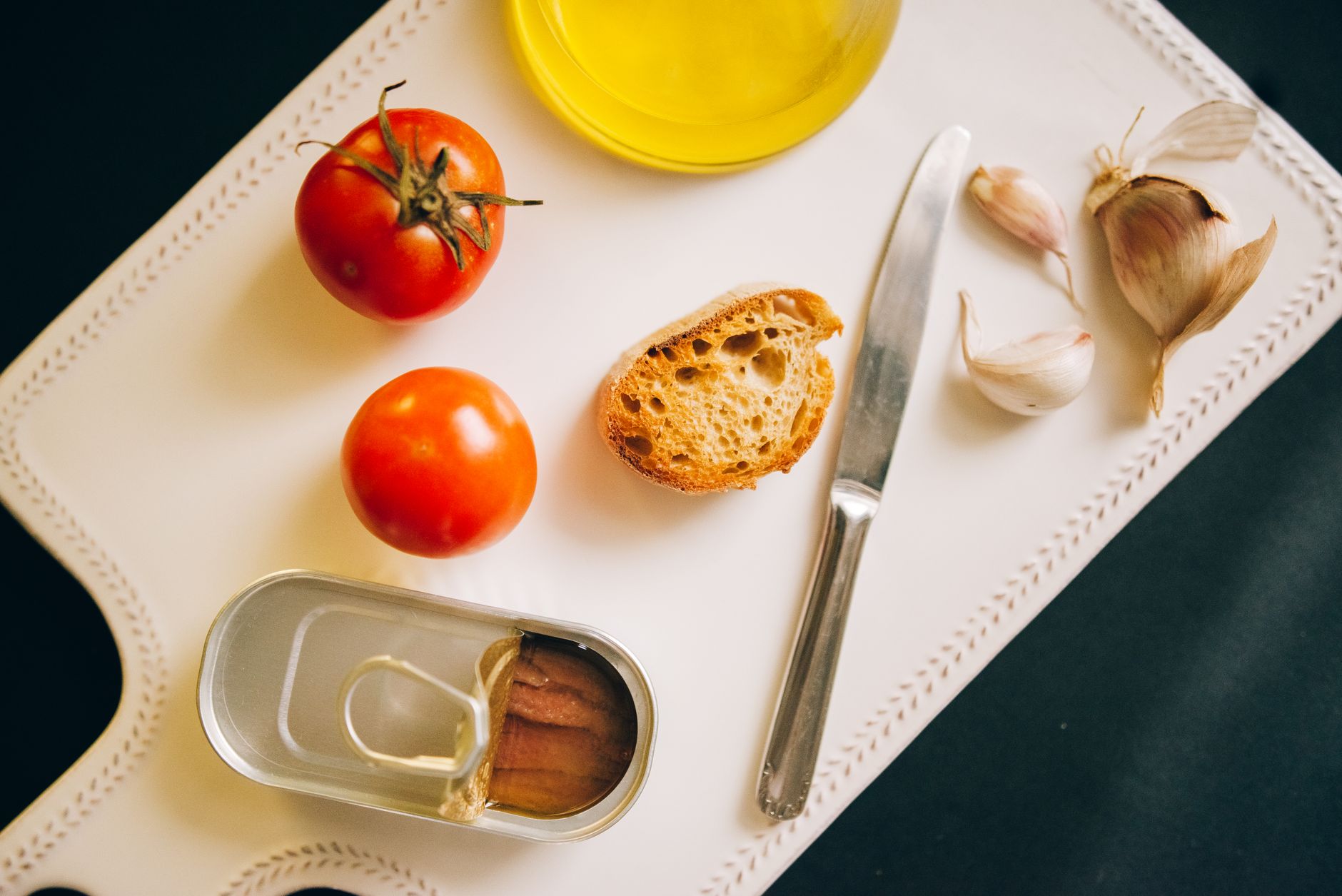
Now that you know the benefits, let‘s talk about how to build a satisfying meal. Start with a quality can of fish, then add color, crunch, and a bit of acidity. The formula is simple: fish + fiber + fat + flavor.
What Are the Best Types of Canned Fish for Lunch
Not all canned fish are created equal. Here is a quick breakdown of the most common options and what they bring to your table.
- Light tuna (skipjack or yellowfin) mild flavor, lower in mercury than albacore, versatile for salads and wraps.
- Albacore tuna white meat, firmer texture, slightly higher mercury levels, best eaten once a week.
- Pink or red salmon rich taste, high in omega-3s, often wild-caught, works well with bold seasonings.
- Sardines (in water or olive oil) bone-in, skin-on, loaded with calcium and vitamin D. The small bones are soft and edible.
- Mackerel strong, oily fish, excellent for smoking or spicing. Great in grain bowls.
For Halal-conscious shoppers, look for certification logos from recognized bodies such as JAKIM, IFANCA, or HMC. Many mainstream brands now carry these marks, but always check the back of the can.
How Can You Create a Balanced Meal With Canned Fish
Balance comes from combining protein with carbohydrates, fat, and vegetables. A classic formula is:
- 1 can of fish (drained) 80100 grams
- 1 cup of fiber-rich base shredded cabbage, spinach, or cooked quinoa
- 1/4 cup of legumes chickpeas, black beans, or lentils
- 1 tablespoon of healthy fat olive oil, avocado, or tahini
- Acid and seasoning lemon juice, vinegar, black pepper, herbs
This template gives you roughly 400500 calories with 3035 grams of protein and 1015 grams of fiber. Adjust portions based on your hunger and activity level.

Sample Easy Canned Fish Lunch Recipes
Below is a detailed recipe for one of the most versatile combinations. It takes 10 minutes and requires no cooking equipment beyond a can opener and a fork.
| Prep time | Cook time | Total time | Servings | Calories | Diet tags |
|---|---|---|---|---|---|
| 5 minutes | 0 minutes | 10 minutes | 1 | ~480 | Halal, Gluten-Free, Dairy-Free, High-Protein |
Mediterranean Tuna Salad with Chickpeas and Spinach
- 1 can (150g) of Halal-certified light tuna in water, drained
- 1 cup fresh baby spinach
- 1/2 cup canned chickpeas, rinsed and drained
- 1/4 cup chopped cucumber
- 1/4 cup cherry tomatoes, halved
- 2 tablespoons chopped red onion
- 1 tablespoon extra virgin olive oil
- Juice of 1/2 lemon
- 1/4 teaspoon salt
- 1/4 teaspoon black pepper
- 1/4 teaspoon dried oregano
Step-by-step:
Step 1 Prepare the base. Place the spinach in a wide bowl. Add the chickpeas, cucumber, cherry tomatoes, and red onion. Toss gently to combine.
Step 2 Add the tuna. Flake the drained tuna with a fork and scatter it evenly over the vegetables. Do not overmix keep some larger chunks for texture.
Step 3 Dress and season. Drizzle olive oil and lemon juice over the salad. Sprinkle salt, pepper, and oregano. Toss everything lightly with two forks until the dressing coats all ingredients.
Step 4 Let it rest. Leave the salad at room temperature for 23 minutes. This allows the flavors to meld. Serve immediately or cover and refrigerate for up to 24 hours.
This salad stores well for 12 days in the fridge, but the spinach may wilt slightly. For meal prep, keep the dressing separate until serving.
Potential Risks and How to Balance Them
Eating canned fish regularly offers clear benefits, but a few precautions keep your intake safe and sustainable.
Are There Any Health Concerns With Eating Canned Fish Regularly
The main concerns are mercury content, sodium levels, and the presence of BPA in can linings. Mercury accumulates in larger predatory fish such as albacore tuna. The FDA recommends limiting albacore to one serving per week for adults, while light tuna can be eaten two to three times weekly. Sardines and salmon are naturally lower in mercury and can be consumed more frequently.
Sodium is another factor. Some canned fish contains added salt for preservation. A single can of tuna may have 250400 mg of sodium. Pairing it with unsalted vegetables and avoiding additional salt keeps your total within a healthy range.
How to Ensure Your Canned Fish Lunch Remains Healthy and Safe
Read the label carefully. Choose varieties labeled "low sodium" or "no salt added." Look for BPA-free lining claims on the packaging or opt for fish packed in glass jars. Rotate your fish types do not eat albacore every day. Include plant-based protein sources like beans or lentils on alternate days. This variety reduces exposure to any single contaminant.
Tips to Make Your Canned Fish Lunch Even Healthier and More Enjoyable
A little creativity goes a long way. Once you master the basic formula, you can customize it endlessly without extra effort.
How to Add Variety Without Extra Cooking
Switch up your fish: try mackerel one week, sardines the next. Change your greens: arugula, kale, or shredded Brussels sprouts. Add a handful of toasted nuts or seeds for crunch slivered almonds, sunflower seeds, or pumpkin seeds work well. A spoonful of yogurt or avocado adds creaminess. Fresh herbs like dill, parsley, or mint lift the flavor instantly. A dash of smoked paprika or cumin gives a warm, savory note.
What Are Easy Storage and Packing Ideas for On-The-Go Canned Fish Lunches
For packed lunches, use a wide-mouth glass jar or a leakproof container. Layer ingredients in order of moisture resistance: dressing at the bottom, then cucumbers and tomatoes, then chickpeas, then greens, and finally the flaked fish on top. This keeps everything crisp until you shake it together at mealtime. The salad stays fresh for up to 2 days in the fridge if the fish is added just before eating. For longer storage, keep the dressing separate and add it when you eat.

When is the best time to eat a canned fish lunch?
The best time is mid-morning or early afternoon, around 11:00 a.m. to 1:00 p.m. Your body digests protein efficiently during these hours, and the meal‘s fiber content prevents the afternoon energy slump. Avoid eating canned fish late in the evening if you are sensitive to strong flavors or sluggish digestion at night.
Can I eat canned fish straight from the can without any additions?
Yes, you can eat it directly, but it will be less satisfying and lack essential nutrients like fiber. A plain can of tuna provides protein and fat, but no carbohydrates, vitamins from vegetables, or phytonutrients. Adding veggies and a whole grain turns it into a complete meal that keeps you full for hours.
How often can I eat canned fish in a week?
For light tuna, 23 servings per week is considered safe by the FDA. For albacore tuna, limit to 1 serving per week. Sardines and salmon are lower in mercury and can be eaten 34 times weekly. Pregnant women and children should follow stricter guidelines always consult your healthcare provider.
Is canned fish already cooked, or do I need to cook it?
Canned fish is fully cooked during the canning process. It is safe to eat directly from the can without any additional heating. This makes it a perfect no-cook ingredient. Simply drain the liquid and use it in salads, wraps, or bowls.
Which brands offer Halal-certified canned fish?
Several major brands now carry Halal certification. Look for the logo from JAKIM (Malaysia), IFANCA (USA), or HMC (UK) on the label. Some popular options include Ayam Brand, Gulfs Catch, and Wild Planet (specific lines). Always verify the current certification on the package, as formulations may change.
Can I freeze canned fish after opening?
Yes, but freezing changes the texture. Transfer the drained fish to an airtight container and freeze for up to 3 months. Thaw in the refrigerator overnight and use immediately in cooked dishes or salads. For best quality, consume within 24 hours of thawing.
What is the best way to reduce the "fishy" taste in canned fish?
Rinse the fish with cold water after draining to remove excess brine and milden the flavor. Then toss it with acidic ingredients like lemon juice, vinegar, or yogurt. Fresh herbs such as dill, parsley, or mint also mask any strong notes. Choose fish packed in water instead of oil, as oil retains more pungency.
Pro Tips for a Better Canned Fish Lunch
Most people overlook the liquid inside the can. Do not discard it automatically that liquid contains flavor and nutrients. Fish packed in olive oil gives you a richer taste and a dose of healthy fat. If you prefer water-packed, save the liquid to use as a light broth for soups or grains. Another common mistake is over-mixing the fish into a paste. Keep the flakes distinct for better texture and mouthfeel. Finally, let the assembled salad sit for 5 minutes before eating. This short rest allows the vinegar or lemon to soften the vegetables slightly and marry the flavors.
More You Might Like
If you enjoyed this approach to protein-packed lunches, you might find our guide on high protein grain useful for adding variety to your bowl. Another great companion is our recipe for protein cottage cheese mousse a creamy, no-cook dessert that perfectly complements a savory fish lunch.
Conclusion
Building a canned fish lunch is one of the smartest shortcuts you can take toward a healthy, high-protein, high-fiber meal without turning on the stove. By choosing the right fish, pairing it with fiber-rich vegetables and legumes, and keeping a few quick tricks in mind, you can enjoy a satisfying lunch every day. Next time you reach for a can, think beyond simple tuna salad. Add crunch, color, and a squeeze of citrus, and you have a lunch that fuels you well into the afternoon. Have a favorite canned fish combination? Share it in the comments below.

FAQs
When is the best time to eat or drink Canned Fish Lunch?
Mid-morning or early afternoon (around 11:00 a.m. to 1:00 p.m.) is ideal. Your body digests protein efficiently during these hours, and the fiber content helps prevent the afternoon energy slump. Avoid eating it late in the evening if you are sensitive to strong flavors or sluggish digestion at night.
How long can you store canned fish after opening?
Once opened, transfer the drained fish to an airtight container and refrigerate. It stays fresh for 1–2 days if kept cold. For longer storage, freeze for up to 3 months. Thaw overnight in the refrigerator and use within 24 hours for best quality. Always check for off smells before eating.
What is the difference between canned tuna and canned salmon?
Light tuna (skipjack) has a mild flavor and lower mercury, while albacore is firmer but higher in mercury. Salmon is richer in omega-3s and often wild-caught, with a stronger taste. Sardines and mackerel are also options. Salmon and sardines are naturally lower in mercury, so you can eat them more frequently.
How often can you safely eat canned fish per week?
For light tuna, 2–3 servings per week is safe per FDA guidelines. Albacore tuna should be limited to 1 serving per week. Sardines and salmon, being lower in mercury, can be eaten 3–4 times weekly. Pregnant women and children should follow stricter limits – consult your healthcare provider.
Which brands offer Halal-certified canned fish?
Look for certification logos from JAKIM (Malaysia), IFANCA (USA), or HMC (UK). Popular Halal-certified brands include Ayam Brand, Gulfs Catch, and specific lines of Wild Planet. Always check the current certification on the package, as formulations may change. Avoid fish packed in non-halal gelatin or alcohol-based liquids.