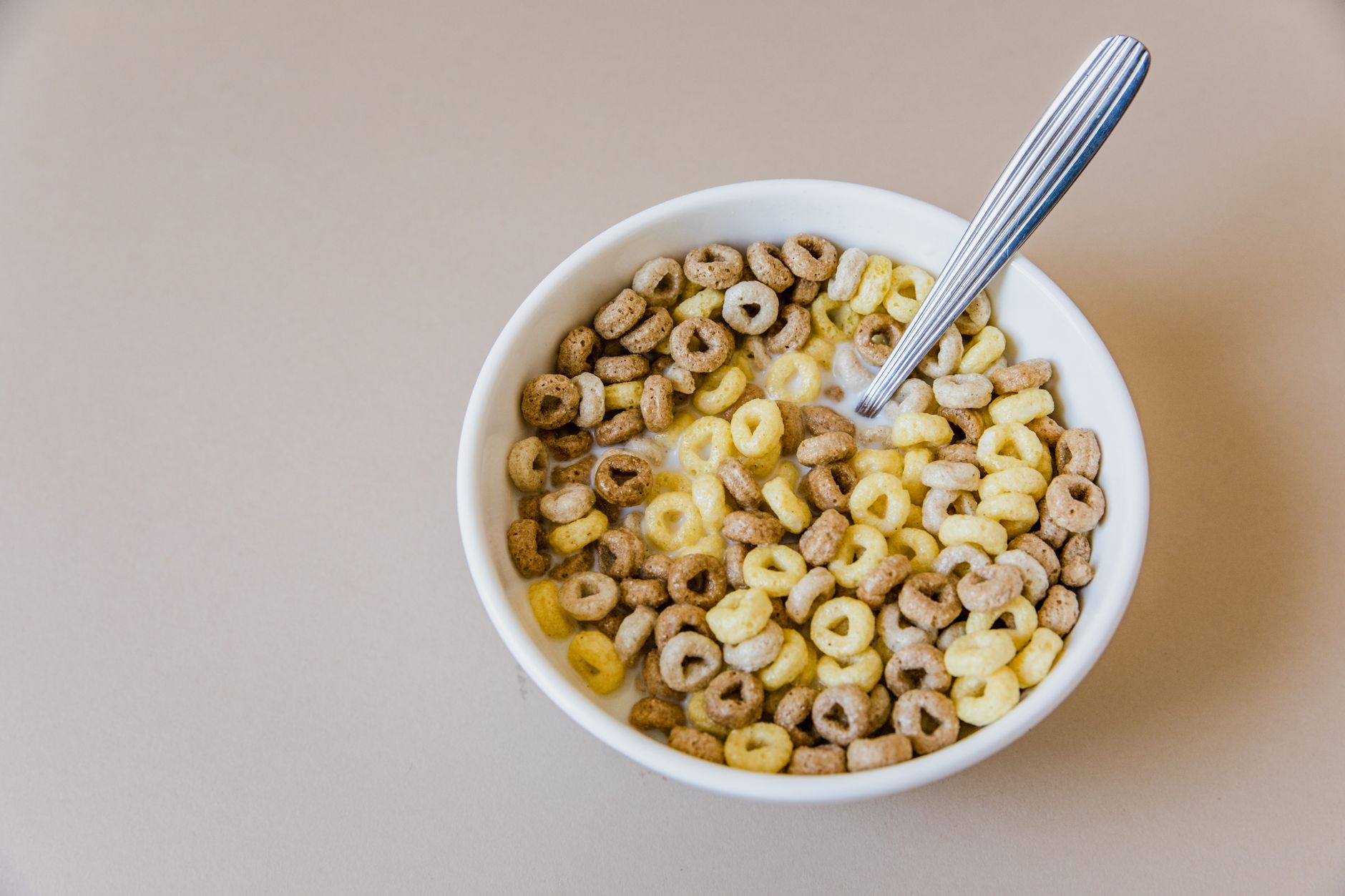
Okay, let me just throw this out there: have you ever found yourself mid-bite of cereal, wondering, Hey, is this... soup? Yeah, I know it sounds totally random, but honestly, this little food identity crisis has been buzzing around breakfast tables (and internet forums) for years. Its one of those quirky debates that feel silly at first but then kind of sticks with you. So, is cereal soup? The short answer: maybe. But its way more interesting if we dig a little deeper.
Believe it or not, this question taps into a bigger conversation about how we define food. Its like when people argue about whether a hot dog counts as a sandwich (spoiler alert: still no consensus). So, before we get too caught up in spoons and bowls, lets try to unpack whats really going on with cereal vs. soup and what it means for how we think about food in general.
What Is Soup, Really?
First off, weve got to talk about soup itself. What makes something soup? Spoiler: it isnt just stuff in a bowl. Most definitions circle around a few common things: usually, soup is a liquid-based dish that contains solid ingredients, often cooked or prepared in some way. But theres a surprising amount of variation depending on who you ask.
Key Soup Characteristics
Generally, soups share these traits:
- Liquid base: Usually water, broth, stock, or another flavored liquid.
- Solid ingredients: Vegetables, meat, grains, or whatever else chopped or cooked.
- Preparation: Often involves cooking, simmering, or blending.
- Temperature: Usually hot, but some soups are served cold (think gazpacho or vichyssoise).
Heres where it gets fun (or tricky): what if you drop cereal flakes into cold milk? Does that tick any of those boxes? Its definitely liquid and solid, but no cooking. Maybe temperature doesnt matter. Lets keep going.
How Culinary Experts See Cereal
Most food pros classify cereal as a whole foods prepared foods item, usually eaten cold with milk for breakfast or snack time. Unlike soups, its rarely cooked or heated before serving. Cereal grainswhether flakes, puffs, or granola clustersare dry goods usually meant to stay crunchy. Pouring milk over it is just a quick way to hydrate and flavor the grains.
So, culinary schools and recipe books tend to keep cereal and soup in separate categories. But... rules can be flexible, right?
| Feature | Soup | Cereal | Notes |
|---|---|---|---|
| Liquid base | Broth, stock, water | Milk, dairy, plant-based drinks | Both involve a liquid + solids |
| Temperature | Generally hot; some cold soups | Usually cold or room temp | Temperature isn't always a deal-breaker |
| Preparation | Cooked, simmered, blended | Poured over; no cooking | Soup generally cooked; cereal is more "assembled" |
| Cultural function | Meal or appetizer | Breakfast or snack | Different mealtime roles |
In Favor: Why Some Say Cereal Is Soup
Alright, now that we know what soup usually looks like, lets flip the script and consider the cereal soup debate a bit more seriously. Believe it or not, theres some convincing reasoning on the "yes, cereal is soup" side.
The Liquid-and-Solids Argument
At its core, soup is solids floating in liquid, right? Well, cereal is exactly that flakes or puffs suspended in milk. In fact, some soups, like the classic chilled cucumber soup or berry soup, are often served cold. So temperature shouldnt automatically disqualify cereal from being a soup.
Take a bowl of cereal and milk look at it this way: its a cold, ready-to-eat dish with solid bits swimming in a flavorful liquid. Doesnt that sound pretty soup-ish?
Cold Soups Exist Too
Cold soups arent just a niche thing; they're a big deal in many cultures. Gazpacho, a tomato-based cold soup from Spain, is refreshing and eaten in summer heat, much like cereal and milk can be. Vichyssoise, a chilled potato and leek soup from France, also blurs temperature lines.
So if these are soups, why not cereal? The boundary between cold and hot soups is more fluid (pun intended!) than you'd think.
Expanding Food Boundaries
Food doesn't live in a vacuum. Our definitions evolve with culture, experimentation, and new ideas. What counts as "soup" in Korea might differ from whats common in Italy or Mexico. Food historians argue that flexible classification helps us appreciate culinary creativity instead of boxing everything into strict categories.
Opposed: Why Cereal Isnt Soup
Now, it wouldnt be a fair chat without hearing the other side the folks who arent convinced that cereal deserves the soup label.
Temperature and Preparation Are Big Deals
For many, soup implies some element of cooking or warming. Soup usually involves a process: simmering broth, combining ingredients, flavor balancing through heat. Cereal? Its basically dry grains and cold milk mostly no heat, little mixing beyond a spoon stirring.
This cooking step is often key without it, many chefs say it just doesnt qualify.
Cultural and Functional Differences
Besides preparation, cereals role culturally and functionally is quite different. Soup is often a main or side dish something you eat as lunch or dinner. Cereal is primarily breakfast and snack food, generally quick to prepare and eaten to kickstart your day.
These cultural roles tip the scale away from considering cereal as soup.
Linguistic and Traditional Boundaries
Language also matters. The phrase "cereal soup" sounds strange because people have long-held ideas about these foods. Dictionaries, culinary schools, and popular culture tend to define soup with specific expectations.
Consider this: we rarely say "milk soup" for cereal because the phrase feels off to most ears. This linguistic intuition isnt scientific, but it shapes how food is viewed in everyday life.
Why Does This Food Debate Matter?
If youre reading this wondering why anyone cares about the cereal soup debate, youre not alone. But I think the fun is in the food definition debate itself. It challenges what we think we know about food and by extension, culture, identity, and even nutrition.
Food's Shape on Culture and Diet
How we classify food impacts what we buy, eat, and enjoy. It affects nutrition guidelines, marketing, and even policy decisions. For example, if milk-soaked cereal were officially considered a soup in some contexts, could it qualify for different food categories or programs? Wild thought, but hey, stranger things happen.
Nutritionists also look at how items fit into meal planning. Calling cereal soup might change how some view portion sizes, meal timing, or diversity.
And hey, you might find it interesting how different societies categorize their staple foods some dishes that look like soups to you might be sweets or snacks elsewhere!
A Real-World Example
Take the classic debate of "Is a hamburger a sandwich?" It might seem trivial, but it has led to lawsuits, restaurant menu tweaks, and redefined food labeling. Food definitions shape everything from tax laws to what counts as school lunch.
This shows food classification isnt just fun food-for-thought; its part of how society runs.
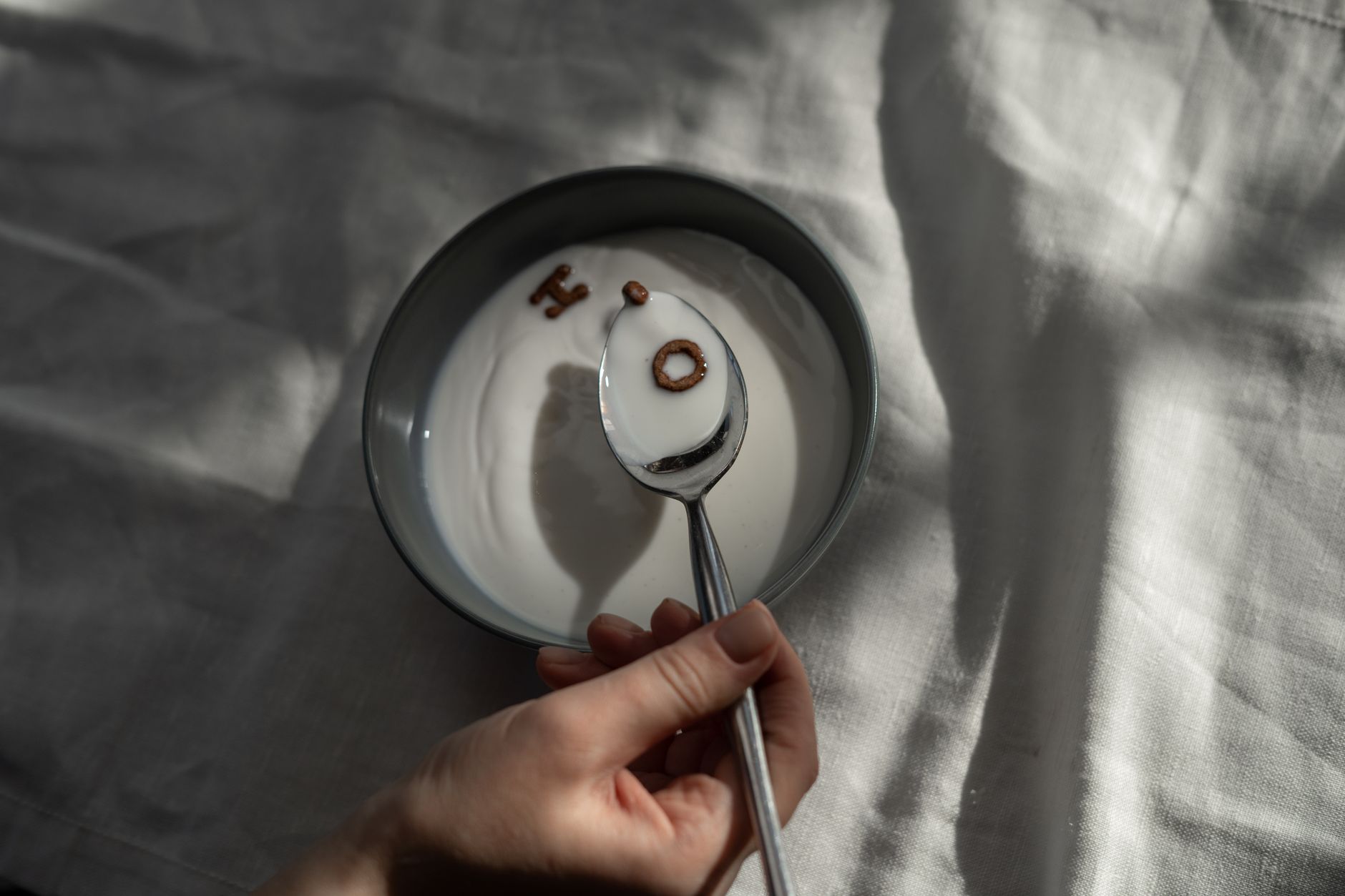
How to Decide: Is Cereal Soup To You?
Now, after all that, heres the trick: theres no one right answer that fits everyone. The best way to approach this is to embrace the messy, fun world of food definitions.
Ask Yourself These Questions
- What do I personally associate with soup? Is it about cooking, temperature, or ingredients?
- Does cereal fit those criteria for me, or is it something totally different?
- Am I open to flexible, evolving food categories or prefer traditional definitions?
Food is meant to nourish and delight, not to box us in. So if you wake up and want to call your cereal soup... go for it!
Try This Fun Experiment
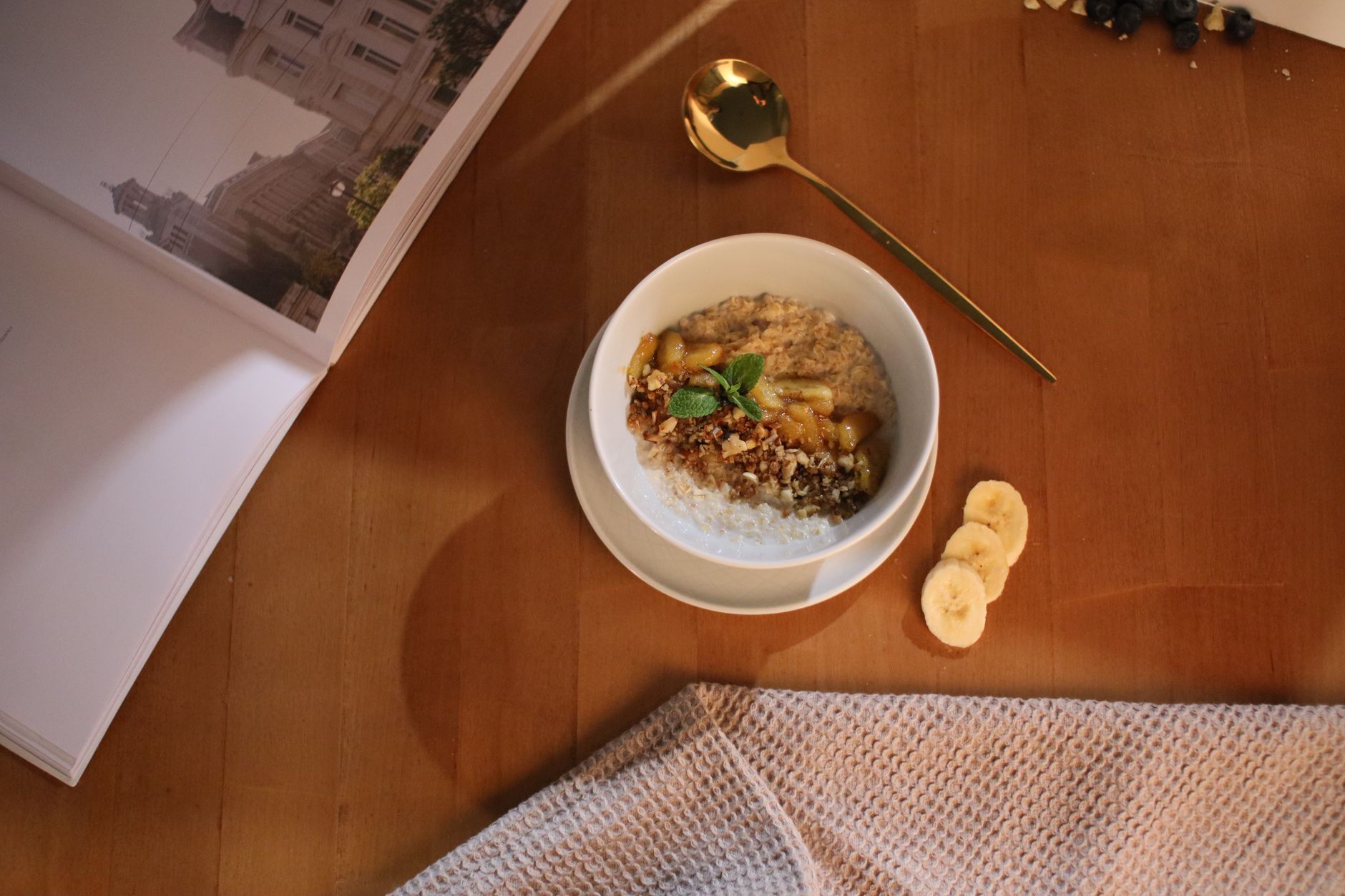
Grab different types of cereal and try pairing them with various liquids warm milk, cold yogurt, even broth if youre feeling adventurous. Then compare how they feel. This hands-on experience might give you more clues about where cereal really lands in the food world.
If you want more tips on combining tasty plus nutritious meals, check out ideas for whole foods high protein low calorie snacks. Theyre a great complement to your breakfast experiments.
Taking the Debate Beyond Breakfast
Whats really cool about the cereal soup debate is how it invites us to rethink everyday things with curiosity and sometimes humor. Food is culture, memory, creativity, and connection.
And thats why, whether youre team cereal is soup or team no way, this question opens up a bigger, warmer conversation about what we eat and why it matters.

Final Thoughts
So, what do you think? Is cereal soup? Honestly, it depends on who you askand maybe even how you feel that morning. The cereal classification isnt as black-and-white as you might guess, and thats the best part. Food isnt just about rules; its about experiences, culture, and the joy of nourishment.
Next time you pour milk over your cereal, maybe give a little wink to the art of soup-making too. And if anyone tries to spark the old cereal soup debate at your dinner table, youll be ready to charm them with both the facts and the fun.
Curious about other interesting food topics? Dive into how different food categories fit into our lives and culturesyou might find yourself looking at your plate in a whole new way!
Got a food debate you want unraveled or just want to share your own "cereal soup" story? Dont be shydrop a comment or send a message. Lets keep the conversation going.
FAQs
Is cereal technically considered a soup?
Cereal shares some traits with soup, like solids in liquid and being served cold, but it lacks cooking and traditional preparation, so most culinary experts don’t classify it as soup.
Can cold dishes like cereal and gazpacho both be soups?
Cold soups such as gazpacho and vichyssoise exist and are accepted as soups, but cereal differs mainly due to its lack of cooking and cultural context, making the comparison more playful than strict.
Why does preparation matter in defining soup?
Cooking, simmering, or blending helps develop the flavors and texture of soups, which is a key distinction from cereal that’s simply assembled without heat or cooking.
Does cultural context affect whether cereal is seen as soup?
Yes. Foods are defined by cultural norms and tradition, and cereal is traditionally a breakfast item distinct from lunch or dinner soups, influencing how we categorize it.
What can the cereal vs. soup debate teach us about food?
It highlights how food classification is flexible and influenced by culture, language, and personal perspective, encouraging us to think creatively about what we eat and why.